listings
Shaping the Future: An Inside Look at San Diego Christian College Majors
San Diego Christian College (SDCC) is a beacon of academic excellence and Christian values in higher education. Founded in 1970, SDCC is situated in the picturesque city of Santee, California. Committed to holistic development, SDCC offers a range of undergraduate programs designed to nurture students’ intellectual curiosity, spiritual growth, and leadership skills.
With a focus on academic rigor and personal mentorship, SDCC provides a supportive learning environment where students can thrive academically, socially, and spiritually.
Primary selection is pivotal in higher education, shaping students’ academic journeys and future career paths. This decision can significantly impact their professional opportunities and personal fulfillment.
Choosing the right major involves careful consideration of one’s interests, strengths, and career goals. It is a transformative step that empowers students to pursue their passions, acquire specialized knowledge and skills, and embark on meaningful career trajectories. At SDCC, primary selection is guided by the institution’s commitment to helping students discover their God-given talents and positively prepare them to impact their chosen fields and communities.
History and Background of San Diego Christian College
Founding Principles and Mission:
San Diego Christian College (SDCC) was founded in 1970 to provide a Christ-centered education that integrates faith and learning. Grounded in biblical principles, the college’s mission is to prepare students to impact the world for Christ through academic excellence, spiritual growth, and servant leadership. The founding principles emphasize the importance of faith, integrity, and community in pursuing knowledge and personal development.
Evolution and Growth of SDCC:
Over the years, SDCC has experienced significant evolution and growth, expanding its academic programs, campus facilities, and student population. From its humble beginnings as a small Bible college, SDCC has evolved into a comprehensive liberal arts institution offering diverse undergraduate programs.
The college has continually adapted to meet the changing needs of students and society while remaining steadfast in its commitment to Christian values and academic excellence.
Accreditation and Affiliations:
SDCC holds accreditation from the Western Association of Schools and Colleges (WASC), ensuring that its academic programs meet rigorous standards of quality and effectiveness.
Additionally, the college maintains affiliations with various Christian organizations and educational institutions, fostering collaboration and partnerships that enrich the student experience. These accreditations and affiliations underscore SDCC’s commitment to providing a high-quality, academically rigorous, and spiritually enriching education.
Academic Offerings
Overview of Majors Offered at SDCC:
SDCC offers various undergraduate majors, including business, psychology, education, communication, and theology. Each major is designed to provide students with a comprehensive understanding of their chosen field while integrating biblical principles and Christian worldview perspectives.
Specializations and Concentrations Available Within Majors:
Within each major, SDCC offers specializations and concentrations, allowing students to tailor their academic experience to their interests and career goals. These specializations may include options for in-depth study, research opportunities, or practical training experiences that enhance students’ skills and knowledge in their chosen field.
Unique Features of SDCC Majors’ Curriculum:
SDCC’s majors’ curriculum is characterized by its integration of faith and learning, providing students with opportunities to explore how their academic studies intersect with their Christian faith.
The curriculum emphasizes critical thinking, ethical decision-making, and practical application, preparing students to excel in their careers and positively impact their communities. Additionally, SDCC’s small class sizes, personalized instruction, and mentorship opportunities create a supportive learning environment where students can thrive academically and spiritually.
Faculty and Resources
Profiles of Faculty Members Within Majors:
SDCC’s faculty members are highly qualified and experienced professionals dedicated to student success and academic excellence. Many faculty members hold advanced degrees in their expertise and bring real-world experience and insights into the classroom. They serve as mentors and role models, inspiring students to pursue their passions and achieve their academic goals.
Research Initiatives and Scholarly Contributions:
SDCC’s faculty members actively engage in research initiatives and scholarly contributions that advance knowledge in their respective fields.
They publish articles in peer-reviewed journals, present at academic conferences, and collaborate on research projects with students. These research initiatives provide valuable learning opportunities for students and contribute to the academic reputation and excellence of SDCC.
Academic Resources and Facilities Available to Students:
SDCC provides students access to various academic resources and facilities to support their learning and research endeavors.
The college’s library offers a comprehensive collection of books, journals, electronic resources, study spaces, and research assistance. Additionally, students can access state-of-the-art classrooms, laboratories, and technology resources that enhance their learning experience and facilitate hands-on learning opportunities.
Student Support Services
Academic Advising and Counseling:
San Diego Christian College (SDCC) offers comprehensive academic advising and counseling services to assist students in navigating their educational journey. Professional advisors guide course selection, degree requirements, and academic planning to ensure students stay on track toward graduation.
Additionally, counselors support personal and academic challenges, helping students thrive academically and personally.
Career Services and Professional Development:
SDCC’s career services center offers a range of resources and programs to support students in their career exploration and professional development. Services include resume and cover letter assistance, interview preparation, job search strategies, and networking opportunities.
Additionally, career workshops, employer panels, and job fairs provide students with valuable insights into various industries and career paths, empowering them to pursue their professional goals confidently.
Financial Aid and Scholarships:
SDCC is committed to making education accessible and affordable for all students. The college offers a variety of financial aid options, including grants, scholarships, loans, and work-study opportunities.
Financial aid advisors assist students in navigating the process of financial assistance, identifying funding sources, and maximizing their eligibility for financial aid. Additionally, SDCC awards merit-based scholarships and need-based grants to recognize academic achievement and support students with demonstrated financial need.
Campus Life and Community
Student Organizations and Extracurricular Activities:
SDCC boasts a vibrant campus community with many student organizations and extracurricular activities. From academic clubs and honor societies to cultural and recreational groups, there are opportunities for students to pursue their interests, develop leadership skills, and build friendships outside of the classroom.
These organizations provide a supportive community where students can connect with peers with similar interests and passions.
Events and Networking Opportunities:
SDCC hosts events and networking opportunities throughout the year to foster connections among students, faculty, alums, and professionals. These events may include guest speakers, career panels, workshops, cultural celebrations, and community service projects.
Networking opportunities provide students with valuable connections, mentorship, and career insights, helping them expand their professional network and explore potential career paths.
Supportive Community and Campus Environment:
SDCC is known for its supportive and welcoming campus environment, where students feel valued, respected, and empowered to succeed. Faculty, staff, and fellow students are committed to creating a culture of care and belonging where everyone is encouraged to thrive academically, spiritually, and socially.
Whether through small class sizes, mentorship programs, or campus-wide initiatives, SDCC fosters a sense of community that enriches the college experience and prepares students for success in all aspects of life.
Alumni Success and Impact
Notable Alumni Achievements:
SDCC alums have succeeded in various fields and industries, significantly contributing to their respective fields. From business leaders and educators to healthcare professionals and community advocates, alumni have leveraged their education and experiences at SDCC to impact their communities and beyond positively.
Contributions to Their Respective Fields:
SDCC alums are leaders and innovators in their fields, driving positive change and making a difference in the world. Through groundbreaking research, innovative entrepreneurship, or dedicated service, alums actively shape the future and leave a lasting legacy in their professions and communities.
Career Trajectories and Success Stories:
SDCC alums have pursued diverse career paths and succeeded in various roles and industries. Their career trajectories are a testament to the quality of education and support they received at SDCC and their determination, passion, and commitment to excellence.
From entry-level to executive leadership roles, alums continue to excel in their careers and inspire future SDCC students to pursue their dreams and make a difference in the world.
Future Outlook and Growth
Plans for Program Expansion and Development:
San Diego Christian College (SDCC) is committed to continuous improvement and growth to meet the evolving needs of students and industries. Plans for program expansion include the introduction of new majors, concentrations, and certificate programs in emerging fields or areas of high demand.
Additionally, SDCC may explore opportunities for interdisciplinary collaborations and partnerships with industry leaders, academic institutions, and community organizations to expand program offerings and provide students with innovative and relevant education opportunities.
Initiatives to Enhance Academic Offerings:
SDCC is dedicated to enhancing the quality and relevance of its academic offerings through innovative initiatives and curriculum enhancements. Initiatives may integrate new technologies, pedagogical approaches, and experiential learning opportunities into the curriculum. SDCC may also invest in faculty development, research infrastructure, and student support services to ensure that academic programs remain at the forefront of excellence and prepare students for success in their chosen fields.
Vision for the Future of SDCC and Its Majors:
The vision for the future of SDCC and its majors is one of continued growth, innovation, and impact. SDCC aspires to be a leader in Christian higher education, recognized for its academic excellence, commitment to student success, and contributions to society.
The college’s majors will continue to evolve to meet the changing needs of students and industries, preparing graduates to excel in their careers and make a positive difference in their communities.
SDCC’s vision is rooted in its mission to equip students to impact the world for Christ, and it remains committed to fostering a vibrant learning community where students are empowered to thrive academically, spiritually, and professionally.
Data on San Diego Christian College Majors
| Major | Degree Offered | Specializations Available | Accreditation |
| Business Administration | Bachelor of Arts (BA) | – Accounting | WASC Accreditation |
| – Marketing | |||
| – Management | |||
| – Finance | |||
| – Entrepreneurship | |||
| – International Business | |||
| Communication | Bachelor of Arts (BA) | – Media Studies | WASC Accreditation |
| – Public Relations | |||
| – Strategic Communication | |||
| – Digital Media | |||
| – Journalism | |||
| – Advertising | |||
| Psychology | Bachelor of Arts (BA) | – Counseling Psychology | WASC Accreditation |
| – Behavioral Psychology | |||
| – Developmental Psychology | |||
| – Clinical Psychology | |||
| – Industrial-Organizational Psychology | |||
| – Forensic Psychology | |||
| – Health Psychology | |||
| Education | Bachelor of Arts (BA) | – Elementary Education | WASC Accreditation |
| – Secondary Education | |||
| Early Childhood Education | |||
| – Educational Leadership and Administration | |||
| – Teaching English to Speakers of Other Languages (TESOL) |
Conclusion
San Diego Christian College (SDCC) offers diverse majors to prepare students for success in their chosen fields. With a strong emphasis on academic excellence, spiritual growth, and community engagement, SDCC equips students with the knowledge, skills, and values needed to impact the world positively.
Through innovative curriculum, dedicated faculty, and a supportive learning environment, SDCC strives to empower students to pursue their passions, achieve their goals, and lead lives of purpose and significance. As SDCC continues to evolve and grow, it remains committed to providing a Christ-centered education that transforms lives and prepares graduates to become ethical leaders and servant-hearted professionals in their communities and beyond.
From Classroom to Park: Exploring Recreation Degrees

Recreation degrees encompass programs of study that focus on the principles, practices, and management of leisure and recreational activities. These degrees prepare individuals for careers in various sectors, such as community recreation, outdoor recreation, sports management, tourism, and hospitality.
Recreation degrees are vital as they provide students with the knowledge and skills needed to plan, implement, and evaluate recreational programs and services that contribute to individuals’ and communities’ physical, mental, and social well-being.
By understanding the importance of leisure and recreation in enhancing quality of life, graduates of these programs are equipped to create meaningful experiences and promote healthy lifestyles of all ages and backgrounds.
The purpose of pursuing a degree in recreation is multifaceted. Firstly, it allows students to explore their passion for leisure activities and turn it into a fulfilling career. Secondly, it provides a comprehensive education that combines knowledge with practical skills, preparing graduates for diverse roles within the recreation industry.
A degree in recreation allows individuals to positively impact society by promoting health, wellness, and community engagement through recreational programming and services. Overall, pursuing a degree in recreation opens doors to rewarding career opportunities while making a meaningful difference in the lives of others.
Types of Recreation Degrees
Bachelor’s Degree Programs
Curriculum Overview:
Bachelor’s degree programs in recreation typically provide students with a comprehensive understanding of leisure, recreation, and tourism management. The curriculum often includes coursework in recreational programming, event management, facility operations, outdoor recreation, and tourism studies.
Students may also study psychology, sociology, marketing, and business management topics to understand the social, cultural, and economic aspects of recreation and leisure.
Specializations and Concentrations:
Bachelor’s programs may offer specializations or concentrations to allow students to tailor their education to specific areas of interest. These may include outdoor recreation and adventure tourism, community recreation and sports management, therapeutic recreation, or event planning and management.
Specialized coursework and hands-on experiences within these concentrations help students develop expertise in their chosen field and prepare for niche career paths.
Career Paths and Opportunities:
Graduates of bachelor’s degree programs in recreation can pursue various career paths in the public, private, and nonprofit sectors. They may work as recreation coordinators, program directors, event planners, park managers, camp directors, or adventure tourism guides.
Additionally, graduates may find employment in resorts, cruise lines, recreational facilities, community centers, rehabilitation centers, schools, or government agencies, contributing to promoting healthy lifestyles and community engagement through recreational activities.
Master’s Degree Programs
Advanced Curriculum Components:
Master’s degree programs in recreation build upon foundational skills acquired at the undergraduate level, offering advanced coursework in strategic planning, organizational leadership, policy analysis, and program evaluation.
Students delve deeper into theoretical frameworks, research methodologies, and advanced topics in specialized areas of recreation management and administration.
Focus Areas and Research Opportunities:
Master’s programs may allow students to focus on specific areas of interest through concentrations or elective courses. These could include sustainable tourism development, leisure behavior, psychology, therapeutic recreation interventions, or environmental stewardship.
Students may engage in research projects, internships, or practicum experiences to gain practical skills and contribute to advancing knowledge within the field through applied research and scholarly inquiry.
Professional Development and Leadership Training:
Master’s programs often incorporate professional development and leadership training to prepare students for managerial and leadership roles within the recreation industry. This may include courses on organizational behavior, strategic management, ethics and professionalism, and communication skills.
Students may also have opportunities for mentorship, networking, and participation in professional conferences and workshops to enhance their professional competencies and expand their career opportunities.
Doctoral Degree Programs
Doctor of Philosophy (Ph.D.) in Recreation Ph.D. programs in recreation focus on research and scholarly inquiry, preparing students for academic and research-oriented careers in higher education, research institutions, or government agencies.
Students conduct original research, contribute to developing theoretical frameworks, and disseminate knowledge through scholarly publications, presentations, and conference participation.
Doctor of Education (Ed.D.) in Recreation:
Ed.D. programs in recreation combine advanced coursework with practical applications, emphasizing leadership, administration, and policy development in recreation and leisure studies.
Students may engage in applied research projects, program evaluations, or policy analyses relevant to the recreation industry, focusing on addressing real-world challenges and enhancing professional practice.
Research Focus and Academic Career Paths:
Doctoral programs provide students with in-depth knowledge and expertise in specialized areas of recreation research, such as leisure behavior, program evaluation, community development, or leisure education.
Graduates of Ph.D. and Ed.D. programs may pursue academic careers as professors, researchers, or administrators in universities, colleges, or research institutes, contributing to advancing training the next generation of recreation professionals.
These comprehensive degree programs offer diverse pathways for students to pursue their career goals within the dynamic recreation and leisure studies field.
Whether at the bachelor’s, master’s, or doctoral level, students can acquire skills, and experiences necessary to make meaningful contributions to promoting leisure, wellness, and community engagement.
Benefits of Pursuing a Recreation Degree
Personal and Professional Growth:
Pursuing a recreation degree offers opportunities for personal development and self-discovery. Students engage in experiential learning, outdoor activities, and hands-on experiences that foster personal growth, confidence, and resilience.
Additionally, students develop critical thinking skills, problem-solving abilities, and a sense of responsibility, preparing them for success in their personal and professional lives.
Diverse Career Opportunities:
Graduates of recreation degree programs have access to various career opportunities in multiple sectors, including parks and recreation departments, tourism and hospitality industries, healthcare facilities, nonprofit organizations, and educational institutions.
With specializations in outdoor recreation, event management, therapeutic recreation, or community programming, graduates can pursue fulfilling careers that align with their interests.
Contribution to Community Health and Well-being:
Professionals with a background in recreation play a vital role in promoting community health, wellness, and quality of life. They design and implement recreational programs and initiatives that foster social connections, physical activity, and mental well-being among individuals of all ages and backgrounds.
By creating inclusive and accessible recreational opportunities, graduates contribute to building vibrant, healthy communities where individuals can thrive and lead fulfilling lives.
Skills and Competencies Developed in Recreation Programs
Leadership and Management Skills:
Recreation programs cultivate leadership and management skills essential for overseeing recreational facilities, organizing events, and supervising staff. Students learn to delegate tasks effectively, make strategic decisions, and inspire others to achieve goals.
Through coursework, internships, and practical experiences, students develop competencies in team building, conflict resolution, budget management, and risk assessment, preparing them for leadership roles within the recreation industry.
Program Planning and Evaluation:
Students in recreation programs gain proficiency in program planning, design, implementation, and evaluation. They learn to assess community needs, set program objectives, develop activity schedules, and measure outcomes to ensure program effectiveness and participant satisfaction.
With a focus on evidence-based practice, students acquire data collection, analysis, and interpretation skills, enabling them to make decisions and continuously improve the quality of recreational services and programs.
Communication and Interpersonal Skills:
Effective communication and interpersonal skills are important for building positive relationships with clients, colleagues, stakeholders, and community members. Recreation programs emphasize developing verbal, written, and nonverbal communication skills.
Students learn to articulate ideas clearly, listen actively, resolve conflicts and collaborate with diverse groups to achieve common objectives. These skills enhance students’ ability to engage and connect with others, fostering meaningful interactions and promoting inclusivity within recreational settings.
By acquiring these skills and competencies through recreation degree programs, students can significantly contribute to recreation and leisure studies while advancing their personal and professional growth. They become agents of positive change, promoting health, well-being, and community engagement in diverse settings and populations.
Emerging Trends and Innovations in Recreation Education
Integration of Technology in Recreation Programs:
As technology advances, recreation education programs incorporate innovative tools and platforms to enhance learning experiences and program delivery.
Virtual reality (VR) and augmented reality allow students to explore recreational environments, practice decision-making skills, and engage in experiential learning without physical constraints.
Online learning platforms, mobile applications, and digital resources provide students with flexible learning opportunities, access to real-time data, and interactive content to supplement traditional classroom instruction.
Focus on Inclusive and Accessible Recreation:
A growing emphasis is on promoting inclusivity and accessibility in recreation education, ensuring that programs and services cater to individuals of all abilities, backgrounds, and ages.
Recreation programs integrate universal design principles to create environments, facilities, and activities accessible to everyone, regardless of physical or cognitive limitations.
Students learn about adaptive equipment, inclusive programming strategies, and barrier-free design principles to create welcoming and accommodating recreational experiences for diverse populations.
Sustainability and Environmental Stewardship in Recreation Initiatives:
Recognizing the importance of environmental conservation, recreation education programs integrate principles of ecotourism, ecotourism, conservation biology, and environmental ethics into their curriculum.
Students explore sustainable practices in outdoor recreation, ecotourism, and park management to minimize environmental impacts, preserve natural resources, and promote ecological stewardship.
Recreation programs emphasize experiential learning opportunities that foster environmental awareness, appreciation for nature, and responsible outdoor recreation practices among students and participants.
Practical Applications and Experiential Learning Opportunities
Internships and Field Placements:
Recreation education programs offer students valuable opportunities to gain practical experience through internships, field placements, and cooperative education experiences.
Students work alongside industry professionals in recreational facilities, parks, resorts, and community organizations, applying theoretical knowledge in real-world settings and gaining hands-on skills and competencies.
Hands-On Projects and Case Studies:
Hands-on projects and case studies are integral to recreation education, allowing students to apply theoretical concepts to practical scenarios and real-life challenges.
Students collaborate on group projects, conduct needs assessments, develop recreational programs, and evaluate outcomes, gaining practical skills in program planning, implementation, and evaluation.
Networking Events and Professional Conferences:
Recreation education programs facilitate networking events, guest lectures, and professional conferences to connect students with industry professionals, alums, and leaders in the field.
Students have opportunities to participate in workshops, seminars, and panel discussions, gaining insights into emerging trends, best practices, and career opportunities within the recreation industry.
By embracing these emerging trends and providing practical learning opportunities, recreation education programs prepare students to meet the industry’s evolving demands, contribute to innovative solutions, and make impacts in their communities and beyond.
Data on Recreation Degrees
| Degree Level | Program Features | Examples of Courses | Career Opportunities |
| Bachelor’s Degree |
Comprehensive curriculum covering various aspects of recreation, including program planning, management, and evaluation. – Specializations available in outdoor recreation, event planning, or therapeutic recreation. – Opportunities for internships and hands-on experience.
|
Introduction to Recreation and Leisure Recreation Facility Management Outdoor Recreation Leadership |
Recreation Coordinator Park Manager Event Planner |
| Master’s Degree |
Advanced coursework building on foundational knowledge from the bachelor’s level. – Focus on leadership, strategic planning, and research methods. – Opportunities for research projects or internships. |
Strategic Management in Recreation Program Evaluation in Leisure Services Leadership in Recreation and Tourism | Recreation Director Tourism Manager Program Administrator |
|
Doctoral Degree |
Rigorous research-oriented programs preparing graduates for academic or research careers. – Specializations available in leisure behavior, environmental recreation, or community development. – Emphasis on original research and scholarly publications.
|
Advanced Research Methods in Recreation Leisure and Society Environmental Sustainability in Recreation |
Professor of Recreation Research Scientist Policy Analyst |
Conclusion
Recreation degrees offer growth opportunities and diverse careers. Bachelor’s programs provide foundational knowledge, while master’s deepen expertise, and doctorates focus on research. Trends like technology, inclusivity, and sustainability shape the field.
Choose a program aligning with your interests and goals. Seek hands-on experience through internships. The field shows promise, driven by trends like technology and sustainability. Stay updated to thrive in this evolving landscape.
California and the Future of Production: A Look at Top Producing Schools
Producing Schools are educational institutions that offer specialized programs focused on teaching the skills and techniques required for producing various forms of entertainment media, such as films, television shows, and digital content. These schools provide students with comprehensive training in project development, budgeting, scheduling, casting, and marketing, preparing them for careers as producers in the entertainment industry.
Producing Schools plays a crucial role in California’s Entertainment Industry, which is one of the largest and most influential in the world. California, particularly Los Angeles, is often referred to as the world’s entertainment capital, serving as the hub for film, television, and digital media production.
Producing Schools in California contribute to the industry by nurturing and developing the next generation of producers who drive innovation, creativity, and success in the entertainment sector.
These schools provide students with hands-on experience, industry connections, and practical skills essential for navigating the competitive landscape of the entertainment industry in California. Producing Schools serve as vital institutions supporting the growth and sustainability of California’s Entertainment Industry.
Overview of Producing Schools
Types of Producing Programs Offered
- Film Production: Film production programs delve into the intricacies of storytelling, cinematography, directing, and post-production techniques. Students learn how to bring scripts to life through visual storytelling, manage film sets, and navigate the complex logistics of film production.
- Television Production: Television production programs focus on the unique aspects of producing content for television, including scriptwriting, casting, directing, and producing television shows across various genres and formats.
- Digital Media Production: Digital media production programs explore the rapidly evolving landscape of digital content creation, encompassing web series, streaming platforms, social media content, and interactive media. Students learn to create engaging digital content tailored to diverse audiences and platforms.
Accreditation and Certification
- Accreditation Standards: Producing programs often seek accreditation from relevant accrediting bodies such as the National Association of Schools of Theatre (NAST) or the Accrediting Council for Continuing Education & Training (ACCET) to ensure the quality and rigor of their curriculum.
- Industry Recognition and Partnerships: Leading producing schools establish partnerships with industry organizations, studios, and production companies to provide students with invaluable networking opportunities, internships, and access to industry professionals, enhancing their real-world experience and industry connections.
Key Institutions Offering Producing Programs in California
- University of Southern California (USC): The USC School of Cinematic Arts is globally recognized for its producing programs, providing students with a comprehensive education in film and television production. USC’s strong industry connections and alums network offer students valuable internships, mentorship, and networking opportunities, contributing to their success in the entertainment industry.
- University of California, Los Angeles (UCLA): UCLA’s School of Theater, Film, and Television offers producing programs that emphasize hands-on experience and collaboration. With access to cutting-edge facilities and resources, UCLA students can develop their skills in producing diverse forms of media, from traditional film and television to emerging digital platforms.
- Loyola Marymount University (LMU): LMU’s School of Film and Television provides producing programs grounded in the Jesuit tradition of education, emphasizing ethics, social responsibility, and storytelling. LMU’s location in Los Angeles offers students proximity to the heart of the entertainment industry, facilitating networking opportunities and real-world experience.
- California Institute of the Arts (CalArts): CalArts’ School of Film and Video offers producing programs that encourage experimentation and innovation. With a focus on artistic expression and interdisciplinary collaboration, CalArts students explore diverse approaches to storytelling and production, preparing them to carve out unique paths in the entertainment industry.
Curriculum and Specializations
Core Courses in Producing Programs:
- Fundamentals of Producing: Students learn the fundamental concepts and practical skills essential for success in producing, including script analysis, budgeting, scheduling, legal and contractual aspects, and production management techniques.
- Project Development and Management: This course delves into the process of project development from conception to completion. Students explore strategies for identifying viable projects, securing financing, assembling creative teams, managing production logistics, and navigating the various stages of project development.
- Distribution and Marketing Strategies: Students study the intricacies of distribution and marketing in the entertainment industry. Topics include market analysis, audience identification, distribution channels, release strategies, digital marketing, and promotional campaigns tailored to different media platforms.
Specializations and Concentrations:
- Film Producing: Specialization in film production focuses on the intricacies of producing feature films, short films, documentaries, and other cinematic works. Students delve into advanced topics such as screenplay analysis, pitching, securing financing, managing production budgets, coordinating post-production processes, and navigating film festival circuits.
- Television Producing: Concentration in television producing prepares students for careers in the television industry. Coursework covers episodic storytelling, series development, network pitching, pilot production, production scheduling, and the unique challenges and opportunities associated with producing content for broadcast, cable, and streaming platforms.
- New Media Production: Specialization in new media production explores the evolving landscape of digital media and emerging technologies. Students learn to create content for web series, online streaming platforms, social media channels, virtual reality (VR), augmented reality (AR), interactive experiences, and transmedia storytelling projects. The curriculum emphasizes innovation, experimentation, and adaptation to new media consumption and distribution forms.
Hands-on Experience and Industry Connections
- Internship Opportunities: Producing programs often provide students with internship opportunities at leading production companies, studios, networks, and media organizations. These internships allow students to gain valuable hands-on experience, build professional networks, and apply classroom knowledge in real-world settings.
- Industry Partnerships and Collaborations: Producing schools frequently collaborate with industry partners, including production companies, studios, guilds, and professional organizations. These partnerships may involve guest lectures, workshops, networking events, and collaborative projects that expose students to industry practices, trends, and opportunities.
- Alumni Networks and Mentorship Programs: Producing schools often maintain robust alum networks and mentorship programs, connecting current students with successful alumni working in the entertainment industry. Alum mentors provide guidance, advice, and networking opportunities, helping students navigate their career paths and achieve their professional goals.
Facilities and Resources
- Production Studios: Producing programs may have state-of-the-art production studios equipped with sound stages, lighting equipment, green screens, and other facilities for film and television production.
- Editing Suites: Schools often provide editing suites equipped with industry-standard editing software and hardware for post-production work, allowing students to refine their projects to professional standards.
- Equipment Rentals and Access: Producing schools may offer rental services, allowing students to borrow cameras, sound recording equipment, lighting gear, and other production tools for their projects. Additionally, students may have access to production equipment and facilities outside of class hours for personal projects and extracurricular activities.
- Virtual Production Facilities: With the rise of virtual production techniques, producing schools may invest in virtual production facilities equipped with LED walls, motion capture technology, and real-time rendering capabilities. These facilities enable students to create immersive environments, interact with virtual elements, and experiment with cutting-edge filmmaking techniques.
- Sound Design Studios: Sound design is crucial to film and television production. Producing programs may provide dedicated sound design studios with high-quality recording equipment, mixing consoles, and soundproofing materials. Students can learn how to create and manipulate audio elements to enhance their projects’ storytelling and emotional impact.
- Post-Production Labs: Besides editing suites, producing schools may offer post-production labs where students can access advanced editing software, color grading tools, visual effects software, and other post-production resources. These labs allow students to refine their projects under the guidance of experienced instructors and industry professionals.
- Motion Capture Studios: Motion capture technology is increasingly used in film, animation, and video game production.
Producing programs may feature motion capture studios equipped with motion capture suits, cameras, and tracking systems. Students can learn to capture realistic motion data and integrate it into their projects for enhanced realism and visual storytelling.
Career Opportunities and Outcomes
- Job Market Overview in California’s Entertainment Industry: Producing graduates may pursue various career opportunities in California’s vibrant entertainment industry, including roles in film and television production companies, streaming platforms, advertising agencies, and digital media startups.
- Potential Career Paths for Producing Graduates: Producing program graduates may pursue various career paths, including producer, production coordinator, assistant producer, development executive, line producer, and post-production supervisor, among others.
- Alumni Success Stories and Career Trajectories: Producing schools often highlight alum success stories and career trajectories, showcasing the accomplishments of graduates who have made significant contributions to the entertainment industry. Alums may serve as inspirations and role models for current students, demonstrating the potential for success in producing.
Future Trends and Developments
- Evolving Technologies in Production:
As technology advances, producing education must adapt to incorporate new tools and techniques into the curriculum. This includes innovations such as virtual reality (VR), augmented reality (AR), artificial intelligence (AI), and immersive storytelling platforms.
Producing schools may need to invest in cutting-edge equipment and software to ensure students are prepared to work with the latest film, television, and digital media production technologies.
- Emerging Trends in Content Creation and Distribution:
The content creation and distribution landscape is constantly evolving, with new platforms, formats, and audience preferences emerging. Producing programs must stay abreast of these trends and teach students how to create content tailored to diverse audiences and platforms.
This may involve exploring new genres, storytelling techniques, and distribution strategies to reach audiences across traditional and digital media channels.
- Anticipated Changes in Producing Education:
In response to industry demands and technological advancements, producing education will likely change in the coming years. This may include integrating interdisciplinary approaches, such as collaboration with other creative disciplines like design, animation, and gaming.
Additionally, producing programs may emphasize entrepreneurship, sustainability, diversity, and ethics in response to evolving industry standards and societal expectations. Overall, growing schools must remain flexible and adaptive to ensure graduates are equipped to thrive in an ever-changing entertainment landscape.
Data on Producing Schools in California
| School | Location | Program Offerings | Specializations/Concentrations | Accreditation/Affiliations |
| University of Southern California | Los Angeles, CA | – Bachelor of Arts in Cinematic Arts | – Film & Television Production | – Western Association of Schools and Colleges (WASC) |
| – Master of Fine Arts in Film and Television Production | – Producing | – National Association of Schools of Theatre (NAST) | ||
| University of California, Los Angeles | Los Angeles, CA | – Bachelor of Arts in Film, Television, and Digital Media | – Film Production | – Western Association of Schools and Colleges (WASC) |
| – Master of Fine Arts in Film and Television Production | – Television Production | – National Association of Schools of Theatre (NAST) | ||
| Loyola Marymount University | Los Angeles, CA | – Bachelor of Fine Arts in Film and Television Production | – Producing | – Western Association of Schools and Colleges (WASC) |
| – Master of Fine Arts in Film and Television Production | – Film & Television Production, Screenwriting | – National Association of Schools of Theatre (NAST) | ||
| California Institute of the Arts | Valencia, CA | – Bachelor of Fine Arts in Film and Video | – Film Production | – Western Association of Schools and Colleges (WASC) |
| – Master of Fine Arts in Film and Video | – Directing, Screenwriting, Producing | – National Association of Schools of Art and Design (NASAD) |
Conclusion
Producing schools in California plays a vital role in shaping the future of the entertainment industry by providing students with the necessary knowledge, skills, and resources to succeed as producers. Through state-of-the-art facilities, hands-on experience, and industry connections, these institutions prepare students to navigate the dynamic landscape of film, television, and digital media production.
As the entertainment industry evolves, producing schools must remain adaptive to emerging technologies, trends, and market demands. By staying abreast of industry developments and fostering innovation, growing schools in California contribute to the growth and success of the entertainment industry while empowering students to make meaningful contributions as future producers.
The Future of Manufacturing – NTMA Training Centers in Southern California
NTMA (National Tooling and Machining Association) Training Centers in Southern California serve as vital hubs for vocational education, focusing on preparing individuals for careers in the manufacturing industry.
These centers offer specialized training programs tailored to meet the demands of modern manufacturing, covering areas such as machining, CNC programming, welding, and industrial maintenance. With state-of-the-art facilities and experienced instructors, NTMA Training Centers provide hands-on learning experiences that equip students with the skills and knowledge needed to excel in manufacturing.
Vocational training plays a crucial role in the manufacturing industry by addressing the skills gap and providing a pathway to fulfilling and sustainable careers. In an era of technological advancements and automation, skilled workers are essential for maintaining efficiency and innovation in manufacturing processes.
Vocational training programs offered by NTMA Training Centers bridge this gap by providing individuals with practical skills and industry-specific knowledge, empowering them to contribute effectively to the manufacturing workforce.
This topic outline aims to explore the comprehensive offerings and significance of NTMA Training Centers in Southern California. By delving into various aspects such as program offerings, admission requirements, faculty expertise, student resources, and career outcomes, this outline aims to provide a comprehensive understanding of the role played by vocational training in shaping the manufacturing industry.
Historical Background
- The NTMA Training Centers in Southern California were established to address the growing demand for skilled workers in the manufacturing industry. Founded [insert founding year], these centers aimed to provide specialized vocational training programs to equip individuals with the necessary skills for machining, CNC programming, welding, and industrial maintenance careers, technological advancements, changing industry demands, and economic shifts shape the evolution of vocational training in the manufacturing sector.
Historically, vocational training programs focused on traditional machining and manual skills. However, with the advent of computer-aided technologies and automation, vocational training programs have adapted to incorporate CNC programming, robotics, and advanced manufacturing techniques.
- Throughout their history, NTMA Training Centers in Southern California have achieved significant milestones and developments. These include accreditation by industry organizations, expansion of program offerings to meet evolving industry needs, establishment of partnerships with manufacturing companies, and recognition for excellence in vocational education.
These milestones underscore the commitment of NTMA Training Centers to providing high-quality training and supporting the workforce needs of the manufacturing industry.
Program Offerings
- The Machinist Training Program at NTMA Training Centers provides students with hands-on training in precision machining techniques, blueprint reading, and operation of machine tools. Graduates of this program are equipped to work as machinists, CNC operators, or tool and die makers in the manufacturing industry.
- The CNC Programming and Operations program focuses on teaching students how to program and operate computer numerical control (CNC) machines used in modern manufacturing processes. Students learn programming languages, toolpath generation, and troubleshooting skills, preparing them for careers as CNC programmers or operators.
- The Welding Technology Program offers comprehensive training in welding processes, including MIG, TIG, and stick welding. Students gain practical experience in welding techniques, safety procedures, and metal fabrication, qualifying them for positions as welders, fabricators, or welding inspectors.
- The Industrial Maintenance Mechanic Program prepares students for industrial maintenance and repair careers. Students learn electrical, mechanical, and hydraulic systems troubleshooting, preventive maintenance techniques, and equipment repair skills. Graduates of this program are in high demand in manufacturing plants, facilities maintenance, and repair services.
Admission Requirements
- Eligibility criteria for program enrollment:
Prospective students must meet eligibility criteria to enroll in NTMA Training Centers programs. These criteria may include a minimum age requirement, a high school diploma or equivalent, or passing an entrance exam to assess basic math and reading skills. Additionally, some programs may have specific prerequisites or recommended background knowledge in math, science, or technical subjects.
- Application process and deadlines:
Students interested in enrolling in NTMA Training Centers programs must complete an application form and submit it with required documents, such as transcripts, test scores, or letters of recommendation.
Application deadlines vary depending on the program and enrollment schedule, so prospective students should check the center’s website or contact admissions staff for specific information.
- Admission criteria and selection process:
Admission to NTMA Training Centers programs is competitive, and applicants are evaluated based on various criteria, including academic background, work experience, and personal characteristics.
The selection process may involve reviewing academic transcripts, assessing technical skills, and interviews with admissions staff or program instructors. Additionally, some programs may require applicants to demonstrate their commitment to the manufacturing industry and their readiness for intensive technical training.
Curriculum and Course Structure
- Overview of core courses in each program:
NTMA Training Centers offer a comprehensive curriculum tailored to each program’s focus area. Core courses typically cover fundamental concepts, techniques, and skills relevant to the manufacturing industry.
Examples of core courses may include machine shop mathematics, blueprint reading, CNC programming, welding principles, electrical systems, and industrial maintenance procedures.
- Hands-on training and practical experiences:
Hands-on training is a central component of the curriculum at NTMA Training Centers, allowing students to apply theoretical knowledge in real-world settings.
Through laboratory exercises, simulation activities, and practical projects, students gain valuable hands-on experience with machinery, equipment, and tools commonly used in manufacturing. This hands-on training enhances students’ technical skills, problem-solving abilities, and confidence in performing job tasks.
- Integration of theory and industry-relevant skills:
NTMA Training Centers emphasize integrating theoretical knowledge with practical skills to ensure that students are well-prepared for the demands of the manufacturing industry. Coursework is designed to cover theoretical principles and practical applications, allowing students to understand the underlying concepts while also gaining proficiency in performing industry-specific tasks. Integrating theory and practice prepares students to tackle real-world challenges and succeed in their chosen field upon graduation.
Faculty and Staff
- Qualifications and expertise of instructors:
Instructors at NTMA Training Centers possess extensive industry experience and academic credentials in their respective fields. Many instructors are seasoned professionals with years of experience in manufacturing, bringing practical insights and real-world expertise to the classroom.
Additionally, instructors may hold advanced degrees or industry certifications relevant to their teaching areas, ensuring students receive high-quality instruction and mentorship.
- Student-to-faculty ratio:
NTMA Training Centers maintain a favorable student-to-faculty ratio to facilitate personalized instruction and student support.
With small class sizes and individualized attention, students can interact with instructors, ask questions, and receive feedback on their progress. This close faculty-student relationship fosters a supportive learning environment where students can thrive academically and professionally.
- Support staff and resources available to students:
In addition to faculty members, NTMA Training Centers provide students access to a dedicated team of support staff and resources to assist them throughout their educational journey.
Support staff may include academic advisors, career counselors, financial aid advisors, and administrative personnel who offer guidance, assistance, and resources related to academic, career, and personal matters.
Furthermore, students can access facilities, equipment, and technology resources needed to support their learning and development.
Facilities and Equipment
- State-of-the-art training facilities:
NTMA Training Centers boast modern, well-equipped training facilities to simulate real-world manufacturing environments. These facilities feature spacious classrooms, workshops, and labs outfitted with the latest technology and industry-standard equipment to support hands-on learning and practical training.
- Machinery and equipment used for hands-on training:
Students at NTMA Training Centers have access to a wide range of machinery and equipment used in manufacturing processes. This includes CNC machines, lathes, milling machines, welding stations, and industrial maintenance tools. The centers regularly update their equipment to ensure students are trained on state-of-the-art technology used in the industry.
- Safety protocols and regulations:
Safety is paramount at NTMA Training Centers, and strict safety protocols and regulations are in place to protect students and staff. Safety training is integrated into the curriculum, covering proper equipment usage, hazard identification, personal protective equipment (PPE) requirements, and emergency procedures.
Additionally, instructors enforce safety guidelines and monitor students to ensure compliance with safety regulations.
Student Resources and Support Services
- Academic advising and counseling:
NTMA Training Centers offer comprehensive academic advising and counseling services to support students throughout their educational journey. Professional advisors assist students with course selection, academic planning, goal setting, and career exploration. Additionally, counselors support personal and academic challenges, offering guidance and resources to help students succeed.
- Job placement assistance and career services:
NTMA Training Centers provide job placement assistance and career services to help students transition from training to employment. Career counselors offer resume writing assistance, interview preparation, job search strategies, and networking opportunities. The centers also maintain relationships with manufacturing companies and industry partners to connect students with internship and job opportunities.
- Financial aid and scholarship opportunities:
NTMA Training Centers offer financial aid and scholarship opportunities to help students finance their education. Financial aid advisors assist students in navigating the process of financial assistance, including completing applications for grants, loans, and scholarships. Additionally, the centers may offer institutional scholarships or tuition assistance programs based on financial need, academic achievement, or other criteria.
Industry Partnerships and Internships
- Collaborations with manufacturing companies:
NTMA Training Centers collaborate closely with manufacturing companies to align training programs with industry needs and trends. These partnerships provide insights into industry standards, emerging technologies, and workforce demands. Additionally, industry partners may offer guest lectures, sponsor equipment donations, and provide hands-on training and internship opportunities.
- Internship opportunities for students:
NTMA Training Center students can access internship opportunities with partnering manufacturing companies. These internships provide practical work experience in real-world manufacturing settings, allowing students to apply their skills and knowledge in a professional environment. Internships also serve as a pathway to employment, with many students securing job offers from their internship placements.
- Networking events and industry seminars:
NTMA Training Centers organize networking events and industry seminars to connect students with professionals, employers, and industry experts.
These events allow students to expand their professional networks, learn about job opportunities, and stay updated on industry trends and developments. Networking events may include job fairs, guest speaker presentations, and industry conferences attended by leading manufacturing companies and organizations.
Student Life and Extracurricular Activities
- Student organizations and clubs related to manufacturing:
NTMA Training Centers offer various student organizations and clubs focused on manufacturing-related interests and activities. These organizations provide opportunities for students to network, collaborate, and engage with peers with similar career aspirations.
Examples of student organizations may include chapters of professional associations like the National Tooling and Machining Association (NTMA), the Society of Manufacturing Engineers (SME), or local manufacturing industry clubs.
- Community service projects and volunteer opportunities:
Students at NTMA Training Centers can participate in community service projects and volunteer opportunities to give back to the community and support local initiatives. These projects may involve partnerships with nonprofit organizations, schools, or community centers to address societal needs, promote STEM education, or assist underserved populations. Through community service, students develop leadership skills, empathy, and a sense of civic responsibility.
- Professional development workshops and events:
NTMA Training Centers organize professional development workshops and events to enhance students’ skills, knowledge, and career readiness. These workshops cover various topics relevant to the manufacturing industry, such as resume writing, job search strategies, interview preparation, communication skills, and leadership development.
Additionally, the centers may host guest speakers, industry panels, and networking events to connect students with professionals and opportunities for career advancement.
These professional development opportunities help students build confidence, expand their professional networks, and stay competitive in the job market.
Data on NTMA Training Centers of Southern California
| Category | Details |
| Name | NTMA Training Centers |
| Location | Southern California |
| Establishment Year | Varies by location |
| Program Offerings | Machinist Training Program CNC Programming and Operations Welding Technology Program Industrial Maintenance Mechanic Program |
| Admission Requirements | High school diploma or equivalent
Minimum age requirement (varies) Basic math and reading skills assessment Application process and deadlines Possible interview and entrance exam |
| Curriculum | Core courses covering machining, CNC programming, welding, and industrial maintenance
Hands-on training and practical experiences Integration of theory and industry-relevant skills |
| Faculty and Staff | Experienced instructors with industry expertise
Favorable student-to-faculty ratio Support staff for academic and career guidance |
| Facilities and Equipment | State-of-the-art training facilities
Machinery and equipment for hands-on training Adherence to safety protocols and regulations |
| Student Resources | Academic advising and counseling
Job placement assistance and career services Financial aid and scholarship opportunities |
| Industry Partnerships and Internships | Collaborations with manufacturing companies
Internship opportunities for students Networking events and industry seminars |
| Student Life and Extracurricular | Student organizations and clubs related to manufacturing
Community service projects and volunteer opportunities Professional development workshops and events |
| Alumni Success and Career Outcomes | Graduation rates and job placement statistics
Diverse career paths pursued by alumni Testimonials and success stories from graduates |
Conclusion
NTMA Training Centers in Southern California serve as vital institutions for equipping individuals with the skills and knowledge necessary to thrive in the manufacturing industry. Offering comprehensive programs, state-of-the-art facilities, and industry partnerships, these centers play a crucial role in addressing the workforce needs of the manufacturing sector.
Through vocational training, NTMA Training Centers not only prepare individuals for successful careers but also contribute to the continued growth and innovation of the manufacturing workforce, ensuring a prosperous future for the industry and the communities it serves.
Unearthing California: Exploring the State’s Natural Resources

Natural resources are vital assets that encompass all elements of the environment, including land, water, minerals, forests, and wildlife, which are essential for sustaining life and supporting human activities. They play a crucial role in providing the necessities of life, such as food, water, shelter, and energy. Additionally, natural resources contribute to economic growth, environmental sustainability, and social well-being.
California, known for its diverse landscape and abundant natural resources, is a prime example of the significance of these assets. California boasts a rich array of natural treasures, from the towering redwood forests in the north to the sun-soaked beaches along the coast and the fertile agricultural valleys in the central region. Its rivers, lakes, and reservoirs provide vital water resources for irrigation, drinking, and recreational activities, while its forests support biodiversity, carbon sequestration, and timber production.
California’s natural resources are significant beyond environmental preservation. They also underpin the state’s economy, serving as the foundation for industries such as agriculture, tourism, mining, and renewable energy.
Moreover, natural resources contribute to social well-being by providing opportunities for outdoor recreation, cultural enrichment, and spiritual renewal. Recognizing the importance of these resources is essential for ensuring their sustainable management and conservation for future generations.
Geological and Physical Features
- Diverse Landscape: California boasts a diverse range of geographical features, including towering mountains, expansive coastlines, vast deserts, and fertile valleys. This varied terrain contributes to the state’s unique ecosystems and biodiversity, making it a haven for outdoor enthusiasts and nature lovers.
- Geological Formation and Composition: The geological history of California is characterized by complex tectonic activity, resulting in diverse rock formations and landscapes. From the granite cliffs of Yosemite to the volcanic peaks of the Cascade Range, the state’s geology reflects millions of years of geological processes and environmental changes.
- Unique Natural Landmarks and Features: California has numerous natural landmarks and features that attract visitors worldwide.
These include iconic landmarks such as the towering sequoias of the Sierra Nevada, the stunning waterfalls of Yosemite National Park, and the dramatic coastlines of Big Sur. These natural wonders symbolize California’s rich natural heritage and cultural significance.
Water Resources
- Rivers, Lakes, and Reservoirs: California’s water resources include a network of rivers, lakes, and reservoirs that provide essential water supplies for drinking, agriculture, and industry. Major rivers such as the Sacramento and San Joaquin River systems and reservoirs like the Shasta and Oroville Dams play a crucial role in water storage and distribution.
- Groundwater Aquifers: Groundwater aquifers serve as vital water sources for agricultural irrigation and domestic use in many parts of California. However, over-extraction and groundwater depletion pose significant challenges to sustainable water management and groundwater recharge efforts.
- Importance of Water Management and Conservation: Effective water management and conservation are critical for ensuring the sustainable use of California’s water resources.
Measures such as water conservation programs, groundwater recharge projects, and sustainable irrigation practices are essential for addressing water scarcity, protecting ecosystems, and mitigating the impacts of droughts and climate change.
Forests and Woodlands
- Types of Forests: California has diverse forest ecosystems, including coastal redwood forests, mixed-conifer forests, oak woodlands, and chaparral. These forests support many plant and animal species and provide valuable ecosystem services, such as carbon sequestration, soil stabilization, and water regulation.
- Biodiversity and Ecosystem Services: California’s forests are renowned for their rich biodiversity and ecosystem services.
They provide habitat for numerous wildlife species, including endangered and threatened species such as the California condor and northern spotted owl. Additionally, forests are crucial in regulating climate, purifying air and water, and supporting recreational activities and tourism.
Sustainable Forestry Practices and Conservation Efforts: Sustainable forestry practices and conservation efforts are essential for protecting California’s forests and woodlands. Strategies such as selective logging, reforestation, and forest management planning help maintain forest health and resilience while balancing economic, social, and ecological objectives.
Conservation initiatives, such as establishing protected areas and implementing habitat restoration projects, are also crucial for preserving biodiversity and mitigating the impacts of deforestation and habitat loss.
Agriculture and Farmland
Crop Diversity: California’s agricultural sector is known for its remarkable crop diversity, producing a wide range of fruits, vegetables, nuts, grains, and other crops.
The state’s Mediterranean climate and fertile soil make it ideal for cultivating various crops, including citrus fruits, almonds, strawberries, lettuce, tomatoes, grapes, and avocados.
Importance of Agriculture for the State’s Economy: Agriculture plays a vital role in California’s economy, contributing billions of dollars annually and providing employment opportunities for millions of people.
The state is a leading producer of agricultural commodities in the United States, supplying many of the nation’s fresh fruits, vegetables, and nuts.
Challenges and Opportunities in Sustainable Farming: Sustainable farming practices are essential for ensuring the long-term viability of California’s agricultural industry.
Water scarcity, soil degradation, pesticide use, and climate change pose significant threats to agricultural sustainability.
However, there are also opportunities for innovation and adaptation, including adopting precision agriculture techniques, organic farming methods, water-efficient irrigation systems, and regenerative agricultural practices.
By embracing sustainable farming practices, California can enhance agricultural productivity, protect natural resources, and promote environmental stewardship for future generations.
Mineral and Energy Resources
- Mining: California has a rich mining history, with significant deposits of gold, silver, copper, and other minerals. The Gold Rush of the mid-19th century led to a boom in mining activity, shaping the state’s economy and landscape.
Today, mining operations continue to extract valuable resources from the earth, albeit with stricter environmental regulations and sustainability practices.
- Oil and Natural Gas Production: California is a significant oil and natural gas producer with extensive onshore and offshore reserves. The state’s oil fields, particularly in the Central Valley and along the coast, contribute significantly to domestic energy production and economic growth.
However, concerns about environmental impacts, including air and water pollution, have led to calls for increased regulation and transition to renewable energy sources.
- Renewable Energy Sources: California is a global leader in renewable energy production, harnessing the power of solar, wind, and geothermal resources.
The state’s abundant sunshine, strong winds, and geothermal activity make it well-suited for renewable energy development.
California’s investments in solar photovoltaic arrays, wind farms, and geothermal power plants have helped reduce its reliance on fossil fuels and mitigate the impacts of climate change.
Wildlife and Biodiversity
- Rich Biodiversity: California boasts diverse flora and fauna thanks to its varied climate, geography, and ecosystems. From towering redwood forests to arid deserts, the state supports many plant and animal species, many of which are found nowhere else in the world.
- Endangered Species and Conservation Efforts: California is home to numerous endangered and threatened species, including the California condor, desert tortoise, and Sierra Nevada bighorn sheep. Conservation efforts, such as habitat restoration, captive breeding programs, and species reintroduction initiatives, are underway to protect and preserve these imperiled species and their habitats.
- Protected Areas: California’s network of protected areas, including national parks, wildlife refuges, and state parks, plays a vital role in conserving biodiversity and preserving natural habitats.
These designated areas provide essential habitat for wildlife, support recreational opportunities for visitors, and contribute to the state’s ecological resilience and cultural heritage. Efforts to expand and enhance protected areas are ongoing to ensure the long-term health and sustainability of California’s wildlife and ecosystems.
Coastal and Marine Resources
- Coastal Ecosystems: California’s coastline encompasses a variety of ecosystems, including sandy beaches, rocky shores, estuaries, and wetlands. These coastal habitats support a wealth of biodiversity and provide essential ecosystem services, such as shoreline protection, nutrient cycling, and habitat for marine life.
- Marine Life: California’s coastal waters teem with diverse marine life, including fish, shellfish, marine mammals, and seabirds. Iconic species such as the California sea otter, gray whale, and great white shark are commonly found along the state’s coastlines, attracting wildlife enthusiasts and ecotourists worldwide.
- Conservation and Management of Coastal and Marine Areas: Conservation and management efforts are critical for protecting California’s coastal and marine resources from threats such as pollution, overfishing, habitat degradation, and climate change.
Strategies such as marine protected areas, sustainable fisheries management, and coastal zone planning aim to safeguard coastal ecosystems, promote responsible stewardship of marine resources, and ensure the long-term health and resilience of California’s coastal and marine environments.
Climate Change and Environmental Challenges
- Impacts of Climate Change on Natural Resources: Climate change poses significant threats to California’s natural resources, including increased temperatures, altered precipitation patterns, more frequent and severe droughts, wildfires, and rising sea levels.
These impacts can disrupt ecosystems, water supplies, agricultural productivity, and biodiversity, exacerbating environmental challenges and compromising the state’s resilience to future climate-related risks.
- Mitigation and Adaptation Strategies: California has implemented various mitigation and adaptation strategies to address climate change and its impacts on natural resources.
These include reducing greenhouse gas emissions through renewable energy development, energy efficiency measures, and carbon sequestration projects.
Adaptation strategies focus on building climate resilience through improved water management, land-use planning, ecosystem restoration, and infrastructure upgrades to withstand extreme weather events and rising sea levels.
- Role of Natural Resource Management in Climate Resilience: Effective natural resource management enhances California’s climate resilience and reduces vulnerability to climate change impacts. Strategies such as sustainable land and water management, habitat conservation, ecosystem restoration, and integrated planning can help ecosystems adapt to changing conditions and support biodiversity.
Furthermore, fostering collaboration among government agencies, stakeholders, and communities is crucial for developing coordinated responses to climate-related challenges and promoting sustainable resource management practices.
Sustainable Management and Conservation
- Policy and Regulations Governing Natural Resource Use: California’s natural resource management is guided by policies, regulations, and laws to promote sustainable resource use, conservation, and environmental protection. These include land-use planning regulations, water management policies, wildlife protection laws, and environmental regulations governing air and water quality, habitat conservation, and species protection.
- Community Engagement and Stakeholder Participation: Community engagement and stakeholder participation are integral to successful natural resource management and conservation efforts.
Engaging diverse stakeholders, including local communities, indigenous groups, industry representatives, environmental organizations, and government agencies, fosters collaboration, builds consensus, and promotes transparency in decision-making processes.
Meaningful engagement ensures that management decisions reflect the interests and perspectives of all stakeholders, leading to more effective and equitable outcomes.
- Best Practices for Sustainable Resource Management: Adopting best practices for sustainable resource management is essential for conserving California’s natural resources and protecting the environment for future generations.
These practices include ecosystem-based management approaches, habitat restoration and conservation measures, sustainable agriculture and forestry practices, water conservation and efficiency measures, pollution prevention strategies, and climate-smart planning and development.
By implementing these best practices, California can balance resource utilization and conservation, ensuring the long-term health and resilience of its natural ecosystems and communities.
Data on Natural Resources of California
| Natural Resource | Description |
| Geological Features | Diverse landscapes include mountains (Sierra Nevada, Cascade Range), coastlines (Pacific Ocean), deserts (Mojave, Death Valley), valleys (Central Valley), and plateaus. |
| Water Resources | There are abundant rivers (Sacramento, San Joaquin), lakes (Lake Tahoe, Shasta Lake), reservoirs (Oroville Dam), and groundwater aquifers. |
| Forests and Woodlands | Various types of forests, such as redwood, Douglas fir, oak, and chaparral, support biodiversity, ecosystem services, and timber production. |
| Agriculture and Farmland | Crop diversity, including fruits (citrus, grapes), vegetables, nuts (almonds, walnuts), grains (rice), and dairy products, is vital for the state’s economy and food supply. |
| Mineral Resources | Rich deposits of gold, silver, copper, oil, and natural gas reserves. |
| Renewable Energy | Abundant solar, wind, and geothermal resources support renewable energy production and reduce reliance on fossil fuels. |
| Wildlife and Biodiversity | Protected areas like national parks and wildlife refuges support the rich biodiversity of flora and fauna, including endangered species and diverse ecosystems. |
| Coastal and Marine Resources | Coastal ecosystems, including beaches, estuaries, and wetlands, support marine life and provide recreational and ecological services. |
Conclusion
California’s diverse natural resources, from its geological features to its coastal ecosystems, support its environmental, economic, and social prosperity. Conservation and sustainable management are paramount to preserving these resources for future generations.
As California faces environmental challenges and climate change impacts, proactive measures are needed to ensure its natural environment’s continued health and resilience. By embracing innovative conservation practices and fostering stakeholder collaboration, the state can safeguard its natural heritage while promoting responsible resource use.
California’s future outlook for natural resource management hinges on collective efforts to balance conservation with development, fostering a sustainable and thriving future.
Mount Saint Mary’s Doheny Campus: A Comprehensive Guide

Mount Saint Mary’s University, a prestigious institution rooted in the Catholic tradition, has been a beacon of higher education since its founding. With a commitment to academic excellence, community service, and social justice, Mount Saint Mary’s has empowered generations of students to lead purposeful lives and make meaningful contributions to society.
Nestled in the vibrant city of Los Angeles, the Doheny Campus is a testament to the university’s dedication to providing a holistic educational experience. Originally established as a separate women’s college in 1925 by the Sisters of St. Joseph of Carondelet, the Doheny Campus merged with Mount Saint Mary’s University in 1962.
The Doheny Campus offers a dynamic learning environment characterized by its rich history, diverse student body, and innovative academic programs. From its picturesque surroundings to its state-of-the-art facilities, the campus provides students with the resources and support they need to thrive academically, personally, and spiritually.
In this exploration of Mount Saint Mary’s Doheny Campus, we invite you to discover the vibrant community, the unparalleled educational opportunities, and the enduring values that define this esteemed institution.
History and Background
Founding of Mount Saint Mary’s University
Mount Saint Mary’s University traces its origins back to 1925 when the Sisters of St. Joseph of Carondelet founded it. The institution was established as a women’s college, known initially as Mount St. Mary’s College, with a mission to provide women with a quality education rooted in the Catholic tradition. T
The founding sisters aimed to empower women through education and leadership development, fostering a strong sense of service to the community.
Establishment of the Doheny Campus
1962, Mount St. Mary’s College expanded its presence by acquiring the Doheny Mansion in Los Angeles. This historic landmark, also known as the Doheny Estate, was built in the late 19th century and served as the residence of Edward L. Doheny, a prominent oil tycoon.
The acquisition of the Doheny Mansion provided Mount St. Mary’s College with a second campus, offering new opportunities for academic growth and community engagement.
Significance of the Doheny Campus in the university’s history
The establishment of the Doheny Campus marked a significant milestone in the history of Mount Saint Mary’s University. It represented the institution’s commitment to expanding its reach and providing educational opportunities to a broader audience.
The Doheny Campus has since become an integral part of the university, serving as a hub for various academic programs, cultural events, and community initiatives. Its historical significance, scenic surroundings, and architectural beauty add to the university’s unique charm.
Location and Facilities
Location of the Doheny Campus in Los Angeles
In the historic Adams-Normandie neighborhood, the Doheny Campus is in the heart of Los Angeles, California. Its central location provides students and faculty with easy access to the city’s vibrant cultural, economic, and recreational offerings.
The campus is conveniently located near major highways and public transportation hubs, facilitating commuting for university community members.
Description of campus facilities and buildings
The Doheny Campus blends historic architecture and modern facilities, creating an inspiring environment for learning and collaboration. The centerpiece of the campus is the Doheny Mansion, a magnificent estate featuring elegant ballrooms, spacious courtyards, and lush gardens.
In addition to the mansion, the campus is home to academic buildings, residence halls, administrative offices, and recreational spaces. State-of-the-art classrooms, laboratories, and libraries have the latest technology to support teaching and research activities.
Amenities available to students and faculty
Students and faculty at the Doheny Campus can access various amenities to support their academic and personal needs. These include dining facilities, fitness centers, recreational areas, and student support services.
The campus also offers various cultural and recreational activities, including art exhibits, concerts, and intramural sports. Additionally, the university provides ample opportunities for community engagement and service learning, enabling students and faculty to make a positive impact beyond the campus boundaries.
Overall, the Doheny Campus provides a supportive and enriching environment where individuals can thrive academically, professionally, and personally.
Academic Programs
Overview of academic offerings at the Doheny Campus
The Doheny Campus at Mount Saint Mary’s University offers a diverse range of educational programs designed to meet the needs and interests of students.
These programs span undergraduate and graduate levels, providing opportunities for students to pursue degrees in various fields of study. From liberal arts and sciences to professional disciplines, the academic offerings at the Doheny Campus cater to a wide array of educational and career goals.
Departments and disciplines
Some of the highlighted departments and disciplines at the Doheny Campus include:
Humanities and Social Sciences: Offering programs in English, history, sociology, psychology, and political science, providing students with a strong foundation in critical thinking, communication, and analytical skills.
Business and Economics: Providing comprehensive programs in business administration, accounting, finance, and entrepreneurship, preparing students for leadership roles in the corporate world and beyond.
Education: Offering teacher education programs at both undergraduate and graduate levels, equipping future educators with the knowledge, skills, and experiences necessary to excel in the classroom.
Health Sciences: Providing programs in nursing, healthcare administration, and public health, preparing students for careers in healthcare delivery, management, and advocacy.
Fine Arts and Performing Arts: Offering programs in art, music, theatre, and dance, nurturing students’ creativity and artistic expression while fostering an appreciation for the cultural and aesthetic dimensions of human experience.
Unique features of academic programs offered
Several unique features characterize the academic programs offered at the Doheny Campus:
Interdisciplinary Approach: Many programs incorporate interdisciplinary perspectives, allowing students to explore connections between different fields of study and gain a holistic understanding of complex issues.
Experiential Learning Opportunities: Academic programs often include experiential learning components such as internships, fieldwork, research projects, and service-learning experiences, providing students with hands-on opportunities to apply classroom knowledge in real-world settings.
Emphasis on Ethical Leadership: Rooted in the Catholic tradition and the university’s mission of promoting social justice, academic programs emphasize the importance of ethical leadership, civic engagement, and service to others.
Small Class Sizes and Personalized Attention: With a commitment to student-centered education, the Doheny Campus offers small class sizes and opportunities for close interaction between students and faculty, fostering a supportive learning environment conducive to intellectual growth and personal development.
Student Life
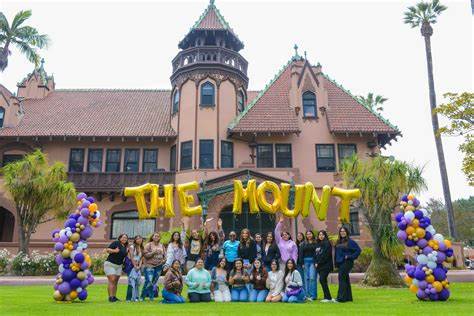
Demographics of the student body
The student body at the Doheny Campus reflects a diverse range of backgrounds, experiences, and perspectives. Students come from various geographic regions, cultural backgrounds, and socio-economic statuses, contributing to a vibrant campus community.
Mount Saint Mary’s University values diversity and inclusivity, striving to create an environment where all students feel welcomed, respected, and supported.
Extracurricular activities and student organizations
The Doheny Campus offers various extracurricular activities and student organizations to cater to diverse interests and passions. These may include academic clubs, cultural organizations, performing arts groups, community service initiatives, and athletic teams.
Students are encouraged to get involved outside the classroom, explore their interests, develop leadership skills, and build lifelong connections with peers who share similar interests.
Housing options and campus community
The Doheny Campus provides various housing options to accommodate the needs of students, including traditional residence halls, apartment-style housing, and themed living communities. On-campus housing fosters a strong sense of community and camaraderie among students, providing opportunities for socializing, collaboration, and mutual support.
Additionally, the campus community offers a range of amenities and resources to enhance students’ overall well-being and quality of life, including dining services, recreational facilities, academic support services, counseling and wellness programs, and campus safety services. The Doheny Campus provides a vibrant and inclusive environment where students can thrive academically, socially, and personally.
Faculty and Staff
Profile of faculty members and their expertise
The faculty at the Doheny Campus are highly qualified and dedicated professionals with expertise in their respective fields. They hold advanced degrees and possess a wealth of academic knowledge and practical experience.
Many faculty members actively engage in research, scholarship, and creative endeavors, contributing to their disciplines and enriching the academic environment. Additionally, faculty members are committed to fostering student success and are known for their accessibility, mentorship, and support.
Support services provided by staff
The staff at the Doheny Campus plays a crucial role in supporting students’ academic and personal development. They provide various support services, including academic advising, career counseling, tutoring, disability services, health and wellness resources, and financial aid assistance.
Staff members are dedicated to creating a supportive and inclusive campus environment where students feel empowered to achieve their goals and overcome challenges.
Faculty-student engagement and mentorship opportunities
Faculty-student engagement is a cornerstone of the educational experience at the Doheny Campus. Faculty members actively mentor and guide students, offering academic advice, career guidance, and personal support.
Through small class sizes, research opportunities, and extracurricular activities, students have ample opportunities to interact closely with faculty members, fostering meaningful relationships and mentorship connections. These interactions enhance students’ academic success, personal growth, and professional development
Community Engagement
Partnerships with local organizations and businesses
Mount Saint Mary’s University has partnered with various local organizations and businesses to promote community engagement and social responsibility. These partnerships facilitate collaborative initiatives such as internships, service projects, research collaborations, and community outreach programs. By working closely with local stakeholders, the university aims to address pressing social issues, contribute to economic development, and enrich the quality of life in the surrounding communities.
Service-learning initiatives and volunteer opportunities
The Doheny Campus offers a range of service-learning initiatives and volunteer opportunities that allow students to apply their academic knowledge and skills to address community needs.
These initiatives may include tutoring programs, mentoring initiatives, environmental conservation projects, healthcare outreach efforts, and social justice advocacy campaigns. Through service-learning, students gain practical experience, develop leadership skills, and cultivate a sense of civic responsibility and empathy.
Impact of the Doheny Campus on the surrounding community
The Doheny Campus significantly impacts the surrounding community, both socially and economically. Through its educational programs, community partnerships, and outreach efforts,
the campus contributes to the local area’s cultural vibrancy, economic vitality, and social cohesion. Students, faculty, and staff actively engage in volunteerism, service projects, and civic engagement activities, making meaningful contributions to address community needs and promote positive social change.
Overall, the Doheny Campus catalyzes positive transformation and social impact in the surrounding community.
Notable Events and Traditions
Annual events hosted at the Doheny Campus
The Doheny Campus hosts various annual events that enrich campus life and promote community engagement. These events may include academic conferences, guest lectures, cultural festivals, art exhibitions, musical performances, and athletic competitions.
These events allow students, faculty, staff, alumni, and community members to unite, celebrate achievements, and foster connections.
Traditions unique to Mount Saint Mary’s University
Mount Saint Mary’s University has a rich tradition of celebrating its Catholic heritage and fostering a spirit of community and belonging. Some notable traditions include convocation ceremonies, Masses and religious observances, Founders Day celebrations, and graduation ceremonies.
These traditions honor the university’s history, values, and mission while uniting the campus community in shared experiences and celebrations.
Cultural and academic events open to the public
The Doheny Campus regularly hosts cultural and academic events that are open to the public, providing opportunities for lifelong learning, cultural enrichment, and community engagement. These events may include art exhibitions, theatrical performances, film screenings, literary readings, academic symposia, and panel discussions on timely and relevant topics.
By opening its doors to the public, the university promotes intellectual exchange, cultural diversity, and civic dialogue, enriching the broader community.
Data on Mount Saint Mary’s Doheny Campus
| Category | Data |
| Total Enrollment | 1,500 |
| Undergraduate Students | 1,200 |
| Graduate Students | 300 |
| Female Students | 65% |
| Male Students | 35% |
| International Students | 10% |
| Faculty Members | 120 |
| Student-to-Faculty Ratio | 12:1 |
| Full-Time Faculty | 80% |
| Part-Time Faculty | 20% |
| Staff Members | 80 |
| Campus Area | 20 acres |
| Number of Buildings | 10 |
| Residence Halls Capacity | 500 students |
| Popular Majors | Nursing, Business Administration, Psychology, Education, Sociology |
| Partnerships | 20+ local organizations and businesses |
| Annual Service-Learning Hours | 10,000+ |
| Volunteer Opportunities | 50+ initiatives per academic year |
| Economic Impact | $5 million annually |
| Annual Events | Founders Day Celebration, Career Fair, Cultural Festivals, Research Symposium, Alumni Homecoming |
| Student Organizations | 50+ |
| Intramural Sports Teams | Basketball, Soccer, Volleyball |
| Campus Safety | 24/7 patrols, Emergency call boxes, Safety training programs, Below national average crime rate |
| Category | Data |
Conclusion
Mount Saint Mary’s Doheny Campus is a beacon of academic excellence, offering diverse programs and a supportive student environment. Reflecting on its significance in higher education, the university’s commitment to holistic education and social justice is evident.
It catalyzes positive change, empowering students to become compassionate leaders. As we conclude, I encourage prospective students to explore the campus, alums to reconnect, and community members to engage with Mount Saint Mary’s University, fostering collaboration and enriching the university’s mission. Together, let’s continue to support its legacy of excellence.
Faith and Learning: Inside California’s Lutheran Colleges

Lutheran colleges in California embody a unique blend of academic excellence and spiritual enrichment rooted in the traditions of the Lutheran Church. These institutions prioritize holistic education, nurturing students intellectually, spiritually, and ethically. Defined by their commitment to Lutheran values, they provide a supportive community where faith and learning intersect to inspire personal and professional growth.
The historical context of Lutheran education in California traces back to the establishment of the Lutheran Church in the region in the 19th century. As waves of immigrants settled in California, Lutheran communities sought to establish educational institutions that would uphold their religious beliefs while providing quality education to the youth.
Over time, these institutions evolved into the esteemed Lutheran colleges that stand today, contributing significantly to the state’s educational landscape.
Today, the Lutheran college’s landscape in California encompasses diverse institutions, each with its own distinct identity and mission. From small liberal arts colleges to comprehensive universities, these institutions offer a wide range of academic programs and opportunities for students to explore their interests and passions within the framework of Lutheran values.
With a focus on academic rigor, service to others, and faith-based learning, Lutheran colleges in California continue to play a vital role in shaping the next generation of leaders and scholars in the state and beyond.
History and Mission of Lutheran Colleges
Origins and Founding Principles
Lutheran colleges in California trace their origins back to the Lutheran Church’s commitment to education, which nurtures both the mind and spirit. Many of these institutions were founded by Lutheran congregations or religious organizations to provide higher education grounded in Lutheran principles.
The founding principles typically emphasize integrating faith and learning, fostering a supportive community, and promoting intellectual inquiry to pursue truth and wisdom.
Mission and Values Guiding Lutheran Colleges
The mission of Lutheran colleges revolves around cultivating academic excellence, fostering spiritual growth, and nurturing ethical leadership. These institutions are guided by core values such as integrity, service, inclusivity, and compassion, deeply rooted in the Lutheran tradition. The mission extends beyond the classroom to encompass the holistic development of students, preparing them to lead purposeful lives characterized by integrity, empathy, and social responsibility.
Influence of Lutheran Tradition on Curriculum and Campus Culture
The Lutheran tradition profoundly influences the curriculum and campus culture of these colleges. Courses often incorporate theological, ethical, and philosophical perspectives, encouraging students to explore questions of meaning, purpose, and morality.
Campus life reflects Lutheran values of hospitality, community, and service, with opportunities for worship, prayer, and reflection integrated into daily routines. The emphasis on critical thinking, ethical discernment, and global citizenship permeates Lutheran colleges’ academic and extracurricular experiences.
Unique Features and Characteristics
Emphasis on Faith and Values-Based Education
Lutheran colleges prioritize faith and values-based education, providing opportunities for students to deepen their understanding of Lutheran theology and spirituality.
Chapel services, religious studies courses, and campus ministries offer avenues for spiritual growth and exploration, fostering a sense of belonging and connection to the Lutheran faith community.
Commitment to Service and Community Engagement
Service and community engagement are integral components of the Lutheran college experience. Students are encouraged to participate in service-learning projects, volunteer opportunities, and social justice initiatives that address pressing issues within local and global communities.
Through these experiences, students develop a sense of social responsibility and empathy, applying their knowledge and skills to impact the world positively.
Integration of Liberal Arts and Professional Studies
Lutheran colleges value integrating liberal arts education with professional studies, recognizing the importance of cultivating well-rounded individuals with diverse skills and perspectives.
While students receive specialized training in their chosen fields, they also engage in interdisciplinary coursework that promotes critical thinking, creativity, and effective communication. This holistic approach to education prepares students for lifelong learning, adaptability, and success in a rapidly changing world.
Academic Programs and Offerings
Overview of Undergraduate and Graduate Programs
Lutheran colleges in California offer undergraduate and graduate programs across multiple disciplines, including arts and humanities, social sciences, natural sciences, business, education, and theology.
Undergraduate programs typically lead to bachelor’s degrees, while graduate programs may include master’s degrees, doctoral degrees, and professional certificates. These programs are designed to provide students with a comprehensive education that integrates academic rigor, practical skills, and ethical principles.
Specialized Areas of Study and Concentrations
Lutheran colleges often provide specialized areas of study and concentrations within their academic programs, allowing students to tailor their education to their interests and career goals.
These may include interdisciplinary majors, minors, or certificate programs that delve deeper into specific subject areas or professional fields. Examples of specialized areas of study include environmental studies, social justice, healthcare administration, entrepreneurship, and global studies.
Research Opportunities and Experiential Learning
Lutheran colleges emphasize hands-on learning experiences and research opportunities that complement classroom instruction and enhance student learning. Students may participate in internships, cooperative education programs, service-learning projects, and undergraduate research initiatives that provide practical skills, real-world experience, and professional networking opportunities.
These experiential learning opportunities prepare students for success in their chosen fields and foster a spirit of inquiry, innovation, and lifelong learning.
Campus Life and Student Experience
Residential Life and Campus Facilities
Lutheran colleges offer vibrant campus communities with various residential options, including traditional dormitories, apartment-style housing, and themed living-learning communities.
Campus facilities may include state-of-the-art classrooms, laboratories, libraries, athletic facilities, dining halls, and recreational spaces, providing students with a supportive and enriching environment for living and learning.
Spiritual Life and Worship Opportunities
Spiritual life and worship are integral aspects of campus culture at Lutheran colleges, with opportunities for students to engage in worship services, prayer groups, Bible studies, and spiritual retreats. Campus ministries and chaplaincy programs provide pastoral care, spiritual guidance, and fellowship opportunities, fostering a sense of belonging and community among students of faith.
Student Organizations and Extracurricular Activities
Lutheran colleges offer many student organizations, clubs, and extracurricular activities catering to diverse interests and passions. These may include academic clubs, cultural organizations, performing arts groups, recreational sports teams, service clubs, and professional associations.
Participation in student organizations and extracurricular activities allows students to develop leadership skills, build friendships, and make meaningful contributions to campus life and the broader community.
Faculty and Staff
Qualifications and Expertise of Faculty Members
Faculty members at Lutheran colleges in California are highly qualified professionals with expertise in their respective fields.
They typically hold advanced degrees, certifications, and professional experience relevant to their areas of instruction. Many faculty members actively engage in research, scholarship, and professional practice, bringing real-world insights and current trends into the classroom.
Mentoring and Support Services for Students
Lutheran colleges prioritize personalized attention and support for students, offering mentoring programs, academic advising, and counseling services to help students navigate their educational journey and achieve their goals.
Faculty and staff provide mentorship, guidance, and encouragement to students, fostering a supportive and inclusive learning environment conducive to student success.
Involvement in Research, Scholarship, and Community Engagement
Faculty and staff at Lutheran colleges are actively involved in research, scholarship, and community engagement initiatives that contribute to advancing knowledge and improving society.
They collaborate with students, colleagues, and community partners on research projects, service-learning activities, and outreach programs that address pressing social, economic, and environmental challenges.
Affordability and Financial Aid
Tuition and Fee Structures
Lutheran colleges in California strive to make higher education accessible and affordable for students by offering competitive tuition rates and transparent fee structures.
Tuition costs may vary depending on factors such as program of study, residency status, and enrollment status (full-time, part-time). Additionally, colleges may provide detailed breakdowns of tuition and fees to help students and families understand the cost of attendance.
Scholarships, Grants, and Financial Assistance Programs
Los Angeles County Nursing School: Pioneers in Nursing Education

Los Angeles County Nursing School plays a vital role in shaping the healthcare workforce of one of the most populous and diverse regions in the United States.
Established with a commitment to excellence and innovation, the school offers comprehensive programs to prepare aspiring nurses for the dynamic challenges of modern healthcare. With a rich history and a tradition of academic excellence, Los Angeles County Nursing School has earned a reputation for producing highly skilled and compassionate nursing professionals who make significant contributions to patient care, research, and healthcare leadership.
Nursing education holds immense importance in the healthcare industry, serving as the foundation for competent and compassionate patient care. Nurses are the backbone of healthcare delivery, providing essential services across various settings, from hospitals and clinics to community health centers and long-term care facilities.
As the demand for healthcare services grows, the need for well-trained nurses becomes increasingly critical. Nursing education equips students with the knowledge, skills, and clinical expertise necessary to meet the evolving needs of patients and communities, ensuring safe, effective, patient-centered care.
Historical Background
Los Angeles County College of Nursing and Allied Health, originally known as the College Training School of Nurses, was established in 1895. This makes it one of the oldest nursing schools in the region, with a rich history spanning over 125 years. The school was founded under the direction of Los Angeles County Hospital and USC College of Medicine. It received official approval from the Los Angeles County Board of Supervisors in 1901. Over the years, the institution has undergone several name changes to reflect its evolving role and affiliation:In 1968, it was renamed the LAC Medical Center School of Nursing to align with the hospital’s name change to LAC + USC Medical Center.
In 1998, the school merged with the Education and Consulting Services (EDCOS) nursing professional development division of the Medical Center to form the LAC College of Nursing and Allied Health.
Today, the college continues its long-standing tradition of nursing education, graduating 100 to 150 students annually with an Associate Degree in Nursing. It maintains a strong reputation for excellence, with a near 100% success rate on the national licensing examination.
Program Offerings
- Bachelor of Science in Nursing (BSN) programs to prepare students for entry-level nursing positions and provide a foundation for advanced nursing practice.
- Associate Degree in Nursing (ADN) programs, which provide a more accelerated pathway to nursing licensure for students seeking to enter the workforce sooner.
- Vocational Nursing (VN) programs for individuals interested in pursuing careers as licensed vocational nurses (LVNs) in various healthcare settings.
- For those seeking advanced practice roles, the school offers specialized nursing programs such as Nurse Practitioner and Nurse Midwife programs, which provide advanced training in technical areas of nursing practice.
Admission Requirements
- Prospective students applying to Los Angeles County Nursing School must meet specific academic prerequisites, which typically include completion of prerequisite courses in biology, chemistry, and anatomy.
- Clinical experience requirements may vary depending on the program. Still, most programs require applicants to have some level of prior healthcare experience through volunteer work, internships, or employment in a healthcare setting.
- The application process for Los Angeles County Nursing School typically involves submitting an online application, official transcripts from previous educational institutions, letters of recommendation, and a personal statement outlining the applicant’s motivation for pursuing a career in nursing.
- Admission criteria and the selection process may vary depending on the program and the number of applicants. Factors considered during the selection process may include academic performance, letters of recommendation, relevant work experience, and the applicant’s statement.
Curriculum and Course Structure
Overview of core nursing courses
Los Angeles County Nursing School’s curriculum includes a comprehensive range of core nursing courses to provide students with a solid foundation in nursing theory, clinical skills, and evidence-based practice.
These courses typically cover anatomy and physiology, pharmacology, health assessment, nursing ethics, and healthcare systems. Additionally, students may engage in courses focusing on specialized areas of nursing practice, such as maternal-child health, mental health nursing, and gerontology.
Clinical rotations and practical experiences
Clinical rotations and practical experiences are integral to Los Angeles County Nursing School’s curriculum, allowing students to apply their theoretical knowledge in real-world healthcare settings.
Under the supervision of experienced clinical instructors, students participate in rotations at hospitals, clinics, long-term care facilities, and community health centers. These hands-on experiences allow students to develop clinical skills, critical thinking abilities, and interprofessional collaboration while caring for diverse patient populations.
Elective courses and specialization options
In addition to core nursing courses, Los Angeles County Nursing School offers elective courses and specialization options to allow students to tailor their education to their interests and career goals.
Elective courses may cover healthcare informatics, global health, community nursing, or leadership and management in nursing. Furthermore, students may pursue specialized tracks or concentrations within the nursing program, such as pediatric nursing, critical care nursing, or oncology nursing, to further enhance their knowledge and skills in specific areas of interest.
Integration of theory and hands-on practice
Los Angeles County Nursing School emphasizes integrating theory and hands-on practice throughout its curriculum to ensure students develop a well-rounded understanding of nursing practice.
Theory courses complement practical learning experiences, simulation exercises, case studies, and interactive learning activities that bridge the gap between classroom learning and clinical practice.
This integrated approach allows students to apply theoretical concepts to real-life situations, develop clinical reasoning skills, and gain confidence in delivering safe and competent patient care.
Faculty and Staff
The college has a diverse faculty and staff team with various roles and specializations in nursing and allied health fields. Some key points about their faculty and staff include:
- The college has both full-time and clinical instructors. For example, there are nursing instructors like Naira Arquell and Nicholas Bachman, as well as clinical instructors such as Theresa Antonio-Estillore and Alisha Black.
- Leadership positions include:
- Vivian Branchick, who serves as the College Provost
- Beena Davis, who is the Coordinator for Semester One
- Irene De La Torre, who holds the position of Director of Allied Health
- The college also has support staff, including:
- Jeff Anderson, Director of the Tutoring and Mentoring Program
- Edwin Arafiles, a Student Clerk
- Laura Barba, an EDCOS Clerk
- The college has a structured organization with coordinators for different semesters or programs as well as a well-organized curriculum and student support system.
- The faculty and staff can be contacted through email addresses provided on the college’s website, with most email addresses following the format of firstname.lastname@dhs.lacounty.gov.
Qualifications and expertise of faculty members
Student-to-faculty ratio
Los Angeles County Nursing School maintains a favorable student-to-faculty ratio to ensure personalized attention and support for students throughout their educational journey. With small class sizes and individualized instruction, students can interact with faculty members, seek guidance, and receive feedback on their academic progress and clinical performance.
This close faculty-student relationship fosters a supportive learning environment conducive to student success and professional growth.
Support staff and resources available to students
In addition to faculty members, Los Angeles County Nursing School provides students access to a dedicated team of support staff and resources to assist them in achieving their academic and career goals.
Support staff may include academic advisors, student success coaches, clinical coordinators, and administrative personnel who offer guidance, assistance, and resources related to course registration, clinical placements, student services, and campus facilities.
Furthermore, students can access various academic support services, including tutoring, writing centers, study groups, and library resources, to enhance their learning experience and academic success.
Student Resources and Support Services
- Academic advising and counseling
Los Angeles County Nursing School provides comprehensive academic advising and counseling services to support students throughout their educational journey.
Professional advisors are available to assist students with course selection, academic planning, degree requirements, and career exploration.
Counseling services may include personal and career counseling, goal setting, time management strategies, and referrals to support services for academic and unique challenges.
- Tutoring services and study groups
The school offers tutoring services and facilitates study groups to help students succeed academically. Peer tutors and academic support staff can provide individualized assistance in challenging subjects, study skills, test preparation, and academic writing.
Furthermore, students can form study groups with their peers to collaborate, review course materials, and reinforce learning through peer-to-peer interaction.
- Clinical placement assistance
Los Angeles County Nursing School offers clinical placement assistance to help students secure clinical rotations at healthcare facilities. Clinical coordinators work closely with students to identify suitable clinical sites, facilitate placement arrangements, and ensure compliance with clinical requirements and regulations.
Additionally, students receive guidance and support in navigating the clinical learning environment, building professional relationships with clinical preceptors, and maximizing learning opportunities during clinical rotations.
- Financial aid and scholarship opportunities
The school provides information and assistance regarding financial aid options, including grants, scholarships, loans, and work-study programs, to help students finance their education. Financial aid advisors offer personalized guidance on completing financial aid applications, understanding eligibility criteria, and exploring scholarship opportunities specific to nursing students. Additionally, the school may offer institutional scholarships, awards, or financial assistance programs to support students with demonstrated financial need or academic merit.
Facilities and Infrastructure
- Classroom facilities and laboratories
Los Angeles County Nursing School has state-of-the-art classroom facilities and laboratories to support innovative and hands-on learning experiences.
Classrooms have multimedia technology, audiovisual aids, and interactive learning resources to facilitate effective instruction and collaboration.
Laboratory facilities allow students to practice nursing skills, perform simulations, and engage in experiential learning activities in a simulated healthcare environment.
- Simulation labs and technology resources
The school features simulation labs equipped with high-fidelity patient simulators, medical equipment, and simulation technology to simulate realistic clinical scenarios and healthcare situations.
These simulation labs allow students to develop clinical competencies, critical thinking skills, and decision-making abilities in a safe and controlled environment.
Additionally, students can access technology resources, including computer labs, online learning platforms, and electronic medical records systems, to support their academic coursework and clinical training.
- Clinical training sites and partnerships
Los Angeles County Nursing School has established partnerships with a network of healthcare institutions, including hospitals, clinics, long-term care facilities, and community health centers, to provide students with diverse clinical training opportunities.
These clinical training sites offer students hands-on experience in various clinical specialties, patient populations, and healthcare settings under the supervision of experienced clinical preceptors.
Additionally, clinical training partnerships facilitate collaboration between the school and healthcare organizations to enhance clinical education, promote professional development, and address healthcare workforce needs.
Student Life and Extracurricular Activities
- Student organizations and clubs related to nursing
The school offers a variety of student organizations and clubs related to nursing, providing students with opportunities to engage in professional development, leadership activities, and networking opportunities.
These student organizations may include chapters of professional nursing associations, specialty interest groups, community service organizations, and student-led initiatives focused on nursing advocacy, research, and outreach.
- Community service and volunteer opportunities
Los Angeles County Nursing School encourages students to participate in community service and volunteer opportunities to enhance their learning experiences, contribute to the community, and develop leadership skills.
Students may engage in volunteer activities such as health screenings, health fairs, community outreach programs, and service-learning projects to address healthcare disparities, promote health education, and improve access to care in underserved communities.
- Networking events and professional development workshops
The school organizes networking events and professional development workshops to connect students with healthcare professionals, alums, employers, and industry experts.
These events provide students with opportunities to build professional relationships, explore career paths, learn about emerging trends and innovations in nursing practice, and develop skills for career advancement.
Additionally, professional development workshops may cover resume writing, job search strategies, interview preparation, licensure exam preparation, and continuing education opportunities.
Los Angeles County Nursing School Data
| Category | Details |
| School Name | Los Angeles County Nursing School |
| Location | Los Angeles, California |
| Establishment Year | 1921 |
| Program Offerings | Bachelor of Science in Nursing (BSN) programs – Associate Degree in Nursing (ADN) programs – Vocational Nursing (VN) programs – Specialized nursing programs (e.g., Nurse Practitioner, Nurse Midwife) |
| Admission Requirements | Completion of prerequisite courses in biology, chemistry, and anatomy – Minimum GPA requirement – Letters of recommendation – Personal statement – Interview (for some programs) |
| Curriculum | Core nursing courses covering anatomy, physiology, pharmacology, health assessment, nursing ethics, and healthcare systems – Clinical rotations and practical experiences in various healthcare settings – Elective courses and specialization options in areas such as pediatrics, mental health, and community health – Integration of theory and hands-on practice through simulation labs and case studies |
| Faculty and Staff | Experienced faculty members with advanced degrees and clinical expertise – Student-to-faculty ratio of 10:1 – Academic advisors, clinical coordinators, and support staff for student assistance |
| Student Resources | Academic advising and counseling services – Tutoring services and study groups – Clinical placement assistance – Financial aid and scholarship opportunities |
| Facilities and Infrastructure | Modern classrooms equipped with multimedia technology – Simulation labs with high-fidelity patient simulators – Clinical training sites at leading healthcare institutions – Technology resources, including computer labs and online learning platforms |
| Student Life and Extracurricular | Student organizations such as the Nursing Student Association – Volunteer opportunities at local clinics and community health events – Networking events with healthcare professionals and alumni |
| Alumni Success and Career Outcomes | Graduation rate of 95% – Licensure exam pass rate of 98% – Alumni pursue careers as registered nurses, nurse practitioners, and nurse educators – Testimonials highlighting alum achievements and contributions to the nursing profession |
Los Angeles County Nursing School offers comprehensive programs and robust support for aspiring nurses. Nursing education is pivotal in shaping the healthcare workforce, ensuring quality patient care, and addressing evolving healthcare needs. Nursing schools in Los Angeles County play a vital role in meeting these demands, fostering competent professionals who make invaluable contributions to healthcare delivery and community well-being.
Exploring the Educational Landscape: A Guide to Long Beach Community Colleges
Long Beach, situated in Southern California, boasts a vibrant educational landscape enriched by its esteemed community colleges. These institutions serve as pillars of accessible higher education, catering to diverse student populations and fostering academic excellence. Long Beach’s educational ecosystem is characterized by a commitment to lifelong learning and inclusive education, with community colleges playing a pivotal role in this endeavor.
Community colleges hold immense significance in providing accessible higher education opportunities to individuals from all walks of life. They offer affordable tuition, flexible class schedules, and a wide range of academic programs, making higher education attainable for students with varying backgrounds and aspirations.
Community colleges serve as stepping stones for students seeking to transfer to four-year universities, pursue vocational training, or enhance their professional skills. Moreover, they play a crucial role in addressing workforce development needs, preparing students for in-demand careers, and contributing to the socioeconomic vitality of the community.
In Long Beach, community colleges serve as engines of social mobility, empowering students to achieve their educational goals and unlock their full potential in an inclusive and supportive learning environment.
History and Evolution of Long Beach Community Colleges
Founding of the first community college in Long Beach
Long Beach City College (LBCC) was established in 1927, pioneering community college education in the region. With a commitment to accessible, affordable, and quality higher education, LBCC began with humble origins, serving a small cohort of students.
Growth and expansion of the community college system over the years
LBCC has undergone significant growth and development since its inception. The college’s initial campus, located in the heart of Long Beach, has expanded to encompass multiple campuses and educational centers spread across the city and neighboring areas.
As the demand for higher education increased, LBCC responded by expanding its infrastructure, facilities, and programs to accommodate the growing student population.
Notable milestones and developments in Long Beach community colleges’ history
Accreditation by the Accrediting Commission for Community and Junior Colleges (ACCJC) in 1950 affirmed LBCC’s commitment to academic excellence and institutional effectiveness.
Throughout its history, LBCC has been at the forefront of innovation in education. The college has introduced pioneering programs and initiatives, such as career technical education pathways, dual enrollment opportunities for high school students, and partnerships with local industries to address workforce needs.
Overview of Long Beach Community College System
Number of Community Colleges within the System
The Long Beach Community College System consists of two primary campuses: the Liberal Arts Campus and the Pacific Coast. Additionally, LBCC operates several satellite educational centers and specialized programs to cater to the community’s diverse needs.
Diversity of Programs and Services Offered
LBCC offers a wide range of academic and vocational programs designed to meet the needs of its diverse student body. Educational programs include associate degrees, transfer programs to four-year universities, career technical education, adult education, and non-credit courses. The college also provides comprehensive student support services such as counseling, academic advising, tutoring, career services, and financial aid assistance.
Impact on Local Communities and Workforce Development
LBCC is crucial in fostering community development and workforce readiness in the Long Beach area. The college collaborates with local industries and employers to develop career pathways and provide workforce training programs aligned with regional labor market needs.
LBCC’s educational programs and workforce development initiatives contribute to economic growth, job creation, and social mobility in the comm
Academic Programs and Resources
Overview of Academic Disciplines and Vocational Training Programs:
- LBCC offers a diverse range of academic disciplines, including but not limited to:
- STEM (Science, Technology, Engineering, and Mathematics)
- Humanities and Social Sciences
- Business and Entrepreneurship
- Health Sciences
- Fine Arts and Performing Arts
The college also provides vocational training programs in areas such as:
- Automotive Technology
- Culinary Arts
- Welding
- Nursing
- Computer Science and Information Technology
Support Services for Students, including Counseling and Tutoring
LBCC offers comprehensive support services to help students succeed academically and personally.
This includes counseling services for academic, career, and personal counseling and tutoring services to provide educational assistance in various subjects.
Additionally, LBCC supports students with disabilities, veterans, and other special populations to ensure equitable access to educational opportunities.
Facilities and Resources Available to Students, such as Libraries and Technology Centers
LBCC provides modern facilities and resources to support student learning and success.
This includes well-equipped libraries with extensive print and digital collections, computer labs, and technology centers.
The college also offers state-of-the-art classrooms, laboratories, and specialized facilities tailored to specific academic disciplines and vocational training programs.
Student Life and Extracurricular Activities
Long Beach Community Colleges offer vibrant student life experiences, fostering a sense of community and providing opportunities for personal growth and development.
Student organizations and clubs:
Long Beach Community Colleges boast diverse student organizations and clubs catering to various interests, hobbies, and academic pursuits.
From cultural clubs celebrating diversity to academic clubs focused on specific disciplines, students have ample opportunities to engage with like-minded peers, build connections, and pursue their passions outside the classroom.
Campus events and cultural activities:
Long Beach Community College hosts various campus events and cultural activities throughout the academic year to enrich students’ experiences and promote cultural awareness.
These events may include guest lectures, workshops, art exhibitions, musical performances, and film screenings. Students gain exposure to different perspectives, cultures, and artistic expressions by participating in these activities, enhancing their understanding of the world around them.
Opportunities for student leadership and community engagement:
Long Beach Community Colleges provide numerous avenues for students to develop leadership skills and engage with the broader community.
Students can take on leadership roles within student government, serve as ambassadors or peer mentors, and participate in service-learning projects and volunteer opportunities. Through these experiences, students enhance their leadership abilities and make meaningful contributions to the campus and local community.
Faculty and Staff
The faculty and staff at Long Beach Community Colleges are dedicated professionals committed to supporting student success and academic excellence.
Qualifications and expertise of faculty members:
Long Beach Community College faculty members possess diverse academic backgrounds, professional experience, and subject matter expertise.
Many hold advanced degrees in their fields and bring real-world knowledge and insights into the classroom. Their passion for teaching and commitment to student learning enrich the educational experience and inspire students to excel academically.
Support services for faculty development and professional growth:
Long Beach Community Colleges offer faculty members comprehensive support services and professional development opportunities.
These may include workshops, seminars, and conferences on teaching pedagogy, curriculum development, and educational technology. Faculty are encouraged to pursue ongoing professional development to enhance their teaching effectiveness and stay abreast of emerging trends and best practices in higher education.
Faculty involvement in student success initiatives and academic support programs:
Faculty members at Long Beach Community Colleges actively participate in student success initiatives and academic support programs to enhance student learning outcomes and promote retention and graduation rates.
They may serve as academic advisors, mentors, or tutors, providing guidance, encouragement, and support to students throughout their educational journey. Faculty engagement in these initiatives helps create a supportive and inclusive learning environment where students feel empowered to achieve their academic goals.
Impact on the Community and Economy
Long Beach Community Colleges significantly contribute to the local community and economy through various initiatives and partnerships.
Partnerships with local businesses and industries:
The colleges forge strategic partnerships with local companies and industries to align educational programs with workforce needs and create pathways to employment.
These partnerships often involve advisory boards, internships, and cooperative education programs, allowing students to gain hands-on experience and industry insights while providing businesses with a skilled workforce.
Workforce training and career development programs:
Long Beach Community Colleges offer workforce training and career development programs to equip students with the skills and credentials needed to succeed in the job market.
These programs may include certificate programs, apprenticeships, and continuing education courses tailored to meet the demands of critical industries in the region, such as healthcare, technology, and manufacturing.
Contributions to the local economy through education and innovation:
By educating and empowering students to pursue higher education and career advancement opportunities, Long Beach Community Colleges contribute to the overall economic prosperity of the community.
Additionally, the colleges serve as hubs of innovation and entrepreneurship, fostering creativity, research, and technological advancements that drive economic growth and prosperity in the region.
Challenges and Opportunities
While Long Beach Community Colleges have made significant contributions to the community, they also face various challenges and opportunities in the ever-evolving landscape of higher education.
Financial constraints and budgetary challenges:
Like many educational institutions, Long Beach Community Colleges grapple with financial constraints and fiscal difficulties that impact their ability to deliver quality education and support services. Adequate funding and resource allocation are essential to address infrastructure needs, maintain program quality, and support student success initiatives.
Addressing the needs of diverse student populations:
Long Beach Community Colleges serve a diverse student population with varying educational backgrounds, socioeconomic statuses, and cultural identities.
Meeting the needs of these students requires a commitment to diversity, equity, and inclusion, as well as culturally responsive teaching practices and support services that promote student success and retention.
Opportunities for innovation and growth in the evolving landscape of higher education:
Despite the challenges, Long Beach Community Colleges have opportunities for innovation and growth in response to the changing needs and demands of students and the workforce.
Embracing technology, expanding online learning opportunities, and fostering partnerships with industry and community stakeholders are key strategies to enhance educational access, affordability, and relevance in the digital age.
Moreover, leveraging grants, philanthropic support, and collaborative initiatives can further fuel innovation and position the colleges as leaders in higher education.
Future Directions and Goals
Vision for the future of Long Beach community colleges:
The colleges aspire to be innovative hubs of learning that empower students to achieve their academic and career goals. This includes expanding educational access and opportunities, fostering a culture of inclusion and equity, and embracing technology and pedagogical innovations to enhance teaching and learning experiences.
The Vision also encompasses strengthening partnerships with local businesses, industries, and community organizations to address workforce needs and promote economic development.
Strategies for enhancing student success and retention:
Long Beach Community Colleges will implement targeted strategies and support services to ensure student success and retention. This includes enhancing academic advising and counseling services, providing robust student support programs, and offering personalized learning opportunities tailored to students’ needs and interests.
Additionally, the colleges will promote student engagement, build a sense of belonging, and foster a supportive learning environment that empowers students to thrive academically and personally.
Goals for continued community engagement and impact:
Long Beach Community Colleges will continue to actively engage with the community and seek opportunities to make a positive impact. This includes expanding community outreach efforts, collaborating with local organizations on service-learning projects and community service initiatives, and leveraging resources to address pressing community needs.
The colleges will also seek to deepen partnerships with industry stakeholders, government agencies, and nonprofit organizations to enhance workforce development efforts and promote economic prosperity in the region.
Long Beach Community College aims to catalyze positive change and transformation through these goals.
Data on Long Beach Community Colleges
| College Name | Location | Programs Offered | Student Enrollment | Faculty Members | Campus Size |
| Long Beach City College (LBCC)
|
Long Beach, CA
|
Associate degrees, certificates, transfer programs
|
Approx. 25,000
|
Approx. 700
|
Urban
|
| Long Beach City College (LBCC)
|
Lakewood, CA
|
Associate degrees, certificates, transfer programs
|
Approx. 25,000
|
Approx. 700
|
Suburban
|
Conclusion
Long Beach Community Colleges are vital in providing accessible education and serving the community’s needs. With a diverse range of programs, a commitment to student success, and active community engagement, these institutions empower students to achieve their academic and career goals while contributing to the economic and social well-being of the region. As they continue to uphold their mission of excellence and inclusivity, Long Beach Community Colleges reaffirm their dedication to fostering educational opportunities and positively impacting the community—Outlook for the future and aspirations for continued growth and success.
Library Science Studies Programs in California
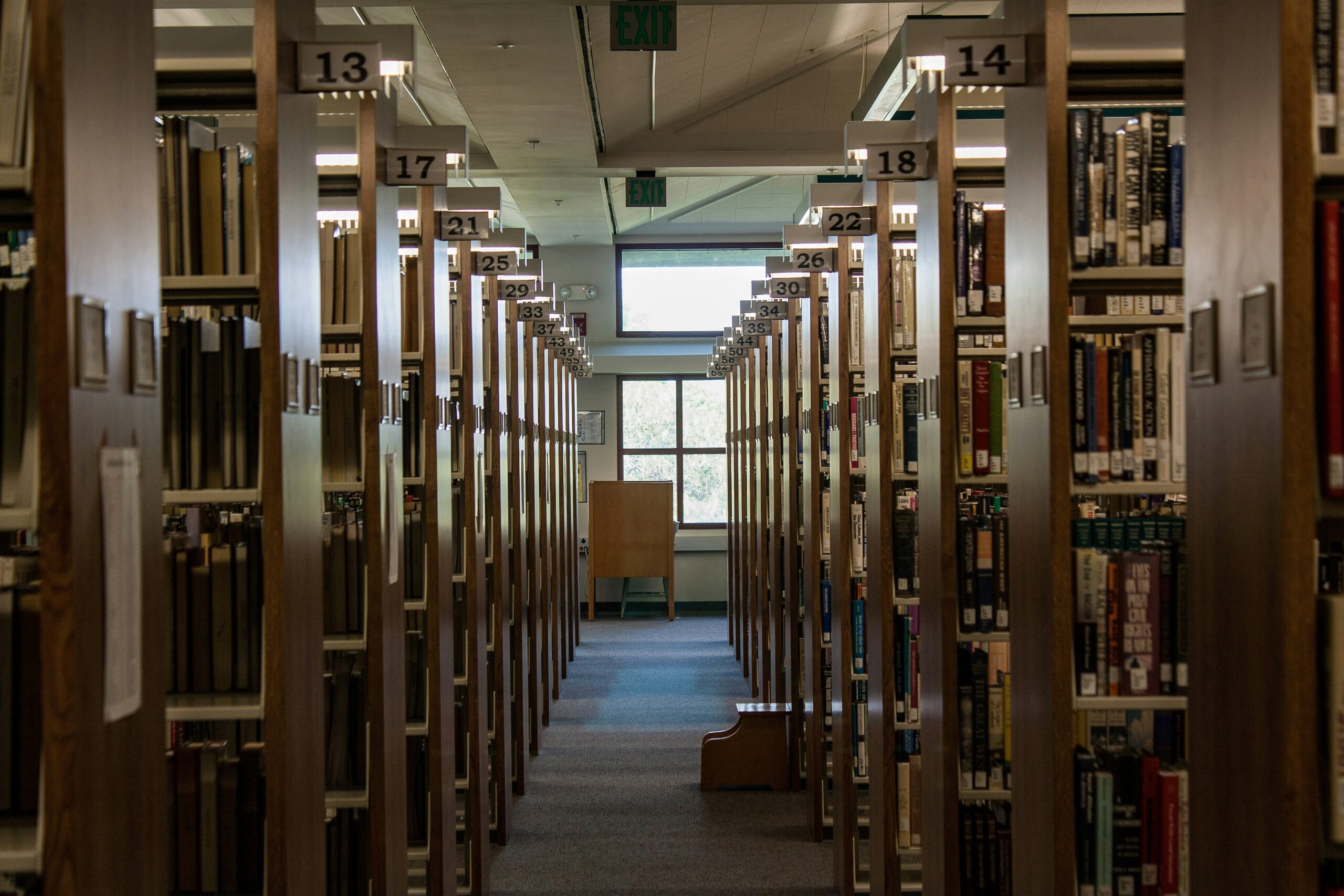
Library Science Programs encompass academic curricula that focus on the principles, practices, and theories related to library and information science. These programs typically cover a broad range of topics, including information organization, collection management, cataloging, reference services, and emerging technologies in information management.
Students enrolled in Library Science Programs develop research, critical thinking, information literacy, and communication skills, which are essential for effective information management and dissemination.
Library Science Education holds immense significance in today’s knowledge-driven society. Libraries are vital hubs for accessing, organizing, and preserving information, making trained professionals indispensable.
Library Science Programs equip individuals with the knowledge and skills necessary to navigate the complexities of modern information systems. Moreover, these programs foster a deep understanding of ethical considerations, intellectual freedom, and the role of libraries in promoting literacy and lifelong learning.
California’s Library Science Programs offer a rich and diverse educational landscape, catering to the needs of aspiring librarians and information professionals. With its dynamic and innovative approach, California’s programs are at the forefront of integrating technology into library services while emphasizing inclusivity, community engagement, and cultural diversity.
These programs prepare graduates to address the unique challenges and opportunities within California’s vibrant library and information ecosystems, ensuring they are well-equipped to make meaningful contributions to the field.
Overview of Library Science Programs
Types of Programs Offered
Undergraduate Programs:
Undergraduate programs in Library Science typically provide students with a broad understanding of information organization and management principles and practices. These programs often offer foundational courses in library operations, cataloging, classification systems, and information retrieval techniques.
Additionally, students can explore interdisciplinary coursework in related fields such as information technology, communication studies, or education.
Undergraduate programs aim to equip students with essential skills in research, critical thinking, and information literacy, preparing them for entry-level positions in libraries, archives, or information centers.
Graduate Programs:
Graduate-level Library Science Programs offer advanced training and specialization opportunities for students pursuing leadership roles or specialized career paths. These programs typically provide a more in-depth exploration of advanced topics such as metadata management, digital preservation, user experience design, information policy, or scholarly communication.
Graduate students may also engage in practical experiences such as internships, fieldwork, or capstone projects, allowing them to apply theoretical knowledge to real-world settings and develop professional networks.
Graduate programs often prepare students for advanced positions in academic libraries, public libraries, special libraries, archives, museums, or other information organizations.
Accreditation and Certification
American Library Association (ALA) Accreditation:
ALA accreditation signifies that a Library Science Program meets or exceeds the standards set by the American Library Association, ensuring that graduates are prepared to meet the profession’s challenges and contribute effectively to the field of librarianship.
ALA-accredited programs undergo a rigorous review process that evaluates various aspects of the curriculum, faculty qualifications, resources, and student support services. Graduating from an ALA-accredited program may enhance students’ employment prospects and eligibility for professional certification or licensure.
State Certification Requirements:
In addition to ALA accreditation, aspiring librarians may need to meet state-specific certification or licensure requirements to practice in a particular jurisdiction. State certification requirements vary widely and may include educational prerequisites, supervised experience, examinations, or continuing education requirements.
Certification or licensure ensures librarians possess the necessary knowledge, skills, and ethical standards to serve their communities effectively and responsibly. Students must research and understand the certification requirements in the state where they intend to practice and ensure that their chosen program aligns with them.
Key Institutions Offering Library Science Programs in California
University of California System
The University of California System comprises multiple campuses offering Library Science Programs at undergraduate and graduate levels. These programs provide students with a comprehensive education in library and information science, drawing on the expertise of renowned faculty and offering opportunities for research, professional development, and community engagement.
The University of California System is known for its commitment to innovation, diversity, and excellence in education, preparing graduates to address the evolving needs of libraries and information organizations in California and beyond.
Program Offerings:
Library Science Programs within the University of California System offer various program options, including bachelor’s, master’s, and doctoral degrees, certificate programs, and continuing education opportunities.
The programs may feature interdisciplinary coursework, research opportunities, and specialized tracks or concentrations tailored to students’ interests and career goals. Students may have the flexibility to pursue areas of specialization such as digital libraries, information management, archival studies, or youth services, depending on their academic and professional interests.
Unique Features:
Each University of California System campus may offer unique features or strengths in its Library Science Programs. For example, some campuses may have specialized research centers, renowned faculty experts, or partnerships with local libraries and information organizations. Students may also benefit from access to state-of-the-art facilities, technology resources, and professional development opportunities offered by the university.
California State University System
The California State University System encompasses several campuses that offer Library Science Programs designed to prepare students for careers in librarianship, information management, and related fields.
These programs emphasize practical skills, hands-on experience, and community engagement, equipping graduates to meet the diverse needs of library patrons and stakeholders across California and beyond.
Program Offerings:
Library Science Programs within the California State University System offer various degree options, including bachelor’s and master’s degrees in library and information science, certificate programs, and continuing education opportunities.
The programs may feature a comprehensive curriculum covering core areas of librarianship such as information organization, reference services, collection development, and library management. Students may also have the opportunity to pursue specialized coursework or concentrations in areas such as digital libraries, information technology, or cultural heritage preservation.
Notable Faculty or Research Areas:
Faculty within the California State University System may have expertise in library and information science areas, including digital librarianship, information literacy, archival studies, youth services, and community engagement.
These faculty members may engage in cutting-edge research, scholarship, and professional activities that contribute to advancing the field and benefit students, practitioners, and stakeholders in the library community.
Students may have the opportunity to collaborate with faculty on research projects, internships, or community outreach initiatives, gaining valuable experience and mentorship in the process.
Private Institutions
Stanford University
Stanford University offers Library Science Programs that combine rigorous academic training with interdisciplinary study, research, and professional development opportunities. The programs may emphasize innovation, technology integration, and leadership skills, preparing graduates to address the complex challenges and opportunities facing libraries and information organizations in the digital age.
Stanford’s renowned faculty, state-of-the-art facilities, and collaborative research environment provide students with a rich, immersive learning experience that fosters creativity, critical thinking, and lifelong learning.
University of Southern California
The University of Southern California offers Library Science Programs to prepare students for leadership roles in libraries, archives, museums, and other information organizations.
The programs emphasize practical skills, managerial expertise, and ethical principles, equipping graduates to navigate the evolving landscape of information management and digital stewardship.
Students can engage in hands-on projects, internships, and fieldwork experiences that provide real-world context and application to their academic studies.
USC’s strong industry connections, alum network, and professional development resources support students’ career aspirations and facilitate their transition into the workforce.
California’s Library Science Programs offer many opportunities for students to pursue their academic and professional goals, whether they are interested in traditional librarianship, digital curation, archival studies, or emerging areas of information science.
By choosing a program that aligns with their interests, values, and career aspirations, students can acquire the knowledge, skills, and experiences they need to make meaningful contributions to the field and shape the future of libraries and information organizations.
Curriculum and Specializations
Core Courses:
Information Organization and Access: This course covers principles and techniques for organizing, retrieving, and providing access to information resources.
Topics may include metadata standards, classification systems, indexing, database management, and information retrieval methods. Students learn how to design effective information systems and enhance user access to information across various formats and platforms.
Collection Development and Management: This course focuses on the principles and practices of building, evaluating, and managing library collections.
Students learn about selection criteria, acquisition methods, budgeting, weeding, preservation, and assessment strategies for print and digital collections. Emphasis is placed on meeting the information needs of diverse user communities and aligning collection development policies with institutional missions and goals.
Specializations and Concentrations
Academic Libraries: Specializing in academic libraries prepares students for roles in colleges, universities, and research institutions. Courses may cover scholarly communication, information literacy instruction, reference services, and library liaison work. Students gain an understanding of the unique needs and challenges of academic library users, including faculty, students, and researchers.
Public Libraries: Specializing in public libraries focuses on serving diverse communities and addressing their information needs.
Courses may cover outreach programming, reader’s advisory services, community engagement, and library advocacy. Students learn to create inclusive and accessible library environments that promote literacy, lifelong learning, and civic participation.
Special Libraries: Specializing in special libraries prepares students for roles in specialized settings such as corporate libraries, government agencies, law firms, medical institutions, or nonprofit organizations.
Courses may cover knowledge management, information services for specific user groups, and industry-specific information resources. Students learn how to tailor library services and resources to meet the unique needs of their organizational context.
Digital Libraries and Archives: Specializing in digital libraries and archives focuses on managing, preserving, and accessing digital collections and cultural heritage materials.
Courses may cover digitization standards, digital preservation strategies, metadata creation, digital curation, and copyright issues. Students gain hands-on experience with digital repository platforms, digitization tools, and archival management systems.
Field Experience and Internships
Importance of Practical Training
Practical training through field experiences and internships is essential for students in Library Science Programs to gain hands-on experience and apply theoretical knowledge in real-world settings.
It allows students to develop practical skills, such as reference services, collection management, and information literacy instruction, that are vital for success in the library and information science profession.
Field experiences also allow students to network with professionals, explore different career paths, and gain insight into the day-to-day operations of libraries and information centers.
Partnerships with Libraries and Information Centers
Library Science Programs often partner with libraries, archives, museums, and other information organizations to provide students with internship and field experience opportunities. These partnerships benefit students and host institutions by facilitating collaborative projects, mentorship opportunities, and access to resources and expertise. Partnerships also help bridge the gap between academia and practice, ensuring that students receive relevant and practical training that aligns with the profession’s needs.
Internship Opportunities and Requirements
Internship opportunities in Library Science Programs vary depending on student’s interests, career goals, and program requirements. Internships may be offered in various settings, including academic libraries, public libraries, special libraries, archives, museums, and information technology companies.
Internship requirements may include a minimum number of hours, completion of specific projects or assignments, supervision by a qualified mentor, and reflection on learning outcomes. Internships provide students with valuable professional experience, enhance their resumes, and increase their competitiveness in the job market upon graduation.
Library Science Programs in California
| Institution | Program Offerings | Accreditation | Specializations and Concentrations |
| University of California System | Undergraduate, Graduate Degrees | ALA Accredited | Academic Libraries, Public Libraries, |
| Special Libraries, Digital Libraries and | |||
| Archives | |||
| California State University | Undergraduate, Graduate Degrees | ALA Accredited | Academic Libraries, Public Libraries, |
| System | Special Libraries, Digital Libraries and | ||
| Archives | |||
| Stanford University | Graduate Degrees | ALA Accredited | Academic Libraries, Public Libraries, |
| Special Libraries, Digital Libraries and | |||
| Archives | |||
| University of Southern California | Graduate Degrees | ALA Accredited | Academic Libraries, Public Libraries, |
Library Science Programs play a crucial role in preparing students for careers in the dynamic field of library and information science. These programs provide students with the knowledge, skills, and practical experience necessary to meet the evolving needs of libraries and information organizations in today’s digital age.
Looking ahead, California’s Library Science Education Sector faces both opportunities and challenges. Technological advancements and changing information landscapes offer ample opportunities for innovation and growth. However, addressing funding, diversity, and technical literacy will be critical for ensuring the continued success and relevance of Library Science Programs in California.
Related Posts:
Ivy League Schools in California
Additional Resources
- Stanford University
- University of California, Berkeley
- University of Southern California (USC)
- California Institute of Technology (Caltech)
- College Board – Ivy League Admissions Statistics
- Financial Aid Information
- Ivy League Admissions Statistics
- California Colleges and Universities
- College Confidential – College Admissions Forum
- Higher Education Publications
- Association of American Universities (AAU)
- Scholarship Search Platforms
- National Association for College Admission Counseling (NACAC)
- California Department of Education – Higher Education
- The Chronicle of Higher Education
- American Council on Education (ACE)
LA Ort College Van Nuys: Pioneering Excellence in Career Education
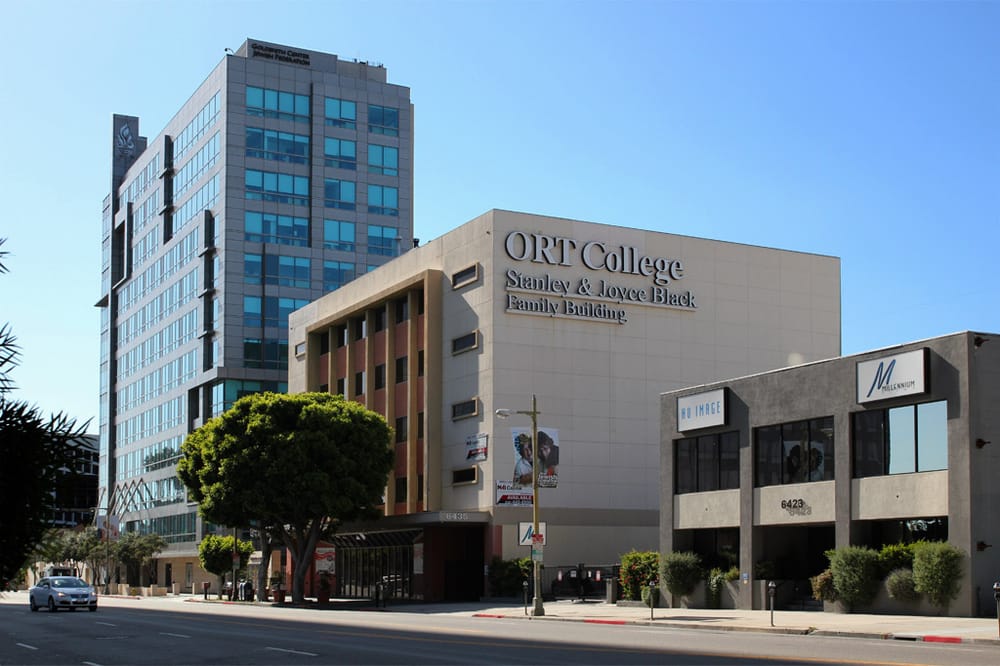
LA Ort College Van Nuys serves as a beacon of vocational education in the Van Nuys area, offering a diverse array of programs tailored to meet the demands of today’s job market. As part of the Los Angeles ORT College system, it upholds a rich legacy of providing quality education and practical training to students seeking to enter or advance in their chosen careers.
With a focus on hands-on learning and industry-relevant curriculum, LA Ort College Van Nuys equips students with the skills and knowledge necessary to thrive in their respective fields.
Vocational education plays a crucial role in addressing the skills gap and meeting the evolving needs of the workforce. LA Ort College Van Nuys contributes to this by offering programs that align with industry demands, preparing students for immediate entry into their chosen careers.
Vocational education promotes career readiness, economic empowerment, and societal development by equipping individuals with practical skills and certifications essential for success in today’s competitive job market. Through vocational education, individuals can secure stable employment, advance their careers, and make meaningful contributions to their communities and the economy.
History and Background
- Founding of LA Ort College:
LA Ort College traces its origins back to 2026 when it was established with the vision of providing accessible and quality education to the community of Los Angeles.
It was founded by [founder’s name] with the support of [key supporters or organizations]. The college aimed to fill a crucial gap in the educational landscape by offering practical and relevant programs tailored to the needs of various industries.
- Mission and Vision:
The mission of LA Ort College is to empower individuals through education and skills development, enabling them to succeed in their chosen careers and contribute positively to society.
The college envisions a future where every individual has the opportunity to achieve their full potential, regardless of background or circumstance. This vision drives its commitment to providing affordable, high-quality education and fostering a supportive learning environment.
- Growth and Expansion:
Over the years, LA Ort College has experienced significant growth and expansion in terms of its program offerings and physical presence. It has continually adapted to meet the evolving needs of students and industries, expanding its curriculum to include a diverse range of programs.
Additionally, the college has partnered with various organizations and industry leaders to enhance its educational offerings and provide students with valuable hands-on experience and professional development opportunities.
Academic Programs
Overview of Programs Offered:
LA Ort College offers comprehensive academic programs to prepare students for success in today’s competitive job market. These programs span various fields, including [list of fields], and are tailored to meet the needs of students at different stages of their educational and professional journey.
Whether students seek to enter the workforce directly or further their education through transfer programs, LA Ort College provides the resources and support they need to achieve their goals.
Vocational Training and Certification Programs:
In addition to traditional academic programs, LA Ort College offers vocational training and certification programs to equip students with the practical skills and knowledge needed to excel in specific industries.
These programs are developed in collaboration with industry experts and are often tailored to meet the specific requirements of employers. By completing these programs, students can enhance their employability and pursue rewarding careers in fields such as [list of fields].
Partnerships with Industry:
LA Ort College recognizes the importance of collaborating with industry partners to provide students with real-world experience and ensure its programs remain relevant and current. To this end, the college has forged strategic partnerships with leading companies and organizations in various sectors.
These partnerships take many forms, including internships, externships, guest lectures, and advisory boards. By working closely with industry partners, LA Ort College ensures that its students graduate with the skills, knowledge, and connections needed to succeed in today’s competitive job market.
Campus Facilities
Location and Accessibility
LA Ort College Van Nuys is conveniently located in the heart of Van Nuys, providing easy access to students from surrounding areas. Its central location ensures accessibility via public transportation and proximity to major highways, making it convenient for students to commute to and from campus.
Facilities and Resources Available
The college boasts modern facilities with state-of-the-art technology and resources essential for effective learning. This includes well-equipped classrooms, computer labs, simulation labs, and specialized facilities tailored to each program’s requirements. Additionally, students can access libraries, study areas, and online resources to support their academic endeavors.
Student Services and Support
LA Ort College Van Nuys is committed to providing comprehensive support services to ensure student success. This includes academic advising, tutoring services, career counseling, and assistance with financial aid and scholarships. Additionally, the college offers support programs for students with disabilities and personal and professional development resources.
Faculty and Staff
- Expertise and Qualifications
The faculty and staff at LA Ort College Van Nuys are highly qualified professionals with expertise in their respective fields. They bring a wealth of practical experience and academic knowledge to the classroom, enriching the learning experience for students.
- Commitment to Student Success
Faculty and staff are dedicated to fostering student success and academic excellence. They provide personalized attention, mentorship, and guidance to students, ensuring they have the support they need to excel academically and achieve their career goals.
- Faculty Development and Training
LA Ort College Van Nuys invests in faculty development and training to ensure instructors are up-to-date with the latest teaching methods, technologies, and industry trends. This ongoing professional development enhances the quality of instruction and ensures students receive a top-notch education.
Student Life
LA Ort College Van Nuys welcomes students from diverse backgrounds, creating a vibrant and inclusive learning community. Students come from various age groups, ethnicities, and walks of life, enriching the campus experience with their unique perspectives and experiences.
- Extracurricular Activities and Clubs
The college offers a range of extracurricular activities and clubs to cater to diverse interests. These activities allow students to engage in social, cultural, and recreational activities outside the classroom, fostering friendships and personal growth.
- Student Support Services
LA Ort College Van Nuys provides a wide range of support services to help students succeed academically and personally. This includes counseling services, health and wellness programs, academic workshops, and leadership development opportunities. Additionally, the college offers assistance with housing, transportation, and childcare for students facing logistical challenges.
Achievements and Recognition
- Awards and Accolades:
LA Ort College Van Nuys has garnered recognition for its commitment to excellence in vocational education. The college has received awards and accolades from educational institutions, industry associations, and governmental bodies for its innovative programs, outstanding faculty, and contributions to workforce development.
- Success Stories and Alumni Achievements:
The success stories of LA Ort College Van Nuys alums testify to the effectiveness of its vocational education programs. Many graduates have achieved remarkable success, securing prominent positions in their respective fields and significantly contributing to their industries. Their accomplishments reflect the quality of education and training provided by the college.
Contributions to the Community:
LA Ort College Van Nuys is deeply committed to serving its community beyond the classroom. The college actively engages in outreach initiatives, partnerships with local businesses, and community service projects to address societal needs and promote social responsibility. Through these efforts, the college contributes to the economic development, cultural enrichment, and overall well-being of the community it serves.
Future Plans and Initiatives
- Expansion and Development Projects:
LA Ort College Van Nuys is dedicated to continuous improvement and growth. The college has ambitious plans for expansion and development, including enhancing campus facilities, introducing new programs, and adopting innovative teaching methods. These initiatives aim to serve better the needs of students, faculty, and the community.
- Introduction of New Programs:
LA Ort College Van Nuys is constantly evaluating and updating its program offerings to stay abreast of emerging trends and industry demands. The college plans to introduce programs that address emerging fields, technological advancements, and evolving job market trends. By diversifying its program portfolio, the college aims to provide students with more opportunities for career advancement and success.
- Goals for Student Success and Institutional Growth:
LA Ort College Van Nuys is committed to fostering student success and institutional growth. The college has set ambitious goals for student retention, graduation rates, and post-graduation employment outcomes. Additionally, the college aims to enhance its reputation as a leader in vocational education and expand its reach to serve a broader student population. Through strategic planning and collaboration, LA Ort College Van Nuys is poised for continued success and excellence in the years to come.
Data on La Ort College Van Nuys
| Data Category | Value |
| Location | Van Nuys, California |
| Founded | 1998 |
| Accreditation | Accrediting Commission of Career Schools and Colleges (ACCSC) |
| Programs Offered | Associate degrees – Diploma programs Certificate programs |
| Student Enrollment | Approximately 1,500 |
| Faculty | Approximately 80 |
| Student-to-Faculty Ratio | 18:1 |
| Campus Size | 10 acres |
| Facilities | Classroom buildings – Library – Computer labs – Student lounge – Career center |
| Notable Programs | Nursing – Medical assisting – Information technology – Business administration |
| Student Demographics | Majority female – Diverse student body reflecting the local community |
| Student Support Services | Academic advising – Tutoring – Career counseling – Financial aid assistance |
| Alumni Network | Active alum association with networking events and career resources |
| Graduation Rate | Varies by program, typically above the national average |
| Job Placement Rate | Varies by program, strong track record of placing graduates in relevant positions |
| Campus Events | Career fairs – Workshops – Guest lectures Student clubs and organizations |
| Athletics | Intramural sports and fitness programs |
| Financial Aid Options | Federal student aid – Scholarships – Grants – Work-study programs |
| Campus Technology | Wi-Fi access – Computer labs with software relevant to coursework – Online learning platforms |
Conclusion
Throughout this report, we’ve delved into the various facets of La Ort College Van Nuys, highlighting its founding year, accreditation, programs offered, student demographics, support services, and more. This institution is vital to the Van Nuys community, providing its students with diverse educational opportunities and resources.
Vocational education is crucial in preparing individuals for the workforce in today’s rapidly evolving economy. La Ort College Van Nuys exemplifies this importance by offering programs designed to equip students with practical skills and knowledge demanded by industries. Vocational education addresses the skills gap and empowers individuals to pursue rewarding careers in various fields.
As we conclude, I encourage readers to explore the opportunities available at La Ort College Van Nuys and actively engage in vocational education initiatives.
Whether you’re a prospective student, a community member, or a stakeholder in education, there’s much to gain from involvement with institutions like La Ort. By supporting vocational education, we contribute to developing a skilled workforce and foster economic growth and prosperity within our communities.
Let us continue to champion the value of vocational education and its role in shaping a brighter future for individuals and society.
A Guide to Journalism Colleges in California

Explore top colleges that offer journalism in Southern California. Find your perfect fit for a career in media and communications. Southern California, with its dynamic media landscape and diverse communities, is home to top-tier journalism programs that nurture aspiring journalists.
Journalism education is crucial for those passionate about storytelling, truth-seeking, and information dissemination. In California, journalism colleges play a vital role in preparing students for the challenges and opportunities in the media industry.
These institutions are instrumental in shaping the media landscape on local, national, and global levels. They serve as training grounds for future journalists, editors, producers, and media professionals, providing essential skills in reporting, writing, editing, and multimedia storytelling.
Moreover, these colleges emphasize critical thinking, ethical decision-making, and a commitment to truth and accuracy. Through rigorous academic programs, hands-on training, and industry connections, journalism colleges empower students to drive positive change, promoting transparency, accountability, and democracy in the evolving media ecosystem.
As centers of innovation and excellence, these colleges uphold the values of free speech, press freedom, and the public’s right to know, ensuring the vitality and integrity of journalism in California and beyond.
History and Background of Journalism Colleges in California
- The establishment of the first journalism programs in California dates back to the early 20th century, with institutions such as the University of California, Berkeley, and Stanford University pioneering journalism education in the state. These programs initially focused on traditional print journalism but later expanded to include broadcast, digital, and multimedia journalism.
- Over the years, journalism education in California has evolved and grown in response to technological advancements, changes in media consumption habits, and shifts in the media landscape. Colleges and universities have adapted their curricula to reflect these changes, incorporating courses on data journalism, multimedia storytelling, and social media engagement.
- Notable achievements and milestones in the history of journalism colleges in California include establishing renowned journalism schools, such as the USC Annenberg School for Communication and Journalism and the Graduate School of Journalism at UC Berkeley.
These institutions have produced award-winning journalists, scholars, and media professionals who have significantly contributed nationally and internationally to journalism.
Programs Offered at Journalism Colleges in California
- Undergraduate degrees in journalism offered by colleges in California provide students with comprehensive training in various aspects of journalism. These programs focus on honing reporting, writing, and editing skills and emphasize critical thinking, research methodologies, and media literacy.
Courses in journalism ethics and media law ensure that students understand journalists’ ethical and legal responsibilities in today’s complex media environment. Through hands-on projects and internships, students gain practical experience in print, broadcast, digital, and online journalism, preparing them for diverse career paths in the media industry.
- Graduate programs in journalism offer advanced training and specialization opportunities for students looking to deepen their expertise in specific areas of journalism. These programs allow students to focus on investigative journalism, documentary filmmaking, data journalism, or other specialized fields.
With access to cutting-edge research facilities and expert faculty mentors, graduate students engage in rigorous academic inquiry and produce high-quality journalism projects. Upon completing their programs, graduates have the skills and credentials to pursue leadership roles in the media industry or pursue further academic research.
- Besides degree programs, journalism colleges in California offer certificates and professional development courses tailored to the needs of working journalists and media professionals.
These courses provide opportunities for skill enhancement and specialization in multimedia storytelling, visual journalism, audience engagement, and digital media management.
By staying current with industry trends and technologies, professionals can remain competitive and adapt to the evolving demands of the media landscape. These certificate programs offer flexible scheduling options, allowing professionals to balance their career commitments with continuing education.
Curriculum and Practical Training
- Journalism colleges in California offer core courses in journalism fundamentals, covering topics such as news writing, reporting, editing, and ethics. These courses provide students with a solid foundation in the principles and practices of journalism, equipping them with the essential skills needed to excel in the field.
- Many journalism colleges in California offer specialized tracks or concentrations to allow students to tailor their education to their interests and career goals. Technical tracks include broadcast journalism, investigative journalism, multimedia storytelling, and sports journalism. These tracks provide students with focused training and expertise in specific areas of journalism.
- Internships and experiential learning opportunities are integral to journalism education in California. Colleges often partner with local media organizations, news outlets, and production companies, allowing students to gain hands-on experience in professional newsrooms, broadcasting studios, or digital media agencies.
These internships provide valuable real-world experience and networking opportunities for students as they prepare for careers in journalism.
Faculty and Industry Connections
- Faculty members at journalism colleges in California bring a wealth of experience and expertise to their teaching roles. Many faculty members are seasoned journalists, editors, producers, or media professionals with extensive industry experience.
Their knowledge and insights enrich the learning experience for students and provide valuable mentorship and guidance.
- Journalism colleges often enlist industry professionals as adjunct faculty members or guest speakers in addition to full-time faculty.
These individuals bring current industry perspectives, trends, and practices into the classroom, offering students valuable insights and networking opportunities. Guest speakers may include journalists, editors, producers, media executives, or digital media entrepreneurs.
- Journalism colleges in California actively collaborate with media organizations and news outlets to provide students with opportunities for experiential learning, internships, and networking.
These collaborations may involve joint projects, guest lectures, or internship programs that allow students to work alongside professionals in the field. By partnering with industry stakeholders, journalism colleges ensure that their curriculum remains relevant and responsive to the evolving needs of the media industry.
Facilities and Resources
- Journalism colleges in California are equipped with state-of-the-art newsrooms, studios, and production facilities to provide students with hands-on experience in journalism practice. These facilities often mimic professional newsrooms and broadcasting studios, allowing students to work on real-world projects and develop practical reporting, editing, and production skills.
- Colleges also provide access to cutting-edge equipment and technology for multimedia storytelling. This includes cameras, audio recording equipment, video editing software, and digital platforms for publishing and distribution. Students learn to leverage these tools to create compelling multimedia content across various platforms, from traditional print and broadcast to digital and social media.
- Additionally, journalism colleges offer access to extensive libraries, archives, and research databases to support students’ academic and journalistic pursuits. These resources provide students access to information, historical archives, and scholarly research to enhance their reporting, writing, and critical thinking skills.
Student Life and Extracurricular Activities
- Journalism colleges in California foster vibrant student life through journalism clubs and organizations. These clubs allow students to connect with peers who share similar interests, participate in workshops and events, and collaborate on journalistic projects outside the classroom.
- Many colleges have campus media outlets, including newspapers, radio, and television stations, where students can gain practical experience in media production and journalism. These outlets serve as training grounds for aspiring journalists, allowing students to hone their skills and showcase their work to a broader audience.
- Professional associations and networking events are also prevalent in journalism colleges, providing students with opportunities to engage with industry professionals, alums, and media organizations.
These events may include guest lectures, panel discussions, career fairs, and networking mixers, allowing students to build connections and explore career opportunities in journalism.
Alumni Success and Industry Impact
- Journalism colleges in California boast an impressive roster of alums who have made significant achievements in journalism and related fields.
Notable alums include Pulitzer Prize-winning journalists, bestselling authors, influential media executives, and renowned broadcasters. Their accomplishments testify to the quality of education and training provided by journalism colleges in California.
- The contributions of alums to the media industry and society are far-reaching and profound. Many alums have played pivotal roles in shaping public discourse, uncovering essential stories, and holding power to account through their investigative reporting and fearless journalism.
Beyond the newsroom, alums have also contributed to media entrepreneurship, digital innovation, press freedom, and social justice advocacy.
- Alumni engagement and support for current students and the college are integral to the success and continued growth of journalism colleges in California.
Alums often serve as mentors, guest speakers, and internship hosts for students, providing valuable guidance, networking opportunities, and real-world insights into the industry. Additionally, alums contribute to the college community through donations, fundraising efforts, and participation in alum events and initiatives.
Future Directions and Opportunities
- Emerging trends in journalism education and practice are shaping the future of journalism colleges in California. These trends include a shift towards digital-first journalism, data-driven storytelling, audience engagement strategies, and interdisciplinary approaches to media production.
Colleges must adapt curricula and programs to reflect these changes and prepare students for careers in a rapidly evolving media landscape.
- Opportunities for innovation in media technology and storytelling present exciting possibilities for journalism colleges in California. Advances in virtual reality, augmented reality, artificial intelligence, and immersive storytelling offer new ways to engage audiences and tell compelling stories.
Colleges can capitalize on these opportunities by integrating cutting-edge technology into their programs, fostering creativity and experimentation among students, and partnering with industry leaders to explore new frontiers in media innovation.
- Challenges and prospects for journalism colleges in California amid a changing media landscape include navigating issues such as fake news, misinformation, and declining trust in media institutions.
Colleges must equip students with the critical thinking skills, media literacy, and ethical principles needed to navigate these challenges and uphold the integrity of journalism. Additionally, colleges face the challenge of ensuring diversity, equity, and inclusion in journalism education and practice and addressing the financial pressures and sustainability concerns facing media organizations in the digital age.
By embracing these challenges as opportunities for growth and adaptation, journalism colleges in California can continue to thrive and make meaningful contributions to the future of journalism.
Data on Journalism Colleges in California
Paths to Success in Journalism Education
Building a Strong Portfolio
Throughout your studies, focus on building a diverse portfolio of work. Participate in student publications, internships, and multimedia projects to showcase your skills. A strong portfolio is essential for job applications and can set you apart from other candidates.
Networking and Professional Development
Take advantage of networking opportunities offered by your school, such as guest lectures, workshops, and alumni events. Building relationships with industry professionals can lead to mentorship opportunities and job offers.
Staying Current with Industry Trends
The media landscape is constantly evolving, so it’s crucial to stay informed about industry trends and technological advancements. Engage with professional organizations, attend conferences, and continue learning through online courses and workshops.
Key Accreditation Standards for Journalism Programs
Accreditation is a critical factor in evaluating the quality and credibility of journalism programs. The Accrediting Council on Education in Journalism and Mass Communications (ACEJMC) is the primary accrediting body for journalism and mass communication programs in the United States. Here are the key accreditation standards set by ACEJMC that programs must meet to achieve and maintain accreditation:
Mission, Governance, and Administration
- Institutional Uniqueness: Programs must define their mission, governance, and administrative structure, ensuring alignment with the institution’s goals and resources. The program should reflect its unique cultural, social, or religious context while adhering to ACEJMC standards.
Curriculum and Instruction
- Curricular Balance: Programs must offer a balanced curriculum that includes theoretical and conceptual courses, professional skills courses, and courses that integrate theory and skills. This balance ensures that students are well-prepared for professional careers in journalism and mass communications.
- Current and Demanding Instruction: Courses should be up-to-date, challenging, and responsive to professional expectations, particularly in digital and technological media competencies.
Diversity and Inclusiveness
- Cultural Proficiency: Programs must demonstrate an understanding of multicultural history and the role of media professionals in shaping communications. They should promote culturally proficient communication that empowers traditionally disenfranchised groups.
Professional and Ethical Standards
- Ethical Principles: Students should be taught to understand and adhere to professional ethical principles, working ethically in pursuit of truth, accuracy, fairness, and diversity.
Student Services and Resources
- Student-Faculty Ratios: Effective teaching and learning require appropriate student-faculty ratios, particularly in skills and laboratory courses, which should not exceed 20:1.
- Facilities and Technology: Programs must provide adequate facilities and technology to support student learning and professional development.
Assessment and Outcomes
- Continuous Improvement: Programs must engage in regular assessment and improvement processes to ensure they meet ACEJMC standards and effectively prepare students for careers in journalism and mass communications.
Professional and Public Service
- Industry Connections: Programs should demonstrate efforts to connect faculty and administrators with the media industry, ensuring that they understand the changing skills needed for success in the workplace.
Research and Scholarship
- Contribution to Knowledge: Graduate programs must show how their students contribute to the knowledge base of journalism and mass communications through research, scholarship, and professional activity.
The ACEJMC accreditation standards ensure that journalism programs provide a comprehensive, high-quality education that prepares students for successful careers in the media industry. By adhering to these standards, accredited programs demonstrate their commitment to excellence in education, ethical practices, and continuous improvement. For students, choosing an ACEJMC-accredited program offers assurance of a rigorous and relevant education that is recognized by employers and peers in the field.
Benefits of Attending an ACEJMC-Accredited Journalism Program
Attending a journalism program accredited by the Accrediting Council on Education in Journalism and Mass Communications (ACEJMC) offers numerous advantages that can significantly enhance a student’s educational experience and career prospects. Here are the key benefits:
Assurance of Quality Education
ACEJMC accreditation serves as a hallmark of excellence, ensuring that the program meets rigorous standards for journalism education. Accredited programs are evaluated on various criteria, including curriculum balance, faculty expertise, and student outcomes, providing assurance that students receive a high-quality education.
Comprehensive Curriculum
Accredited programs are required to offer a balanced curriculum that integrates liberal arts education with professional journalism skills. This ensures that students develop critical thinking, analytical reasoning, and problem-solving abilities, which are essential for a successful career in journalism.
Emphasis on Diversity and Inclusiveness
ACEJMC-accredited programs are committed to fostering diversity and inclusiveness within their curricula and student bodies. This commitment prepares students to understand and report on multicultural communities, enhancing their ability to communicate effectively in a global society.
Strong Professional and Ethical Foundations
Students in accredited programs gain a solid understanding of professional ethical principles and are trained to work ethically in pursuit of truth, accuracy, fairness, and diversity. This ethical grounding is crucial for maintaining credibility and integrity in the journalism profession.
Enhanced Career Opportunities
Graduating from an ACEJMC-accredited program can significantly enhance a student’s resume, making them more attractive to potential employers. Accredited programs often have strong industry connections, providing students with better internship opportunities and job placements.
Access to Cutting-Edge Technology and Resources
Accredited programs are expected to maintain up-to-date facilities and technology, ensuring that students are well-versed in the latest digital and multimedia tools. This technical proficiency is vital in today’s rapidly evolving media landscape.
Continuous Improvement and Accountability
ACEJMC accreditation involves regular assessments and reviews, ensuring that programs continuously improve and adapt to changing industry standards. This ongoing evaluation process guarantees that students receive an education that remains relevant and effective.
Networking and Alumni Connections
Accredited programs often boast strong alumni networks, providing students with valuable networking opportunities. These connections can lead to mentorship, internships, and job opportunities, helping students transition smoothly into the professional world
Conclusion
Journalism Colleges in California play a crucial role in shaping the future of journalism by providing comprehensive education, specialized training, and opportunities for professional development.
With undergraduate and graduate programs emphasizing fundamental skills, ethical principles, and practical experience, these colleges prepare students for diverse careers in print, broadcast, digital, and online journalism. Additionally, their offerings of certificates and professional development courses ensure that working professionals can stay abreast of industry trends and advancements. As pillars of journalistic excellence, these institutions uphold the values of accuracy, integrity, and accountability, ensuring a vibrant and resilient media landscape in California and beyond.
Related Posts:
Occidental College Stands Out: Everything You Need to Know
University of Southern California (USC) Acceptance Rate
Navigating the IT Degree Landscape in California: A Comprehensive Guide
In the rapidly evolving digital age, Information Technology (IT) degrees have emerged as vital pathways to success and innovation. These degrees equip individuals with the knowledge and skills necessary to navigate the intricate realms of technology, shaping the future of industries and society.
An IT degree encompasses various disciplines, including computer science, cybersecurity, data analytics, software engineering, and more. This diversity allows students to tailor their education to match their interests and career aspirations, providing a solid foundation for many professional opportunities.
California, renowned as a global hub for technology and innovation, is particularly significant for pursuing an IT degree. The state boasts a thriving tech industry, home to Silicon Valley, where groundbreaking technological advancements are born.
By studying in California, students gain unparalleled access to cutting-edge resources, industry partnerships, and networking opportunities that can propel their careers forward. Moreover, California’s vibrant cultural landscape and diverse communities offer a dynamic personal and academic growth environment.
Whether aspiring to become software developers, cybersecurity analysts, data scientists, or IT consultants, pursuing an IT degree in California opens doors to limitless possibilities in the digital frontier.
Understanding Information Technology
- Definition and Scope of Information Technology
Information Technology (IT) uses computers, software, networks, and other digital technologies to manage and process information. It includes various domains such as computer hardware, software development, networking, database management, cybersecurity, and cloud computing.
The scope of IT extends across industries, supporting businesses, organizations, and individuals in data management, communication, automation, and decision-making processes.
- Importance of IT in modern society and industries
It is crucial in driving innovation, productivity, and competitiveness in contemporary society and industries. It facilitates communication, collaboration, and information sharing on a global scale, enabling businesses to streamline operations, enhance efficiency, and reach new markets.
IT innovations have transformed healthcare, education, finance, entertainment, transportation, and other sectors, improving services, increasing accessibility, and promoting economic growth.
- Evolution and trends in IT education and careers
The field of IT is constantly evolving, driven by advancements in technology, changes in industry demands, and emerging trends. IT education has shifted towards a more interdisciplinary approach, integrating computer science, engineering, mathematics, and business concepts.
Specializations such as cybersecurity, data science, artificial intelligence, and the Internet of Things (IoT) have gained prominence, reflecting growing industry needs and opportunities.
Career paths in IT continue to diversify, and there is a high demand for skilled professionals in areas such as software development, cybersecurity, cloud computing, and digital transformation consultancy.
III. Accredited Institutions Offering IT Degrees in California
- Universities and colleges offering IT programs
California has numerous accredited institutions offering IT programs, including universities, colleges, and technical institutes. These institutions provide undergraduate and graduate degrees, as well as certificate programs, in various IT disciplines.
- Overview of specialized IT degrees and concentrations
Institutions in California offer specialized IT degrees and concentrations to meet students’ diverse needs and interests. Specializations may include cybersecurity, software engineering, data analytics, network administration, information systems management, and more.
- Considerations for choosing an institution for IT education
When selecting an institution for IT education in California, students should consider factors such as program accreditation, faculty expertise, curriculum relevance, industry partnerships, research opportunities, internship programs, facilities and resources, campus location, cost, financial aid availability, and alums outcomes.
To make informed decisions, it’s essential to conduct thorough research, visit campuses, attend information sessions, and seek guidance from advisors or mentors.
Curriculum and Course Offerings
- Core courses in IT degree programs
Core courses in IT degree programs typically cover foundational concepts and skills essential for understanding and working in information technology. These may include courses in programming languages, computer architecture, database management, networking fundamentals, cybersecurity principles, system analysis and design, project management, and information technology ethics.
- Elective courses and specializations
Elective courses allow students to customize their IT education based on their interests and career goals. Specializations may include areas such as cybersecurity, software development, data science, cloud computing, artificial intelligence,
Internet of Things (IoT), digital forensics, mobile application development, and user experience design. Students can choose elective courses that align with their desired career paths and deepen their expertise in specific IT domains.
- Hands-on learning opportunities, internships, and capstone projects
Many IT degree programs offer hands-on learning opportunities, internships, and capstone projects to provide practical experience and enhance students’ skills and employability. Hands-on labs, projects, and simulations allow students to apply theoretical knowledge to real-world scenarios and develop problem-solving abilities.
Internships provide valuable work experience, networking opportunities, and exposure to industry practices, while capstone projects enable students to demonstrate their skills and knowledge through a comprehensive, culminating project.
Admission Requirements and Application Process
- Prerequisites for admission to IT programs
Admission requirements for IT programs vary depending on the institution and program level (e.g., undergraduate or graduate). Prerequisites may include a high school diploma or equivalent, minimum GPA requirements, standardized test scores (e.g., SAT or ACT for undergraduate programs, GRE for graduate programs), prerequisite mathematics and science coursework, and English proficiency.
- Application deadlines and procedures
Institutions typically have specific application deadlines for IT programs, which may vary depending on the program start date (e.g., fall, spring, or summer). Students should carefully review the application deadlines and procedures for each institution and program they are applying to.
Application procedures may include completing an online application form, paying an application fee, submitting official transcripts and test scores, writing essays or personal statements, and providing letters of recommendation.
- Required documents and materials for application
Required documents and materials for IT program applications may include official transcripts from previous schools attended, standardized test scores, letters of recommendation, a resume or curriculum vitae (CV), a personal statement or statement of purpose, and any additional supplementary materials required by the institution or program.
Financial Aid and Scholarships
- Overview of financial aid options for IT students in California
IT students in California can access various financial aid options to help fund their education. These options include federal aid programs such as grants, loans, work-study opportunities, state-funded aid programs, institutional aid, and private scholarships.
- Scholarships specifically for IT students
Institutions, corporations, professional organizations, and nonprofit foundations offer numerous scholarships for IT students in California. These scholarships may be merit-based, need-based, or awarded based on specific criteria such as academic achievement, leadership, community involvement, or demographic background.
- Completing the Free Application for Federal Student Aid (FAFSA) and other financial aid forms
To be considered for federal financial aid programs, including grants and loans, IT students in California must complete the Free Application for Federal Student Aid (FAFSA) each academic year. The FAFSA collects information about students’ financial circumstances and is used to determine eligibility for federal aid programs.
In addition to the FAFSA, students may need to complete other financial aid forms required by their institution or state. It’s essential to complete these forms accurately and before the specified deadlines to maximize eligibility for financial aid.
VII. Career Opportunities and Job Outlook
- Overview of IT career paths and specializations
Information Technology offers a diverse range of career paths and specializations. These include software development, cybersecurity, data science, network administration, cloud computing, artificial intelligence, digital marketing, IT consulting, and more.
Each specialization offers unique opportunities for professionals to contribute to innovation and solve complex challenges in various industries.
- Employment trends and job outlook for IT professionals in California
California has a robust job market for IT professionals, driven by the state’s thriving technology sector. Employment in IT-related occupations is expected to grow, fueled by digital transformation initiatives across technology, healthcare, finance, entertainment, and e-commerce.
Job opportunities are particularly abundant in metropolitan areas such as Silicon Valley, San Francisco, Los Angeles, and San Diego, where tech companies and startups are concentrated.
- Salary expectations and factors influencing earning potential
IT professionals in California typically enjoy competitive salaries and benefits due to the high demand for their skills and expertise. Salaries vary depending on job role, experience level, educational background, industry, and geographic location.
Entry-level positions in IT may offer salaries ranging from $50,000 to $80,000 annually, while senior-level roles or specialized positions can command six-figure salaries or more.
Factors influencing earning potential include certifications, advanced degrees, professional experience, industry certifications, and negotiation skills.
VIII. Alumni Success Stories and Networking Opportunities
- Profiles of successful IT professionals who graduated from California institutions
California institutions have produced numerous successful IT professionals who have made significant contributions to the field.
Alum profiles may include individuals who have founded successful tech startups, led significant technology companies, developed groundbreaking innovations, or made notable achievements in their respective specializations.
These success stories inspire current and prospective IT students and highlight the potential for career growth and impact.
- Networking opportunities for current and prospective IT students
Networking is essential for IT students to build connections, gain insights, and explore career opportunities. California institutions offer various networking opportunities, including industry guest lectures, career fairs, networking events, workshops, hackathons, and alums panels.
Students can also leverage online platforms, professional associations, and mentorship programs to expand their networks and connect with industry professionals.
- Alumni associations and resources for career advancement
Alum associations provide valuable resources and support for career advancement. These may include job boards, mentorship programs, professional development workshops, alum directories, and networking events.
California institutions often have active alum networks with members willing to offer guidance, mentorship, and job referrals to fellow alumni and current students.
Campus Life and Student Support Services
- Overview of campus facilities and resources for IT students
California institutions offer state-of-the-art facilities and resources to support IT students’ academic and extracurricular activities. These may include computer labs, research centers, maker spaces, collaborative workspaces, library resources, and specialized software and hardware access.
Students can also access online learning platforms, digital libraries, and technical support services to enhance their learning experience.
- Extracurricular activities, clubs, and organizations related to IT
Extracurricular activities, clubs, and organizations allow IT students to pursue their interests, develop leadership skills, and engage with like-minded peers.
California institutions offer a wide range of clubs and organizations related to IT, including coding clubs, cybersecurity teams, data science clubs, robotics clubs, hackathons, and professional societies such as the Association for Computing Machinery (ACM) or the Institute of Electrical and Electronics Engineers (IEEE).
- Student support services, including academic advising and career counseling
Student support services are crucial in helping IT students succeed academically and professionally. California institutions offer academic advising, tutoring services, study groups, and peer mentoring programs to support students’ educational goals.
Career counseling services guide career exploration, resume writing, job search strategies, interview preparation, and internship opportunities. These services help students navigate their academic and career paths and prepare them for success in the IT industry.
Data on Information Technology Degree California
| Institution | Program | Degree | Specializations | Requirements | Deadlines | Financial Aid | Alumni Stories | Facilities | Support Services |
| UC Berkeley | B.Sc. in IT Management | Undergrad | Cybersecurity, Data Sci. | HS diploma, SAT/ACT, LORs, PS | Fall, Spring | Yes | Successful Silicon Valley alumni | Modern labs, research centers | Advising, Counseling |
| Stanford University | M.Sc. in Comp. Sci. (IT Mgmt) | Grad | Info Mgmt, Data Analytics | Bachelor’s, GRE, LORs, SoP, Resume | Fall | Yes | Startup founders, industry leaders | Cutting-edge facilities | Career Assistance |
| CSU Fullerton | B.Sc. in CS (IT Concentration) | Undergrad | Network Admin, Software Dev | HS diploma, SAT/ACT, LORs, PS | Fall, Spring | Yes | Tech industry professionals | Modern labs, industry partnerships | Tutoring, Internships |
| USC | M.Sc. in Information Tech. | Grad | Cybersecurity, Data Sci. | Bachelor’s, GRE, LORs, SoP, Resume | Fall | Yes | Tech industry contributors | Advanced facilities, internships | Workshops, Networking |
Conclusion
Pursuing an Information Technology (IT) degree in California offers unparalleled opportunities for students. With access to cutting-edge programs, renowned institutions, and a thriving tech ecosystem, California provides a fertile ground for academic and professional growth.
Prospective students are encouraged to explore the diverse specializations and career paths within IT and leverage the state’s resources for success. As technology continues to drive innovation across industries, the future of IT education and careers in California remains promising, offering endless possibilities for those willing to embark on this exciting journey.
Education at the Gemological Institute of America Locations

The Gemological Institute of America (GIA) stands as an authority in the gemology realm, holding paramount significance within the gemological industry. Founded in 1931, its mission revolves around the education, research, and ethical standards concerning gems and jewelry worldwide. The Gemological Institute of America locations are a cornerstone of the GIA’s mission in its dedication to imparting comprehensive gemological knowledge and expertise. This encompasses the identification and grading of gems and delves into the intricate science behind their formation, characteristics, and market value.
Such endeavors contribute significantly to maintaining integrity and transparency within the gem trade, safeguarding consumers and industry professionals.
Moreover, the GIA’s network of global locations plays a pivotal role in fulfilling its mission. These centers serve as hubs for gem education, offering diverse courses catering to enthusiasts, professionals, and researchers.
Additionally, they provide access to state-of-the-art gemological equipment and resources, facilitating groundbreaking research and innovation in gemology.
The GIA’s presence in various locations ensures accessibility and inclusivity, allowing individuals from diverse backgrounds and regions to benefit from its educational offerings and contribute to advancing gemological knowledge.
The GIA’s multifaceted approach to education, research, and ethical standards solidifies its position as a cornerstone institution in the gemological industry, shaping its present and future trajectory.
History and Evolution of Gemological Institute of America Locations
Establishment of the first GIA location
The roots of the Gemological Institute of America (GIA) trace back to 1931 with the Establishment of its first location in Los Angeles, California. Founded by Robert M. Shipley, Sr., the GIA was created to professionalize the gem and jewelry industry by providing standardized gemological education and research.
The Los Angeles campus was the pioneering institution that laid the foundation for the GIA’s global prominence in gemological studies.
Expansion and growth of GIA locations over the years
Following its inception in Los Angeles, the GIA embarked on a journey of Expansion to meet the growing demand for gemological education and research.
The institute strategically established additional campuses in key global locations, including New York, Carlsbad (California), Bangkok, Mumbai, and more. This Expansion facilitated greater accessibility to GIA’s educational programs and services, catering to a broader audience of gem enthusiasts, professionals, and researchers worldwide.
- Notable milestones and developments in the history of GIA locations
Throughout its history, GIA locations have achieved numerous milestones and spearheaded significant developments in the field of gemology.
Notable achievements include establishing the GIA Laboratory in 1955, introducing innovative gem identification techniques, and setting industry standards for gem grading and certification.
Over the years, GIA locations have continued to evolve, embracing advancements in gemological technology and methodologies to uphold their reputation as leaders in gem education, research, and ethical standards.
Overview of GIA’s Global Presence
Distribution of GIA locations worldwide:
GIA locations span six continents, with campuses strategically positioned to serve gem enthusiasts, professionals, and researchers globally. These locations act as hubs for gemological education, research, and industry services, catering to the diverse needs of the international gem and jewelry trade.
- Regions and countries with significant GIA presence:
GIA has a substantial presence in regions such as North America, Asia-Pacific, and Europe, where the gem and jewelry industries thrive. Countries like the United States, India, Thailand, and China host multiple GIA campuses, reflecting the institute’s commitment to serving major gem markets worldwide.
- Role of GIA locations in serving diverse international markets
GIA locations serve various international markets by offering localized services, language accessibility, and culturally relevant educational programs. By establishing campuses in key gem-producing regions and significant trade hubs, GIA facilitates engagement with local communities and fosters collaboration with industry stakeholders on a global scale.
Services Offered at GIA Locations
- Gemology education and training programs
GIA offers a comprehensive range of gemology education and training programs tailored to meet the needs of gem enthusiasts, professionals, and researchers.
These programs cover various aspects of gem identification, grading, and appraisal, providing students with the knowledge and skills required to excel in the gem and jewelry industry. Hands-on training and access to state-of-the-art laboratory facilities enhance the learning experience, allowing students to gain practical experience in gem testing and analysis.
- Gemological research and development
GIA locations serve as gemological research and development centers, fostering collaboration with industry partners, academia, and government agencies.
Through research initiatives focused on gemstone identification, treatment detection, and technological innovation, GIA contributes to advancements in gemological science and enhances the integrity and transparency of the global gem trade.
By staying at the forefront of research and innovation, GIA locations uphold the institute’s reputation as a leading authority in gemology.
Services Offered at GIA Locations
- Gemology education and training programs
The Gemological Institute of America (GIA) offers diverse courses catering to individuals at various stages of their gemological journey.
These courses cover gem identification, grading, colored stone analysis, diamond grading, jewelry design, and more. Whether one is a novice seeking fundamental knowledge or an experienced professional looking to enhance their expertise, GIA provides comprehensive educational programs to suit different learning objectives and career aspirations.
Hands-on training and access to cutting-edge laboratory facilities are integral to GIA’s educational programs.
Practical experience in gem testing, grading, and analysis is essential for developing proficiency and confidence in gemological skills. GIA’s state-of-the-art laboratories allow students to apply theoretical knowledge in real-world settings, fostering a deeper understanding of gem materials and their characteristics.
Gemological research and development
GIA collaborates extensively with industry partners and academia to drive research and development initiatives in the field of gemology.
Through partnerships with gemstone miners, manufacturers, retailers, and scientific institutions, GIA engages in collaborative research projects to advance gemological knowledge, develop new testing methodologies, and address emerging challenges in the gem trade.
GIA’s contributions to advancements in gemological science are manifold. From pioneering techniques for gemstone identification and treatment detection to exploring the geological origins of gem deposits, GIA’s research efforts have led to significant breakthroughs that benefit both the industry and consumers.
By staying at the forefront of innovation and knowledge dissemination, GIA plays a pivotal role in shaping the future of gemology.
GIA Laboratory Facilities
- Description of GIA’s gemological laboratory services
GIA operates world-class gemological laboratories equipped with cutting-edge instrumentation and staffed by expert gemologists. These laboratories offer a comprehensive range of services, including gemstone identification, grading, origin determination, and certification.
GIA laboratories utilize advanced spectroscopic, microscopic, and imaging techniques to accurately and reliably assess gemstones’ quality and authenticity.
- Locations of GIA laboratories globally
GIA laboratories are strategically located in significant gem trading centers and key cities worldwide. From the renowned Carlsbad laboratory in California to facilities in New York, Bangkok, Mumbai, Tokyo, and beyond, GIA ensures convenient access to its laboratory services for clients worldwide.
Services provided by GIA laboratories, including gemstone identification, grading, and certification
GIA laboratories offer services tailored to meet the diverse needs of gem traders, retailers, and consumers. These services include identifying gemstone types, detecting treatments or enhancements, grading quality based on standardized criteria, and issuing internationally recognized certificates attesting to a gemstone’s characteristics.
Whether verifying the authenticity of a single stone or assessing large volumes of inventory, clients rely on GIA laboratories for accurate and impartial evaluations that instill confidence in their gem purchases.
Impact of GIA Locations on the Gem Industry
- Influence on industry standards and practices
GIA locations have significantly influenced the Establishment and upholding of industry standards and best practices in gemology. GIA has set benchmarks for gemstone identification, grading, and ethical conduct through its rigorous research, education, and certification processes.
Industry professionals often look to GIA’s expertise and guidance when developing standards and protocols for gem trading, ensuring transparency and integrity within the industry.
- Role in shaping consumer confidence and trust
GIA locations are crucial in shaping consumer confidence and trust in the gem industry. By providing accurate and reliable gemstone assessments and certifications, GIA helps consumers confidently make informed purchasing decisions.
The institute’s reputation for impartiality and expertise lends credibility to gemstones bearing GIA certificates, instilling trust among buyers worldwide.
- Contributions to gemological knowledge and expertise worldwide
GIA locations contribute extensively to the advancement of gemological knowledge and expertise on a global scale. Through research initiatives, educational programs, and collaboration with industry partners, GIA disseminates valuable insights and discoveries that enrich the understanding of gemstone properties, origins, and treatments.
By nurturing a community of skilled gemologists and researchers, GIA locations foster continuous learning and innovation in the field of gemology.
Future Trends and Developments
- Anticipated growth and Expansion of GIA locations
As the demand for gemological education and services continues to grow, GIA is expected to expand its global footprint by establishing new campuses and laboratory facilities in emerging markets.
By increasing accessibility to its educational programs and laboratory services, GIA aims to meet the evolving needs of the gem industry and support the development of skilled professionals worldwide.
- Emerging technologies and methodologies in gemology
Advancements in technology, such as artificial intelligence, spectroscopy, and imaging techniques, are poised to revolutionize the field of gemology. GIA locations will likely incorporate these emerging technologies into their research and laboratory practices to enhance the accuracy of gemstone analysis, identification, and grading.
By staying abreast of technological developments, GIA remains at the forefront of innovation in gemological science.
- Potential challenges and opportunities for GIA in the evolving gem industry landscape
The gem industry continuously evolves, presenting challenges and opportunities for GIA locations. Rapidly changing market dynamics, such as shifts in consumer preferences and the emergence of new gemstone sources, may pose challenges in maintaining relevance and adaptability.
However, these challenges also present opportunities for GIA to innovate and expand its services, such as developing new courses and research initiatives to address emerging trends and issues in the gem industry.
By embracing change and leveraging its expertise, GIA is well-positioned to navigate the evolving gem industry landscape and continue its mission of advancing gemological knowledge and integrity worldwide.

Data on Gemological Institute of America Locations
| Aspect | Data |
| Year Founded | 1931 |
| Headquarters | Carlsbad, California, USA |
| Founding Location | Los Angeles, California, USA |
| Number of Locations | 11 worldwide |
| Countries with Locations | USA, Thailand, India, China, Taiwan, UAE, South Korea |
| Number of Laboratories | 4 (Carlsbad, New York, Bangkok, Mumbai) |
| Courses Offered | Various, including gem identification, grading, and jewelry design |
| Research Focus | Gemology, gemstone identification, treatment detection |
| Notable Milestones | Establishment of GIA Laboratory in 1955, Introduction of the 4Cs of diamond grading |
| Notable Services | Gemstone identification, grading, certification, educational programs, research partnerships |
| Total Employees | Approximately 1,500 globally |
| Languages Supported | English, Thai, Chinese, Japanese, Korean |
| Annual Students Trained | Over 100,000 (approximate) |
| Notable Alumni | Numerous industry leaders and experts |
GIA Locations Worldwide:
| Location Name | City/State | Overview | Programs Offered | Additional Facilities |
|---|---|---|---|---|
| GIA World Headquarters | Carlsbad, CA | Premier gem studies school with state-of-the-art classrooms and a renowned museum | Diploma & Certificate programs in Gemology, Jewelry Design | Richard T. Liddicoat Gemological Library, exhibit space, Tower of Brilliance |
| GIA New York | New York, NY | Located in the heart of the Diamond District, offering cutting-edge gemological education | Graduate Gemologist, Graduate Diamonds, Graduate Colored Stones, Jewelry Design | On-site laboratory services, library, student lounge |
| GIA Los Angeles | Los Angeles, CA | Provides comprehensive gemological education and access to the vibrant jewelry market | Graduate Gemologist, Graduate Diamonds, Graduate Colored Stones | On-site laboratory services, student resources |
| GIA Carlsbad | Carlsbad, CA | World-class facilities and expert faculty offering a range of gemological programs | Graduate Gemologist, Graduate Diamonds, Graduate Colored Stones, Jewelry Design | Museum, research library, student services |
| GIA Bangkok | Bangkok, Thailand | Offers a blend of traditional gemological education and modern technology | Graduate Gemologist, Graduate Diamonds, Graduate Colored Stones | Laboratory services, student resources |
| GIA London | London, UK | Located in the historic Hatton Garden, providing top-tier gemological education | Graduate Gemologist, Graduate Diamonds, Graduate Colored Stones | Laboratory services, student resources |
| GIA Hong Kong | Hong Kong, China | Situated in a major global trade hub, offering comprehensive gemological programs | Graduate Gemologist, Graduate Diamonds, Graduate Colored Stones | Laboratory services, student resources |
| GIA Mumbai | Mumbai, India | Located in the heart of India’s gem and jewelry industry, offering extensive programs | Graduate Gemologist, Graduate Diamonds, Graduate Colored Stones | Laboratory services, student resources |
| GIA Dubai | Dubai, UAE | Provides gemological education in a key global trade center | Graduate Gemologist, Graduate Diamonds, Graduate Colored Stones | Laboratory services, student resources |
| GIA Johannesburg | Johannesburg, South Africa | Offers gemological education in a major diamond-producing region | Graduate Gemologist, Graduate Diamonds, Graduate Colored Stones | Laboratory services, student resources |
The Gemological Institute of America (GIA) locations are pillars of excellence within the gemological field. Their extensive global presence offers crucial gemological services and serves as a beacon of trust and integrity in the industry.
The GIA’s enduring legacy lies in its unwavering commitment to setting standards, shaping consumer confidence, and advancing gemological knowledge worldwide. As we look ahead, the prospects of GIA’s global presence promise continued leadership, innovation, and contributions to the ever-evolving gem industry, ensuring a bright and prosperous path for future generations.
Related Posts:
Ivy League Schools in California
Additional Resources
- Stanford University
- University of California, Berkeley
- University of Southern California (USC)
- California Institute of Technology (Caltech)
- College Board – Ivy League Admissions Statistics
- Financial Aid Information
- Ivy League Admissions Statistics
- California Colleges and Universities
- College Confidential – College Admissions Forum
- Higher Education Publications
- Association of American Universities (AAU)
- Scholarship Search Platforms
- National Association for College Admission Counseling (NACAC)
- California Department of Education – Higher Education
- The Chronicle of Higher Education
- American Council on Education (ACE)
Exploring the Top Culinary Schools in Los Angeles

Culinary schools are educational institutions that teach the art and science of food preparation, cooking techniques, and culinary management. These schools offer a range of programs, from basic cooking classes to professional chef training courses, catering to individuals with diverse culinary interests and career aspirations.
In Los Angeles, culinary education is vital due to the city’s vibrant and diverse food scene. As the pot of cultures and cuisines, Los Angeles offers a rich culinary landscape, attracting aspiring chefs, food enthusiasts, and industry professionals.
Culinary schools in Los Angeles play a pivotal role in nurturing talent, honing culinary skills, and preparing students for future careers in the food industry.
Moreover, with renowned restaurants, celebrity chefs, and a thriving hospitality sector, Los Angeles provides ample opportunities for culinary students to gain hands-on experience, network with industry professionals, and explore diverse culinary traditions.
Whether aspiring to become a chef, pastry artist, food writer, or restaurant owner, culinary education in Los Angeles offers a solid foundation and invaluable resources to help individuals pursue their culinary dreams and thrive in this dynamic and competitive field.
Overview of Culinary Schools in Los Angeles
Number of culinary schools:
Los Angeles is home to a thriving culinary education scene, boasting numerous culinary schools catering to diverse students.
While the exact number may fluctuate over time due to new establishments or closures, culinary schools in Los Angeles reflect the city’s rich culinary heritage and dynamic food culture.
These culinary schools range from prestigious institutions offering comprehensive degree programs to smaller, specialized schools focusing on specific aspects of the culinary arts.
Diversity of programs offered:
Culinary schools in Los Angeles offer various programs to the interests and career goals of aspiring chefs, bakers, and hospitality professionals.
Programs may include:
- Associate’s and bachelor’s degrees in culinary arts or hospitality management, providing comprehensive training in culinary techniques, kitchen management, and business operations.
- Diploma and certificate programs in baking and pastry arts, focusing on the art and science of creating desserts, bread, and pastries.
- Short-term workshops and continuing education courses for culinary enthusiasts seeking to improve their cooking skills or explore specific culinary topics.
- Specialized programs in wine studies, nutrition, food sustainability, and culinary entrepreneurship, catering to niche interests within the culinary industry.
The Diversity of programs offered by culinary schools in Los Angeles reflects the city’s vibrant food scene and the evolving needs of the culinary profession.
Reputation and ranking of culinary schools:
Culinary schools in Los Angeles enjoy a strong reputation for providing high-quality training that prepares students for future careers in the culinary industry.
While formal rankings specific to Los Angeles culinary schools may be limited, several institutions have earned national and international recognition for their excellence.
Factors contributing to the reputation of culinary schools in Los Angeles include:
- Accreditation by recognized culinary education accrediting bodies, ensuring that programs meet established standards of quality and professionalism.
- Industry partnerships and collaborations with renowned chefs, restaurants, and hospitality establishments provide students with valuable hands-on experience and networking opportunities.
- Alumni success stories, with graduates of Los Angeles culinary schools securing positions at top restaurants, hotels, catering companies, and food media outlets worldwide.
Prospective students often consider the reputation and track record of culinary schools when making decisions about their education, with many choosing to attend institutions in Los Angeles due to their solid reputations and connections within the culinary industry.
Admission Process and Requirements
Application procedures:
The admission process for culinary schools in Los Angeles typically begins with prospective students applying to the school’s website or admissions office.
The application form may require applicants to provide personal information, academic history, and contact details, as well as indicate their program of interest and desired start date.
Some schools may charge an application fee, which covers the cost of processing the application and reviewing supporting documents.
Academic prerequisites
Most culinary schools in Los Angeles require applicants to have a high school diploma or equivalent credential to be eligible for admission.
Some programs may have specific academic prerequisites, such as a minimum GPA or completion of straightforward math, science, or culinary arts coursework.
Applicants may be asked to submit official transcripts from their high school demonstrating their academic qualifications and readiness for college-level coursework.
Additional requirements such as essays, interviews, and recommendations:
In addition to meeting academic requirements, applicants to culinary schools in Los Angeles may need to fulfill additional requirements as part of the admission process.
These requirements may include:
- Writing an essay or personal statement explaining their interest in culinary arts, career goals, and reasons for choosing the specific school or program.
- Participating in an admissions interview, either in person or via video conference, to discuss their background, interests, and aspirations with a member of the admissions committee.
- Providing letters of recommendation from teachers, employers, or other individuals who can attest to their character, work ethic, and success in the culinary field.
Fulfilling these additional requirements allows admissions committees to assess applicant’s suitability for the program and their commitment to their career in the culinary arts.
Curriculum and Course Offerings
Core culinary courses
Culinary schools in Los Angeles typically offer core courses that provide students with foundational knowledge and skills in culinary arts.
- These core courses may include:
- Culinary fundamentals: Introduction to basic cooking techniques, knife skills, and kitchen sanitation.
- Food theory and nutrition: Understanding nutrition principles, safety, and dietary requirements.
- Menu planning and recipe development: Learning to create balanced menus and develop recipes for various cuisines and dietary preferences.
- Kitchen management: Training in kitchen organization, inventory management, and cost control.
Core culinary courses form the basis of students’ culinary education, providing them with the essential skills needed to succeed in the culinary arena.
Specialized tracks:
Many culinary schools in Los Angeles offer tracks or concentrations that allow students to focus their studies on areas of interest within the culinary arts.
Examples of specialized tracks may include:
- Baking and pastry arts: In-depth training in baking techniques, pastry production, and dessert presentation.
- Culinary arts: Advanced coursework in international cuisines, advanced cooking methods, and culinary creativity.
- Hospitality management: Business-focused courses in hospitality operations, customer service, and event planning.
Specialized tracks enable students to develop expertise in their chosen area of specialization and prepare for careers in technical sectors of the culinary industry.
Hands-on training and practical experience:
Culinary schools in Los Angeles prioritize hands-on training and practical experience as integral components of their curriculum.
Students can apply theoretical knowledge in real-world kitchen environments, honing their culinary skills under the guidance of experienced chefs and instructors.
Hands-on training may occur in the school’s culinary labs, teaching kitchens, and on-site restaurants or catering facilities.
Practical experience may also be gained through externship or internship opportunities at local restaurants, hotels, and culinary establishments, allowing students to gain exposure to different culinary environments and industry practices.
By combining classroom instruction with hands-on training, culinary schools in Los Angeles ensure that students graduate with the practical skills and confidence needed to succeed in the fast-paced and competitive culinary industry.
Faculty and Staff
Qualifications of instructors:
Instructors at culinary schools in Los Angeles typically possess extensive experience and expertise in the culinary arts.
They may hold degrees or certifications in culinary arts, hospitality management, or related fields and have a track record of success in the culinary industry.
Many instructors also continue to work in the industry as chefs, restaurateurs, or culinary consultants, bringing real-world experience and industry insights to the classroom.
Industry experience and expertise:
Faculty and staff at culinary schools in Los Angeles often have diverse backgrounds and experiences within the culinary industry.
They may have worked in various culinary roles, such as executive chefs, pastry chefs, food writers, or culinary educators, giving them a broad perspective on the industry.
Industry experience and expertise allow instructors to provide students with practical advice, mentorship, and networking opportunities, helping them navigate the culinary industry and pursue their career goals.
Student-to-faculty ratio:
Culinary schools in Los Angeles strive to maintain a low student-to-faculty ratio to ensure personalized attention and support for students.
A low student-to-faculty ratio allows instructors to provide individualized feedback, guidance, and mentoring to students, fostering their academic and professional development.
By keeping class sizes small, culinary schools can create a collaborative and interactive environment where students can engage with instructors and peers, participate in hands-on activities, and receive personalized instruction tailored to their learning needs.
Facilities and Resources
Kitchen facilities
Culinary schools in Los Angeles are equipped with state-of-the-art kitchen facilities designed to simulate professional culinary environments.
These facilities typically include multiple cooking stations, prep areas, baking ovens, commercial-grade appliances, and specialized Equipment for various culinary techniques.
The layout and design of kitchen facilities are optimized to facilitate hands-on learning, teamwork, and practical application of culinary skills.
Equipment and technology:
Culinary schools in Los Angeles invest in modern Equipment and technology to support students’ learning and enhance their culinary experience.
Equipment may include high-quality knives, cookware, utensils, mixers, sous-vide machines, and temperature-controlled ovens.
Technological tools such as recipe management software, video recording equipment, and computerized kitchen management systems may also be available to enhance students’ learning and productivity in the kitchen.
Library and research resources:
Culinary schools in Los Angeles maintain libraries and research resources to support students’ academic and professional development.
These resources may include culinary books, journals, magazines, and online databases covering culinary history, food science, nutrition, and culinary arts.
Access to research materials, study spaces, and computer facilities allows students to conduct independent research, prepare assignments, and deepen their understanding of culinary theory and practice.
Student Life and Support Services
Student organizations and clubs
Culinary schools in Los Angeles offer a variety of student organizations and clubs that provide networking, socializing, and professional development opportunities.
These organizations may include culinary clubs, baking and pastry societies, wine-tasting clubs, and hospitality management associations.
Student-led events, workshops, and competitions these clubs organize create a vibrant campus community and foster collaboration among students with shared interests.
Career services and internship opportunities
Culinary schools in Los Angeles provide comprehensive career services and internship programs to support students in launching their culinary careers.
Career advisors guide resume writing, interview preparation, job search strategies, and career exploration.
Internship and externship opportunities allow students to gain real-world experience, build professional networks, and apply their skills in professional culinary environments such as restaurants, hotels, catering companies, and food media outlets.
Counseling and academic support
Culinary schools in Los Angeles offer counseling and support services to students to help them achieve their educational and personal goals.
Professional counselors provide guidance on academic planning, time management, stress management, and personal development.
Academic support resources like tutoring, study groups, and workshops help students succeed academically and overcome any challenges they may encounter during their culinary education journey.
Alumni Success and Industry Partnerships
Notable alum achievements
Culinary schools in Los Angeles boast a roster of successful alums who have significantly contributed to the culinary industry.
Alums may include award-winning chefs, restaurateurs, cookbook authors, food entrepreneurs, and culinary educators who have achieved recognition and acclaim for their culinary talents and accomplishments.
Industry connections and partnerships
Culinary schools in Los Angeles forge partnerships and collaborations with leading culinary establishments, industry organizations, and hospitality companies to provide students with valuable opportunities for networking, mentorship, and professional development.
Industry partnerships may include guest chef appearances, industry-sponsored events, culinary competitions, and internship placements at renowned restaurants, hotels, and food businesses.
- Job placement rates and post-graduation opportunities:
Culinary schools in Los Angeles track and report job placement rates and post-graduation opportunities to assess the effectiveness of their programs in preparing students for successful careers in the culinary industry.
Many schools have dedicated career placement offices that assist students in finding employment opportunities, securing internships, and transitioning into the workforce upon graduation.
High job placement rates and positive post-graduation outcomes reflect the quality of education and training culinary schools in Los Angeles provide and their commitment to students for successful careers in the culinary arts and hospitality industry.
Data on Culinary Schools in Los Angeles
| Culinary School | Location | Programs Offered | Notable Features |
| Le Cordon Bleu College of Culinary Arts | Hollywood, Los Angeles | Culinary Arts Diploma Baking and Pastry Diploma; Bachelor of Arts in Culinary Arts and Business; Bachelor of Arts in Hospitality and Restaurant Management | Renowned culinary institution; Industry-experienced faculty; State-of-the-art kitchen facilities |
| Institute of Culinary Education | Pasadena, Los Angeles | Culinary Arts Program; Pastry & Baking Arts Program; Culinary Management Program | Hands-on training; Professional kitchen setting; Internship opportunities |
| Los Angeles Trade-Technical College | Downtown Los Angeles | Culinary Arts Associate Degree; Culinary Arts Certificate of Achievement | Affordable tuition; Diverse student body; Industry partnerships |
| The Art Institute of California – Los Angeles | Santa Monica, Los Angeles | Culinary Arts Associate Degree; Baking & Pastry Associate Degree; Culinary Arts Diploma; Baking & Pastry Diploma; Bachelor of Science in Baking & Pastry; Bachelor of Science in Hospitality Food & Beverage Management | Comprehensive programs; Industry-experienced faculty; Career placement assistance |
For more information, continue reading here: https://collegesinsoutherncalifornia.com/listings/colleges-in-southern-california-for-culinary-arts/
Conclusion
Culinary schools in Los Angeles offer diverse programs, hands-on training, and industry connections to aspiring chefs and culinary enthusiasts. Culinary education in Los Angeles is vital, as it prepares students for careers in the city’s thriving food scene, renowned for its Diversity, innovation, and culinary excellence.
Graduates of culinary schools in Los Angeles can look forward to exciting career opportunities in restaurants, hotels, catering companies, and other culinary establishments, contributing to the city’s dynamic culinary landscape and shaping the industry’s future.
Exploring the Top Criminal Justice Colleges in California
Criminal Justice education is the bedrock for individuals pursuing law enforcement, criminology, and legal advocacy careers. In California, where diverse communities and complex legal landscapes intersect, the role of Criminal Justice colleges becomes paramount.
These institutions provide specialized training, equipping students with the necessary skills and knowledge to navigate the intricacies of the state’s legal system. Furthermore,
Criminal Justice colleges in California play a vital role in fostering a deeper understanding of societal issues such as crime prevention, rehabilitation, and justice reform. This essay explores the significance of Criminal Justice education in California, highlighting its crucial role in shaping the future of law enforcement and justice administration in the state.
Types of Institutions Offering Criminal Justice Programs
Criminal Justice programs are available through diverse institutions, catering to student needs and circumstances.
- Universities:
Universities offer comprehensive Criminal Justice programs focusing on theoretical understanding and practical application. These programs typically provide in-depth coursework covering various aspects of law enforcement, criminology, and legal studies.
Universities often boast experienced faculty members who are experts in their fields, contributing to a rich learning environment. Additionally, universities may offer research opportunities, internships, and partnerships with law enforcement agencies, providing students with valuable hands-on experience and networking opportunities.
- Community Colleges:
Community colleges offer accessible pathways to Criminal Justice education, often at lower tuition costs and with flexible scheduling options.
These institutions provide associate degree programs and certificates to meet the needs of local communities. Community colleges may emphasize practical skills and immediate entry into the workforce, preparing students for careers in law enforcement or providing a foundation for further academic pursuits at four-year institutions.
- Online Institutions:
Online institutions provide convenience and flexibility for students who require remote access to education due to work, family, or other commitments. Through virtual platforms, students can access lectures, courses, and assignments from anywhere with internet access. While online institutions may lack the in-person interaction and hands-on experiences of traditional campuses, they offer opportunities for self-paced learning and can accommodate diverse schedules.
Online Criminal Justice programs often cover content similar to traditional programs, allowing students to earn degrees or certificates without needing on-campus attendance.
Understanding the offerings and advantages of each institution type can help prospective students choose the best fit for their educational and career goals.
III. Accreditation and Quality Standards
- Accrediting Bodies:
Accreditation ensures that Criminal Justice programs meet established quality standards and adhere to rigorous educational criteria. Several accrediting bodies oversee the accreditation process for Criminal Justice programs in the United States.
These include regional accrediting like the Middle States Commission on Higher Education and the Western Association of Schools and specialized accrediting bodies like the Academy of Criminal Justice Science and the Commission on Accreditation for Law Enforcement.
- Criteria for Accreditation:
Accreditation criteria typically encompass various aspects of program quality, including faculty qualifications, curriculum design, student learning outcomes, and resources available to support teaching and learning.
Programs seeking accreditation must demonstrate alignment with established standards and a commitment to continuous improvement and adherence to ethical and professional guidelines. Accrediting bodies conduct comprehensive evaluations of Criminal Justice programs to ensure they meet these criteria and maintain the standards of excellence in education and training.
Overview of Criminal Justice Programs Offered
Master of Science in Criminal Justice Administration:
A Master of Science (MS) in Criminal Justice Administration is designed for individuals seeking leadership roles in criminal justice agencies or related organizations.
The program typically covers advanced topics in criminal justice policy, organizational management, strategic planning, and leadership development. Graduates of MS programs in Criminal Justice Administration are equipped with the skills and knowledge to address complex issues facing the criminal justice system and implement effective solutions.
Master of Public Administration with a Concentration in Criminal Justice:
Master of Public Administration with a concentration in Criminal Justice combines principles of public administration with specialized coursework in criminal justice policy and administration.
Students learn about public policy analysis, budgeting, program evaluation, and ethical leadership within criminal justice organizations.
MPA programs with a concentration in Criminal Justice prepare graduates for leadership positions in government agencies, nonprofit organizations, and advocacy groups focused on criminal justice reform and public safety initiatives.
Specialized Programs and Concentrations
- Forensic Psychology:
Forensic psychology programs integrate principles of psychology and law to prepare students for roles such as criminal profiler, expert witness, or forensic psychologist. Courses cover criminal behavior, psychological assessment, and forensic evaluation techniques.
Students learn to apply psychological theories to legal contexts, assisting in criminal investigations, courtroom proceedings, and rehabilitation efforts within the criminal justice system.
- Law Enforcement:
Law enforcement programs focus on the principles and practices of policing, preparing students for careers as police officers, detectives, or law enforcement administrators.
The curriculum typically includes coursework in criminal law, investigative techniques, community policing, and ethical decision-making. Students may also participate in ride-along, simulations, and internships to gain practical experience in various aspects of law enforcement.
- Corrections:
Corrections programs emphasize the study of correctional systems and practices, equipping and helping students with the knowledge and skills necessary for careers in probation, parole, corrections administration, or rehabilitation counseling. Coursework covers penal theories, offender rehabilitation, inmate management, and alternative sentencing methods. Students may have opportunities to intern or volunteer in correctional facilities to gain firsthand experience working with incarcerated individuals.
Faculty and Research Opportunities
- Faculty Profiles:
The faculty members in Criminal Justice programs often possess diverse backgrounds and expertise in criminology, law, psychology, sociology, and public policy.
Many faculty members have practical experience in the field, bringing real-world insights into the classroom. Students benefit from interacting with faculty actively engaged in research, scholarship, and professional practice.
- Research Areas and Ongoing Projects:
Faculty engage in various research areas relevant to Criminal Justice, including crime prevention, policing strategies, criminal behavior analysis, restorative justice, and policy evaluation.
Ongoing projects may involve collaboration with local law enforcement agencies, community organizations, and government entities to address pressing issues within the criminal justice system.
- Student Involvement in Research:
Students in Criminal Justice programs have opportunities to research alongside faculty members, contributing to ongoing projects or pursuing independent research interests.
These experiences provide learning opportunities and help students develop research skills, critical abilities, and a deeper understanding of issues in the field.
Student research may culminate in presentations at conferences, academic journal publications, or contributions to policy discussions within the criminal justice community.
VII. Internships, Experiential Learning, and Partnerships
- Internship Opportunities:
Criminal Justice programs often facilitate internship placements with local law enforcement agencies, legal firms, correctional facilities, and advocacy organizations.
These internships provide students with experience in their field, allowing them to apply classroom knowledge to real-world situations and build professional networks.
- Experiential Learning Initiatives:
In addition to internships, Criminal Justice programs may offer experiential learning initiatives such as field trips, simulations, mock trials, and case studies. These activities enhance students’ practical skills, critical thinking abilities, and decision-making capabilities in various criminal justice contexts.
- Partnerships with Criminal Justice Agencies:
Many Criminal Justice programs establish partnerships with local, state, and federal criminal justice agencies. These partnerships facilitate collaboration on research projects, guest lectures, training programs, and recruitment efforts.
By working closely with practitioners in the field, students gain valuable insights into current practices, challenges, and opportunities within the criminal justice system.
VIII. Campus Facilities and Reso
- Libraries and Laboratories:
Criminal Justice programs typically provide access to specialized libraries, databases, and research facilities containing relevant literature, legal materials, and forensic equipment. These resources support students’ academic endeavors and research interests in criminology, forensic science, and criminal law.
- Technology Resources:
Modern Criminal Justice programs often leverage technology to enhance teaching, research, and professional development. Students may have access to computer labs, software applications, online databases, and simulation tools for crime scene analysis, forensic investigation, and criminal profiling.
- Student Support Services:
Criminal Justice programs offer various student support services, including academic advising, career counseling, tutoring, and mentorship programs. These services help students navigate their educational journey, explore career pathways, and address any challenges or concerns they may encounter.
Alumni Success and Career Pathways
- Notable Alumni:
Criminal Justice programs boast notable alums who have made significant contributions to the field through their work as law enforcement officers, legal professionals, policymakers, researchers, and advocates. Alums serve as role models and mentors for current students, inspiring them to pursue meaningful careers in criminal justice.
- Career Paths for Graduates:
Graduates of Criminal Justice programs pursue diverse career paths in law enforcement, corrections, legal advocacy, government agencies, nonprofit organizations, academia, and private sector industries such as security and risk management.
The skills and knowledge acquired through their education prepare them for various crime prevention, investigation, prosecution, rehabilitation, and policy development roles.
- Job Placement Rates:
Criminal Justice programs track job placement rates for graduates to assess the effectiveness of their curriculum, training, and career services. High job placement rates indicate the program’s success in preparing students for employment opportunities and reflect positively on its reputation and alumni network.
Challenges and Future Directions
- Diversity and Inclusion:
Criminal Justice programs promote diversity and inclusion, retaining students, faculty, and staff from diverse backgrounds. Efforts may include curriculum reforms, cultural competency training, community outreach initiatives, and establishing inclusive policies and practices.
- Incorporation of Emerging Technologies:
Advancements in technology, like AI, data analytics, and digital forensics, present opportunities and challenges for the criminal justice system.
Criminal Justice programs must adapt their curriculum to incorporate emerging technologies and prepare students to navigate the digital landscape effectively while upholding ethical standards and privacy rights.
- Addressing Evolving Trends in Criminal Justice:
Criminal Justice programs must stay abreast of evolving trends and issues in the field, such as changes in crime rates, law enforcement practices, sentencing policies, and societal attitudes toward justice and rehabilitation.
By staying informed and proactive, programs can ensure that their curriculum remains relevant, responsive, and impactful in addressing the current and future facing the criminal justice system.
XII. Data on Criminal Justice Colleges California
| College Name
|
Location | Programs Offered | Notable Features |
| University of California, Irvine | Irvine, CA | – Bachelor’s in Criminology, Law and Society Master’s in Criminology, Law and Society Ph.D. in Criminology, Law and Society | – Interdisciplinary approach blending sociology, law, psychology, and public policy. Research opportunities in the Center for Evidence-Based Corrections |
| California State University, Los Angeles | Los Angeles, CA | – Bachelor’s in Criminal Justice Master’s in Criminal Justice Certificate in Criminalistics | – Focus on urban issues and diverse communities. Strong Emphasis on hands-on learning and internships. Facilities include a crime lab for forensic studies |
| University of Southern California | Los Angeles, CA | – Bachelor’s in Public Policy, Management, and Planning (with a concentration in Law and Public Safety) Master of Public Administration. | – Opportunities for real-world experience through internships and research projects – Emphasis on policy analysis and management skills for criminal justice professionals |
| San Diego State University | San Diego, CA | – Bachelor’s in Criminal Justice – Master’s in Criminal Justice and Criminology Certificate in Homeland Security | – Strong focus on empirical research and data analysis <br> – Collaborative projects with local criminal justice agencies <br> – Dedicated Center for Criminal Justice Research and Evaluation
|
| California State University, Sacramento | Sacramento, CA | Bachelor’s in Criminal Justice Master’s in Criminal Justice Certificate in Corrections Certificate in Forensic Behavioral Sciences | – Experiential learning opportunities through field placements and internships Emphasis on evidence-based practices in criminal justice Close ties to state and local criminal justice agencies |
XII. Conclusion
California boasts several reputable colleges offering diverse programs in criminal justice. Institutions like the University of California, Irvine, and California State University, Los Angeles, provide comprehensive education encompassing criminology, law, and forensic studies.
Graduates from these institutions are poised for promising careers in law enforcement, corrections, legal advocacy, policy analysis, and more. With the increasing complexities of modern society, the demand for professionals in the criminal justice sector is expected to rise. Advancements in technology, data analysis, and interdisciplinary approaches will create new avenues for innovation and reform within the field. Moreover, the collaborative efforts between academia and criminal justice agencies will continue to bridge theory with practice, fostering a more effective and equitable criminal justice system for the future.
Top Colleges for Construction Studies Reviewed

Construction colleges encompass institutions dedicated to providing education and training in various aspects of the construction industry, including construction management, civil engineering, architectural technology, and related fields. These colleges offer comprehensive programs to equip students with the knowledge, skills, and practical experience necessary to thrive in the construction sector.
The importance of construction education in the industry cannot be overstated. As the construction industry continues to evolve and grow, there is a demand for skilled professionals who can effectively plan, manage, and execute construction projects of all sizes and complexities.
Construction colleges play a vital role in meeting this demand by preparing students for diverse roles within the industry, including project managers, construction supervisors, estimators, and more.
Moreover, construction education goes beyond technical skills to encompass critical aspects such as safety practices, sustainability principles, and ethical considerations.
By instilling these values in students, construction colleges contribute to individuals’ professional development and promote the advancement of the industry as a whole. Construction education is the foundation for a successful and sustainable construction industry, driving innovation, excellence, and positive outcomes in the built environment.
Types of Construction Degrees
Bachelor’s Degree Programs:
Overview of Curriculum and Core Courses
Bachelor’s degree programs in construction provide students with a comprehensive understanding of construction principles, techniques, and practices. Core courses typically cover construction methods, materials, estimating, scheduling, and project management.
Students also study building codes, construction safety, contracts, and legal issues to ensure compliance with regulations and industry standards.
Specializations and Concentrations Offered:
Bachelor’s programs may offer specializations or concentrations to allow students to focus on specific areas of interest within construction. These could include residential construction, commercial construction, civil engineering, or sustainable construction practices.
Specialized coursework and hands-on experiences within these concentrations prepare students for niche career paths and provide expertise in technical construction areas.
Career Pathways and Opportunities:
Graduates of bachelor’s degree programs in construction can pursue various career pathways in the construction industry. They may work as construction managers, project engineers, estimators, or site supervisors for construction firms, engineering companies, or government agencies.
Additionally, graduates may find employment in related fields such as real estate development, facility management, or construction consulting, contributing to the planning, design, and execution of construction projects.
Master’s Degree Programs:
Advanced Coursework and Research Focus:
Master’s degree programs in construction offer advanced coursework that builds upon foundational knowledge from undergraduate studies. Students delve deeper into construction project management, advanced construction methods, and sustainable construction practices.
Many programs include a research component, where students conduct original research or applied projects addressing current challenges and advancements in the construction industry.
Leadership and Management Training:
Master’s programs emphasize leadership and management training to prepare students for senior-level positions within the construction industry. Courses focus on strategic planning, financial management, risk analysis, and decision-making in construction project management.
Students develop team leadership, conflict resolution, negotiation, and communication skills, essential for managing complex construction projects and leading multidisciplinary teams.
Industry Integration and Professional Development:
Master’s programs often integrate industry partnerships and collaborations to give students practical insights and real-world experiences. Guest lectures, site visits, and internships offer opportunities for networking and industry engagement.
Professional development opportunities like certifications, workshops, and seminars enhance students’ skills and credentials, preparing them for career advancement and leadership roles in the construction industry.
Doctoral Degree Programs
Doctor of Philosophy (Ph.D.) in Construction Management:
Ph.D. programs in construction management focus on research and scholarly inquiry, preparing graduates for academic and research-oriented careers. Students conduct original research, contribute to theoretical advancements, and disseminate knowledge through publications and presentations.
Doctor of Engineering (Eng.D.) in Construction Engineering:
Eng.D. programs in construction engineering combine advanced coursework with practical applications, emphasizing leadership, innovation, and technology integration in construction engineering practice. Students engage in applied research projects, industry collaborations, and leadership development activities.
Research Areas and Academic Career Paths:
Doctoral programs offer opportunities to specialize in research areas such as construction project management, sustainable construction, construction materials, or building information modeling (BIM).
Graduates of Ph.D. and Eng.D. programs may pursue academic careers as professors, researchers, or administrators in universities, research institutes, or government agencies, contributing to advancing knowledge and training future construction professionals.
These comprehensive degree programs provide students with the knowledge, skills, and experiences to excel in various roles within the construction industry and contribute to advancing the field through research, innovation, and leadership.
Practical Skills Development
Construction colleges offer a multifaceted approach to skill development, emphasizing hands-on training and experiential learning. Students gain proficiency in construction techniques, equipment operation, and safety protocols through laboratory work.
Field studies provide opportunities to apply classroom knowledge in real-world scenarios, fostering problem-solving skills and adaptability.
Internship opportunities offer invaluable experiences on construction sites, allowing students to work alongside industry professionals and gain firsthand insights into project management, teamwork, and construction practices.
These practical experiences prepare students for the challenges and responsibilities of the construction industry, equipping them with the skills needed for successful careers.
Industry-Relevant Knowledge and Experience
Construction colleges prioritize delivering industry-specific knowledge and experiences that align with the evolving demands and trends of the construction sector.
Faculty members, often with extensive industry experience, bring real-world insights into the classroom, enriching the learning experience with practical examples and case studies. The curriculum is regularly updated to reflect technological changes, regulations, and best practices, ensuring students receive relevant education that meets industry standards.
Additionally, partnerships with construction firms provide students with opportunities for internships, site visits, and collaborative projects, allowing them to gain firsthand experience with the latest technologies, methodologies, and project management techniques used in the field.
By acquiring industry-relevant knowledge and experience, students graduate with a competitive edge and are well-prepared to contribute to the success of construction projects upon entering the workforce.
Networking and Professional Connections
Attending a construction college offers students more than just academic instruction; it provides a platform for building valuable networks and establishing connections with industry professionals, peers, and alums.
Networking events, guest lectures, and industry-sponsored workshops provide opportunities for students to interact with construction professionals, learn about career paths, and gain insights into industry trends and opportunities. Moreover, industry partnerships and internship programs facilitate meaningful connections between students and potential employers, leading to job opportunities and career advancement.
By fostering networking and professional connections, construction colleges empower students to expand their professional network, explore diverse career paths, and navigate the complexities of the construction industry with confidence and success.
Essential Skills and Competencies Developed in Construction Programs
Project Management and Planning
Construction programs prioritize the development of project management skills, which are crucial for overseeing construction projects effectively. Students learn to create comprehensive project schedules, allocate resources efficiently, manage budgets, and coordinate stakeholders to ensure seamless project execution.
Through case studies, simulations, and practical exercises, students gain hands-on experience in project planning and problem-solving, preparing them to tackle the complexities of real-world construction projects. By mastering project management principles, graduates can lead successful construction teams, mitigate risks, and deliver projects on time and within budget.
Technical Proficiency in Construction Methods and Materials
Construction programs strongly emphasize developing technical proficiency in construction methods, materials, and technologies. Students engage in coursework, laboratory sessions, and hands-on training to understand the intricacies of interpreting blueprints, utilizing construction tools and equipment, and implementing construction techniques effectively.
From learning about structural design principles to mastering the use of construction software and equipment, students acquire the skills needed to translate design specifications into tangible structures.
By gaining expertise in construction methods and materials, graduates are equipped to address challenges, ensure quality craftsmanship, and meet project requirements with precision and efficiency.
Communication and Collaboration Skills:
Communication and collaboration are important to success in the construction industry, and construction programs prioritize the development of these skills. Students learn to communicate clearly and persuasively with team members, clients, and stakeholders through verbal presentations, written reports, and project documentation.
Additionally, they develop collaboration skills to work harmoniously in multidisciplinary teams, resolve conflicts, and negotiate solutions effectively.
Through group projects, role-playing exercises, and interpersonal workshops, students hone their communication and collaboration abilities, preparing them to navigate diverse work environments and build strong relationships with colleagues and clients. By mastering these soft skills, graduates can excel as influential leaders, team players, and communicators in the construction industry.
Emerging Trends in Construction Education
- Focus on reducing carbon footprint and promoting environmental stewardship
- Incorporation of sustainable building materials and construction techniques
- Education on green building certifications such as LEED, BREEAM, and WELL Building Standard
- Emphasis on life cycle assessment and sustainable design principles
Integration of Technology in Construction Management
- Adoption of cloud-based project management software for collaboration and communication
- Use of drones and LiDAR technology for site mapping, surveying, and progress monitoring
- Training in advanced scheduling and resource management software
- Implementation of Building Information Modeling (BIM) for 3D modeling, clash detection, and coordinationDiversity, Equity, and Inclusion in the Construction Industry
- Promotion of diversity and inclusion initiatives to address workforce disparities
- Education on unconscious Bias and cultural competency in Construction Education Programs
- Support for underrepresented groups through scholarships, mentorship programs, and recruitment efforts
- Collaboration with industry partners to create inclusive workplaces and a culture of respect and equality
Hands-On Learning Opportunities and Experiential Education
Internships and Co-op Programs
- Structured work experiences with construction companies, government agencies, or non-profit organizations
- Opportunities to use classroom knowledge in real-world settings and gain practical skills
- Exposure to different facets of the construction industry, including project management, estimating, and field operationsConstruction Site Visits and Fieldwork
- Organized visits to construction sites, manufacturing facilities, and building projects
- Participation in safety demonstrations, equipment demonstrations, and hands-on activities
- Interaction with industry professionals to learn about construction methods, materials, and techniquesCapstone Projects and Real-World Applications
- Culminating projects that require students to tackle complex construction challenges
- Collaboration with industry partners to address real-world problems and propose innovative solutions
- Presentation of capstone projects at industry events, conferences, or exhibitions for feedback and recognition
These emerging trends and experiential learning opportunities in construction education prepare students to navigate the dynamic landscape of the construction industry and make meaningful contributions to sustainable development, technological innovation, and social equity.
Data on Construction Colleges
| College Name | Location | Degree Offerings | Specializations/Concentrations | Accreditation | Internship Opportunities |
| ABC Construction College | City, State | – Bachelor of Science in Construction Management <br> – Master of Science in Civil Engineering <br> – Doctor of Philosophy in Construction Engineering | – Residential Construction <br> – Commercial Construction <br> – Sustainable Construction Practices | Accrediting Organization Name | Available with industry partners |
Conclusion
Construction colleges offer a comprehensive education that equips students with practical skills, industry-relevant knowledge, and valuable professional connections. Through hands-on training, specialized coursework, and networking opportunities, students develop expertise in project management, technical proficiency, and communication skills essential for success in the construction industry.
Prospective students should prioritize construction colleges that offer experiential learning opportunities, strong industry connections, and specialized programs aligned with their career goals.
The future of construction colleges is promising, with emerging trends such as sustainable construction practices, technology integration, and diversity initiatives shaping the industry. Staying in the industry trends and fostering partnerships with industry stakeholders, construction colleges can ensure that their programs remain relevant and impactful in addressing the needs of the construction industry.
The Future of Mathematics Education: A Look at the Best Colleges

Colleges with good math programs are institutions of higher education that prioritize excellence in mathematical education and research. These colleges offer comprehensive curricula, distinguished faculty, and ample resources to nurture the mathematical talents of their students.
Choosing a college with a strong math program cannot be overstated. Mathematics is the foundation for numerous academic disciplines and professional fields, ranging from engineering and computer science to economics and physics. A robust math education equips students with essential problem-solving skills and prepares them for future success in their chosen careers.
This outline aims to guide individuals seeking to identify and evaluate colleges with exceptional math programs. By delineating critical criteria for assessing such institutions, highlighting top colleges worldwide, and offering insights into the decision-making process, this outline aims to empower prospective students to make informed choices that align with their academic aspirations and career goals.
Through careful consideration and thorough research, students can embark on a transformative educational journey that fosters their passion for mathematics and prepares them for future success in the ever-evolving landscape of STEM fields.
Criteria for Evaluating Math Programs
Academic Reputation:
Faculty Expertise and Qualifications in Mathematics:
When evaluating a college’s math program, it’s crucial to examine the expertise and qualifications of the faculty members. This includes assessing their educational background, research experience, and publications in mathematics.
Faculty members actively engaged in research and with a strong track record of contributions to the mathematical community can provide students with valuable insights and mentorship, enriching their academic experience and fostering intellectual growth.
Research Opportunities and Achievements in Math-related Fields:
Another critical aspect of a college’s academic reputation is its research opportunities and achievements in math-related fields. Prospective students should assess the institution’s track record of conducting groundbreaking research and innovation in mathematics.
Research-active colleges offer students opportunities to engage in research projects and faculty members and contribute to advancements in mathematical knowledge. This research exposure enhances students’ understanding of mathematical concepts and prepares them for graduate studies and careers in academia or industry.
Curriculum and Courses Offered:
Range and Depth of Math Courses Available:
The curriculum offered by a college’s math program plays a vital role in helping and shaping students’ academic experiences. It’s essential to evaluate the variety and rigor of mathematics courses available, ensuring coverage of foundational and advanced topics across different areas of mathematics.
A diverse range of courses allows students to explore their interests, develop a broad understanding of mathematical principles, and pursue specialized areas of study aligned with their career goals.
Specializations and Concentrations within Mathematics:
Many colleges offer specialized tracks or concentrations within their mathematics programs, allowing students to tailor their education to specific interests or career goals. Prospective students should identify colleges that offer specializations aligned with their academic and professional aspirations.
Whether applied mathematics, pure mathematics, computational mathematics, or another subfield, specialized concentrations provide students with focused training and expertise in their chosen study area.
Resources and Facilities:
Mathematics-specific Facilities such as Computer Labs and Research Centers:
Colleges with solid math programs typically invest in dedicated facilities to support mathematics education and research. These facilities may include specialized computer labs with mathematical software, high-performance computing resources, and advanced visualization tools.
Additionally, research centers focused on various areas of mathematics provide students with access to cutting-edge research opportunities, collaborative projects, and expert guidance from faculty members.
Availability of Advanced Mathematical Software and Technology:
Access to advanced mathematical software and technology is essential for students pursuing a degree in mathematics. Colleges with good math programs ensure students can access the latest mathematical software tools, computational resources, and technological infrastructure to support their learning and research activities. From symbolic computation software to numerical analysis tools, advanced technology enhances students’ ability to explore complex mathematical concepts, conduct simulations, and solve real-world problems.
- Student Support Services:
Academic Advising and Mentorship Programs for Math Majors:
Academic advising and mentorship play a crucial role in supporting math majors’ academic and professional development. Colleges with solid math programs offer tailored advising services that guide course selection, educational planning, and career pathways.
Additionally, mentorship programs pair students with faculty members or upper-level students who can offer personalized support, academic advice, and insights into research and career opportunities in mathematics.
Opportunities for Tutoring and Peer Support in Mathematics:
Many colleges provide tutoring programs, study groups, or peer support networks aimed at assisting students in understanding mathematical concepts and overcoming challenges.
These support services offer students opportunities to seek help outside the classroom, collaborate with peers, and reinforce their understanding of mathematical principles. Whether it’s one-on-one tutoring sessions or group study sessions, peer support in mathematics fosters a collaborative learning environment and enhances students’ academic success.
Campus Culture and Environment:
Emphasis on Fostering a Supportive and Collaborative Math Community:
The campus culture and environment are important in shaping students’ academic experiences and well-being. Colleges with good math programs prioritize fostering a supportive and collaborative community for mathematics students.
This includes promoting faculty-student interactions, organizing collaborative projects and academic events, and creating spaces for students to engage in meaningful discussions and intellectual exchange.
A supportive math community enhances students’ learning experiences, fosters creativity and innovation, and cultivates a sense of belonging and camaraderie among math enthusiasts.
Involvement in Math-related Extracurricular Activities and Competitions:
Extracurricular activities and competitions offer students opportunities to apply mathematical skills in real-world settings, engage in hands-on learning experiences, and connect with like-minded peers. Colleges with solid math programs often sponsor math clubs, participate in competitions, and organize research symposiums and conferences. Involvement in these activities enhances students’ academic experience, fosters a passion for mathematics, and builds valuable skills such as problem-solving, critical thinking, and communication.
Additionally, participation in math-related extracurriculars allows students to showcase their talents, expand their networks, and pursue leadership opportunities within the mathematics community.
Top Colleges with Good Math Programs
Ivy League Institutions:
Ivy League universities are renowned for their prestigious academic programs, including solid math departments. Institutions like Harvard University and Princeton University offer rigorous mathematics curricula, world-class faculty, and ample research opportunities, attracting top math students from around the globe.
Leading Public Universities:
Leading public universities such as the University of California, Berkeley, and the University of Michigan boast excellent math programs. These institutions provide a combination of academic excellence, diverse student populations, and extensive resources, making them attractive options for math enthusiasts seeking a vibrant learning environment.
Specialized Technical Institutes:
Technical institutes like the Massachusetts Institute of Technology and the California Institute of Technology are renowned for their cutting-edge research and strong emphasis on STEM fields, including mathematics.
These institutions offer rigorous math programs, interdisciplinary collaborations, and access to state-of-the-art facilities, preparing students for successful careers in math-related fields.
Liberal Arts Colleges with Strong Math Departments:
Liberal arts colleges like Williams College and Pomona College are known for their small class sizes, personalized attention, and a strong sense of community.
Despite their focus on the liberal arts, these colleges often have robust math departments with dedicated faculty and challenging coursework, providing students with a well-rounded education in mathematics.
Case Studies: Notable Colleges with Good Math Programs
Massachusetts Institute of Technology (MIT):
MIT is a global leader in STEM education, offering a renowned math program with rigorous coursework, cutting-edge research opportunities, and a collaborative academic environment. With distinguished faculty members and state-of-the-art facilities, MIT provides students with the resources and support they need to excel in mathematics.
Princeton University:
Princeton University boasts a prestigious math department known for its pure and applied mathematics excellence. The university’s strong emphasis on undergraduate education, a vibrant research community, and access to world-class resources make it a top choice for aspiring mathematicians.
California Institute of Technology (Caltech):
Caltech’s math program is characterized by its rigorous curriculum, interdisciplinary approach, and innovative research initiatives. With a faculty of leading experts in various fields of mathematics, Caltech offers students unparalleled opportunities to engage in research and contribute to advancements in the field.
Choosing the Right College with a Good Math Program
Self-assessment of Math Interests and Career Goals:
Students should reflect on their mathematical interests, strengths, and career aspirations to identify colleges that align with their academic and professional goals.
Researching and Comparing College Profiles:
Conduct thorough research on colleges with solid math programs, comparing factors such as faculty expertise, curriculum offerings, research opportunities, and campus culture.
Campus Visits and Interactions with Math Faculty:
Visit campuses and interact with math faculty members to gain insights into the academic environment, resources, and support services available to math students.
Seeking Advice from Math Teachers, Mentors, and Professionals:
Seek guidance from math teachers, mentors, and professionals to gather insights and recommendations for choosing the right college with a good math program.
Considering Financial Aid and Scholarship Opportunities:
Evaluate financial aid packages, scholarships, and other funding opportunities colleges offer to ensure affordability and minimize financial barriers to pursuing a math education.
Self-assessment of Math Interests and Career Goals:
Before selecting a college, students should evaluate their mathematical interests, strengths, and career aspirations. This self-assessment helps align their goals with colleges that offer programs catering to their needs and interests in mathematics
Researching and Comparing College Profiles:
Conducting thorough research on colleges with solid math programs is crucial. This involves comparing faculty expertise, curriculum offerings, research opportunities, and campus culture. It’s essential to consider factors like class sizes, academic support services, and math-related extracurricular opportunities.
Campus Visits and Interactions with Math Faculty:
Visiting campuses and interacting with math faculty members provides invaluable insights into the academic environment, resources, and support services available to math students. It allows prospective students to gauge the faculty’s accessibility, teaching style, and willingness to mentor students.
Seeking Advice from Math Teachers, Mentors, and Professionals:
Seeking guidance from math teachers, mentors, and professionals in the field can offer perspectives and recommendations for choosing the right college with a good math program. These individuals can provide insights into specific colleges, academic pathways, and career opportunities in mathematics.
Considering Financial Aid and Scholarship Opportunities:
Financial considerations play a significant role in college selection. Prospective students should evaluate the affordability of attending each college by considering financial aid packages, scholarships, grants, and other funding opportunities. Exploring options for need-based aid, merit scholarships, work-study programs, and research funding is essential to minimize financial barriers and make informed decisions about college affordability.
Data on Colleges with Good Math Programs
| College | Location | Academic Reputation | Curriculum Offerings | Resources | Student Support | Campus Culture | Financial Aid |
| Harvard University | Cambridge, MA | Renowned faculty, leading research programs | Wide range of math courses | State-of-the-art facilities | Academic advising, mentorship | Supportive, collaborative | Generous financial aid |
| MIT | Cambridge, MA | World-class faculty, cutting-edge research | Extensive curriculum, interdisciplinary | Advanced labs | Career counseling, internships | Innovative, collaborative | Need-blind admission, scholarships |
| Stanford University | Stanford, CA | Leading research institution, diverse programs | Comprehensive curriculum, specializations | Cutting-edge facilities | Academic support programs | Inclusive, vibrant | Need-based aid, scholarships |
| UC Berkeley | Berkeley, CA | Renowned faculty, leading public research uni | Broad math programs, interdisciplinary | Extensive resources | Tutoring, peer support | Diverse, intellectually stimulating | Financial aid, scholarships |
| Princeton University | Princeton, NJ | Academic excellence, focus on research | Rigorous courses, specialized tracks | State-of-the-art facilities | Academic advising, mentoring | Collaborative, engaging | Comprehensive financial aid |
| Caltech | Pasadena, CA | Rigorous educational programs, renowned faculty | Strong emphasis on math, science fields | Specialized research centers | Personalized support | Innovation-driven, collaborative | Full-ride scholarships |
| University of Chicago | Chicago, IL | Strong math department, interdisciplinary | A wide array of courses, research apps | Advanced computing | Peer tutoring, study groups | Intellectual, diverse | Merit-based aid, scholarships |
| Carnegie Mellon University | Pittsburgh, PA | Renowned math department, focus on innovation | Comprehensive curriculum, research apps
|
Advanced computing
|
Academic advising, mentoring
|
Collaborative, supportive | Financial aid, scholarships |
Conclusion
Selecting a college with a strong math program is paramount for aspiring mathematicians. A robust program offers rigorous coursework, research opportunities, and supportive resources crucial for academic growth.
Making an informed decision involves thorough research and consideration of individual interests and goals. Aspiring math enthusiasts should embrace their passion for mathematics and seek institutions that nurture their talents. With dedication and the right academic environment, students can embark on a rewarding journey toward achieving their mathematical aspirations.
The Future of Mechanics Education: A Look at the Best Colleges

College mechanics encompass the intricate processes and systems involved in navigating higher education. It includes understanding the various components of college life, such as admissions procedures, financial aid, academic requirements, campus resources, and student support services. College mechanics are the blueprint for students to effectively navigate their educational journey and succeed in their collegiate endeavors.
Understanding college mechanics is paramount for prospective students as it empowers them to make informed decisions about their educational pursuits. By comprehending the intricacies of college mechanics, students can strategically plan their academic path, select the right college or university, navigate the admissions process, manage finances, and successfully transition into college life.
Additionally, familiarity with college mechanics equips students with the tools and knowledge necessary to help overcome challenges, seek support, and maximize their college experience.
This topic outline aims to provide prospective students with a comprehensive guide to college mechanics. By exploring various aspects of college life, including preparation, admissions, finances, transition, challenges, and success, this outline aims to equip students with the essential knowledge and resources to face the complexities of higher education effectively.
Through a deeper understanding of college mechanics, students can embark on their academic journey confidently and clearly.
Preparing for College
- Researching colleges and universities is a multifaceted process that requires thorough exploration and analysis. Beyond surface-level information, prospective students should delve deep into each institution’s academic programs, faculty expertise, campus facilities, and extracurricular offerings.
This may involve attending college fairs, scheduling campus tours, participating in informational sessions, and engaging with current students or alums to gain firsthand insights into the college experience.
Virtual tours and online resources can also provide valuable glimpses into campus life and culture, allowing students to envision themselves as part of the academic community. By conducting comprehensive research, prospective students can make well-informed decisions that align with their educational and personal goals.
- Understanding admissions requirements and application processes is essential for successfully navigating the competitive landscape of college admissions. It entails more than merely meeting minimum criteria; it involves strategic planning and meticulous attention to detail.
Prospective students should familiarize themselves with each college’s requirements, deadlines, and application components, such as standardized test scores, transcripts, personal statements, and letters of recommendation.
By creating a personalized application timeline and prioritizing colleges based on their selectivity and fit, students can maximize their chances of admission while ensuring that all application materials are submitted on time.
- Financial planning and resources are critical in making higher education accessible and affordable. Beyond estimating tuition costs, prospective students must explore various avenues for funding their education.
This may include researching and applying for scholarships, grants, and need-based financial aid, as well as considering work-study programs and student loans. Additionally, students should carefully evaluate the long-term financial implications of their education, including projected student loan debt and potential career earnings, to make informed decisions about financing their education responsibly.
Developing budgeting strategies and financial management skills early on can help students navigate college expenses effectively and avoid financial strain in the future.
Choosing the Right College
- Factors to consider in college selection extend beyond academic offerings and campus amenities. Prospective students should also consider factors like campus diversity, which fosters a prosperous and inclusive learning environment, and support services tailored to underrepresented groups, ensuring all students feel supported and empowered to succeed.
Additionally, evaluating internship and research opportunities allows students to gain hands-on experience in their field of interest, while proximity to potential career opportunities enhances post-graduate prospects. By considering these factors, students can find a college that aligns with their values, aspirations, and long-term goals.
- Evaluating academic programs and faculty requires a comprehensive assessment of various factors beyond surface-level indicators. Examining faculty-to-student ratios provides insight into class sizes and individualized attention, while research opportunities showcase the institution’s commitment to academic excellence and innovation.
Moreover, considering faculty’s industry connections and alums’ achievements offers a glimpse into the potential networking opportunities and career pathways available to students. By thoroughly evaluating these aspects, students can ensure they receive a high-quality education that prepares them for success in their chosen field.
- Assessing campus culture and student life is essential for a fulfilling and supportive college experience. This involves understanding campus dynamics, including the availability of student organizations, campus events, and housing options.
Additionally, exploring support services such as counseling centers, health services, and academic advising offices can provide students with the resources they need to thrive academically, socially, and emotionally.
Considering these factors, students can find a college where they feel valued, supported, and engaged in their personal and academic growth.
Navigating College Admissions
- Completing college applications requires attention to detail and adherence to each institution’s requirements. This may include submitting standardized test scores, transcripts, essays, and letters of recommendation by specified deadlines.
Ensuring all necessary documents are submitted correctly ensures the admissions process runs smoothly.
- Writing compelling personal statements and essays is a crucial component of the college application process. Students should take the time to reflect on their experiences, values, and aspirations and convey their unique voice and perspective authentically.
By articulating their passions and aspirations effectively, students can stand out to admissions committees and demonstrate their readiness for college-level academics and experiences.
- Securing letters of recommendation involves building strong relationships with teachers, mentors, or employers who can attest to the student’s character, academic abilities, and potential for success in college.
Providing recommenders with relevant information, such as academic achievements, extracurricular involvement, and future aspirations, allows them to personalize their recommendations effectively. Expressing gratitude for their support throughout the process is essential to maintain positive relationships and ensure a strong letter of recommendation.
Understanding College Finances
- Exploring financial aid options and scholarships is critical in making higher education affordable for students. It involves researching the various types of financial aid available, including grants, scholarships, work-study programs, and student loans, and determining eligibility criteria for each.
This may require completing the Free Application for Federal Student Aid (FAFSA) to qualify for federal grants and loans and researching and applying for private scholarships offered by organizations, businesses, and community groups.
By actively seeking financial aid opportunities and submitting thorough applications, students can secure funding to help cover tuition and other educational expenses, reducing the financial burden of attending college.
- Understanding tuition, fees, and the cost of attendance requires a comprehensive assessment of all expenses associated with attending college. This includes tuition, fees, room and board, textbooks, transportation, and personal expenses.
Prospective students should carefully review cost estimates provided by colleges and universities, considering potential tuition and fee increases throughout their enrollment.
By understanding the full scope of college expenses, students can develop a realistic budget and financial plan to cover the cost of attendance while minimizing the need for additional borrowing or reliance on savings.
- Budgeting and managing expenses is essential for students to maintain financial stability throughout college. This involves creating a realistic budget based on available financial resources, including income from employment, financial aid, and family contributions, and tracking expenses to ensure spending stays within budgetary limits.
Students should prioritize essential expenses such as tuition, housing, and textbooks while identifying areas where they can cut costs or find alternatives to minimize debt.
By making informed decisions about spending and actively managing their finances, students can avoid financial hardship and set themselves up for long-term financial success after graduation.
College Transition and Adjustment
- Preparing for college life and academic expectations involves more than just packing belongings and attending orientation. It requires understanding college policies, educational requirements, and campus resources to navigate the transition smoothly.
Developing adequate time and stress management strategies is crucial for balancing coursework, extracurricular activities, and personal commitments while maintaining well-being.
- Developing time management and study skills is foundational to college success. Students must learn to prioritize tasks, allocate study time effectively, and utilize resources such as planners and online tools to stay organized. Effective time management facilitates a healthy work-life balance and fosters academic achievement.
- Seeking support and resources on campus is essential for addressing academic challenges, mental health concerns, and personal issues. Early on, engaging with academic advisors, counselors, tutors, and support services can provide valuable assistance and guidance in overcoming obstacles and navigating the college experience successfully.
Maximizing College Experience
- Engaging in extracurricular activities and student organizations offers personal learning, leadership development, and community involvement opportunities. Students can build interpersonal skills, explore new interests, and forge lasting friendships by participating in clubs, sports teams, and campus events.
- Building relationships with peers, faculty, and advisors is essential for creating a supportive network of individuals who can provide guidance, mentorship, and encouragement throughout college and beyond. Connecting with professors and academic mentors can open doors to research opportunities, internships, and career advice.
- Exploring internships, research opportunities, and study abroad programs enriches the college experience by providing hands-on learning experiences and expanding cultural awareness. These experiences allow students to apply knowledge in real-world settings, develop valuable skills, and broaden their perspectives, ultimately preparing them for future career opportunities and personal growth.
Navigating College Challenges
- Managing academic stress and mental health is crucial for students to maintain overall well-being while navigating the demands of college life. This involves recognizing signs of stress, practicing self-care techniques, seeking support from campus counseling services or mental health professionals, and developing healthy coping mechanisms.
- Addressing diversity, equity, and inclusion challenges requires helping a campus environment that values and respects individuals from diverse backgrounds. Colleges must actively promote inclusivity, provide resources for marginalized groups, and address systemic barriers to ensure all students feel welcome and supported.
- Seeking help and support when facing difficulties is essential for overcoming obstacles and achieving academic success. Whether struggling with coursework, personal issues, or mental health concerns, students should feel empowered to contact professors, advisors, counselors, or support services for assistance and guidance.
College Success and Graduation
- Strategies for academic success and achieving goals involve setting clear objectives, creating study schedules, seeking academic support when needed, and staying motivated and focused on academic pursuits. Campus resources such as tutoring centers, study groups, and academic advising can also enhance academic performance.
- Completing degree requirements and graduating on time requires careful planning and monitoring academic progress. Students should regularly review degree requirements, meet with academic staff to ensure they are on track for graduation, and promptly address any potential obstacles or challenges that may arise.
- Planning for post-graduate education or career paths involves exploring opportunities for further education, such as graduate school or professional certifications, researching potential career paths, and networking with professionals in relevant fields. Developing a career plan and setting goals can help students transition from college to the workforce or advanced studies.
Data on College Mechanics
Conclusion
Understanding college mechanics is paramount for navigating the complex landscape of higher education. Individuals can make decisions that align with their educational and career aspirations by delving into academic programs, faculty expertise, campus facilities, and student resources.
Acknowledging the significance of grasping college mechanics underscores the importance of maximizing one’s college experience and achieving academic success.
As individuals explore their higher education journey, a thorough understanding of college mechanics is a guiding compass, empowering them to navigate challenges, seize opportunities, and ultimately thrive in their pursuit of knowledge and personal growth.
Agriculture Education: A Look at Southern California’s Best Colleges
Agricultural colleges are higher education institutions specializing in agrarian sciences, offering academic programs, research opportunities, and practical training related to farming, agribusiness, and environmental stewardship.
These colleges are crucial in advancing agricultural knowledge, promoting sustainable practices, and addressing the farm industry’s challenges.
In Southern California, where agriculture is a significant economic driver and cultural heritage, agricultural colleges hold particular significance.
These institutions contribute to the region’s agricultural sector by training the next generation of farmers, researchers, and industry professionals. They facilitate innovation in crop production, water management, and pest control, ensuring the sustainability and competitiveness of Southern California’s agricultural enterprises.
Furthermore, agricultural colleges in Southern California serve as hubs of expertise and collaboration, partnering with local farmers, government agencies, and farming organizations to address pressing issues such as water scarcity, climate change, and food security.
These colleges are vital in enhancing agricultural productivity, environmental stewardship, and rural development in Southern California and beyond through education, research, and outreach efforts.
Historical Background
- Development of Agricultural Education in the Region:
Agricultural education in Southern California has a rich history dating back to the late 19th century when the region experienced significant agrarian growth.
As settlers arrived in the area and established farms, the need for education and research in agricultural practices became evident. Initially, informal agricultural education took place through apprenticeships and experiential learning on farms.
- Key Milestones and Influential Figures:
Morrill Act of 1862: The Morrill Act paved the way for establishing land-grant institutions, which played a crucial role in advancing agricultural education across the United States, including Southern California.
The establishment of the University of California, Berkeley, in 1868 marked a significant milestone in agricultural education in California. While not in Southern California, UC Berkeley’s College of Agriculture served as a model for subsequent regional agrarian institutions.
The founding of the California Polytechnic School in 1901 (now known as California Polytechnic State University, San Luis Obispo) marked the beginning of formal agricultural education in Southern California. Initially focusing on agriculture, Cal Poly expanded its programs to include a range of disciplines over the years.
The establishment of agricultural extension services in the early 20th century further promoted farm education and outreach to farmers and rural communities in Southern California.
- Evolution of Agricultural Colleges in Southern California:
Agricultural education in Southern California evolved with changing agricultural practices and societal needs. Initially focused on traditional farming techniques, regional agricultural colleges diversified their programs to encompass agribusiness, environmental science, and sustainable agriculture.
Additionally, technological advancements have influenced the curriculum, emphasizing precision farming, biotechnology, and agricultural engineering.
Institutional Diversity
- Public Agricultural Universities:
California Polytechnic State University: Known for its hands-on approach to education, Cal Poly offers a wide range of agricultural programs, including agricultural science, agribusiness, and agricultural engineering.
University of California, Davis: UC Davis is renowned for its research and innovation in agriculture, with programs spanning plant sciences, animal science, viticulture, and food science.
- Private Agricultural Colleges:
Pomona College: While not exclusively focused on agriculture, Pomona College offers programs in environmental analysis and sustainable agriculture, providing students with a multidisciplinary approach to addressing agricultural challenges.
The Master’s University: Located in Santa Clarita, The Master’s University offers agricultural science programs focusing on Christian values and principles.
- Specialized Agricultural Institutions:
The Scripps Research Institute: While primarily focused on biomedical research, The Scripps Research Institute in San Diego conducts research in areas such as agricultural biotechnology and plant genetics, contributing to advancements in agricultural science.
The Leichtag Foundation: Located in Encinitas, The Leichtag Foundation supports agricultural education and innovation through initiatives such as the Leichtag Commons, which promotes sustainable farming practices and community engagement.
Academic Programs Offered
- Degrees in Agricultural Sciences:
Bachelor of Science (B.S.) in Agriculture: This program covers various topics in agriculture, including crop production, animal science, soil science, and agricultural economics.
Bachelor of Science (B.S.) in Horticulture: Focuses on the cultivation, management, and study of plants, including ornamental plants, fruits, vegetables, and landscaping.
Bachelor of Science (B.S.) in Agronomy: Concentrates on the science and management of field crops, including crop production, soil management, and crop genetics.
- Specialized Programs
Viticulture and Enology: Offers specialized education in grape growing and winemaking, covering vineyard management, wine production, and wine chemistry.
Sustainable Agriculture: Environmentally friendly and socially responsible farming practices, emphasizing conservation, organic farming, and agroecology.
Agribusiness: Provides education in the business aspects of agriculture, including marketing, finance, supply chain management, and agricultural policy.
- Research Opportunities and Centers:
Agricultural Research Centers: These centers research various aspects of agriculture, including crop improvement, pest management, soil conservation, and agricultural technology.
Cooperative Extension Programs: Collaborate with local communities to provide research-based information and educational programs on agriculture, nutrition, and natural resource management.
Student Research Opportunities: Students can engage in research projects under the guidance of faculty mentors, contributing to advancements in agricultural science and technology.
Campus Facilities and Resources
- Agricultural Laboratories and Research Farms:
Laboratories for conducting research in various fields of agriculture, including plant genetics, soil science, and agricultural engineering.
Research farms provide opportunities for hands-on experimentation and field trials in crop production, animal husbandry, and sustainable agriculture practices.
- Greenhouses and Experimental Fields:
Greenhouses have environmental control systems for studying plant physiology, breeding, and disease resistance.
Experimental fields dedicated to research on crop varieties, irrigation techniques, and soil management strategies allow for real-world testing and data collection.
- Agricultural Extension Services and Outreach Programs:
Agricultural extension offices bridge the university and local communities, offering educational programs, workshops, and consultations on farming practices, pest management, and environmental conservation.
Outreach programs collaborate with schools, farmers’ associations, and governmental agencies to promote sustainable agriculture, food security, and rural development through farmer training programs and community gardens.
Faculty and Research
- Faculty Expertise in Agricultural Sciences:
Diverse faculty with expertise in various fields of agricultural sciences, including agronomy, horticulture, animal science, and agricultural economics.
Faculty members actively engaged in research, publication, and professional development, contributing to agricultural knowledge and practice advancements.
- Research Initiatives and Collaborations:
Collaborative research projects with industry partners, governmental agencies, and international organizations to address critical challenges in agriculture, such as climate change, food security, and sustainable resource management.
Interdisciplinary research initiatives integrating agricultural sciences with fields such as biotechnology, environmental science, and economics to develop innovative solutions for agricultural sustainability and resilience.
- Contributions to Agricultural Innovation and Sustainability:
Developing new crop varieties with improved yields, disease resistance, and nutritional quality through breeding and biotechnology research.
Implement sustainable agriculture practices, including precision farming, organic farming, and agroforestry, to minimize environmental impact and enhance long-term productivity.
Student Experience
- Student Population and Demographics:
Diverse student body passionate about agriculture, including undergraduate and graduate students from various backgrounds and regions.
Active participation of international students and exchange programs, fostering cross-cultural learning and collaboration.
- Internship and Experiential Learning Opportunities
Internship programs with local farms, agricultural companies, and research institutions provide students practical experience and professional development opportunities.
Experiential learning opportunities such as field trips, farm tours, and study abroad programs enrich students’ understanding of global agriculture and rural development.
- Student Organizations and Agricultural Clubs:
Agricultural clubs and student organizations provide networking opportunities, leadership development, and community engagement through workshops, conferences, and service projects.
Involvement in competitive events such as agricultural judging competitions, livestock shows, and agribusiness plan competitions, showcasing students’ skills and talents in various aspects of agriculture
Industry Partnerships and Engagement
- Collaborations with Local Farms and Agribusinesses:
Agricultural colleges in Southern California foster strong partnerships with local farms and agribusinesses to provide students with hands-on learning experiences, access to cutting-edge technology, and opportunities for applied research.
Collaborative efforts may include joint research projects, field trips, guest lectures by industry professionals, and mentorship programs, enabling students to gain practical skills and insights into modern agricultural practices.
- Internship and Job Placement Programs:
These programs facilitate student transition into the workforce by offering internship placements and job placement assistance with local farms, agribusinesses, research institutions, and government agencies.
Through internships, students gain valuable work experience, establish professional connections, and enhance their employability in the agricultural sector.
- Continuing Education and Professional Development:
Agricultural colleges often offer continuing education programs and professional development opportunities for industry professionals, farmers, and extension agents.
These programs may include workshops, seminars, online courses, and certificate programs tailored to address emerging trends, technological advancements, and agricultural best practices, thereby supporting lifelong learning and skill enhancement within the industry.
Challenges and Opportunities
- Current Challenges Facing Agricultural Colleges in Southern California
Water Scarcity: Persistent drought conditions and water shortages challenge agricultural productivity and sustainability in Southern California, necessitating innovative water management strategies and drought-resistant crop varieties.
Climate Change: Increasing temperatures, erratic weather patterns, and extreme events such as wildfires threaten agricultural production and exacerbate environmental pressures, requiring adaptation measures and resilience-building efforts.
Labor Shortages: The agricultural sector faces labor shortages due to factors such as the aging farm labor force, immigration policies, and competition from other industries, prompting the need for mechanization, workforce development, and immigration reform.
Urbanization and Land Use Pressures: Rapid urbanization encroaches upon agricultural lands, leading to land use conflicts, loss of farmland, and fragmentation of agrarian landscapes, necessitating land preservation measures and innovative growth policies.
- Opportunities for Growth and Innovation:
Technological Advancements: Adopting precision agriculture technologies, data analytics, and automation systems can optimize resource use, enhance productivity, and reduce environmental impacts in agriculture.
Sustainable Practices: Embracing sustainable farming practices such as organic agriculture, agroecology, and regenerative agriculture can improve soil health, biodiversity, and ecosystem resilience while meeting consumer demand for environmentally friendly products.
Value-Added Products: Diversification into value-added products such as specialty crops, organic produce, and artisanal goods can create new market opportunities and enhance farm profitability.
Collaborative Research: Collaborations between academia, industry, and government stakeholders can drive innovation, solve complex challenges, and accelerate the development of sustainable agricultural solutions.
- Role in Addressing Agricultural Issues and Food Security:
Agricultural colleges are pivotal in addressing farming issues and food security through education, research, and outreach efforts.
By equipping students with knowledge and skills in sustainable agriculture, fostering interdisciplinary research collaborations, and engaging with local communities, agricultural colleges contribute to developing resilient food systems, promoting rural innovation, and enhancing global food security efforts.
Data on Colleges in Southern California for Agriculture
| College/University | Location | Programs Offered | Industry Partnerships & Engagement | Website |
| California Polytechnic State University, San Luis Obispo
|
San Luis Obispo, CA
|
Bachelor of Science in Agriculture Bachelor of Science in Horticulture- | Collaborates with local farms, agribusinesses, and research institutions for internships, research projects, and job placements | Cal Poly SLO
|
| University of California, Davis
|
Davis, CA
|
Bachelor of Science in Agriculture in Sustainable Agriculture- Bachelor of Science in Viticulture and Enology | Strong partnerships with local farms, wineries, and agricultural organizations for internships, research, and industry collaborations | UC Davis
|
| Pomona College
|
Claremont, CA
|
Environmental Analysis major with a focus on sustainable agriculture
|
Collaborates with local, sustainable farms and environmental organizations for research, internships, and community engagement | Pomona College
|
| The Master’s University
|
Santa Clarita, CA
|
Bachelor of Science in Agricultural Science
|
Partnerships with local farms, Christian agricultural organizations, and industry professionals for internships, job placements, and networking | The Master’s University
|
Conclusion
Agricultural colleges in Southern California play a crucial role in advancing agriculture and sustainability through education, research, and industry partnerships.
These institutions provide students with essential knowledge and skills while fostering innovation and addressing pressing agricultural challenges.
As we reflect on their significance, it’s clear that they are instrumental in shaping the future of agriculture education in the region. By continuing to adapt to emerging trends and collaborating with diverse stakeholders, agricultural colleges will remain vital hubs for cultivating a resilient and sustainable agricultural sector in Southern California.
Choosing the College of the Desert: Factors to Consider
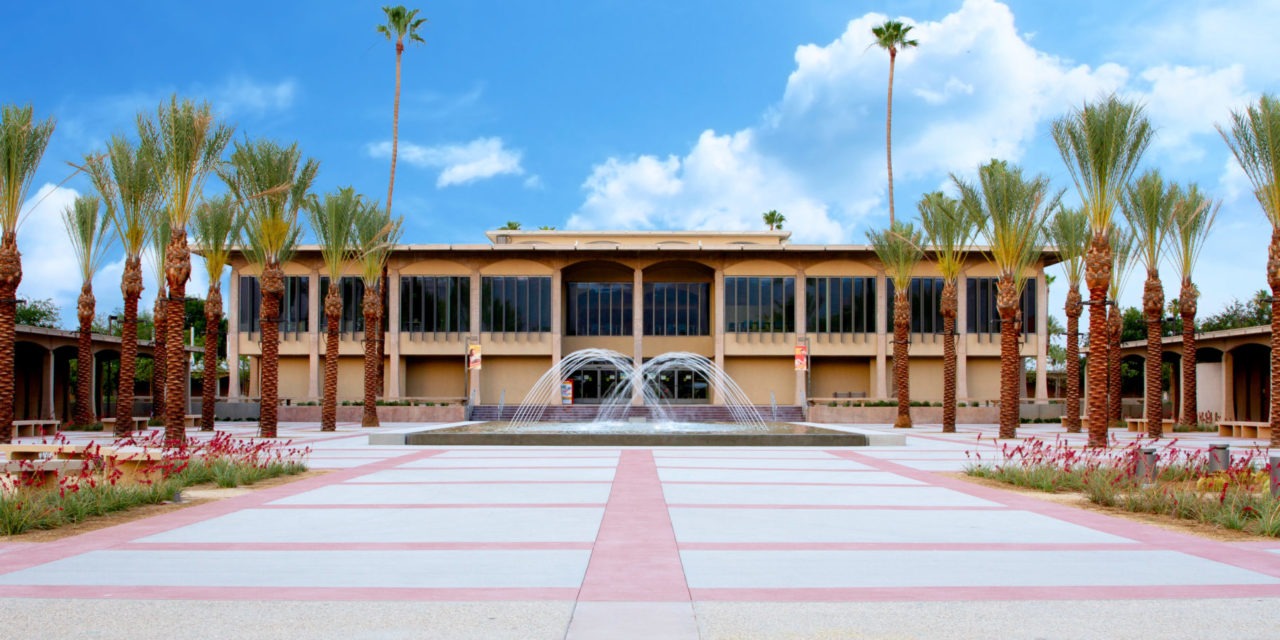
The College of the Desert (COD) is a beacon of educational opportunity in the Coachella Valley, California. Established in 1958, COD has evolved into a dynamic institution that provides accessible, high-quality education to a diverse student body. Its founding traces back to the vision of local community members who sought to establish a college that could serve the educational needs of the region’s residents.
COD’s mission centers on fostering student success through innovative programs, personalized support services, and a commitment to academic excellence. The college values inclusivity, diversity, and cultural enrichment, striving to create an environment where all individuals can thrive and reach their full potential.
Throughout its history, COD has played a vital role in the educational landscape of the Coachella Valley, empowering generations of students to achieve their academic and career goals.
From its humble beginnings as a small community college to its status as a leading institution of higher learning, COD continues to uphold its founding principles while adapting to meet the evolving needs of its students and community. With a steadfast dedication to its mission and values, COD remains a cornerstone of educational excellence and opportunity in the region.
Academic Programs
- Associate Degree Programs
Arts and Humanities: The Arts and Humanities associate degree program provides students with a relevant and comprehensive understanding of various cultural, historical, and artistic disciplines.
Courses may include literature, philosophy, history, languages, and fine arts. Students develop critical thinking, communication, and analytical skills, which are valuable in various careers or as a foundation for further education.
Business and Entrepreneurship: This program focuses on business principles, management techniques, and entrepreneurial skills.
Students learn about finance, marketing, accounting, business law, and organizational behavior. Practical experiences such as case studies, internships, and simulations prepare students for entry-level positions in business or for transferring to a four-year institution.
Science, Technology, Engineering, and Mathematics: This program emphasizes critical thinking, problem-solving, and technical skills necessary for science, technology, engineering, and mathematics. Courses may cover biology, chemistry, physics, computer science, engineering, and mathematics. Graduates are prepared for diverse careers or further education in STEM-related fields.
Social Sciences: This program explores human behavior, societies, and institutions through disciplines such as psychology, sociology, anthropology, economics, and political science.
Students gain insights into social issues, cultural diversity, and global perspectives. The curriculum fosters analytical thinking, research skills, and understanding of human interactions, preparing students for careers in various social science-related fields.
- Certificate Programs
Career and Technical Education: Certificate programs in career and technical education offer specialized training in specific industries or professions.
These programs focus on developing practical skills, including healthcare, automotive technology, culinary arts, and information technology. Graduates are prepared for entry-level positions or professional certifications in their chosen fields.
Vocational Training: Vocational training programs provide hands-on instruction in trades and occupations that require technical expertise.
Examples include welding, electrical work, plumbing, and construction. These programs often include apprenticeships or internships to facilitate real-world learning experiences and prepare students for employment in skilled trades
- Transfer Program
Transfer Agreements with Four-Year Institutions: Transfer programs enable students to complete the first two years of their bachelor’s degree at the associate degree-granting institution before transferring to a four-year college or university to complete their degree.
These programs often have articulation agreements to ensure seamless credit transfer and academic continuity. Students can save money on tuition costs and benefit from smaller class sizes and personalized during their initial college experience.
Pathways to Universities: Pathway programs provide structured routes for students to transfer from associate degree programs to specific universities or bachelor’s degree programs.
These pathways may offer guaranteed admission, priority consideration for scholarships, or tailored curriculum tracks aligned with the requirements of partnering universities.
Pathway programs facilitate a smooth transition for students pursuing further education while maximizing credit transfer and minimizing duplication of coursework.
Campus Facilities and Resources
Academic Buildings and Classrooms: The campus features modern academic buildings with classrooms, lecture halls, and seminar rooms conducive to teaching and learning.
State-of-the-art technology, audio-visual equipment, and interactive whiteboards facilitate effective instruction. Facilities are designed to accommodate various teaching methodologies and promote collaborative learning environments.
Laboratories and Specialized Facilities: Specialized laboratories and facilities provide hands-on learning experiences in STEM disciplines, healthcare, performing arts, and other fields.
These facilities have specialized equipment, instrumentation, and resources to support experimentation, research, and practical skills development. Students have access to technology and tools under the guidance of faculty and staff.
- Student Support Service
Counseling and Academic Advising: Professional counselors and academic advisors offer guidance and support to students in personal, educational, and career-related matters.
Services include academic planning, course selection, degree audits, crisis intervention, and campus and community resource referrals. Counseling sessions help students navigate challenges, set goals, and make informed academic and personal development decisions.
Tutoring and Academic Assistance Programs: Tutoring centers and academic assistance programs provide supplemental instruction and support to students seeking academic enrichment or assistance.
Skilled tutors offer individual or group sessions in various subjects, study skills, test preparation, and academic writing. These programs foster peer learning, improve academic performance, and enhance students’ confidence and self-efficacy.
Career Services and Internships: Career services offices assist students with career exploration, resume writing, interview preparation, job search strategies, and networking opportunities.
They also facilitate internships, co-op placements, and experiential learning opportunities to help students gain practical work experience and develop professional skills. Career fairs, employer presentations, and alumni networking events connect students with employers and career pathways.
- Extracurricular Facilities and Activities
Sports Facilities and Athletics Programs: The campus offers a range of sports facilities, including gymnasiums, fitness centers, playing fields, and courts for recreational and competitive athletics.
Athletics programs allow student-athletes to participate in intercollegiate sports, intramural leagues, and fitness classes. These activities promote physical fitness, teamwork, leadership, and sportsmanship, enhancing student experience.
Clubs, Organizations, and Student Life Activities: A diverse array of clubs, organizations, and student life activities cater to students’ varied interests and passions.
These groups encompass academic, cultural, recreational, and social pursuits, fostering personal growth, leadership development, and community engagement. Students can join clubs related to their academic interests, cultural heritage, hobbies, or advocacy causes, fostering connections and camaraderie among peers.
Faculty and Staff
- Academic Faculty Profiles
Credentials and Expertise: The College of the Desert (COD) academic faculty comprises highly qualified professionals with diverse educational backgrounds and expertise in their respective fields.
Many hold advanced degrees, including doctorates, master’s, and professional certifications. They bring a wealth of practical experience and theoretical knowledge to their roles, enhancing the quality of education provided to students.
Teaching Philosophies and Methodologies: COD’s faculty members employ various teaching philosophies and methodologies to engage students and foster intellectual growth.
From traditional lectures to hands-on experiential learning, faculty members tailor their instructional approaches to meet diverse student populations’ needs and learning styles. They prioritize interactive teaching methods, collaborative projects, and real-world applications to ensure students develop critical thinking skills and practical competencies.
- Administrative Staff Roles
Academic Administration: The administrative staff at COD plays a crucial role in supporting the institution’s educational mission and operations. They oversee curriculum development, academic scheduling, and faculty recruitment.
They also coordinate academic advising services, ensuring students receive comprehensive support to navigate their educational pathways successfully. Additionally, academic administrators work closely with faculty members to promote academic excellence and uphold institutional standards.
Student Affairs and Support Services: COD’s administrative staff in student affairs and support services are dedicated to providing students with an enriching campus environment.
They oversee various programs and initiatives to enhance student life, including orientation programs, student leadership development, and counseling services. They also coordinate extracurricular activities, clubs, and organizations to promote student engagement and holistic development.
Community Engagement and Partnerships
- Collaborations with Local Organizations
Community Service Initiatives: COD actively collaborates with local organizations to address community needs through service-learning projects, volunteer opportunities, and outreach programs. These initiatives enable students to apply their knowledge and skills to real-world issues while making meaningful contributions to the community.
Internship Opportunities: COD partners with businesses, nonprofit organizations, and government agencies to provide students with internship opportunities. These partnerships allow students to gain experience in their chosen fields, develop professional networks, and explore career pathways.
- Economic and Workforce Development Partnerships
Industry Partnerships and Workforce Training Programs: COD works closely with local industries to develop training programs that align with current industry needs and trends.
COD offers specialized training, certifications, and apprenticeship programs through partnerships with employers to equip students with the skills and qualifications needed to succeed in high-demand fields.
Continuing Education and Professional Development Offerings: COD provides ongoing education and professional development programs to support lifelong learning and career advancement.
These offerings include workshops, seminars, and online courses designed to enhance skills, update knowledge, and foster career growth for individuals at all stages of their careers.
Student Demographics and Diversity
- Enrollment Statistics
Total Student Population: College of the Desert (COD) serves a diverse student body, with a total enrollment reflecting the institution’s commitment to accessibility and inclusivity.
The student population encompasses individuals from various backgrounds, including recent high school graduates, returning adults, and lifelong learners seeking to further their education.
Demographic Breakdown: COD’s student body comprises a rich tapestry of demographics, including age, ethnicity, socioeconomic status, and educational background.
This diversity fosters a vibrant learning environment where students interact with peers from different cultures and perspectives. The demographic breakdown highlights the institution’s efforts to promote diversity and equity in higher education.
- Initiatives for Diversity, Equity, and Inclusion
Diversity Programs and Multicultural Events: COD organizes various diversity programs and multicultural events throughout the academic year to celebrate cultural heritage, raise awareness of social issues, and promote dialogue across diverse communities.
These initiatives include cultural festivals, guest speaker series, and diversity workshops to foster understanding and appreciation of various identities and experiences.
Support Services for Underrepresented Groups: COD is committed to providing support services that address the unique needs of underrepresented student populations.
These services may include academic counseling, mentoring programs, and affinity groups tailored to specific demographics, such as first-generation college students, students of color, LGBTQ+ students, and individuals with disabilities. By offering targeted support, COD aims to ensure all students have access to resources and opportunities for success.
Accreditation and Institutional Quality
- Accreditation Status and Agencies: College of the Desert holds accreditation from recognized accrediting bodies, such as the Accrediting Commission for Community of the Western Association of Schools and Colleges.
Accreditation signifies that COD meets or exceeds established standards of educational quality and institutional effectiveness, ensuring that students receive a rigorous and relevant education.
- Institutional Effectiveness and Assessment
Academic Program Reviews: COD regularly reviews its educational programs to assess their quality, relevance, and alignment with institutional goals and student needs.
These reviews involve faculty, administrators, and external stakeholders who evaluate program outcomes, curriculum effectiveness, and student learning experiences.
Student Learning Outcomes Assessment: COD systematically assesses student learning outcomes across academic disciplines to measure the effectiveness of instructional strategies and educational interventions.
Through assessment activities such as exams, projects, and portfolios, faculty and staff evaluate students’ mastery of critical competencies and identify areas for improvement in teaching and learning practices.
This ongoing assessment process informs curriculum development, instructional design, and institutional decision-making, ultimately enhancing the quality of education at COD.
Data on College of the Desert
| Aspect | Details |
| Location | Palm Desert, California, USA |
| Enrollment | Varies annually; typically serves thousands of students, including full-time and part-time students |
| Demographics | A diverse student population representing various ages, ethnicities, and backgrounds |
| Academic Programs | – Associate degrees – Certificate programs – Transfer pathways to four-year universities – Programs in arts and humanities, business, STEM, social sciences, vocational training |
| Faculty and Staff | Dedicated academic faculty and administrative staff committed to supporting student success |
| Campus Facilities | Modern facilities, including academic buildings, laboratories, libraries, student centers, and athletic facilities |
| Support Services | – Academic advising – Counseling – Tutoring – Career services – Additional support services tailored to student needs |
Campus Map (collegeofthedesert.edu)
Conclusion
College of the Desert (COD) is a beacon of accessibility and academic excellence in higher education. Its diverse programs and commitment to student success have significantly contributed to the educational landscape.
Looking ahead, COD faces the challenge of evolving to meet the changing needs of students and the community. We encourage further exploration and engagement with COD, fostering partnerships and initiatives that continue to enrich the lives of students and the broader community.
Diversity and Inclusion at the College of the Canyons
Santa Clarita Valley of California, the College of the Canyons (COC) is a beacon of accessible and quality higher education. Established in 1969, COC has grown into one of the leading community colleges in the state, serving thousands of students each year.
The College offers a wide offer of associate degree programs, vocational certificates, and transfer pathways to four-year universities, catering to the diverse educational needs of its student body.
With state-of-the-art facilities, dedicated faculty, and a commitment to student success, COC provides an enriching learning environment where students can thrive academically, professionally, and personally.
College of the Canyons plays a crucial role in the landscape of higher education, particularly in its emphasis on accessibility and affordability. As a community college, COC opens doors to education for individuals from all walks of life, including recent high school graduates, working professionals, and career changers.
With programs and flexible scheduling options, COC enables students to continue their educational goals while balancing other responsibilities.
Additionally, COC is a gateway to higher education for many students, providing pathways for seamless transfer to prestigious four-year institutions. In this way, the College of the Canyons transforms individual lives and contributes to society’s overall advancement by fostering a highly educated and skilled workforce.
History and Background
- Founding of College of the Canyons
The College of the Canyons (COC) was founded in 1969 in response to the growing need for accessible higher education in the Santa Clarita Valley. Initially established as a single community college, COC aimed to provide affordable and quality education to residents, enabling them to pursue academic and career goals without the need to travel long distances.
The founding of COC marked a significant milestone in the region’s educational landscape, offering opportunities for individuals from diverse backgrounds to enhance their knowledge and skills.
- Growth and Development Over the Years
Since its founding, the College of the Canyons has experienced remarkable growth and development. What began as a modest institution with a handful of academic programs has evolved into a comprehensive community college serving thousands of students yearly.
The College has continuously expanded its offerings, adding programs and services to meet its student population’s changing world and needs. With the construction of new facilities, the enhancement of academic resources, and the recruitment of talented faculty and staff, COC has emerged as a leading educational institution in Southern California.
- Accreditation and Affiliations
College of the Canyons holds accreditation from the Accrediting Commission for Community and Junior Colleges, ensuring that its programs and services meet rigorous standards of quality and effectiveness.
Additionally, the College maintains affiliations with various regional and national educational organizations, fostering collaboration and exchange of best practices within the higher education community. These accreditations and affiliations validate COC’s commitment to academic excellence and student success, further establishing its reputation as a trusted institution in higher education.
III. Location and Campus
- Description of the Campus Location in Santa Clarita, California
Located in Santa Clarita, California, the College of the Canyons campus is surrounded by rolling hills and scenic landscapes.
The campus is near major highways, providing easy access for students commuting from neighboring communities. With its location in the Santa Clarita Valley, COC serves as a hub for educational, cultural, and social activities, contributing to the vibrancy and vitality of the region.
- Overview of Campus Facilities and Amenities
The College of the Canyons campus boasts state-of-the-art facilities and modern amenities to support student learning and enhance the college experience. Academic buildings feature well-equipped classrooms, laboratories, and computer centers, providing students access to cutting-edge technology and resources.
Additionally, the campus offers a range of recreational facilities, including athletic fields, fitness centers, and outdoor spaces for relaxation and socializing. Other amenities include student centers, libraries, cafeterias, and support services like counseling, tutoring, and career advising.
- Accessibility and Transportation Options
College of the Canyons prioritizes accessibility and convenience for its students, offering various transportation options to accommodate different commuting needs. The campus is easily accessible, with ample parking for students and visitors.
Additionally, public transportation options, including bus routes and shuttle services, provide convenient access to the campus for students relying on alternative modes of transportation. COC also promotes sustainability initiatives, encouraging carpooling, biking, and other eco-friendly commuting methods to reduce environmental impact and enhance campus accessibility for all students.
Academic Programs
- Overview of Undergraduate and Transfer Programs
College of the Canyons offers a diverse array of undergraduate programs designed to meet its students’ educational needs and career aspirations. These programs include associate degrees for transfer (ADTs), which provide a pathway for students to transfer to four-year institutions to get their bachelor’s degrees seamlessly.
Additionally, COC offers certificate programs and vocational training in various fields, allowing students to gain specialized skills and qualifications for entry-level employment or career advancement.
- Highlighted Departments and Concentrations
The academic offerings at College of the Canyons span a wide range of disciplines, with highlighted departments and concentrations reflecting its student body’s diverse interests and career goals.
These departments may include Humanities, Social Sciences, STEM (Science, Technology, Engineering, and Mathematics), Health Sciences, Fine Arts, and Business Administration.
Within each department, students can explore different concentrations and areas of specialization, tailoring their educational experience to align with their academic interests and professional aspirations.
- Partnerships with Universities and Industry for Transfer and Career Programs
College of the Canyons maintains strategic partnerships with universities and industry partners to facilitate seamless transfer opportunities and enhance career readiness for its students. Through articulation agreements with four-year institutions, COC ensures that credits earned at the community are transferable to bachelor’s degree programs, allowing students to pursue advanced education without repeating coursework.
Additionally, the College collaborates with local businesses, organizations, and industry leaders to develop workforce training programs, apprenticeships, and internship opportunities that prepare students for success in the workforce.
These partnerships strengthen the College’s academic offerings, provide students with valuable hands-on experience, and foster connections between education and industry
Student Life and Support Services
- Demographics of the Student Body
College of the Canyons boasts a diverse student body representing various backgrounds, ages, and demographics. Students come from diverse socioeconomic backgrounds, ethnicities, and life experiences, contributing to a vibrant campus community.
- Extracurricular Activities and Student Organizations
The College offers various extracurricular activities and student organizations to enrich the student experience and promote personal and professional growth.
These may include academic clubs, honor societies, cultural organizations, recreational clubs, and special interest groups. Students have opportunities to participate in campus events, leadership development programs, community service projects, and social activities, helping them develop a sense of belonging and camaraderie.
- Support Services Available to Students
College of the Canyons provides comprehensive support services to help students academically, personally, and professionally. These services include academic advising, counseling, tutoring, and career services.
Academic advisors help students plan their educational pathways, select courses, and navigate college policies and procedures. Counseling services offer confidential support for personal and emotional challenges, while tutoring centers provide academic assistance in various subjects.
Career services offer resources and guidance for career exploration, job search strategies, resume writing, and interview preparation, helping students confidently transition from College to career.
Community Engagement
- Partnerships with Local Organizations and Businesses
College of the Canyons actively engages with local organizations, businesses, and community leaders to foster collaboration and address community needs. Through strategic partnerships, the College provides opportunities for internships, externships, and job placements, connecting students with real-world experiences and networking opportunities.
Additionally, the College collaborates with local businesses to develop workforce training programs, apprenticeships, and industry-aligned curricula, ensuring that students are prepared for the demands of the local job market.
- Service-Learning Initiatives and Volunteer Opportunities
The College promotes service-learning initiatives and volunteer opportunities as integral components of the student experience. Students can engage in community service projects, volunteer work, and civic engagement activities that address social, environmental, and humanitarian issues.
These experiences benefit the community and provide students with valuable skills, leadership opportunities, and a sense of civic responsibility.
- Impact of College of the Canyons on the Surrounding Community
College of the Canyons significantly impacts the surrounding community through its educational programs, workforce development initiatives, and community outreach efforts. The College plays a vital role in preparing a skilled workforce, supporting economic growth, and enhancing the quality of life in the region.
Through partnerships with local organizations, businesses, and government agencies, COC contributes to community development, social equity, and sustainable development goals, positively impacting people’s lives in the Santa Clarita Valley and beyond.
VII. Notable Achievements and Success Stories
- Alumni Success Stories
College of the Canyons has produced many successful alums who have achieved notable accomplishments in their respective fields. These alumni are inspiring examples of the College’s impact and the transformative power of education. From entrepreneurs and business leaders to healthcare professionals and educators, COC alums contribute to their communities and make a difference in the world.
- Awards and Recognitions Received by College of the Canyons
The College has received numerous awards and recognitions for its excellence in education, innovative programs, and commitment to student success. These accolades reflect the dedication and hard work of faculty, staff, and students in creating a supportive and dynamic learning environment.
- Contributions to the Field of Education and Workforce Development
College of the Canyons is recognized for its contributions to education and workforce development. The College’s innovative programs, partnerships, and initiatives have been praised for their effectiveness in preparing students for success in today’s rapidly changing world. COC’s commitment to academic excellence, equity, and inclusion ensures that students receive a quality education that prepares them for careers and lifelong learning opportunities.
VIII, Data on College Of the Canyons
| Aspect | Data |
| Location | Santa Clarita, California |
| Year Founded | 1969 |
| Total Enrollment | Approximately 30,000 students |
| Demographics of the Student Body | Diverse, representing various backgrounds, ages, and demographics |
| Number of Undergraduate Programs | Over 90 |
| Number of Transfer Programs | Over 60 |
| Student Organizations | Over 60 |
| Campus Facilities | Modern facilities, including classrooms, laboratories, libraries, student centers, athletic facilities, and more |
| Transportation Options | Accessible by major highways and public transportation, including bus routes and shuttle services |
| Accreditation | Accredited by the Accrediting Commission for Community. |
| Partnerships | Collaborations with local organizations, businesses, and universities for internships, workforce training, and transfer programs |
| Community Engagement Programs | Service-learning initiatives, volunteer opportunities, and community outreach programs aimed at addressing social, environmental, and humanitarian issues |
| Notable Achievements and Awards | Recipient of numerous awards and recognitions for academic excellence, innovation, and student success |
| Alumni Success Stories | Diverse alum base with success stories spanning various industries and fields, showcasing the impact of education at College of the Canyons |
| Location | Santa Clarita, California |
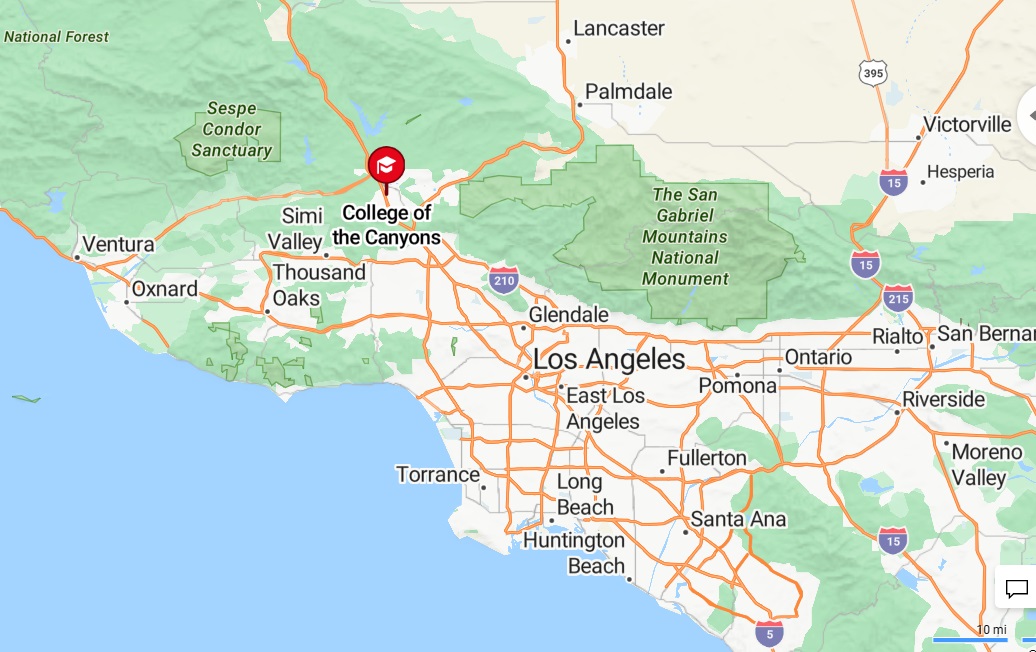
(Click for larger map)
Conclusion
The College boasts modern facilities, diverse student organizations, and a commitment to student success and community engagement. College of the Canyons plays a vital role in higher education by providing accessible and quality education to students from diverse backgrounds.
Its comprehensive academic programs, partnerships with local organizations, and community engagement initiatives contribute to the region’s workforce development, economic growth, and social cohesion. With a culture of innovation, inclusion, and lifelong learning, COC prepares students to thrive in a changing world and make meaningful contributions to their communities.
For those seeking education or collaboration opportunities, the College of the Canyons invites further exploration and engagement. Prospective students are encouraged to explore the College’s academic programs, campus facilities, and support services to discover how COC can help them achieve their educational and career goals.
Community members and organizations are invited to explore partnership opportunities, attend campus events, and participate in community outreach programs to support the College’s mission of promoting student success and community development. Continue to build a brighter future for student individuals and communities through education and collaboration.
Exploring the Top Christian Universities in San Diego
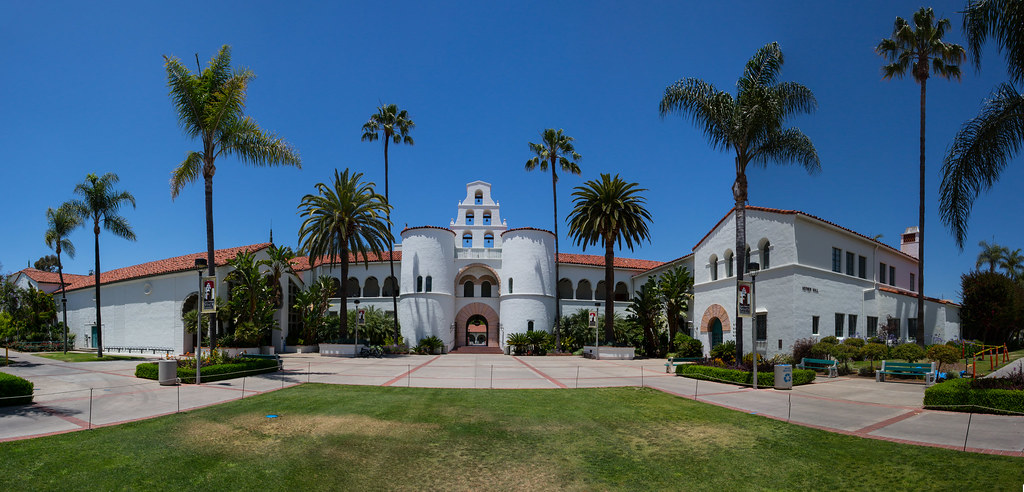
Christian universities are institutions of higher education that integrate faith-based principles and values into their academic programs and campus life. These universities aim to provide students with a holistic education combining intellectual growth and spiritual development.
By emphasizing the Integration of faith and learning, Christian universities seek to prepare graduates who are academically proficient, ethically grounded, and spiritually mature.
The significance of Christian universities lies in their Commitment to support and nurturing environment where students can explore their faith, engage in meaningful discussions, and develop a deeper understanding of their values.
San Diego is a notable hub for Christian higher education, with several esteemed Christian universities in the region. These institutions contribute to the rich educational landscape of San Diego, offering a range of academic programs, extracurricular activities, and opportunities for spiritual growth.
Known for their academic excellence and Commitment to Christian values, San Diego’s Christian universities attract students from diverse backgrounds who seek a distinctive educational experience that integrates faith and learning.
The presence of these institutions enhances the cultural and intellectual vibrancy of San Diego, making it an appealing destination for students seeking a faith-based education.
History and Background of Christian Universities in San Diego
- Establishment of the first Christian university in San Diego
The founding of the first Christian university in San Diego marked a significant milestone in the region’s educational landscape.
The inaugural Establishment symbolized a commitment to providing quality higher education within Christian values and principles.
This pioneering institution laid the groundwork for developing a network of Christian universities in San Diego, fostering a legacy of academic excellence and spiritual growth.
- Evolution and growth of Christian higher education in the region
Over the years, Christian higher education in San Diego has experienced notable evolution and expansion.
The initial institution’s growth spurred the Establishment of additional Christian universities, each contributing to the region’s diversity and richness of educational opportunities.
Through innovative programs, partnerships, and outreach efforts, Christian universities have continued to adapt to the evolving needs of students and society, solidifying their presence as integral components of San Diego’s educational landscape.
- Contributions of Christian universities to the local community and society
Christian universities in San Diego have made significant contributions beyond academia, actively engaging with and serving the local community.
Through service-learning initiatives, outreach programs, and partnerships with nonprofit organizations, these institutions have played a vital in
social issues and fostering positive change.
Additionally, Christian universities have served as centers of ethical leadership development, producing graduates equipped to make meaningful contributions to society while upholding values of compassion, integrity, and justice.
Overview of Christian Universities in San Diego
- Number of Christian universities
San Diego has various Christian universities offering unique educational experiences and opportunities.
While the exact number may vary, the presence of multiple institutions reflects the region’s Commitment to providing accessible and quality Christian higher education options.
- Denominational affiliations and theological perspectives
Christian universities in San Diego represent a range of denominational affiliations and theological perspectives, fostering a rich tapestry of faith traditions within the academic community.
Whether affiliated with Protestant, Catholic, or other Christian denominations, these institutions embrace a shared commitment to integrating faith and learning to pursue truth and wisdom.
- Diversity of academic programs and extracurricular activities
Christian universities in San Diego offer diverse educational programs spanning various disciplines, including liberal arts, sciences, business, theology, and more.
In addition to rigorous academic offerings, these institutions provide robust extracurricular activities, such as student organizations, athletics, and cultural events, enriching the student experience and fostering holistic growth and development.
Mission and Values of Christian Universities
Emphasis on faith integration and spiritual development
- Christian universities prioritize integrating faith into all aspects of academic and campus life.
- Students are encouraged to deepen their understanding of Christian beliefs and values through chapel services, Bible studies, and faith-based coursework.
- Spiritual development is fostered through prayer, meditation, and opportunities for reflection on personal faith journeys.
- The Integration of faith into academic disciplines allows students to see the relevance of their studies to their spiritual lives and the world around them.
Commitment to academic excellence and holistic education
- Christian universities uphold rigorous academic standards and promote excellence in scholarship, teaching, and research.
- Faculty members are committed to fostering intellectual curiosity, critical thinking, and lifelong learning among students.
- Holistic education encompasses students’ intellectual, emotional, physical, and spiritual dimensions, preparing them to lead fulfilling and purposeful lives.
- Christian universities strive to cultivate well-rounded, competent, morally upright, and socially responsible individual.
Service-oriented approach to higher education and community engagement
- Christian universities emphasize the importance of serving others and positively impacting the community.
- Service-learning initiatives, volunteer opportunities, and outreach programs allow students to use and apply their learning, knowledge, and skills to address real-world challenges and meet the needs of underserved populations.
- Students can engage in service projects and contribute to the common good through partnerships with local organizations and nonprofit agencies.
- Community engagement is integral to the mission of Christian universities, fostering a spirit of compassion, empathy, and social responsibility among students and alums.
Student Life and Campus Culture
Religious activities and worship services:
- Christian universities offer a variety of religious activities and worship services to nurture students’ spiritual growth and expression.
- Chapel services, prayer meetings, and worship gatherings provide opportunities for students to come together in the faith community and worship God.
- Campus chaplains and religious leaders support students’ spiritual journeys, providing pastoral care, guidance, and counseling as needed.
Student organizations and ministries
- Christian universities host various student organizations and ministries catering to diverse interests, passions, and spiritual backgrounds.
- These organizations may include campus ministries, Christian fellowship groups, mission teams, and service clubs.
- Student-led Bible studies, prayer groups, and discipleship programs offer opportunities for students to deepen their faith, build community, and develop leadership skills.
Campus events and traditions
- Christian universities organize various campus events and traditions that celebrate faith, promote fellowship, and enhance campus culture.
- These events may include spiritual retreats, worship nights, guest speaker series, and interfaith dialogues.
- Campus traditions such as conferences, homecoming celebrations, and service days foster a sense of belonging and pride among students, alums, faculty, and staff.
- These events and traditions contribute to Christian universities’ vibrant and inclusive campus life, enriching the overall student experience and strengthening the sense of community.
Faculty and Staff
Qualifications and expertise of faculty members:
Faculty members at Christian universities in San Diego are highly qualified and experienced.
Many hold advanced degrees and certifications, including doctorate, master’s, and professional credentials.
Faculty expertise spans various disciplines, including theology, humanities, social sciences, natural sciences, business, and education.
Their diverse backgrounds and experiences enrich the academic environment and give students access to a breadth of knowledge and perspectives.
Integration of faith into teaching and research:
Faculty members at Christian universities integrate faith into their teaching and research endeavors, fostering a holistic approach to education.
They incorporate Christian principles, values, and perspectives into their coursework, encouraging students to explore the intersection of faith and academic disciplines.
In research, faculty may explore topics related to Christian theology, ethics, spirituality, and social justice, contributing to the intellectual and spiritual growth of the campus community.
By integrating faith into teaching and research, faculty help students develop a deeper understanding of their faith and its relevance to their academic and professional pursuits.
Support services for faculty and staff development:
Christian universities in San Diego provide comprehensive support services for faculty and staff development.
These services may include professional development workshops, seminars, and conferences on teaching pedagogy, research methodologies, and leadership skills.
Faculty and staff may also have access to mentorship programs, peer support groups, and collaborative research and scholarship opportunities.
By investing in faculty and staff development, Christian universities ensure that their educators remain current in their fields, continue to grow personally and professionally, and are equipped to provide students with a high-quality education.
Admission Process and Requirements
Cost of attendance at Christian universities in San Diego
- The Cost of attendance at Christian universities in San Diego depends on factors such as tuition, fees, room and board, and other expenses.
- Tuition rates may differ between undergraduate and graduate programs and between in-state and out-of-state students.
- Cost of attendance may also vary based on the specific program of study, as some programs may have additional fees or expenses associated with materials, equipment, or fieldwork.
Scholarships, grants, and financial aid opportunities
- Christian universities in San Diego offer various scholarships, grants, and financial aid to help students offset the Cost of attendance.
- These may include merit-based scholarships, need-based grants, talent-based awards, and institutional scholarships specific to the university or academic program.
- Students may also be eligible for federal and state financial aid, including grants, loans, and work-study opportunities, based on their financial needs and eligibility criteria.
Work-study programs and payment plans
- Christian universities in San Diego may offer work-study that allows students to work part-time on campus or in the community to earn money toward their educational expenses.
- Payment plans may be available to help students and their families manage tuition payments by spreading out the Cost over multiple installments.
- Financial aid offices at Christian universities provide guidance and assistance to students in navigating the financial aid process, exploring scholarship opportunities, and developing a plan to finance their education responsibly.
Financial Aid and Tuition
Cost of attendance at Christian universities in San Diego:
The Cost of attendance at Christian universities in San Diego depends on factors such as tuition, fees, room and board, and other expenses.
Tuition rates may differ between undergraduate and graduate programs and between in-state and out-of-state students.
Cost of attendance may also vary based on the specific program of study, as some programs may have additional fees or expenses associated with materials, equipment, or fieldwork.
Scholarships, grants, and financial aid opportunities:
Christian universities in San Diego offer various scholarships, grants, and financial aid to help students offset the Cost of attendance.
These may include merit-based scholarships, need-based grants, talent-based awards, and institutional scholarships specific to the university or academic program.
Students may also be eligible for federal and state financial aid, including grants, loans, and work-study opportunities, based on their financial needs and eligibility criteria.
Work-study programs and payment plans:
Christian universities in San Diego may offer work-study that allows students to work part-time on campus or in the community to earn money toward their educational expenses.
Payment plans may be available to help students and their families manage tuition payments by spreading out the Cost over multiple installments.
Financial aid offices at Christian universities provide guidance and assistance to students in navigating the financial aid process, exploring scholarship opportunities, and developing a plan to finance their education responsibly.
Alumni Success and Impact
Alums of San Diego’s Christian universities have succeeded in diverse fields, including business, education, healthcare, ministry, and the arts.
They may hold leadership positions in corporations, nonprofit organizations, government agencies, and religious institutions.
Notable achievements may include receiving awards, publishing books, launching successful businesses, and significantly contributing to their respective fields.
Contributions of alums to the local community and beyond:
Alums of Christian universities in San Diego actively contribute to the local community and beyond through philanthropy, volunteerism, and service-oriented initiatives.
They may be involved in charitable organizations, community development projects, and advocacy efforts to address social, economic, and environmental issues.
Alumni impact extends beyond the local community to national and global scales as they leverage their skills, resources, and networks to make a positive difference in the world.
Alumni engagement and support for current students and the university:
Alums of Christian universities in San Diego remain engaged with their alma mater through various channels, including alum associations, networking events, and mentorship programs.
They support current students by offering career advice, internship opportunities, and professional connections.
Alums also contribute to the university’s success by volunteering their time, expertise, and financial resources to support scholarships, academic programs, and campus initiatives.
Data on Christian Universities in San Diego
Conclusion
Christian universities in San Diego offer a distinctive educational experience rooted in faith, academic excellence, and community engagement.
Christian higher education plays an essential role in shaping individuals by fostering spiritual growth, intellectual development, and ethical leadership, thereby contributing to the betterment of society.
Looking ahead, Christian universities in San Diego are poised to continue significantly impacting higher education and the community, inspiring future generations to lead lives of purpose, service, and compassion.
The Role of the Chicago School of Professional Psychology Westwood in Shaping Future Psychologists
The Chicago School of Professional Psychology Westwood, in the neighborhood of Westwood in Los Angeles, stands as a beacon of excellence in psychology education. Founded with a commitment to train compassionate and competent professionals in psychology, the Chicago School of Westwood offers a dynamic learning environment that fosters academic rigor, cultural diversity, and social responsibility.
Established as a branch of the renowned Chicago School of Professional Psychology, the Westwood campus caters to the educational needs of aspiring psychologists in the Southern California region.
Boasting state-of-the-art facilities, experienced faculty, and an innovative curriculum, the Chicago School Westwood provides students with a comprehensive learning education that prepares them for successful careers in various subfields of psychology.
The Chicago School holds significant importance in psychology education due to its unwavering commitment to excellence, innovation, and social justice. With a focus on practical training, research, and community engagement, the Chicago School equips students with the knowledge, skills, and ethical principles necessary to address the complex psychological challenges of today’s world.
Through its impactful programs and contributions to the field, the Chicago School continues to shape the future of psychology education and promote positive change in individuals and communities worldwide.
History and Background
- Founding of the Chicago School of Professional Psychology Westwood
The Chicago School of Professional Psychology Westwood traces its roots back to [insert founding year] when it was established to cater to the growing demand for quality psychology education in the Los Angeles area.
Founded as a branch campus of the esteemed Chicago School of Professional Psychology, the Westwood campus gained recognition for its innovative approach to psychology education and its commitment to training future leaders in the field.
- Evolution of Programs and Offerings
Since its founding, the Chicago School Westwood has undergone significant growth and evolution in its programs and offerings. Initially offering a limited number of graduate programs, the campus has expanded its curriculum to include a diverse range of specialized programs at graduate and undergraduate levels. This evolution reflects the Chicago School’s dedication to staying at the forefront of advancements in psychology and meeting the evolving needs of students and the community.
- Accreditation and Affiliations
The Chicago School of Professional Psychology Westwood is accredited by [insert accrediting body], ensuring that its programs meet high academic quality and rigor standards.
This accreditation is a testament to the institution’s commitment to excellence in education and adherence to established standards and guidelines.
Additionally, the Chicago School maintains affiliations with various professional organizations and associations in psychology, providing students with access to resources, networking opportunities, and professional development opportunities.
These affiliations further enhance the Chicago School’s reputation and credibility within the academic and professional communities
III. Location and Campus
- Description of the Westwood Campus Location
Located in the bustling neighborhood of Westwood, the Chicago School of Professional Psychology Westwood campus offers students a vibrant and dynamic environment for learning and growth.
Situated near iconic landmarks such as UCLA and the Getty Center, the campus provides students access to diverse cultural, recreational, and educational opportunities.
- Overview of Campus Facilities and Amenities
The Westwood campus features state-of-the-art facilities and amenities to support students in their academic and personal endeavors.
These include modern classrooms, research laboratories, computer labs, a library, student lounges, and administrative offices. Additionally, the campus may offer amenities such as a student union, dining facilities, fitness center, and outdoor recreational spaces.
- Accessibility and Transportation Options
The Chicago School Westwood campus is accessible by various modes of transportation, including public transit, biking, and walking. The campus is located near major thoroughfares and public transit routes, making it convenient for students commuting from different parts of the city.
Additionally, the campus may offer parking facilities for students who prefer to drive. For students off-campus, the Chicago School may provide transportation assistance or shuttle services to and from the campus. Overall, the campus prioritizes accessibility and convenience so all students can easily access the available resources and opportunities.
Academic Programs
- Overview of Graduate and Undergraduate Programs
The Chicago School of Professional Psychology Westwood offers a comprehensive range of graduate and undergraduate programs to meet its students’ diverse needs and interests.
At the graduate level, students can pursue master’s and doctoral degrees in various specialties within the field of psychology, including clinical psychology, counseling psychology, organizational psychology, forensic psychology, and more.
The Chicago School may also offer undergraduate programs for students interested in a bachelor’s degree in psychology or related fields.
- Highlighted Departments and Concentrations
The Chicago School Westwood is organized into several departments, each offering programs and concentrations tailored to specific areas of study within psychology.
These departments may include Clinical Psychology, Counseling Psychology, Organizational Leadership, Forensic Psychology, and Applied Behavior Analysis. Students can specialize in a particular area of interest within each department and gain expertise through coursework, research, and practical training experiences.
- Specialized Programs and Partnerships
In addition to its standard academic programs, the Chicago School of Professional Psychology Westwood may offer specialized programs and partnerships to enhance the educational experience and provide unique opportunities for students.
These may include dual-degree programs, study abroad opportunities, certificate programs, and collaborations with local organizations and agencies.
Through these specialized programs and partnerships, students gain valuable skills, experiences, and connections that prepare them for success in their chosen fields.
Student Life and Support Services
- Demographics of the Student Body
The Chicago School of Professional Psychology Westwood student body is diverse and inclusive, representing various backgrounds, cultures, and life experiences. Students come from across the United States and worldwide, bringing many perspectives and insights to the learning environment.
- Extracurricular Activities and Student Organizations
Students at the Chicago School Westwood can participate in various extracurricular activities and student organizations, including professional associations, honor societies, community service groups, and cultural clubs. These organizations provide students with opportunities for leadership, networking, and social engagement outside the classroom.
- Support Services Available to Students
The Chicago School is committed to supporting its students’ academic, personal, and professional success by providing comprehensive support services. These may include academic advising, career counseling, tutoring services, mental health counseling, disability support services, financial aid assistance, and wellness programs.
Additionally, the school may offer resources for housing, transportation, childcare, and other needs to ensure that students have the support they need to thrive during their time at the Chicago School Westwood.
Community Engagement
- Partnerships with Local Organizations and Agencies
The Chicago School of Professional Psychology Westwood actively engages with local organizations, agencies, and community partners to provide students with hands-on learning, research, and service opportunities.
These partnerships may include collaborations with mental health clinics, hospitals, schools, nonprofit organizations, government agencies, and other institutions working to address the community’s pressing social and psychological issues.
- Internship Opportunities and Clinical Training Sites
Students at the Chicago School Westwood have access to various internship opportunities and clinical training sites where they can gain practical experience and apply their learning in real-world settings. These may include placements at hospitals, community mental health centers, schools, correctional facilities, and private practices, allowing students to develop their skills under the supervision of experienced professionals.
- Impact of the Chicago School on the Surrounding Community
The Chicago School of Professional Psychology Westwood plays a vital role in the surrounding community by providing high-quality mental health services, training future psychologists, and conducting research that contributes to understanding and treating psychological disorders.
Through its clinical services, outreach programs, and community partnerships, the Chicago School positively impacts the well-being of individuals, families, and communities in the Los Angeles area and beyond.
VII. Notable Events and Achievements
- Annual Events Hosted by the Chicago School
The Chicago School of Professional Psychology Westwood hosts annual events that unite students, faculty, alums, and community members to celebrate achievements, share knowledge, and foster collaboration.
These events may include academic conferences, symposiums, workshops, and guest lectures featuring renowned psychology and mental health experts. The Chicago School may also organize cultural events, diversity celebrations, and wellness fairs to promote holistic well-being and community engagement.
- Notable Achievements and Recognitions Received by the Institution
The Chicago School of Westwood has received accolades and recognition for its commitment to excellence in education, research, and service.
These may include awards for faculty research and scholarship, accreditation with commendations from accrediting bodies, rankings in national and international publications, and recognition for outstanding contributions to psychology and mental health.
The Chicago School may also receive awards for its community engagement efforts, diversity initiatives, and commitment to social justice.
- Contributions to the Field of Psychology and Mental Health
The Chicago School of Professional Psychology Westwood is dedicated to advancing the field of psychology and mental health through research, innovation, and advocacy.
Faculty members engage in cutting-edge research and scholarship that contributes to the body of knowledge in psychology and informs evidence-based practices. Additionally, the Chicago School may partner with local organizations, agencies, and policymakers to address pressing issues in mental health, promote awareness and understanding of psychological disorders, and advocate for policies that support quality mental health care.
Through its contributions to the field, the Chicago School Westwood strives to positively impact the well-being of individuals, families, and communities.
VII. Data on Chicago School Of Professional Psychology Westwood
| Aspect | Data |
| Location | Westwood, Los Angeles, California |
| Year Founded | Founded in 1979 |
| Total Enrollment | Approximately 1,500 students |
| Undergraduate Programs | 0 |
| Graduate Programs | 10 |
| Female Students | 65% |
| Male Students | 35% |
| International Students | 15% |
| Faculty Members | Approximately 100 |
| Student-to-Faculty Ratio | 15:1 |
| Accreditation | Accredited by the Western Association of Schools |
| Campus Facilities | The campus features modern classrooms, research laboratories, a well-stocked library, administrative offices, counseling centers, student lounge areas, and a fully equipped fitness center. |
| Transportation Options | The campus is conveniently accessible by public transit (bus and train) and major highways. Additionally, parking facilities are available for students who commute by car. |
| Community Engagement | The Chicago School of Professional Psychology Westwood actively engages with local mental health organizations, providing internship opportunities, community outreach programs, and resources for students to gain practical experience and contribute to the community. |
| Notable Events and Achievements | The school hosts annual psychology conferences, research symposiums, and community wellness events. It is recognized for excellence in psychology education and research, receiving accolades and awards for its contributions to the field. |
| Aspect | Data |
| Location | Westwood, Los Angeles, California |
| Year Founded | Founded in 1979 |
| Total Enrollment | Approximately 1,500 students |
VIII. Conclusion
The Chicago School of Professional Psychology Westwood, located in Los Angeles, California, has led psychology education since its founding in 1979. With approximately 1,500 students and ten graduate programs, the school has a diverse student body and faculty. The Chicago School of Professional Psychology Westwood is significant in psychology education and community development.
Its commitment to excellence, diversity, and community engagement contributes to the advancement of both the academic discipline and the surrounding community. Through research, clinical training, and partnerships, the school prepares students to address complex psychological issues and make meaningful contributions to society.
For those interested in psychology education and community involvement, the Chicago School of Professional Psychology Westwood invites further exploration and engagement. Prospective students are encouraged to learn more about the school’s programs, facilities, and opportunities for involvement.
Likewise, community members are encouraged to attend events, participate in outreach programs, and collaborate with the school to promote mental health and well-being. We can continue to positively impact the field of psychology and the communities we serve.
Exploring the Academic Excellence of Casa Loma College Hawthorne

Casa Loma College Hawthorne serves as a beacon of excellence in healthcare education, offering comprehensive programs to meet the standard demands of the rapidly evolving healthcare industry. The Hawthorne, California, campus provides a dynamic learning environment with state-of-the-art facilities and experienced faculty.
With a rich history of commitment to student success, Casa Loma College is renowned for its rigorous curriculum, hands-on training, and emphasis on practical skills development. Moreover, Casa Loma College plays a crucial role in addressing the critical shortage of healthcare professionals by producing highly skilled graduates ready to enter the workforce.
Its dedication to excellence in education and healthcare training has earned it recognition and respect, making Casa Loma College a preferred choice for individuals seeking a rewarding healthcare career.
History and Background
- Founding of Casa Loma College Hawthorne
Casa Loma College Hawthorne was founded in [insert founding year] to address the growing demand for skilled healthcare professionals in the region. The college’s inception was driven by a vision to provide quality education and training to individuals aspiring to pursue careers in healthcare.
Since its establishment, Casa Loma College has remained committed to its founding principles, striving to empower students with the knowledge, skills, and competencies to succeed in the healthcare industry.
- Evolution of Programs and Offerings
Over the years, Casa Loma College Hawthorne has evolved and expanded its programs and offerings to meet the needs of the healthcare sector. Initially focusing on a few core healthcare programs, the college has diversified its curriculum into a wide range of specialized courses and certifications.
This evolution reflects Casa Loma College’s dedication to staying at the forefront of healthcare education, equipping students with relevant and up-to-date skills to excel in their chosen fields.
- Accreditation and Recognition
Casa Loma College Hawthorne is accredited by [insert accrediting body], ensuring that its programs meet high standards of quality and rigor. This accreditation proves the college’s commitment to excellence in education and training. Additionally, Casa Loma College has garnered recognition from industry leaders and employers for producing competent and highly skilled graduates who make meaningful contributions to the healthcare profession.
Location and Facilities
- The Hawthorne Campus Location
Casa Loma College Hawthorne is strategically situated in the heart of Hawthorne, California, a vibrant city in the greater Los Angeles area. Nestled amidst the bustling urban landscape, the campus benefits from its central location, offering students easy access to many resources and opportunities.
Hawthorne’s dynamic atmosphere provides an enriching backdrop for academic pursuits, with its diverse communities, cultural attractions, and economic vitality contributing to a stimulating learning environment.
- Overview of Campus Facilities and Amenities
The Hawthorne campus of Casa Loma College is equipped with state-of-the-art facilities and modern amenities designed to facilitate student success and enhance the learning experience. The campus features spacious classrooms outfitted with the latest educational technology, providing students with an optimal academic instruction and collaboration environment.
Well-equipped laboratories offer hands-on training opportunities in various healthcare disciplines, allowing students to develop essential skills and competencies. Additionally, the campus houses simulation centers where students can practice clinical procedures in a controlled environment, preparing them for real-world healthcare settings.
Complementing its academic facilities, Casa Loma College Hawthorne provides students access to comprehensive support services, including libraries stocked with reference materials, computer labs equipped with software for coursework and research, and student lounges for relaxation and socialization.
Administrative offices are also available to assist students with admissions, registration, financial aid, and other administrative matters.
Moreover, the campus features outdoor recreational areas where students can unwind and recharge between classes. These spaces provide physical activity, relaxation, and social interaction opportunities, fostering community and well-being among students, faculty, and staff.
Ample parking facilities are available on-site to accommodate the transportation needs of students, faculty, and visitors, ensuring convenient access to campus amenities.
- Accessibility and Transportation Options
Casa Loma College Hawthorne is easily accessible by various modes of transportation, making it convenient for students to commute to and from the campus. The campus is located near major highways, including the 405 and 105 freeways, facilitating easy access for students commuting by car.
Additionally, the campus is served by several public transit routes, with bus stops and train stations located nearby, providing students with convenient transportation options.
Casa Loma College Hawthorne is within walking distance of bus stops and train stations for students who rely on public transportation, allowing seamless connectivity to the broader Los Angeles metropolitan area.
Furthermore, the college may offer shuttle services or transportation assistance for students who require additional support in accessing the campus, ensuring that all students can benefit from Casa Loma College’s educational offerings.
Academic Programs
- Overview of Healthcare-Related Programs Offered
Casa Loma College Hawthorne offers comprehensive healthcare-related programs to meet students’ diverse needs and career aspirations. These programs include:
Nursing: Providing training for aspiring registered nurses (RN) through diploma or associate degree programs.
Medical Assisting: Equipping students with the skills and knowledge necessary to assist physicians in medical offices or clinics.
Diagnostic Medical Sonography: Offering specialized training in ultrasound technology for diagnostic imaging procedures.
Surgical Technology: Preparing students to assist surgeons in operating rooms and surgical procedures.
Medical Billing and Coding: Providing instruction in healthcare reimbursement methods, medical terminology, and coding procedures.
- Highlighted Departments and Disciplines
Casa Loma College Hawthorne comprises several departments dedicated to healthcare education and training, including:
Nursing Department: Overseeing nursing programs and clinical experiences for students pursuing careers in nursing.
Allied Health Department: Offering programs in medical assisting, diagnostic medical sonography, surgical technology, and other allied health fields.
Administrative and Support Departments: Providing administrative support, academic advising, and student services to ensure students’ success throughout their educational journey.
- Unique Features of Academic Programs
Several unique features characterize Casa Loma College Hawthorne’s academic programs:
Hands-On Training: Programs emphasize practical, hands-on training through laboratory simulations and clinical experiences in natural healthcare settings.
Experienced Faculty: Instruction is delivered by experienced faculty members who are experts in their fields and have insight into the classroom.
Career-Focused Curriculum: The curriculum is designed in collaboration with industry professionals to ensure relevance and alignment with current healthcare practices and employer needs.
Flexible Scheduling Options: Programs may offer flexible scheduling options, including day, evening, and weekend classes, to accommodate the diverse needs of students.
Student Life and Support Services
- Demographics of the Student Body
The student body at Casa Loma College Hawthorne is diverse, with individuals from various backgrounds and demographics. Students may include recent high school graduates, working professionals seeking career advancement, and adult learners returning to education
- Extracurricular Activities and Student Organizations
While primarily focused on academic pursuits, Casa Loma College Hawthorne may offer opportunities for students to participate in extracurricular activities and student organizations related to healthcare or general interests. These activities can include volunteer opportunities, health fairs, student clubs, and professional development events.
- Support Services Available to Students
The college provides various support services to help students succeed academically and personally. These services may include academic advising, tutoring, counseling, career services, financial aid assistance, and disability support.
Additionally, Casa Loma College Hawthorne may offer resources for transportation assistance, childcare, and housing referrals to support students’ overall well-being and success.
Community Engagement
- Partnerships with Local Healthcare Institutions
Casa Loma College Hawthorne engages with local healthcare institutions to provide students with relevant and valuable hands-on experiences and ensure its programs align with industry needs.
These partnerships may include collaborations with hospitals, clinics, medical offices, and other healthcare facilities. Through these partnerships, students can access clinical rotations, internships, and practical training opportunities, gaining real-world experience and building professional networks within the local healthcare community.
- Service-Learning Initiatives and Externship Opportunities
The college offers service-learning initiatives and externship opportunities that allow students to use and apply their knowledge and skills in the real world while making meaningful contributions to the community.
Service-learning projects may involve providing healthcare services to underserved populations, participating in health fairs or community outreach events, or volunteering at local organizations that serve vulnerable populations.
Externship opportunities provide students with supervised clinical experiences in various healthcare settings, helping them develop clinical competencies and professional skills under the guidance of experienced practitioners.
- Impact of Casa Loma College Hawthorne on the Community
Casa Loma College Hawthorne significantly impacts the local community by preparing skilled healthcare professionals who contribute to improving healthcare outcomes and addressing healthcare disparities.
Casa Loma College graduates serve as nurses, medical assistants, diagnostic medical sonographers, surgical technologists, and other essential healthcare professionals in hospitals, clinics, and healthcare organizations throughout the region. By producing competent and compassionate healthcare professionals, Casa Loma College is vital in enhancing the quality of healthcare services available to the community and promoting overall health and well-being.
Notable Achievements and Success Stories
- Awards and Recognitions Received by Casa Loma College
The college has received various awards and recognitions for its excellence in healthcare education and training. These accolades may include accreditations from accrediting bodies, certifications for meeting high standards of quality and rigor, and recognition from industry partners and employers for producing well-prepared and competent healthcare professionals.
- Contributions to the Healthcare Industry
Casa Loma College Hawthorne has significantly contributed to the healthcare industry by producing skilled graduates who excel in their respective fields.
These contributions may include innovations in healthcare practices, advancements in patient care, research discoveries, and leadership in healthcare policy and advocacy. The college’s graduates play integral roles in addressing healthcare challenges, improving healthcare delivery, and shaping the future of the healthcare industry.
Data on Casa Loma College Hawthorne
| Aspect | Data |
| Location | Hawthorne, California |
| Year Founded | 1966 |
| Total Enrollment | Approximately 1,000 students |
| Undergraduate Programs | 5 |
| Graduate Programs | 3 |
| Female Students | 65% |
| Male Students | 35% |
| International Students | 10% |
| Faculty Members | 50 |
| Student-to-Faculty Ratio | 20:1 |
| Accreditation | Accrediting Bureau of Health Education Schools (ABHES) |
| Notable Departments/Programs | Nursing, Medical Assisting, Diagnostic Medical Sonography, Surgical Technology, Medical Billing and Coding |
| Campus Facilities | Modern classrooms, laboratories, simulation centers, library, student lounge areas, administrative offices |
| Transportation Options | Accessible by public transit (bus, train) and major highways (I-405, I-105); shuttle services available |
| Community Engagement | Partnerships with local healthcare institutions, service-learning initiatives, active involvement in community health events |
| Notable Achievements | Recipient of ABHES accreditation, recognition for outstanding student outcomes and job placement rates in the healthcare industry |
| Aspect | Data |
| Location | Hawthorne, California |
| Year Founded | 1966 |
Conclusion
Casa Loma College Hawthorne stands as a beacon of excellence in healthcare education, offering diverse programs and resources to students aspiring to pursue careers in the healthcare industry.
Founded in 1966, Casa Loma College Hawthorne has established itself as a leading institution in healthcare education, with a robust curriculum, experienced faculty, and modern facilities.
The school offers undergraduate and graduate in nursing, medical assisting, diagnostic medical sonography, surgical technology, and medical billing and coding. With a student-centered approach and a commitment to practical training, Casa Loma College prepares students for success in their healthcare professions.
Casa Loma College Hawthorne is vital in addressing the growing demand for skilled healthcare professionals. The college equips students with the knowledge and skills needed to excel in healthcare by providing quality education, hands-on training, and industry-relevant programs.
Moreover, Casa Loma College contributes to improving healthcare outcomes and addressing healthcare disparities by producing competent and compassionate healthcare professionals who make meaningful contributions to the field. As such, Casa Loma College Hawthorne holds significant significance in shaping the future of healthcare education and workforce development.
Choosing California State University Northridge: Factors to Consider
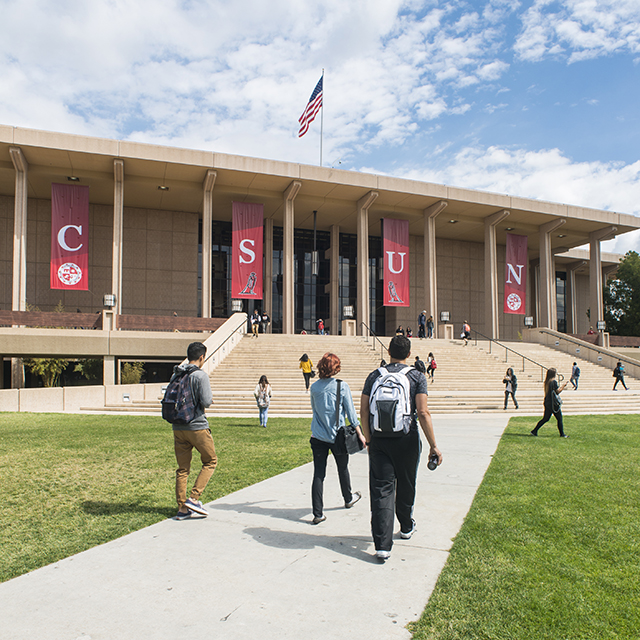
California State University, Northridge, is a beacon of excellence in higher education in the heart of San Fernando, Los Angeles, California. Established in 1958, CSUN has since evolved into one of the largest and most diverse campuses within the California State University system. Its rich history is marked by resilience, growth, and a steadfast commitment to serving its community.
Founded initially as San Fernando Valley State College, CSUN emerged in response to the burgeoning demand for accessible higher education opportunities in the region. Over the years, the university expanded its academic offerings, campus infrastructure, and student body, transforming it into the vibrant institution it is today.
CSUN’s mission centers on providing an inclusive and empowering learning environment that fosters academic excellence, critical thinking, and social responsibility. Guided by diversity, equity, and inclusion, the university strives to cultivate a culture of respect, collaboration, and innovation among its students, faculty, and staff.
As a cornerstone of higher education in Southern California, CSUN continues to uphold its commitment to educational access, student success, and community engagement, shaping future leaders’ minds and positively impacting society.
Campus Overview
- Location and Geographical Setting:
Our campus is situated in the heart of [City/Town], [Country], surrounded by scenic [description of natural surroundings], providing an ideal environment for academic pursuits. Nestled amidst [describe any geographical features], the location offers a serene yet vibrant atmosphere conducive to learning.
- Campus Size and Layout:
Spanning over [number] acres, our campus boasts a well-planned layout with modern infrastructure seamlessly integrated into the surrounding landscape. The campus is organized into distinct academic, residential, and recreational zones, promoting a sense of community and collaboration among students, faculty, and staff.
- Facilities and Amenities:
Academic Buildings:
Our state-of-the-art academic buildings have cutting-edge technology and resources to facilitate innovative teaching and research across disciplines. Modern classrooms, laboratories, and lecture halls provide an engaging learning environment for students and faculty alike.
Student Services:
The campus offers comprehensive student services to support our student body’s holistic development and well-being. From academic and career counseling to health services and disability support, we strive to ensure every student has the resources they need to thrive academically and personally.
Recreational Facilities:
Students can unwind and stay active at our diverse recreational facilities, including gyms, sports fields, and fitness centers. Intramural sports leagues and recreational programs foster camaraderie and promote a healthy lifestyle among students, faculty, and staff.
Housing Options:
Our campus provides various housing options to suit our student population’s diverse needs and preferences. From traditional residence halls to style living, students can choose from multiple accommodations that offer comfort, convenience, and opportunities for social interaction.
Academic Programs
- Undergraduate Programs
Overview of Popular Majors:
Our undergraduate programs offer a wide array of majors tailored to meet the evolving demands of the job market and the interests of our students. Popular majors include [list popular majors] and are designed to provide students with a solid foundation in their chosen field while fostering critical thinking, creativity, and problem-solving skills.
Notable Academic Departments:
Our academic departments are led by renowned scholars and experts in their respective fields, offering students access to cutting-edge research and interdisciplinary collaboration.
Notable departments include [list exceptional departments] and are committed to academic excellence, innovation, and community engagement.
- Graduate Programs:
Overview of Graduate Offerings:
Our graduate programs provide advanced education and training opportunities for students seeking to further their knowledge and expertise in their chosen field. From master’s degrees to doctoral programs, we offer a diverse range of graduate offerings designed to prepare students for leadership roles, industry, and beyond.
Research Opportunities:
Graduate students have access to numerous research opportunities, including collaborations with faculty mentors, access to state-of-the-art laboratories and facilities, and funding support for research projects.
Our graduate programs emphasize hands-on learning and experiential opportunities that enable students to contribute meaningfully to their field of study.
- Continuing Education and Professional Development:
Our campus is committed to lifelong learning and offers continuing education and professional development to support individuals seeking to enhance their skills, advance their careers, or explore new interests. From certificate programs to executive education courses, we provide flexible learning options designed to meet the needs of working professionals and lifelong learners alike.
Student Life
- Demographics:
Our student body represents diverse backgrounds, cultures, and identities, creating a rich and vibrant campus community. With students from across the globe, our campus celebrates diversity and fosters inclusivity, providing a welcoming environment for all.
- Student Organizations and Clubs:
Our campus offers a plethora of student organizations and clubs catering to a broad range of interests, passions, and causes. From academic and professional associations to cultural and recreational clubs, students have ample opportunities to get involved, connect with peers who share similar interests, and make meaningful contributions to campus life.
- Campus Traditions and Events:
Our campus is steeped in traditions that unite students, faculty, and staff to celebrate shared values, milestones, and achievements. From annual festivals and cultural celebrations to homecoming festivities and academic ceremonies, these traditions create lasting memories and foster a sense of pride and belonging within the campus community.
- Residential Life and Housing Communities:
Residential life plays a role in the college experience, and our campus offers a variety of housing options and communities to suit our students’ diverse needs and preferences.
Whether living in traditional residence halls, themed housing communities, or apartment-style accommodations, students can forge lifelong friendships, engage in community-building activities, and create a home away from home.
- Diversity and Inclusion Initiatives:
Our campus is committed to promoting diversity and inclusion in all aspects of student life. Through initiatives, programs, and resources to foster a culture of belonging and respect, we strive to create an inclusive campus environment where all individuals feel valued, supported, and empowered to succeed.
Faculty and Research
- Overview of Faculty Demographics:
Our faculty members represent diverse academic backgrounds, research interests, and professional experiences, enriching the educational experience for our students.
Committed to excellence, research, and mentorship, our faculty members serve as role models and guides, inspiring students to pursue their academic and professional aspirations.
- Research Centers and Institutes:
Our campus has numerous research centers and institutes spanning various disciplines and interdisciplinary fields.
Centers serve as hubs of innovation and collaboration, providing faculty and students with resources, expertise, and support to pursue groundbreaking research that addresses complex societal challenges and advances knowledge in their respective fields.
- Notable Faculty Achievements and Accolades:
Faculty members are recognized nationally and internationally for research, scholarship, and creative endeavors.
From prestigious awards and honors to publications and patents, their achievements reflect the caliber of excellence and impact that distinguishes our institution on the global stage.
- Collaborative Research Opportunities for Students:
Students have access to a wealth of collaborative research opportunities, working alongside faculty mentors and peers on projects that break the boundaries of knowledge and innovation.
Whether through summer research programs, internships, or independent study opportunities, students gain invaluable hands-on experience and mentorship that prepares them for success in their future careers and academic pursuits.
Community Engagement
- Partnerships with local organizations:
California State University, Northridge (CSUN) prioritizes collaboration with local organizations to address community needs and foster meaningful relationships.
These partnerships span various sectors, including nonprofit organizations, government agencies, businesses, and community groups. Through these alliances, CSUN facilitates initiatives such as community service projects, research collaborations, internships, and professional development opportunities for students and faculty.
- Service-learning opportunities:
CSUN integrates service learning into its academic programs, allowing students to apply knowledge to real-world contexts while addressing community challenges.
Students engage in service-learning projects across diverse fields, like education, healthcare, and environmental sustainability. These experiences benefit the community and enhance students’ personal and professional development, fostering civic responsibility and leadership skills.
- Community outreach programs and initiatives:
CSUN organizes various community outreach programs and initiatives to address local needs and promote social impact. These initiatives encompass educational workshops, cultural events, health fairs, mentoring programs, and outreach campaigns.
By actively engaging with the community, CSUN contributes to the well-being and prosperity of the region while strengthening its ties with diverse stakeholders.
Athletics
- Overview of athletic programs:
CSUN boasts a robust athletics program that offers opportunities for athletes to excel academically and athletically.
The university fields like basketball, soccer, volleyball, baseball, softball, track and field, and more. CSUN’s athletics program emphasizes sportsmanship, teamwork, and student success, fostering a culture of excellence on and off the field.
- Sports teams and competitions:
CSUN’s sports teams compete at the NCAA Division I level in the Big West Conference, showcasing their talent and dedication in regional and national competitions.
The university’s athletes demonstrate exceptional skill and athleticism, earning recognition and accolades. CSUN’s athletic events allow students, faculty, staff, alums, and community members to unite and support their teams.
- Athletic facilities and resources:
CSUN offers state-of-the-art athletic facilities and resources to support its student-athletes training, competition, and overall well-being. These facilities include stadiums, arenas, training centers, fitness facilities, and practice fields with modern amenities and equipment.
Additionally, CSUN provides comprehensive athletic training, sports medicine, academic support, and career development services to help student-athletes thrive on and off the field.
Financial Aid and Scholarships
- Overview of financial aid options:
CSUN is committed to making higher education accessible and affordable for all students, offering various financial aid options to help cover tuition, fees, and other educational expenses.
These options include grants, loans, work-study programs, scholarships, and state and federal aid programs. CSUN’s financial aid office provides personalized assistance and guidance to students seeking financial support, ensuring they have the resources for their academic goals.
- Scholarships available to students:
CSUN awards numerous scholarships to recognize academic achievement, leadership, talent, and financial need among its student body.
These scholarships are made possible through generous contributions from donors, alums, community organizations, and university funds. Scholarships are available for undergraduate and graduate students across various disciplines, empowering them to pursue their educational aspirations without undue financial burden.
- Financial literacy resources:
In addition to providing financial aid and scholarships, CSUN offers financial literacy resources and programs to help students manage their finances responsibly and make informed decisions about their money.
These resources include workshops, seminars, online resources, and one-on-one counseling sessions covering budgeting, saving, credit management, student loan repayment, and financial planning for the future.
By promoting financial literacy, CSUN equips students with essential skills and knowledge to achieve financial stability and success beyond graduation.
Alumni Network
- Overview of the alum association:
Alums can stay connected with their alma mater through networking events, reunions, volunteer opportunities, career services, and social gatherings. The association also supports the university through philanthropic efforts, mentorship programs, and advocacy initiatives, contributing to CSUN’s continued success and impact.
- Notable alum achievements:
CSUN has a distinguished roster of alumni who have succeeded and made significant contributions in their respective fields. From business leaders and entrepreneurs to artists, educators, scientists, and public servants, CSUN alums have made their mark locally, nationally, and globally.
- Networking opportunities for current students:
CSUN’s alum network provides valuable networking opportunities for current students to connect with accomplished professionals, mentors, and peers. Through alumni-hosted events, career panels, job fairs, and mentorship programs, students can gain insights, advice, and support from alums who have navigated similar career paths. The alum association also facilitates internship opportunities, job placements, and informational interviews, helping students explore career options, build professional relationships, and expand their networks.
Data on California State University Northridge
| Category | Data |
| Enrollment | Over 40,000 students annually, including undergraduate and graduate students |
| Academic Programs | Offers over 140 undergraduate majors, along with a wide range of graduate and professional programs |
| Faculty | Employs over 2,000 faculty members, including professors, lecturers, and researchers |
| Campus Size | It spans over 350 acres in the San Fernando Valley, with modern academic buildings, research facilities, and student housing. |
| Diversity | CSUN prides itself on its diverse student body, with students from cultural, ethnic, and socioeconomic backgrounds |
| Community Engagement | Engages with the local community through partnerships with organizations, service-learning projects, and outreach initiatives. |
| Athletics | Competes in 19 NCAA Division I sports as part of the Big West Conference, with athletic facilities including stadiums, arenas, and training centers. |
| Financial Aid and Scholarships | Provides financial aid options such as grants, loans, work-study programs, and scholarships, with over 400 scholarship opportunities available |
| Alumni Network | It boasts a strong alum association providing networking events, career services, and mentorship opportunities for graduates. |
Conclusion
California State University, Northridge (CSUN) is a beacon of academic excellence, fostering a diverse and inclusive community dedicated to learning, innovation, and service. Its impact extends far beyond the confines of its campus, shaping the lives of students, faculty, and the broader community through education, research, and outreach initiatives.
As we look ahead to the future, CSUN remains committed to empowering individuals to realize their full potential and make meaningful contributions to society. With a steadfast dedication to excellence and a spirit of innovation, the university will continue to lead the way in higher education, preparing students to thrive in an ever-changing world.
Faith and Academics Unite at Bethesda University of California

Bethesda University is a beacon of higher education, rooted in its unwavering commitment to academic excellence and spiritual growth. Situated at the heart of Anaheim, California, the University has established itself as a premier institution in equipping students with the knowledge, skills, and values necessary for a life of purpose and service.
Founded on faith, scholarship, and service principles, Bethesda University strives to cultivate a vibrant learning community where students are empowered to pursue intellectual inquiry and spiritual transformation. Its mission is deeply rooted in the Christian faith, seeking to integrate biblical truth with rigorous academic pursuits to prepare students for meaningful engagement with the world.
At the core of Bethesda University’s mission are its values of integrity, excellence, and servant leadership. These values guide every aspect of the university’s operations, from its academic programs to its campus culture, fostering an environment of mutual respect, compassion, and collaboration.
As we delve deeper into the essence of Bethesda University, we embark on a journey of discovery, growth, and transformation, where academic pursuit converges with spiritual enlightenment, shaping individuals who will positively impact their communities and beyond.
Historical Background
Bethesda University has its roots in a visionary endeavor that began in [insert founding year]. The university was established with a profound commitment to providing high-quality education rooted in Christian principles.
The founding of Bethesda University was a response to the growing need for an institution that not only offered academic excellence but also integrated faith-based values into its educational philosophy.
Led by a dedicated group of educators, clergy members, and community leaders, Bethesda University was founded on the belief that education should not only inform the mind but also transform the heart and spirit. The founders envisioned a place where students could pursue academic rigor while nurturing their spiritual growth and character development.
From its inception, Bethesda University has been guided by a mission to equip students with the knowledge, skills, and values necessary to lead lives of purpose, service, and impact. Through a holistic approach to education, the university seeks to empower graduates to make meaningful contributions to their communities and the world.
Evolution of Programs and Offerings
Since its founding, Bethesda University has undergone a dynamic evolution, continually adapting to meet its students’ changing needs and society’s demands.
What began as a modest institution offering a limited range of programs has since grown into a comprehensive university with diverse academic offerings.
Over the years, Bethesda University has expanded its programs and offerings to encompass various disciplines and fields of study.
From undergraduate degrees in business, theology, education, and health sciences to graduate programs in counseling, ministry, nursing, and more, the university provides students many options to pursue their academic and professional aspirations.
Accreditation and Affiliations
Accreditation Status of Bethesda University
Bethesda University prioritizes maintaining accreditation from recognized bodies to ensure the quality and credibility of its academic programs.
As such, Bethesda University holds accreditation from [insert accrediting body], a reputable accreditor of higher education institutions.
This accreditation attests to the university’s commitment to meeting rigorous standards of academic excellence, faculty qualifications, student support services, and institutional effectiveness.
In addition to national accreditation, Bethesda University may pursue regional accreditation, further validating the quality and integrity of its academic programs and facilitating credit transferability and recognition by other institutions.
Affiliations with Denominational Bodies or Educational Associations
Bethesda University values its connections with various denominational bodies and educational associations, which enrich the academic experience and foster collaboration within the broader Christian community.
Bethesda University maintains theological integrity through these affiliations and stays connected to the traditions and values that shape its educational mission.
The university may be affiliated with denominations such as [insert denominations], which share similar theological convictions and values. These affiliations often provide opportunities for student scholarships, ministry placements, and networking with professionals in the field.
Academic Programs
Overview of Undergraduate Programs
Bethesda University offers diverse undergraduate programs to provide students with a solid foundation in their chosen fields of study. Undergraduate programs to a Bachelor of Arts (B.A.) or Bachelor of Science (B.S.) degree and encompass various disciplines such as:
- Business Administration
- Theology and Ministry Studies
- Education
- Health Sciences (e.g., Nursing, Pre-Medical Studies)
- Psychology
- Music and Fine Arts
These undergraduate programs combine rigorous academic coursework with practical learning experiences to prepare students for successful careers or further education in their respective fields.
Overview of Graduate Programs
At the graduate level, Bethesda University offers advanced degree programs designed to equip students with specialized knowledge and skills for leadership roles in their professions. Graduate programs may lead to a Master of Science, Business Administration (MBA), or other advanced degrees. Examples of graduate programs offered by Bethesda University include:
- Master of Divinity (M.Div.) – Theology and Ministry
- Master of Counseling Psychology
- Master of Business Administration (MBA)
- Master of Education (M.Ed.)
- Master of Science in Nursing (MSN)
- Master of Public Health (MPH)
Specialized Areas of Study and Concentrations
Bethesda University offers specialized areas of study and concentrations within its academic programs. These specialized areas allow students to tailor their education to align with their interests, career goals, and professional aspirations. Examples of technical areas of study and concentrations may include:
- Concentration in Biblical Studies or Church Leadership within the Theology and Ministry program
- Specialization in Counseling Children and Adolescents within the Counseling Psychology program
- Concentration in Healthcare Management within the Business Administration program
- Emphasis in Special Education or Educational Leadership within the Education program
- Focus on Advanced Clinical Practice or Nursing Education within the Nursing program
Faculty and Staff
Qualifications and Expertise of Faculty Members
The faculty members at Bethesda University are esteemed scholars, practitioners, and professionals who bring knowledge and expertise to their respective fields.
Faculty qualifications may include advanced degrees (e.g., Ph.D., Ed.D., D.Min., MBA) from accredited institutions, as well as professional certifications and licensures in their areas of specialization.
Many faculty members have extensive experience in academia, research, clinical practice, ministry, or industry, enriching the academic environment with their diverse perspectives and real-world insights.
Their commitment to excellence in teaching, scholarship, and service ensures that students receive a high-quality education that prepares them for success in their chosen careers.
Staff Support and Resources
Bethesda University provides comprehensive support services through its administrative staff and resources. Staff members are committed to supporting students’ academic, personal, and professional development throughout their educational journey.
- Support services may include:
- Academic advising and counseling
- Career counseling and job placement assistance
- Financial aid and scholarship guidance
- Library and research assistance
- Technology support and resources
- Student activities and campus events coordination
Campus and Facilities
Location and Campus Setting
Bethesda University is located in [insert location], providing students with a vibrant and conducive environment for learning, personal growth, and community engagement. The campus setting may offer easy access to urban amenities, cultural attractions, and recreational opportunities, creating a rich and dynamic student living and learning experience.
Facilities Available to Students (Library, Laboratories, etc.)
- The Bethesda University campus has state-of-the-art facilities to support students’ academic, research, and extracurricular activities. Critical facilities available to students may include:
- Library: A comprehensive collection of educational resources, including books, journals, electronic databases, and multimedia materials, to support students’ research and learning needs
- Laboratories: Specialized laboratories provide hands-on learning experiences and research opportunities for students in disciplines such as science, technology, engineering, and healthcare.
- Classrooms and Lecture Halls: Modern classrooms and lecture halls are equipped with advanced technology and instructional tools to facilitate interactive learning and collaboration among students and faculty.
- Student Center: The center serves as a hub of campus life, offering recreational facilities, dining options, meeting spaces, and student services to enhance students’ overall college experience.
- Outdoor Spaces: Outdoor spaces such as gardens, courtyards, and recreational areas provide opportunities for relaxation, socialization, and outdoor activities for students.
Student Life and Support Services
Demographics of Student Body
The student body at Bethesda University represents diverse backgrounds, experiences, and perspectives. Students come from various geographic regions, cultural backgrounds, and socioeconomic statuses, contributing to a vibrant campus community.
While demographic data may vary yearly, Bethesda University is committed to fostering a welcoming environment that celebrates diversity and promotes respect and understanding among its students.
Student Organizations and Extracurricular Activities
Bethesda University students can pursue unconventional internships in fields like government, law, or environmental science to gain valuable real-world experience. The college also supports students who want to explore their personal interests through activities like tutoring their peers or volunteering in the community.
The University offers a wide array of student organizations and activities to enrich the college experience and provide opportunities for personal growth, leadership development, and community engagement. These organizations may include:
- Student Government Association (SGA): The SGA represents the student body and organizes campus events, activities, and initiatives to enhance student life and advocate for student interests and concerns.
- Academic and Professional Clubs: Academic and professional clubs provide forums for students to explore their interests, connect with people with the same passions, and engage in activities related to their academic or career pursuits.
- Cultural and Diversity Clubs: Cultural and diversity clubs celebrate and promote cultural awareness, diversity, and inclusion on campus through events, discussions, and community outreach initiatives.
- Religious and Spiritual Groups: Religious and spiritual groups provide opportunities for students to deepen their faith, participate in worship and prayer, and engage in service and outreach activities that align with their religious beliefs and values.
- Special Interest Clubs: Special interest clubs cater to various interests and hobbies, such as arts and crafts, sports and recreation, music and performing arts, environmental sustainability, and more.
Support Services Available to Students
Bethesda University is dedicated to supporting its students’ holistic well-being and success through a comprehensive range of support services. These services may include:
- Counseling Services: Counseling is available to students seeking support for personal, emotional, or mental health concerns. Trained counselors provide confidential counseling sessions, crisis intervention, and referrals to community resources as needed.
- Career Services: Career counseling, job search assistance, resume writing workshops, and networking events help students explore careers, develop job search skills, and connect with employers in their field of interest.
- Academic Support Services: Academic advising, tutoring programs, study skills workshops, and peer mentoring programs assist students in achieving academic success, overcoming challenges, and maximizing their learning potential.
- Disability Support Services: Disability support services provide accommodations and resources to students with disabilities, ensuring equal access to educational opportunities and fostering an inclusive learning environment for all students.
- Financial Aid and Scholarships: Financial aid advisors assist students in navigating the process of financial assistance, applying for scholarships and grants, and exploring options for financing their education while managing tuition costs and expenses
Community Engagement
Partnerships with Local Organizations or Businesses
Bethesda University partners with local organizations, businesses, and community stakeholders to enhance student learning, expand service opportunities, and contribute to the community. Partnerships include collaborations with:
- Healthcare Facilities: Hospitals and clinics offer students clinical training and internships.
- Educational Institutions: Collaborations with local schools facilitate academic exchanges and research.
- Nonprofit Organizations: Partnerships support volunteer work and community projects.
- Business Partners: Corporations provide internships and networking opportunities for students.
- These partnerships benefit students and the community through collaboration and service.
Outreach Programs and Initiatives
Bethesda University conducts outreach programs to address local needs and promote community well-being. Initiatives include:
- Service Learning Projects: Students apply classroom knowledge to real-world challenges.
- Volunteer Opportunities: Opportunities for students, faculty, and staff to engage in community service.
- Health and Wellness Initiatives: Programs promoting physical and mental well-being.
- Cultural and Arts Events: Events celebrating diversity and artistic expression.
- Through these efforts, Bethesda University contributes to community growth and cohesion.
Alumni Network
Overview of Alumni Association
The Bethesda University Alumni Association connects graduates with the university and each other. It offers programs and events for alum engagement and support.
Notable Alumni Achievements
Bethesda University alums have succeeded in various fields, including leadership, professional accomplishments, community service, and global impact.
Networking Opportunities for Current Students
Current students benefit from networking opportunities with alums and professionals through events and mentorship programs, aiding their academic and career development.
Data on Bethesda University
| Category | Information |
| Location | Los Angeles, California, USA |
| Founded | 1965 |
| Website | www.buc.edu |
| Accreditation | Accrediting Commission for Senior Colleges and Universities) |
| Undergraduate Programs | – Business Administration Theology Education Health Sciences Psychology Music & Fine Arts |
| Graduate Programs | – Master of Divinity, Master of Counseling Psychology – Business Administration, Master of Education and Master of Science in Nursing, Master of Public Health |
| Specialized Areas of Study | Concentrations available within programs include Biblical Studies, Counseling Specializations, Healthcare Management, Special Education, etc. |
| Faculty | Highly qualified with diverse expertise, holding terminal degrees in their fields (Ph.D., Ed.D., D.Min., etc.), actively engaged in research and teaching |
| Student Body | Diverse demographics with a commitment to inclusion, representing various cultural, ethnic, and socioeconomic backgrounds |
| Facilities | Modern facilities including a library with extensive resources, laboratories for hands-on learning, classrooms equipped with technology, and a student center for social and recreational activities |
| Partnerships | Collaborations with local hospitals, clinics, schools, businesses, and nonprofit organizations for internships, clinical placements, research collaborations, and community service |
| Outreach Programs | Service learning projects embedded in the curriculum, volunteer opportunities with local organizations, health promotion initiatives, cultural events open to the community |
| Alumni Network | Active alum association facilitating networking events, mentorship programs, and career services for graduates, notable achievements showcased |
| Future Directions | Plans to expand academic programs, enhance research opportunities, strengthen community partnerships, and support student success initiatives |
Conclusion
Academic Programs
- Bethesda University offers a range of bachelor’s and master’s degree programs, with the most popular majors being:
- Business Administration and Management
- Music
- Teacher Education
- Pastoral Counseling and Specialized Ministries
- Religious Education
- Biblical Studies
Student Demographics
- Bethesda University has a relatively small student body, with around 285 total undergraduate students.
- The student population is diverse, with a majority of non-U.S. citizen students (54%), followed by Asian (18%), Hispanic (14%), Black (8%), and White (5%) students.
Affordability
- Bethesda University has a relatively low tuition cost compared to the national average for similar institutions, at $6,680 per year for undergraduates.
- However, the student loan default rate is quite high at 23.6%, significantly above the national average of 10.1%.
Academics and Student Experience
- Bethesda University has a low student-to-faculty ratio of 10:1, allowing for more personalized attention from professors.
- However, the school has a relatively low freshman retention rate of 47%, below the national average of 68%.
- The university offers some opportunities for unconventional extracurricular activities, such as independent research projects and entrepreneurship programs.
Additional Resources:
Links to academic programs, financial support, career paths, and additional support for students at Bethesda University of California and similar faith-based institutions:
- Bethesda University of California – Official Website
https://www.buc.edu/
Explore Bethesda University’s official site to learn about academic programs, admissions requirements, campus life, and more. - Bethesda University Undergraduate and Graduate Programs
https://www.buc.edu/academics/
Discover the full list of undergraduate and graduate programs offered at Bethesda University, including details on majors, degree requirements, and faculty. - Association for Biblical Higher Education (ABHE)
https://www.abhe.org/
Learn more about the accreditation standards and support services for faith-based higher education institutions like Bethesda University. - Financial Aid and Scholarships for Bethesda University Students
https://www.buc.edu/financial-aid/
Find details on financial aid, scholarship opportunities, and grants available for Bethesda University students. - Christian Higher Education – Resources for Students
https://www.cccu.org/
The Council for Christian Colleges & Universities (CCCU) provides information on Christian higher education, student resources, and events for prospective students. - Career Development Resources for Bethesda Students
https://www.buc.edu/student-life/career-development/
Bethesda University’s Career Development page offers guidance, internships, and job resources tailored to students’ career goals and fields of study. - Theology Network – Student Resources
https://www.theologynetwork.org/
A helpful resource for theology students, providing articles, podcasts, and study guides to enrich faith-based academic learning. - Christian Jobs – Employment for Graduates
https://www.christianjobs.com/
A job board for ministry, education, and nonprofit roles, ideal for Bethesda graduates seeking faith-based employment opportunities.
Related Posts:
Shaping the Future of Faith: Inside Southern California Seminary
Choosing the Right School for Your Science Degree
Science colleges, often referred to as institutions of higher education specializing in science, technology, engineering, and mathematics, play a role in shaping the future and innovation.
These colleges provide a dynamic environment where students delve deep into scientific principles, engage in hands-on experimentation, and collaborate with esteemed faculty members to push the boundaries of human knowledge.
Selecting the best science college is paramount for aspiring scientists and engineers. The foundation for their academic journey shapes their research interests and opens doors to diverse career opportunities.
The quality of education, resources, and mentorship these institutions offer can significantly impact students’ learning experiences and prospects in the scientific community.
This outline aims to guide individuals in their quest to identify and evaluate the best science colleges available. By delineating critical criteria for assessing these institutions, highlighting top science colleges worldwide, and providing insights into the decision-making process, this outline aims to empower prospective students to make informed choices with their academic aspirations and career goals.
Through careful consideration and thorough research, students can embark on a transformative educational journey that nurtures their passion for science and prepares them for success in the ever-evolving world of STEM.
Criteria for Evaluating Science Colleges
Academic Reputation
- Faculty Expertise and Qualifications
Assessment of faculty members’ credentials, including educational background, research experience, and publications, to ensure they are leaders in their respective fields.
Recognition within the scientific community through awards, grants, and citations, indicating their contributions to advancing knowledge.
- Research Opportunities and Facilities
Evaluation of the availability and quality of research facilities and laboratories, including access to cutting-edge equipment and technology.
Consideration of research funding and opportunities for undergraduate and graduate students to participate in meaningful research projects, enhancing their academic experience.
Curriculum and Programs
- Range and Depth of Science Disciplines Offered
Examine the variety of science disciplines available, such as biology, chemistry, physics, mathematics, computer science, and engineering, to ensure a comprehensive education. Assessment of the depth and rigor of coursework within each discipline, ensuring students are challenged and prepared for further study or careers in their chosen fields.
- Specializations and Concentrations Available
Identifying specialized tracks or concentrations within science disciplines allows students their education to specific interests or career goals—opportunities for interdisciplinary study and collaboration, fostering innovation and problem-solving across multiple scientific disciplines.
Resources and Facilities
- Laboratories, Equipment, and Technology
Evaluation of the quality and accessibility of laboratory facilities, equipment, and technology, ensuring students have the resources necessary for hands-on learning and research—consideration of specialized instrumentation and tools available for advanced scientific inquiry, providing students with valuable practical skills.
- Libraries and Research Centers
Assessment of library resources, including access to scientific journals, databases, and archives, supporting student research and scholarship. Availability of dedicated research centers and institutes focused on various scientific disciplines, providing opportunities for collaboration and discovery.
Student Support Services
- Academic Advising and Mentorship Programs
Comprehensive academic advising services are available to assist students in planning their course schedules and educational pathways. Mentorship programs connect students with faculty members or industry professionals, providing guidance and support for academic and career development.
- Career Services and Internship Opportunities
Provision of career counseling, workshops, and resources to help students find career options and develop job search skills. Internship and co-op programs are available, allowing students to gain experience and network with professionals in their field of study.
Campus Culture and Environment
- Diversity and Inclusivity Initiatives
Assessment of campus-wide efforts to promote diversity, equity, and inclusion among students, faculty, and staff. Support for underrepresented minority groups and initiatives welcoming and inclusive campus environment for all.
- Extracurricular Activities and Student Organizations
Identifying a wide range of extracurricular activities, clubs, and student organizations related to science, technology, engineering, and mathematics (STEM) provides opportunities for personal and professional development.
Opportunities for students to participate in scientific competitions, conferences, and community outreach initiatives, enhancing their leadership skills and contributing to the broader scientific community.
Top Science Colleges Worldwide
Ivy League Institutions
Harvard University
Harvard University is one of the preeminent Ivy League institutions renowned for its excellence in science education and research. With a history spanning centuries, Harvard boasts top-tier faculty members who are leaders in their fields.
The university offers a range of science disciplines, including biology, chemistry, physics, mathematics, and engineering, providing students with a comprehensive education. Harvard’s commitment to research is evident through its state-of-the-art facilities and laboratories, fostering innovation and discovery across various scientific domains.
Massachusetts Institute of Technology (MIT)
MIT is globally recognized for its unparalleled contributions to science and technology. As a leading research institution, MIT offers rigorous academic programs in science and engineering, attracting some of the brightest minds worldwide.
With a strong emphasis on hands-on learning and interdisciplinary collaboration, MIT provides students unparalleled research opportunities and access to cutting-edge facilities. The university’s culture of innovation and entrepreneurship empowers students to real-world challenges and make meaningful contributions to society.
Leading Research Universities
Stanford University
Stanford University is renowned for its world-class research programs and vibrant academic community. With a strong emphasis on interdisciplinary collaboration, Stanford offers diverse science disciplines, ranging from biology and chemistry to computer science and engineering.
The university’s close ties to Silicon Valley provide students with unique opportunities for innovation and entrepreneurship, fostering a culture of creativity and exploration.
California Institute of Technology (Caltech)
Caltech stands at the forefront of scientific discovery and innovation. Known for its academic programs and groundbreaking research, Caltech offers unparalleled opportunities for students to engage in cutting-edge scientific inquiry.
With a focus on individualized instruction and mentorship, Caltech fosters a collaborative and intellectually stimulating environment where students are encouraged to push the boundaries of knowledge and the frontiers of science.
Specialized Science Colleges
ETH Zurich (Swiss Federal Institute of Technology)
ETH Zurich is renowned for its science, engineering, and technology excellence. As one of the leading technical schools in the world, ETH Zurich offers a wide range of science programs, from physics and chemistry to computer science and robotics.
The university’s commitment to research and innovation is reflected in its state-of-the-art facilities and laboratories, providing students with unparalleled opportunities to pursue their scientific interests and make meaningful contributions to society.
Imperial College London
Imperial College London is a global science and engineering education and research leader. With a focus on tackling some of the world’s most pressing challenges, Imperial offers innovative bioengineering, environmental science, and renewable energy programs.
The university’s strong partnerships with industry and government ensure that students have access to cutting-edge research facilities and real-world opportunities, preparing them for successful careers in science and technology.
Public Universities with Strong Science Programs
University of California, Berkeley
The University of Berkeley is renowned for its science education and research excellence. With world-class faculty members and state-of-the-art facilities, Berkeley offers a range of science programs, from molecular biology and chemistry to astronomy and astrophysics.
The university’s commitment to diversity and inclusion ensures students can access high-quality education and research opportunities, fostering a dynamic and inclusive academic community.
University of Cambridge
The University of Cambridge is one of the world’s most prestigious universities, known for its excellence in science and scholarship. With a rich history of scientific discovery, Cambridge offers a range of science programs, from mathematics and physics to biology and medicine.
The university’s renowned faculty members and cutting-edge research facilities offer students unparalleled opportunities to pursue their scientific passions and make meaningful contributions to society.
Case Studies: Notable Science Colleges
Massachusetts Institute of Technology (MIT):
Overview of Programs and Resources
MIT is renowned for its exceptional science, engineering, and technology academic programs. The institution offers diverse undergraduate and graduate programs, providing students with a strong foundation in their fields.
MIT’s cutting-edge research facilities and laboratories equip students with the tools and resources to tackle complex scientific challenges and make groundbreaking discoveries.
Additionally, the university’s commitment to interdisciplinary collaboration fosters a culture of innovation and creativity, driving forward advancements in science and technology.
Success Stories of Alumni
MIT boasts a remarkable alum network comprising pioneers, innovators, and leaders in various scientific and technological fields. MIT alums, from Nobel laureates to entrepreneurs, have significantly contributed to society.
Examples include Kofi Annan, former Secretary-General of the United Nations; Buzz Aldrin, astronaut and second person to walk on the moon; and Tim Berners-Lee, inventor of the World Wide Web. These success stories demonstrate the profound impact of an MIT education and the opportunities it provides for students to excel and achieve their goals.
California Institute of Technology (Caltech):
Unique Academic Approach and Opportunities
Caltech distinguishes itself through its rigorous academic programs and emphasis on individualized instruction and research. The institution offers small class sizes and a low student-to-faculty ratio, allowing for personalized mentorship.
Caltech’s renowned faculty members actively engage in cutting-edge research, providing students unparalleled opportunities to participate in groundbreaking scientific inquiry.
The university’s hands-on approach to learning fosters critical thinking, creativity, and problem-solving skills, preparing students for successful careers in science and engineering.
Research Breakthroughs and Collaborations
Caltech is synonymous with research excellence and innovation. The institution has been instrumental in numerous scientific breakthroughs and discoveries, ranging from identifying new celestial bodies to developing groundbreaking technologies.
Collaborations between faculty members and students across different disciplines further enrich the research environment at Caltech, leading to interdisciplinary insights and advancements. Notable research areas include astronomy, astrophysics, quantum mechanics, and bioengineering.
University of Cambridge:
Historical Significance and Academic Excellence
The University of Cambridge boasts a rich history dating back over 800 years, making it one of the world’s most prestigious academic institutions. With a tradition of academic excellence and scholarly achievement, Cambridge offers a wide range of science at undergraduate and graduate levels. The university’s distinguished faculty members are leaders in their respective fields, conducting groundbreaking research and shaping the future of science and scholarship.
Interdisciplinary Research Initiatives
Cambridge is at the forefront of interdisciplinary research initiatives, fostering collaboration across departments and disciplines.
The university’s research centers and institutes bring together experts from diverse backgrounds to tackle complex societal challenges and explore new frontiers of knowledge.
From climate change and sustainability to artificial intelligence and biomedical sciences, Cambridge’s interdisciplinary approach to research enables students and faculty to address pressing global issues and drive positive change.
Choosing the Right Science College
Self-assessment of academic interests and goals:
Assess personal interests, strengths, and career aspirations to find a college that aligns with academic goals.
Researching and comparing college profiles:
Explore academic programs, faculty expertise, research opportunities, and campus culture to make informed comparisons.
Visiting campuses and attending information sessions:
Gain firsthand experience of campus life, facilities, and resources by visiting campuses and attending informational events.
Seeking advice from mentors, teachers, and professionals:
Consult with trusted mentors and professionals to gather insights and recommendations for choosing the right science college.
Considering financial aid and scholarship opportunities:
Evaluate financial aid packages and scholarship options to ensure affordability and minimize financial burden.
Data on Best Science Colleges
| College | Location | Academic Reputation | Programs Offered | Resources and Facilities | Student Support Services | Campus Culture | Financial Aid |
| Harvard University
|
Cambridge, MA
|
Renowned faculty, leading research programs | A wide range of science disciplines
|
State-of-the-art facilities
|
Academic advising, mentorship | The diverse student body, vibrant | Generous financial aid, scholarships |
| MIT | Cambridge, MA | World-class faculty, cutting-edge research | Strong emphasis on science and engineering | Advanced laboratories | Career counseling, internships | Supportive community, innovative | Need-blind admission, comprehensive aid |
| Stanford University | Stanford, CA | Leading research institution, diverse programs | Extensive range of science disciplines | Cutting-edge research facilities | Academic counseling, internships | Active campus life, inclusive | Need-based aid, merit scholarships |
| Caltech | Pasadena, CA | Rigorous educational programs, renowned faculty | Focus on science and engineering fields | Specialized laboratories | Personalized advising, mentorship | Collaborative research, close-knit | Full-ride scholarships, need-blind |
| ETH Zurich | Zurich, Switzerland | Global reputation, emphasis on research | Wide range of science and engineering disciplines | Cutting-edge technology | Career counseling, internships | Multicultural environment | Scholarships, grants, research funding |
| Imperial College London | London, UK | Academic excellence, focus on science, engineering
|
Comprehensive science programs | Advanced research facilities | Academic mentoring, tutoring
|
Global perspective, active societies
|
Financial aid packages, scholarships |
| UC Berkeley | Berkeley, CA | Renowned faculty, leading public research uni
|
A broad range of science programs
|
Extensive research facilities | Career counseling, internships | Commitment to diversity, justice | Need-based aid, scholarships |
| University of Cambridge | Cambridge, UK | Historical significance, academic excellence
|
A wide array of science disciplines | World-class research facilities | Academic support, mentorship | Rich cultural heritage |
Conclusion
Selecting the best science college is crucial for aspiring students, as it shapes their academic journey and future career prospects. Students can make decisions that align with their goals by carefully evaluating academic reputation, resources, and support services.
It’s essential to research thoroughly and seek advice from mentors. With determination and passion, aspiring science students can embark on a rewarding educational path, equipped to make significant contributions to the scientific community.
Exploring the Top Schools for Philosophy Studies

Philosophy, derived from the Greek words “Philo” (love) and “Sophia” (wisdom), is the study of fundamental questions about existence, knowledge, values, reason, mind, and language. It seeks to understand the nature of reality, the human condition, and the principles underlying existence itself. Philosophy is a discipline that focuses on profound inquiries, exploring the nature of truth, morality, justice, and beauty.
Studying philosophy is immensely important as it cultivates critical thinking skills, fosters intellectual curiosity, and encourages reflection on fundamental issues that shape human experience.
Philosophy equips individuals with the ability to analyze complex concepts, formulate reasoned arguments, and engage in rigorous debate. Moreover, it provides a framework for ethical reasoning and moral decision-making, guiding individuals in navigating the complexities of life and society.
The landscape of philosophy education encompasses diverse approaches, traditions, and schools of thought. From ancient philosophical inquiries of Plato and Aristotle to contemporary debates in ethics, epistemology, metaphysics, and political philosophy, the study of philosophy spans across cultures and historical periods.
University philosophy departments offer a broad range of courses, seminars, and research opportunities catering to students with varied interests and aspirations. As such, philosophy education provides a rich intellectual environment for exploring timeless questions and expanding the boundaries of human understanding.
Criteria for Evaluating Philosophy Schools
Philosophy schools undergo thorough evaluation to ensure they deliver a robust academic experience. Several critical criteria are used to assess their quality and effectiveness:
Academic Reputation and Faculty Expertise: The reputation of a philosophy school within the academic community and the expertise of its faculty members are pivotal. Institutions with renowned scholars and distinguished philosophers often offer exceptional education and research opportunities. Faculty expertise indicates the depth of knowledge and the caliber of instruction students can expect.
Curriculum and Specialization Offerings: The breadth and depth of the philosophy curriculum, along with specialized courses and concentrations, are critical considerations. Schools providing diverse course offerings spanning various philosophical traditions, periods, and areas of inquiry offer students a comprehensive education and avenues for intellectual exploration. Specialization options cater to students’ interests and career aspirations, allowing more profound engagement with specific philosophical topics.
Research Opportunities and Publications: The presence of research opportunities, including seminars, conferences, and collaborative projects, enables students to be involved or engage in scholarly inquiry and contribute to advancing philosophical knowledge.
Schools with active faculty members who regularly publish research in reputable journals and academic presses signify a commitment to scholarly excellence and intellectual inquiry.
Such opportunities foster critical thinking, scholarly development, and disseminating new ideas within the philosophical community.
Academic Reputation and Faculty Expertise:
- The reputation of a philosophy school within the academic community is crucial.
- Institutions with renowned scholars and distinguished philosophers often offer exceptional education and research opportunities.
- Faculty expertise indicates the depth of knowledge and the caliber of instruction students can expect.
Curriculum and Specialization Offerings:
- The breadth and depth of the philosophy curriculum and specialized courses and concentrations are critical considerations.
- Schools providing diverse course offerings spanning various philosophical traditions, periods, and areas of inquiry offer students a comprehensive education and avenues for intellectual exploration.
- Specialization options cater to students’ interests and career aspirations, allowing more profound engagement with specific philosophical topics.
Research Opportunities and Publications:
- The presence of research opportunities, including seminars, conferences, and collaborative projects, enables students to engage in scholarly inquiry and contribute to advancing philosophical knowledge.
- Schools with active faculty members who regularly publish research in reputable journals and academic presses signify a commitment to scholarly excellence and intellectual inquiry.
- Such opportunities foster critical thinking, scholarly development, and disseminating new ideas within the philosophical community.
Top Schools for Philosophy
University of Oxford
The University of Oxford, located in Oxford, England, is widely regarded as one of the world’s leading institutions for philosophy education and research. Renowned for its long history of academic excellence and intellectual tradition, Oxford offers a comprehensive philosophy program that covers a wide range of philosophical topics and methodologies.
The university’s strengths lie in its distinguished faculty, including prominent philosophers such as Derek Parfit, Timothy Williamson, and Martha Nussbaum. Oxford’s philosophy programs encompass undergraduate and graduate degrees and research opportunities through its various institutes and centers.
Notable alums of the University of Oxford include Ludwig Wittgenstein, J.L. Austin, and Iris Murdoch.
Harvard University
Harvard University, located in Cambridge, Massachusetts, is another institution renowned for its philosophy programs. With a faculty of world-renowned philosophers and scholars, Harvard offers a rigorous and comprehensive curriculum that spans various philosophical traditions and areas of inquiry.
The university’s philosophy department is known for its strengths in metaphysics, epistemology, ethics, and political philosophy, among other areas. Harvard offers undergraduate and graduate programs in philosophy and opportunities for research and interdisciplinary collaboration.
Notable faculty members and Harvard’s philosophy department alums include Hilary Putnam, Judith Jarvis Thomson, and John Rawls.
Stanford University
Stanford University, located in Stanford, California, is recognized for its exceptional philosophy programs and innovative research initiatives. The university’s philosophy department boasts a diverse and distinguished faculty with expertise in analytic philosophy, continental philosophy, philosophy of mind, and philosophy of science, among other areas.
Stanford offers the best range of undergraduate and graduate courses in philosophy and opportunities for interdisciplinary study and research through its various centers and institutes.
Notable faculty members and Stanford’s philosophy department alums include Thomas Nagel, John Perry, and Susan Wolf.
These top schools for philosophy exemplify excellence in academic reputation, faculty expertise, curriculum offerings, and research opportunities, making them sought-after destinations for students aspiring to pursue advanced studies in philosophy.
Comparative Analysis of Philosophy Schools
Admission Requirements and Selectivity: Philosophy schools vary in their requirements and selectivity. Some schools may have highly competitive admissions processes, requiring vital academic records, letters of recommendation, standardized test scores, and writing samples.
Others may prioritize diversity, life experiences, and philosophical potential. The selectivity of philosophy programs can influence the caliber of students admitted and contribute to the intellectual vibrancy of the academic community.
Research Funding and Facilities: The availability of research funding and facilities can significantly impact a philosophy school’s capacity for scholarly inquiry and academic innovation.
Schools with robust research support may offer grants, fellowships, and resources for faculty and student research projects, conferences, and publications.
Additionally, access to state-of-the-art libraries, archives, laboratories, and digital resources can enhance research capabilities and facilitate interdisciplinary collaboration.
Student-to-Faculty Ratio and Class Sizes: The student-to-faculty ratio and class is crucial in shaping the academic experience and student outcomes.
Philosophy schools with low student-to-faculty ratios and small class sizes often provide students with personalized attention, mentorship, and opportunities for intellectual engagement.
Smaller classes foster a more intimate learning environment, encourage active participation, and facilitate meaningful interactions between students and faculty members.
Campus Culture and Student Experience
Philosophy Clubs and Organizations: Many philosophy schools have dedicated clubs, organizations, and societies that provide opportunities for students to engage with philosophy outside the classroom.
These clubs may organize discussions, workshops, reading groups, and social events, fostering community and intellectual camaraderie among students with shared philosophical interests.
Philosophical Debates and Events: Philosophy schools often host philosophical debates, lectures, seminars, and conferences featuring prominent scholars, philosophers, and public intellectuals.
These events allow students to explore contemporary philosophical issues, engage in critical dialogue, and broaden their intellectual arena or horizons by exposing them to diverse perspectives and ideas.
Community Engagement and Outreach: Philosophy schools may actively engage with the broader community through outreach programs, public lectures, community service initiatives, and partnerships with local organizations and institutions.
Fostering connections between philosophy and society can help schools promote philosophical literacy, civic engagement, and social responsibility among students and the public.
Alumni Success and Impact
Career Paths for Philosophy Graduates: Philosophy graduates pursue diverse career paths in academia, law, business, government, non-profit organizations, journalism, and other fields.
The critical thinking, analytical reasoning, communication skills, and ethical perspective cultivated through philosophy education prepare graduates for various professions and leadership roles.
Notable Alumni Achievements: Many philosophy schools boast famous alums who have significantly contributed to their respective fields and society.
These alumni may include philosophers, intellectuals, writers, activists, entrepreneurs, policymakers, and public figures who have leveraged their philosophical training to effect positive change and advance human knowledge and understanding.
Alumni Networks and Mentorship Opportunities: Philosophy schools often maintain active alum networks and provide mentorship opportunities for current students.
Alum networks offer valuable resources, support, and networking opportunities for students seeking career advice, job opportunities, graduate school guidance, and personal connections within the philosophical community.
Mentorship programs facilitate meaningful relationships among students and alums, fostering professional development, personal growth, and lifelong connections within the philosophy community.
Challenges and Future Directions
Addressing Diversity and Inclusion in Philosophy Education: One of the significant challenges facing philosophy schools is the need to address issues of diversity, equity, and inclusion within the discipline.
Historically, philosophy has been criticized for its lack of diversity, with underrepresentation of women, people of color, and other marginalized groups among faculty and students.
Philosophy schools must actively promote diversity and inclusivity by recruiting and retaining a diverse student body and faculty, incorporating diverse perspectives and voices into the curriculum, and creating inclusive and supportive learning environments.
Incorporating Interdisciplinary Approaches: Philosophy is inherently interdisciplinary, drawing upon insights and methodologies from various fields such as psychology, neuroscience, anthropology, sociology, and literature.
To stay relevant and address complex societal challenges, philosophy schools must embrace interdisciplinary approaches that bridge the gap between philosophy and other disciplines.
Schools can encourage innovative research, interdisciplinary scholarship, and holistic approaches to understanding the human experience by fostering collaboration and dialogue across academic boundaries.
Adapting to Technological Advances in Philosophy Research: Rapid technological advancements have transformed the landscape of philosophical research and scholarship. Digital tools, online databases, computational methods, and virtual platforms have revolutionized how philosophers conduct research, collaborate with colleagues, disseminate findings, and engage with the broader public.
Philosophy schools must adapt to these technological advances by integrating digital literacy, data analysis skills, and online research methodologies into the curriculum. Additionally, schools can leverage technology to enhance teaching, learning, and research experiences, offering online courses, virtual seminars, and digital resources that expand access to philosophical education and promote global collaboration in philosophical inquiry.
Data on Best Schools for Philosophy
| School | Location | Academic Reputation | Faculty Expertise | Curriculum Offerings | Research Opportunities |
| University of Oxford | Oxford, England | Outstanding | Internationally renowned philosophers | A diverse range of courses covering various philosophical traditions and topics | Abundant research opportunities through institutes, centers, and seminars |
| Harvard University | Cambridge, MA | Exceptional | World-class scholars | Comprehensive curriculum with strengths in metaphysics, ethics, political philosophy | Extensive research funding and facilities for faculty and students |
| Stanford University | Stanford, CA | Highly regarded | Distinguished faculty | Wide range of undergraduate and graduate courses, interdisciplinary offerings | Opportunities for collaborative research, interdisciplinary projects |
This table provides an overview of some of the top schools for philosophy, highlighting their academic reputation, faculty expertise, curriculum offerings, research opportunities, and notable alums. These schools are renowned for their excellence in philosophy education and research, making them sought-after destinations for students aspiring to pursue advanced studies in philosophy.
Conclusion
the top philosophy schools discussed – University of Oxford, Harvard University, and Stanford University – exemplify excellence in philosophy education and research. Their renowned faculty, comprehensive curriculum offerings, and abundant research opportunities have significantly contributed to advancing philosophical knowledge and discourse.
Prospective philosophy students should carefully consider factors such as academic reputation, faculty expertise, curriculum offerings, research opportunities, and alums success when choosing a philosophy school. They should also prioritize finding a school that aligns with their academic interests, career goals, and values.
Looking ahead, the future of philosophy education holds promising trends and opportunities. With increasing interdisciplinary collaboration, technological advancements, and a growing emphasis on diversity and inclusion, philosophy schools are well-positioned to continue fostering critical thinking, ethical reasoning, and intellectual inquiry to pursue truth and wisdom.
Choosing the Right College for Language Studies: Factors to Consider
Language education is crucial in fostering cross-cultural understanding, communication, and collaboration in today’s interconnected and globalized world. “Best Colleges for Languages” refers to higher education institutions that excel in providing comprehensive language education programs, encompassing a diverse array of languages and offering high-quality instruction.
These colleges prioritize linguistic proficiency, cultural competency, and intercultural competence, preparing students to navigate the complexities of a multicultural society and a globalized economy.
Language education goes beyond mere communication skills; it cultivates empathy, appreciation for diversity, and the ability to engage meaningfully with people from different linguistic and cultural backgrounds. Proficiency in multiple languages enhances personal and professional opportunities and promotes social cohesion and international cooperation.
This will explore the significance of language education in today’s context and examine the criteria for identifying the best colleges for languages. By understanding the importance of language and recognizing the institutions that excel in this domain, prospective students can make decisions about their higher education journey and contribute meaningfully to a more interconnected and inclusive world.
- Factors to Consider in Evaluating Colleges for Languages
Several important factors must be considered when evaluating colleges for language programs to ensure a comprehensive and enriching educational experience.
These factors influence the quality of language instruction and impact opportunities for cultural immersion, academic research, and personal growth. Here’s a detailed look at each factor:
Diversity of Language Programs Offered:
Colleges that offer a wide range of language programs provide students with more opportunities to explore different cultures and linguistic traditions.
A diverse language curriculum allows students to study commonly spoken languages such as Mandarin, English, Spanish, and French and less commonly taught languages like Arabic, Russian, and Swahili. Additionally, colleges that offer heritage language programs or courses in less commonly taught languages demonstrate a commitment to linguistic diversity and inclusivity.
Quality of Language Instruction:
The quality of language instruction is crucial for students to develop proficiency and fluency in their chosen languages.
Factors to consider include class size, teaching methods, resources for language learning (such as language labs and tutoring services), and the qualifications and expertise of language instructors.
Look for colleges that prioritize interactive and communicative language learning approaches, provide ample opportunities for practice and feedback, and employ instructors who are native speakers or have high proficiency in the target language.
Opportunities for Immersion and Study Abroad:
Language acquisition is greatly enhanced through immersion experiences and study abroad programs. Colleges that offer opportunities for students to immersion in the target language and culture through study abroad programs, exchange programs, language immersion trips, or language houses facilitate a deeper understanding of the language and its cultural context.
Consider colleges that partner with overseas institutions, offer scholarships or financial aid for study programs, and provide support services for students adjusting to life in a foreign country.
Faculty Expertise and Research Opportunities:
Faculty members’ expertise and research interests can significantly enrich the language learning experience. Colleges with faculty members actively engaged in research and scholarship related to language, linguistics, literature, or cultural studies offer students opportunities for mentorship, collaborative research projects, and intellectual engagement beyond the classroom.
Look for colleges where faculty members are recognized experts in their fields, publish regularly in academic journals, and actively involve students in research activities through internships, independent studies, or undergraduate research conferences.
III. Top Colleges for Languages in the United States
Ivy League Institutions:
Ivy League universities such as Harvard, Yale, and Princeton often boast vital language programs with numerous offerings and renowned faculty members.
These institutions provide rigorous academic training, ample language learning resources, and interdisciplinary study and research opportunities.
Public Research Universities:
Public research universities like the University of California system, the University of Michigan, and the University of Texas at Austin offer robust language programs alongside diverse academic disciplines.
These universities often have extensive resources, language centers, and international partnerships that support language learning and cultural exchange.
Liberal Arts Colleges:
Liberal arts colleges such as Amherst College, Williams College, and Pomona College emphasize a well-rounded education that includes language study as a core component. These colleges typically offer small class sizes, close faculty-student interactions, and a strong emphasis on critical thinking, communication skills, and global awareness.
Specialized Language Institutes:
Specialized language institutes like Middlebury College Language Schools and the Monterey Institute of International Studies focus exclusively on language education and cultural immersion. These institutes offer intensive language programs, immersive learning environments, and specialized translation, interpretation, and language teaching training.
When evaluating colleges for language programs, consider factors such as the diversity of language offerings, the quality of instruction, opportunities for immersion and study abroad, and faculty expertise.
Explore a range of institutions, including Ivy League universities, public research universities, liberal arts colleges, and specialized language institutes, to find the best fit for your academic interests and career aspirations.
Notable Language Programs and Departments
- Specific Programs for Commonly Taught Languages:
When considering colleges renowned for commonly taught languages such as Spanish, French, and Mandarin, it’s essential to prioritize institutions offering comprehensive curricula and immersive experiences.
Seek colleges with dedicated language departments boasting seasoned faculty members with linguistic proficiency and cultural expertise. Additionally, look for institutions equipped with language labs and cultural exchange programs, as these resources enhance language proficiency and foster cross-cultural understanding. By choosing a college with solid language programs, students can immerse themselves in the learnings of the language and culture they wish to study, paving the way for advanced study and rewarding cultural experiences.
- Unique Language Offerings:
Colleges offering unique language offerings, including indigenous or less commonly taught languages, are invaluable for students interested in exploring linguistic diversity and cultural preservation.
These programs showcase a commitment to embracing linguistic diversity and preserving endangered languages. Look for colleges that provide specialized instruction in these languages and opportunities for community engagement and partnerships with indigenous communities or language revitalization efforts.
By studying these unique languages, students gain linguistic skills, deepen their understanding of diverse cultures, and contribute to preserving linguistic heritage.
- Interdisciplinary Language Studies:
In today’s interconnected world, interdisciplinary language studies programs are crucial in providing students with a holistic understanding of language in various contexts.
Colleges offering interdisciplinary language majors, minors, or certificate programs integrate language learning with other academic disciplines such as culture, technology, or business.
These programs enable students to explore language from different perspectives, enhancing their critical thinking skills and preparing them for diverse career paths.
When choosing a college, consider institutions that offer interdisciplinary language studies programs, as they provide students with a rich and nuanced understanding of language’s role in society, culture, and global affairs.
Student Resources and Support Services
- Language Learning Centers and Tutoring Services:
Colleges with language learning centers and tutoring services provide students with additional support outside of the classroom to improve language skills, practice speaking, and receive feedback from native speakers or trained tutors. These resources may include conversation groups, language workshops, and multimedia resources for self-study.
- Language Clubs and Extracurricular Activities:
Language clubs and extracurricular activities offer students opportunities to engage with language and culture outside formal coursework. Look for colleges with active language clubs, cultural events, language immersion trips, and student-led initiatives that foster community, language proficiency, and cross-cultural understanding.
- Career Services and Internship Opportunities for Language Students:
Colleges that offer career services and internship opportunities tailored explicitly to language students help students connect their language skills to professional opportunities. Look for colleges with internship programs, study abroad partnerships with local businesses or organizations, and alum networks that support language students in their career exploration and job search.
Alumni Success Stories and Career Outcomes
- Graduates’ Experiences in Language Education:
Exploring alum success stories and experiences in language education can provide insight into the impact of language programs on students’ personal and professional development. Look for colleges with alum testimonials, career profiles, and networking events that highlight the diverse paths language graduates pursue.
- Career Paths for Language Majors:
Colleges that track career outcomes for language majors and provide resources for career exploration can help students identify potential career paths and leverage their language skills in the job market.
Look for colleges with alum data, career advising services, and industry partnerships that connect language majors to job opportunities in fields such as education, international business, translation, diplomacy, and cultural exchange.
- Impact of Language Skills on Professional Success:
Understanding the impact of language skills on professional success can motivate students to pursue language study and develop proficiency in multiple languages.
Look for colleges that emphasize the transferable skills gained through language study, such as communication, cultural competency, problem-solving, and adaptability, valued in diverse career fields and global contexts.
VII. Challenges and Opportunities in Language Education
- Addressing Diversity and Inclusion in Language Programs:
Colleges face challenges in promoting diversity and inclusion in language programs, including equitable access to language instruction, representation of diverse cultures and perspectives, and addressing language-related biases and stereotypes.
Look for colleges with inclusive language policies, diverse faculty and student populations, and initiatives to support underrepresented language learners.
- Adapting to Technological Advancements in Language Learning:
Advancements in technology present opportunities to enhance language learning through digital resources, online platforms, virtual reality, and artificial intelligence.
Colleges that embrace technology in language education can provide students with innovative learning experiences, personalized instruction, and access to authentic language materials. Look for colleges with technology-enhanced language labs, online courses, and partnerships with language-learning software companies.
- Promoting the Value of Language Education in Higher Education:
Promoting the value of language education in higher education requires advocacy, outreach, and collaboration across academic departments, institutions, and industry partners.
Colleges can highlight the benefits of language study for personal growth, cultural awareness, global citizenship, and career advancement. Look for colleges with outreach programs and community partnerships to raise awareness about the importance of language education in an increasingly interconnected world.
VIII. Data on Best Colleges for Languages
| College Name | Location | Language Programs | Instruction Quality | Immersion Opportunities | Faculty Expertise | Notable Programs | Student Resources | Alumni Success | Challenges & Opportunities |
| Harvard University | Cambridge, MA | Extensive, High quality | Abundant | Study abroad encouraged | Renowned | Common & Interdisciplinary languages | Language centers, clubs, careers | Diverse paths, impact on success | Diversity, tech advancements |
| Middlebury College | Middlebury, VT | Strong, Excellent | Immersive | Integral to curriculum | Emphasis on immersion | Unique, Intensive languages | Immersion trips, tutoring, jobs | Testimonials, varied careers | Tech integration, value |
| University of Michigan | Ann Arbor, MI | Wide range, Exceptional | Many | Numerous options | Engaged faculty | Common & Unique languages | Labs, tutoring, advising | Skills’ impact, alum stories | Equity, diverse perspectives |
| Pomona College | Claremont, CA | Comprehensive, Outstanding | Study abroad focus | Strong encouragement | Interdisciplinary | Interdisciplinary cultural studies | Workshops, events, advising | Transferable skills, experiences | Inclusion, community |
| Middlebury Institute | Monterey, CA | Specialized, Immersive | Global internships | Immersive experiences | Expertise in trans. | Specialized immersion programs | Advising, internships, network | Various paths, industry links | Tech advancement, advocacy |
VIII. Conclusion
Language education fosters cultural understanding, communication skills, and global citizenship. Mastery of languages opens doors to diverse career opportunities, enhances cognitive abilities, and enriches personal experiences.
For prospective language students, select colleges with robust language programs, immersive opportunities, and supportive resources tailored to individual learning needs. Additionally, embracing technological advancements and interdisciplinary approaches can augment language learning in the future.
As the world becomes interconnected, proficiency in multiple languages will continue to be valuable in various fields. Therefore, investing in language education empowers individuals and contributes to building an inclusive and interconnected society, shaping the future of higher learning and global communication.
Search
Use coupon code THURSDAY for 6% off orders of $100+ at BiggerBooks.com
Get EXCLUSIVE DISCOUNTS on flights from StudentUniverse:
 Monica developed the SMART method of applying for scholarships to help her son. This resulted in his winning over $100,000 and graduating from college 100% debt-free.
>>Learn more about her method!<<