listings
Trends and Academic Strategies at Pepperdine University
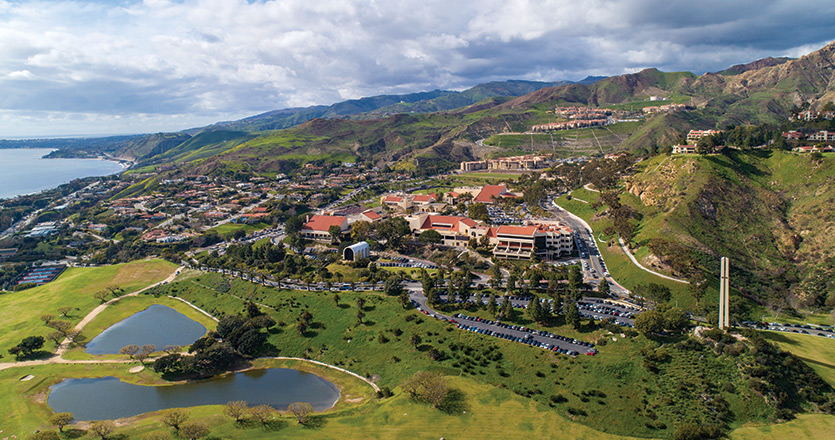
Nestled atop the rolling hills of Malibu, California, with breathtaking views of the Pacific Ocean, Pepperdine University stands as a beacon of higher education. Founded as a private institution, Pepperdine is renowned not only for its academic rigor but also for its picturesque campus and commitment to Christian values. This unique combination fosters a holistic educational experience that nurtures both the intellectual and spiritual growth of its students.
At Pepperdine University, students are immersed in an environment that combines rigorous academics with stunning scenic beauty and deep-rooted Christian values, providing a truly holistic educational experience that prepares them to lead with both knowledge and wisdom.
History and Mission
Historical Background
Pepperdine University was established in 1937 by entrepreneur George Pepperdine in South Los Angeles, inspired by his desire to create a college that would combine the academic rigor of the nation’s top schools with a Christian faith commitment. In the early 1970s, the university moved to its current location in Malibu to accommodate a growing student body and to better fulfill its educational mission.
University Mission
The mission of Pepperdine University is deeply woven with Christian principles, aiming to “strengthen lives for purpose, service, and leadership.” This mission influences every aspect of the university, from the curriculum to campus life, ensuring that students receive an education that is not only academically excellent but also morally and ethically informed. The university is committed to fostering a community that supports the intellectual and spiritual development of each individual, encouraging them to apply their learning in ways that positively impact the world.
Academic Excellence
Diverse Academic Offerings
Pepperdine University offers a wide range of programs through its five distinguished schools, each contributing to the fabric of Pepperdine’s academic landscape:
- Seaver College: The liberal arts college at Pepperdine, offering degrees in over 44 fields of study and a robust general education curriculum grounded in the liberal arts.
- The Graziadio Business School: Known for its innovative programs, Graziadio focuses on developing values-centered leaders and advancing responsible business practice through education that is entrepreneurial in spirit and global in orientation.
- The School of Law: Provides a comprehensive legal education marked by a rich curriculum and a variety of professional preparation opportunities.
- The Graduate School of Education and Psychology: Offers a range of master’s and doctoral programs that blend advanced theory with real-world practice.
- The School of Public Policy: With a unique liberal arts approach to policy studies, this school prepares students to work in governmental, private, and nonprofit sectors.
Standout Programs
Pepperdine prides itself on several standout programs that emphasize global awareness and leadership:
- International Business: Seaver College offers a dynamic International Business program that equips students with the necessary skills to excel in a global market, including study abroad opportunities and internships with multinational companies.
- Law: The School of Law at Pepperdine is particularly noted for its strong emphasis on dispute resolution, consistently ranked among the top programs in the nation.
- Public Policy: The School of Public Policy integrates a unique philosophy of “public leaders” who are grounded in a Christian worldview, promoting ethical leadership in both public and private sectors.
Spiritual Life and Values
Integration of Christian Values
Pepperdine University’s strong foundation in Christian values is evident throughout its curriculum and campus life. The university ensures that these principles are not only discussed but lived by its community:
- Curriculum Integration: All undergraduate students are required to take at least three courses in religion during their time at Pepperdine, including an introductory course in Christianity and two upper-division courses exploring the deeper aspects of faith and morality.
- Chapel Services: Regular chapel services are a central aspect of spiritual life at Pepperdine, providing a time for students to gather for worship, reflection, and community. Attendance is encouraged to foster a shared spiritual journey among students.
Student-Led Spiritual Organizations
Pepperdine offers a variety of student-led spiritual organizations and initiatives that reinforce the university’s mission:
- Spiritual Organizations: Groups such as the Campus Ministry team organize events and retreats that promote spiritual growth and community bonding.
- Community Service Missions: Many student groups participate in local and international service projects, which not only help those in need but also provide practical applications of faith-based teachings.
These spiritual and service opportunities are designed to support students’ spiritual growth alongside their academic pursuits, enriching their educational experience and preparing them for purposeful lives.
Campus Facilities and Location
Iconic Malibu Campus
Pepperdine University is famously located in Malibu, California, offering stunning panoramic views of the Pacific Ocean. The campus is renowned for its Mediterranean-style architecture, which complements the natural beauty of its surroundings, creating a serene and inspiring learning environment.
- Scenic Beauty: The campus’s cliff-top setting provides not only spectacular views but also a sense of seclusion and tranquility, ideal for study and reflection.
Key Facilities
Pepperdine boasts a range of state-of-the-art facilities that enhance both academic and extracurricular life:
- Payson Library: Recently renovated, the library offers extensive resources, study spaces, and technology, serving as the academic heart of the campus.
- Lisa Smith Wengler Center for the Arts: This center hosts a variety of performances, exhibitions, and lectures, enriching the cultural life of students and the community.
- Research and Academic Buildings: Advanced facilities, like the Drescher Graduate Campus, are equipped with the latest technologies and designed to foster innovation and collaborative learning.
Student Life and Activities
Vibrant Student Life
Student life at Pepperdine is dynamic and engaging, with a wide array of clubs, sports, and activities:
- Clubs and Organizations: With over 100 student organizations, ranging from academic clubs to cultural associations and recreational sports, there is something for every interest.
- Sports and Intramurals: Pepperdine offers a robust athletics program, including NCAA Division I teams and various intramural sports, promoting teamwork and school spirit.
Enhancement of the Student Experience
These activities are crucial in enhancing the student experience by fostering a tightly-knit community and developing well-rounded individuals:
- Community Building: Activities and organizations create a sense of community among students, which is vital for personal growth and networking.
- Personal Development: Participation in a diverse range of activities helps students develop leadership skills, teamwork, and a balanced approach to life.
Community Engagement and Global Impact
Initiatives in Community Service and Global Outreach
Pepperdine University is deeply committed to extending its influence beyond the classroom through extensive community service and global outreach programs:
- Volunteer Center: This hub coordinates service opportunities for students, including community service days, ongoing volunteer programs, and special outreach projects. It embodies Pepperdine’s dedication to serving others and enriching the lives of community members.
- International Programs: Pepperdine offers a broad range of study abroad programs that emphasize global citizenship and cultural exchange. With campuses in locations like London, Buenos Aires, and Shanghai, students gain firsthand experience of different cultures, helping to shape them into informed global leaders.
Ethical Leadership Impact
Pepperdine’s commitment to ethical leadership is evident in how it prepares students to contribute positively to society:
- Community-Based Learning: Courses often include components that require students to work directly with non-profit organizations, applying theoretical knowledge to solve real-world problems.
- Global Impact: Through its international programs, Pepperdine fosters a sense of global responsibility, preparing students to tackle global challenges ethically and effectively.
Notable Alumni and Contributions
Profiles of Successful Alumni
Pepperdine University has produced a roster of distinguished alumni who have excelled in various sectors:
- Entertainment: Alumni like Eric Christian Olsen and Brandy Norwood have made significant marks in acting and music, respectively.
- Sports: Pepperdine has produced top athletes, such as baseball player Randy Wolf and professional golfer Jason Gore.
- Business and Politics: The university boasts successful figures like Michael Tennenbaum, co-founder of Tennenbaum Capital Partners, and political commentator Dana Perino, former White House Press Secretary.
Alumni Network Support
The Pepperdine alumni network plays a crucial role in the university’s ongoing success:
- Mentorship and Networking: Alumni frequently return to campus to share their experiences and offer guidance through formal and informal mentorship programs.
- Supporting Scholarships and Programs: Many alumni contribute financially and serve on advisory boards, helping to shape the university’s future and support new generations of students.
Challenges and Future Prospects
Challenges Faced by Pepperdine
As with any institution, Pepperdine faces several challenges:
- Maintaining Diversity: Ensuring a diverse student body and faculty remains a challenge, crucial for fostering a rich learning environment.
- Balancing Secular and Religious Education: Navigating the balance between secular academic rigor and its Christian mission is increasingly complex in a global educational context.
- Environmental Sustainability: Located in Malibu, Pepperdine must continuously address sustainability, particularly with the threats of climate change affecting coastal regions.
Future Projects and Expansions
Looking ahead, Pepperdine plans several initiatives to enhance its educational impact:
- Technological Integration: Increasing the use of technology in classrooms to improve learning outcomes and accessibility.
- Campus Development: Plans for new facilities and renovations are aimed at reducing environmental impact and enhancing student life and learning.
Additional Resources:
- Pepperdine University – Official Website
https://www.pepperdine.edu/
Explore Pepperdine’s main site for information on its schools, programs, campus life, admissions, and community. - Pepperdine Admissions
https://www.pepperdine.edu/admission/
Learn about the admissions process, application requirements, and deadlines for both undergraduate and graduate programs. - Academic Programs at Pepperdine
https://www.pepperdine.edu/academics/
Discover Pepperdine’s wide range of degree programs across business, law, education, psychology, public policy, and liberal arts. - Financial Aid and Scholarships
https://www.pepperdine.edu/financial-aid/
Find information on financial aid options, scholarships, grants, and work-study programs available to Pepperdine students. - Pepperdine Campus Life
https://www.pepperdine.edu/student-life/
Explore the vibrant student life at Pepperdine, including clubs, student organizations, campus events, and recreational activities. - Pepperdine University – Center for Faith and Learning
https://www.pepperdine.edu/spiritual-life/
Learn about Pepperdine’s commitment to faith and spiritual development, including campus ministries, worship, and service opportunities. - Career Services and Professional Development
https://www.pepperdine.edu/career-services/
Access career counseling, internship support, and networking opportunities that help Pepperdine students prepare for the workforce. - Pepperdine Graduate School of Education and Psychology
https://gsep.pepperdine.edu/
A resource for those interested in Pepperdine’s graduate programs in education and psychology, with details on curricula, faculty, and admission. - Alumni Association
https://www.pepperdine.edu/alumni/
Learn how Pepperdine alumni stay connected, get involved, and leverage the network for career and personal growth after graduation. - Study Abroad Opportunities
https://www.pepperdine.edu/international-programs/
Discover Pepperdine’s extensive international programs, including study abroad, global internships, and service projects.
Conclusion
Pepperdine’s Unique Position
Pepperdine University uniquely blends academic excellence with spiritual depth, all set against one of the most stunning backdrops in higher education. Its commitment to forming individuals who are not only knowledgeable but also ethically grounded sets it apart.
Reflection on the Importance of Holistic Education
The education at Pepperdine does more than impart knowledge; it nurtures the mind and spirit, preparing students to make meaningful contributions to society. This holistic approach is essential for developing leaders capable of addressing contemporary challenges with integrity and informed perspective.
Graduate Programs at CSU Dominguez Hills (CSUDH)
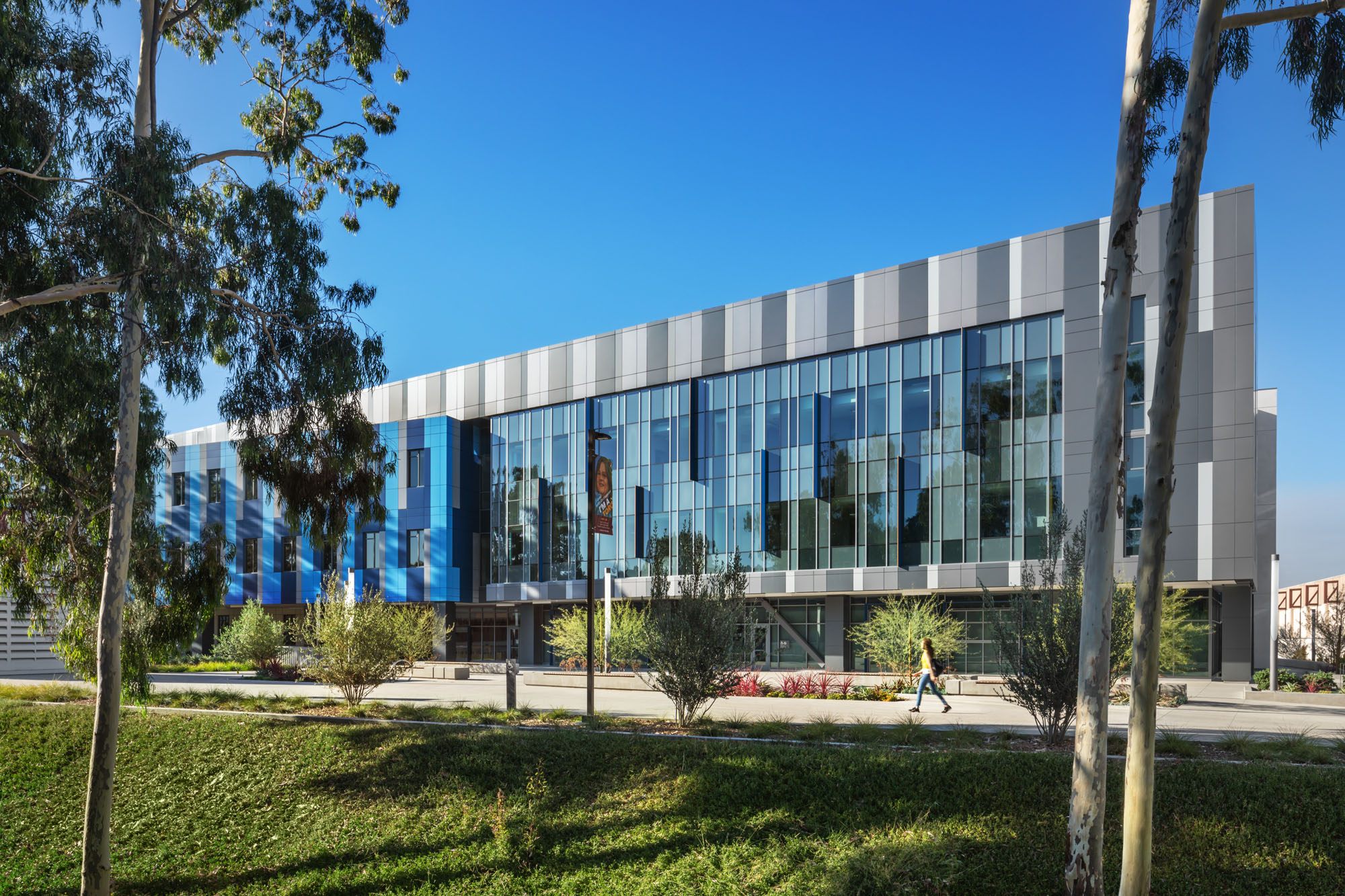
Nestled in the vibrant city of Carson, California, California State University, Dominguez Hills (CSUDH) is a key institution within the renowned California State University system. Known for its diverse student body and its commitment to academic excellence, CSUDH serves as a pivotal educational hub in the region, offering a range of undergraduate and graduate programs. This article delves into how the graduate programs at CSUDH not only open doors to enhanced career opportunities but also make significant contributions to both local and global communities through targeted education and impactful research.
Overview of Graduate Programs
Range of Programs Offered
CSUDH offers a comprehensive array of master’s degrees and certificate programs that cater to a variety of professional interests:
- Business Administration: Prepares students for leadership roles in business with a focus on ethical decision-making and strategic management.
- Nursing: Equips nurses with advanced practices to meet the challenges of modern healthcare environments.
- Education: Focuses on training educators to implement innovative teaching methods and lead educational reforms.
- Social Work: Develops skilled social workers who are prepared to enhance the well-being of communities and advocate for social justice.
Interdisciplinary Approach
The graduate programs at CSUDH are characterized by their interdisciplinary approach, merging practical skills with research to prepare students for real-world challenges:
- Practical Skills: Courses are designed to provide hands-on experience through case studies, simulations, and real-world problem-solving.
- Research Emphasis: Students engage in research that addresses pressing social, technological, and economic issues, contributing new knowledge and solutions that have a tangible impact.
Faculty Expertise and Research Opportunities
Notable Faculty
CSUDH prides itself on a faculty that combines academic excellence with real-world expertise:
- Professors with Industry Experience: Many faculty members come from professional backgrounds in their teaching fields, providing students with insights into current industry practices and future trends.
- Research Leaders: Faculty are often involved in groundbreaking research projects that influence their disciplines and inform their teaching.
Research Opportunities
Graduate students at CSUDH have unique opportunities to engage in meaningful research:
- Partnerships with Local Industries: These collaborations allow students to work on practical projects that complement their academic studies and benefit local businesses.
- Community Projects: Students participate in research initiatives that tackle community issues, such as urban development, public health, and education reform.
Student Support and Resources
Comprehensive Support Services
CSUDH is committed to the success of its graduate students, offering a robust array of support services:
- Career Services: Dedicated career counselors help students navigate their career paths post-graduation with job search assistance, resume workshops, and networking events.
- Academic Advising: Advisors are available to assist students in making informed decisions about their academic courses and research activities.
Networking and Professional Development
The university encourages active participation in student organizations and professional networks:
- Student Organizations: These groups provide peer support and opportunities for leadership development within the campus community.
- Professional Networking: Regular events and seminars allow students to connect with industry professionals, enhancing their job prospects and professional relationships.
Community Engagement and Social Impact
Addressing Key Social Issues
The graduate programs at California State University, Dominguez Hills (CSUDH) are deeply committed to addressing vital social issues through education, research, and direct community involvement. These programs actively contribute to areas such as education reform, healthcare disparities, and social justice by equipping students with the necessary tools to effect change.
- Education Reform: Graduate programs in education focus on equipping future educators and administrators with innovative strategies to improve educational outcomes and equity within local school systems.
- Healthcare Disparities: Programs in health sciences tackle issues related to access and equality in healthcare, training students to become leaders who can work towards reducing disparities in community health services.
- Social Justice Initiatives: Courses and specialized workshops in programs like social work and public administration provide students with an understanding of systemic inequalities and practical skills to advocate for policy changes.
Community Partnerships and Service-Learning
CSUDH fosters numerous partnerships with local organizations and engages in service-learning projects that allow students to apply their academic learning to real-world problems:
- Community-Based Projects: These projects include collaborations with non-profits and governmental agencies to provide tangible benefits to the community, such as urban renewal initiatives and community health programs.
- Service-Learning: Courses are designed to include service-learning components that integrate professional skills with community service, giving students firsthand experience in addressing community needs.
Alumni Success Stories
Profiles of Successful Alumni
CSUDH’s graduate programs have a long history of cultivating successful professionals who excel in various fields:
- Advancements in Education: Alumni who have gone on to influence educational policy and practice, contributing to significant reforms in public education.
- Leaders in Healthcare: Graduates who lead major health initiatives that improve patient care and public health policies.
- Champions of Social Justice: Former students who utilize their degrees in public administration and social work to drive legislative changes and lead non-profit organizations focused on social equity.
Alumni Network Support
The robust alumni network at CSUDH plays a crucial role in the continued success of the university and its students:
- Mentoring Programs: Seasoned professionals from the alumni pool provide mentoring to current students, offering guidance and sharing valuable industry insights.
- Professional Development: The network facilitates ongoing professional development opportunities, including workshops, seminars, and networking events that help new graduates advance in their careers.
Challenges and Future Outlook
Current Challenges
Graduate programs at CSUDH face several challenges as they continue to adapt to an ever-evolving educational landscape:
- Adapting to Educational Demands: Rapid changes in job market demands and technological advancements require constant curriculum updates and incorporation of new teaching methods.
- Maintaining Diversity: Efforts to sustain and enhance diversity among students and faculty are ongoing, reflecting the university’s commitment to inclusivity.
Future Initiatives
Looking ahead, CSUDH plans to expand and enhance its graduate offerings to better serve students and the community:
- Program Expansion: New graduate programs and specializations are being considered to address emerging fields and industries.
- Infrastructure Development: Investments in state-of-the-art facilities and technology to support innovative teaching and research activities are underway.
- CSUDH Official Website
https://www.csudh.edu/
Find all official information on CSUDH’s programs, admissions, campus events, and resources for current and prospective students. - CSUDH Admissions
https://www.csudh.edu/future-students/admissions/
Discover details on undergraduate and graduate admissions, application requirements, deadlines, and enrollment processes. - Academic Programs at CSUDH
https://www.csudh.edu/academics/
Explore the variety of undergraduate, graduate, and certificate programs available across CSUDH’s colleges. - CSUDH Financial Aid and Scholarships
https://www.csudh.edu/financial-aid/
Access information on financial aid, scholarships, grants, and work-study opportunities to help fund your education. - CSUDH Career Center
https://www.csudh.edu/career-center/
Find career resources, internships, and job placement services to support students in preparing for the workforce. - CSUDH Student Life and Events
https://www.csudh.edu/student-affairs/
Learn more about campus organizations, events, student support services, and ways to get involved in the CSUDH community. - CSUDH Library
https://www.csudh.edu/library/
Access digital and physical library resources, research guides, study support, and special collections available to CSUDH students. - CSUDH Housing and Residential Life
https://www.csudh.edu/housing/
Explore on-campus housing options, living communities, and resources for residential students. - CSU Application Portal (Cal State Apply)
https://www2.calstate.edu/apply
The official application portal for all California State University (CSU) campuses, including CSUDH. - CSUDH Alumni Association
https://www.csudh.edu/alumni/
Learn about the benefits, networking events, and resources available to CSUDH alumni and ways to stay connected after graduation.
Conclusion
Significance of CSUDH Graduate Programs
The graduate programs at CSU Dominguez Hills stand out as a cornerstone of advanced education, significantly contributing to career advancement and community well-being. They not only prepare students for professional success but also instill a deep sense of social responsibility.
Importance of Graduate Studies
Reflecting on the broader impact, the graduate studies at CSUDH are essential for fostering innovation and leadership. They prepare individuals who are ready to tackle contemporary challenges, driving progress in their professions and communities alike, underlining the critical role of higher education in societal advancement.
Related Posts:
HBCU Colleges in California Overview
Beaumont Adult School
Santa Barbara City College SBCC – The Ultimate Beachside Campus Experience
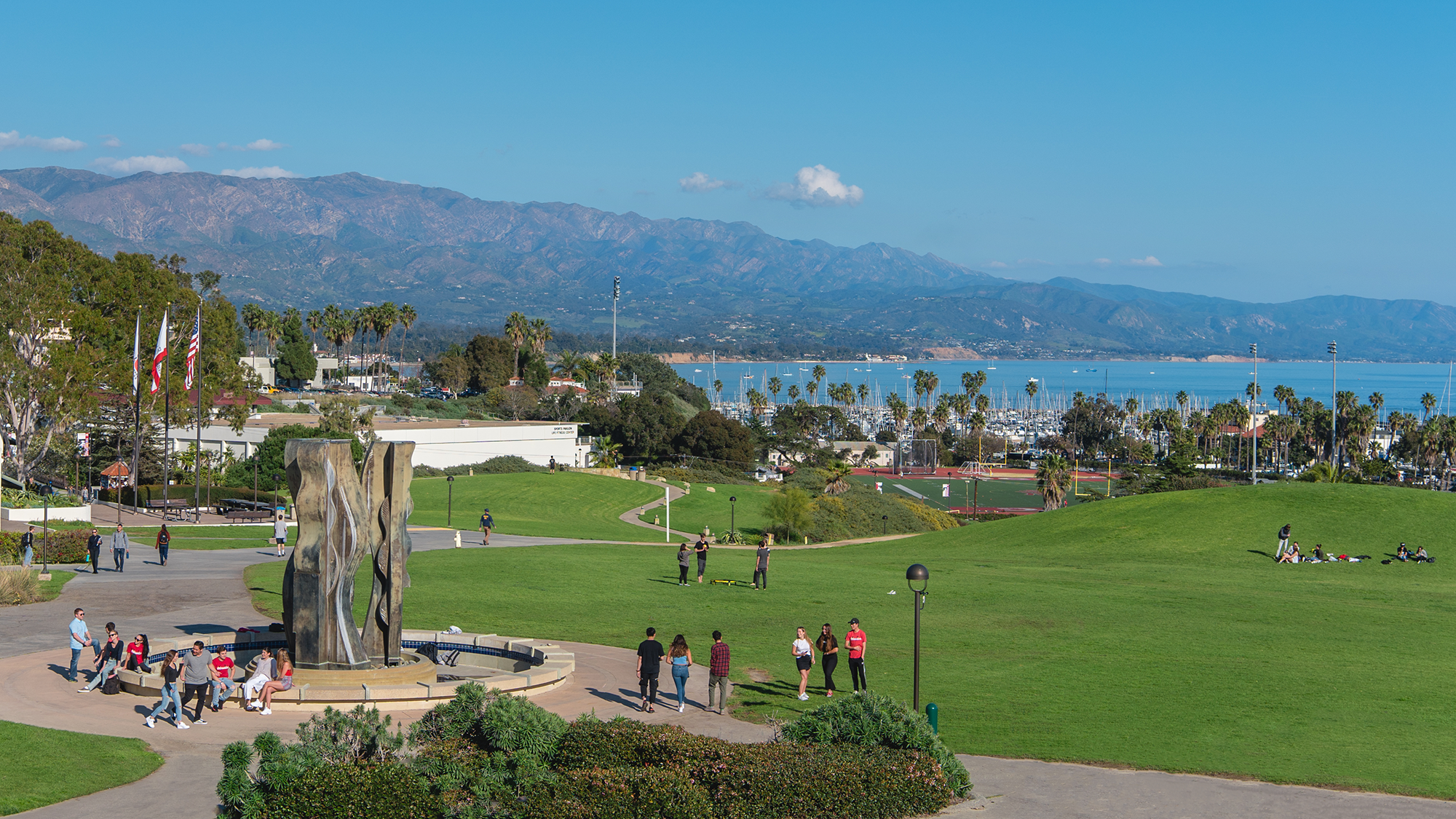
Nestled along the picturesque coastline of Santa Barbara, Santa Barbara City College (SBCC) stands as a beacon of higher education in Southern California. Renowned for its stunning ocean views and robust academic environment, SBCC has been serving the local community and students from around the world since its establishment. The college plays a pivotal role in the educational landscape of Santa Barbara, offering a range of innovative learning opportunities and actively engaging in community development.
As a cornerstone of education in Santa Barbara, SBCC not only offers expansive educational opportunities but also fosters significant community engagement, setting a standard for how community colleges can serve as vital resources in their locales.
History and Mission
History of SBCC
Santa Barbara City College was founded with the purpose of providing accessible education to the residents of Santa Barbara and surrounding areas. Over the years, SBCC has grown significantly, adapting to the changing educational needs of its community while maintaining a strong commitment to its core values of inclusivity and excellence.
Mission and Commitment
The mission of SBCC is to empower students from diverse backgrounds by providing high-quality postsecondary education that aims to enhance their personal and professional lives. SBCC is dedicated to the ideals of enriching lives through learning opportunities and maintaining an open-door policy, which ensures that anyone who desires to learn has the opportunity to do so. The college’s dedication to student success is evident in its comprehensive support services and its commitment to creating accessible pathways for student achievement.
Academic Excellence
Diverse Academic Programs
SBCC offers a broad spectrum of academic programs that cater to a wide range of interests and career goals. From arts and humanities to science and technology, SBCC provides students with the necessary tools to succeed in their chosen fields. Standout departments include:
- Marine Science: Leveraging its coastal location, SBCC offers exceptional programs in marine biology and environmental science.
- Culinary Arts and Hospitality Studies: Known for its state-of-the-art culinary facilities and strong industry connections.
- Film and Media Studies: Offering hands-on experience in film production and media analysis.
Achievements and Recognitions
SBCC has consistently been recognized for its academic excellence and innovative programs. The college has received numerous awards for its contributions to community college education, including recognition for its excellent transfer rates to four-year universities and for providing exceptional vocational training. SBCC’s sports teams and artistic productions often receive accolades, further highlighting the college’s commitment to fostering talent in all areas.
Campus Facilities and Resources
State-of-the-Art Facilities
SBCC’s campus is equipped with modern facilities that enhance the learning experience for students. These include high-tech laboratories for science and technology courses, a professional-grade kitchen for culinary arts students, and a recently renovated library that serves as a hub of student activity and learning.
Support Services and Resources
Understanding the importance of comprehensive support, SBCC offers a wide array of student services, including:
- Academic Advising: Helping students navigate their educational paths.
- Career Services: Offering guidance on career choices and employment opportunities.
- Counseling Services: Providing mental health support to ensure the well-being of students.
Student Life and Activities
Vibrant Student Life
The student life at SBCC is dynamic and diverse, with numerous clubs, sports teams, and organizations that cater to a wide range of interests. Whether students are looking to engage in academic clubs, cultural organizations, or recreational sports, SBCC provides them with the opportunities to explore and grow.
Contribution to Community Building
Extracurricular activities at SBCC are not only about personal growth but also about community building. Many student organizations focus on service projects, environmental sustainability, and community outreach, embodying the college’s commitment to societal contribution. For example, environmental clubs participate in local beach cleanups, while culinary students often prepare meals for community events, showcasing how campus activities extend beyond personal development to make a tangible impact on the local community.
Community Engagement and Impact
SBCC’s Role in the Local Community
Santa Barbara City College (SBCC) plays a vital role in the local community by actively participating in outreach programs, offering continuing education opportunities, and forging strong partnerships with local businesses and organizations. These initiatives are integral to SBCC’s mission to serve as a community hub that extends learning beyond the traditional college environment.
- Outreach Programs: SBCC runs various outreach programs aimed at increasing educational awareness and opportunities for the underserved populations within the Santa Barbara area. These include workshops and seminars on college readiness, financial literacy, and career planning.
- Continuing Education: Recognizing the need for lifelong learning, SBCC offers a wide range of non-credit courses that cater to adults looking to enhance their skills or pursue new interests. These programs are crucial for adapting to changing job markets and serve as a resource for personal and professional development.
- Partnerships with Local Businesses: By collaborating with local industries, SBCC not only boosts local economic development but also ensures its curriculum remains relevant to current job markets. These partnerships often result in internship opportunities, guest lectures, and collaborative projects that provide real-world experience to students.
Contribution to Economic Development and Community Well-being
SBCC’s initiatives contribute significantly to local economic growth and community well-being by:
- Skill Development: Training students in high-demand areas, thereby increasing employment rates and supporting local industries.
- Community Projects: Engaging in projects that improve community infrastructure and quality of life, such as environmental conservation efforts and public health campaigns.
Innovative Programs and Initiatives
Unique and Innovative Programs
SBCC stands out among community colleges for its innovative programs that address the needs of contemporary society and industry:
- Sustainability Initiatives: SBCC has developed programs focused on sustainability, which include courses in environmental science, sustainable agriculture, and green technology. These programs not only educate students on critical environmental issues but also prepare them for careers in emerging green industries.
- Tech Incubators: Recognizing the importance of technology in today’s economy, SBCC hosts tech incubators that support students and local entrepreneurs in developing new technologies and startups, providing a valuable platform for innovation.
- Unique Arts Programs: SBCC offers distinctive arts programs that integrate digital media and traditional arts, providing students with the skills to succeed in the modern creative industries.
Preparing Students for the Job Market
These innovative programs are designed to align closely with current industry trends and prepare students for future challenges by:
- Practical Experience: Offering hands-on learning experiences that simulate real-world scenarios.
- Industry Standards: Teaching the latest technologies and methodologies used in industry, thereby enhancing student employability.
Notable Alumni and Contributions
Profiles of Successful Alumni
SBCC boasts a number of alumni who have gone on to make significant impacts in their fields:
- Tech Entrepreneurs: Alumni who have launched successful startups and tech companies.
- Public Servants: Graduates who have entered public service, contributing to policy and community development.
- Arts and Media Influencers: Former students who have achieved recognition in the arts and media sectors, influencing culture and entertainment.
Alumni Network Support
The alumni network of SBCC plays a crucial role in the college’s success by:
- Mentorship Programs: Experienced alumni mentor current students, providing guidance and sharing industry insights.
- Networking Opportunities: Alumni events foster professional connections that can lead to job placements and career advancement.
Challenges and Future Prospects
Challenges Faced by SBCC
Despite its successes, SBCC faces several challenges:
- Funding: Like many public institutions, securing sufficient funding remains a challenge, impacting everything from program offerings to facility upgrades.
- Student Retention: Ensuring that students complete their programs is an ongoing challenge, particularly given the diverse and often non-traditional student body.
Future Projects and Expansions
Looking to the future, SBCC is planning several initiatives to enhance its offerings and community involvement:
- Technological Advancements: Integrating more advanced technology into classrooms and expanding online education options.
- Expansion of Campus Facilities: Developing new facilities to accommodate growing student numbers and expanding program offerings.
These strategies are designed to address current challenges and position SBCC for continued success in fulfilling its educational mission and serving its community.
Additional Resources:
- Santa Barbara City College – Official Website
https://www.sbcc.edu/
Explore SBCC’s main site for information on academic programs, campus resources, and student services. - SBCC Admissions
https://www.sbcc.edu/admissions/
Learn about the admissions process, application requirements, and deadlines for enrolling at SBCC. - Academic Programs and Degrees at SBCC
https://www.sbcc.edu/degrees-certificates/
Discover a variety of associate degrees, certificate programs, and transfer options available at SBCC. - Financial Aid and Scholarships
https://www.sbcc.edu/financialaid/
Find details on financial aid, scholarships, grants, and work-study opportunities to help support your education. - SBCC Transfer Center
https://www.sbcc.edu/transfercenter/
Access resources for students planning to transfer to a four-year university, including guidance on CSU, UC, and private college transfers. - SBCC Student Support Services
https://www.sbcc.edu/studentsupportservices/
Explore resources for academic counseling, tutoring, mental health support, and services designed to help students succeed. - Career Center at SBCC
https://www.sbcc.edu/careercenter/
Find career exploration tools, internship resources, resume assistance, and job search support for students and graduates. - Study Abroad Programs
https://www.sbcc.edu/studyabroad/
Discover exciting study abroad opportunities that allow SBCC students to gain international experience while earning credits. - SBCC Campus Life and Student Activities
https://www.sbcc.edu/studentlife/
Learn more about campus clubs, organizations, and events that create a vibrant community for students at SBCC. - SBCC Library and Learning Resources
https://library.sbcc.edu/
Access digital and physical resources, study support, research tools, and library services available to SBCC students.
Affordable Degrees at Santa Barbara & Ventura Colleges of Law
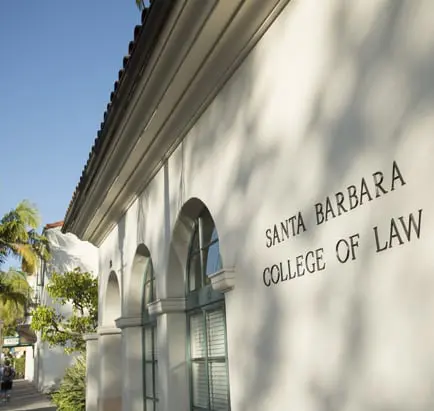
The Santa Barbara and Ventura Colleges of Law, with its campuses strategically placed in Santa Barbara and Ventura, California, stands out as a pioneering institution dedicated to making legal education more accessible and relevant in today’s rapidly changing world. Founded with a mission to democratize the opportunity to pursue legal studies, The Colleges of Law offers innovative programs that blend traditional learning with modern technology and practical experience. The Colleges of Law is not merely an institution for legal studies; it is a community centered on the principles of accessibility, practical skills training, and community impact.
Santa Barbara Campus
Nestled in the heart of downtown Santa Barbara, the campus is within walking distance of both private and public law offices as well as the Santa Barbara Courthouse, offering students unparalleled access to real-world legal environments. The campus is also home to the McMahon Law Library, a crucial resource for students pursuing legal studies.
- Location: 20 E. Victoria St, Santa Barbara, CA 93101
- Contact Information:
- Campus: 805.979.9860
- Admissions: 805.979.9865
- Programs Offered:
- Juris Doctor (J.D.): This program is designed to prepare graduates for the California Bar Exam through a collaborative learning environment that emphasizes discussion and debate.
- Hybrid Juris Doctor: An innovative offering that combines 70% online learning with 30% in-person sessions, focusing on practical “Lawyering Skills.”
- Master of Business, Law, and Technology: A fully online program tailored to equip students with knowledge at the intersection of business operations, entrepreneurship, emerging law, and technology.
Ventura Campus
The Ventura Campus is located just a mile from the Ventura County Government Center, further enhancing the practical learning experiences by facilitating easy access to governmental legal resources. Students can also use the resources at the County Law Library, supporting their academic and practical legal training.
- Location: 4475 Market Street, Ventura, CA 93003
- Contact Information:
- Campus: 805.765.9300
- Admissions: 805.765.9732
- Programs Offered:
- Hybrid Juris Doctor: Mirroring the Santa Barbara program, this innovative hybrid model is designed for students seeking a flexible learning schedule that still provides rigorous legal training.
- Master of Business, Law, and Technology: Identical to the offering in Santa Barbara, this program is delivered entirely online, focusing on preparing graduates for leadership roles at the nexus of law, business, and technology.
Online Programs
Understanding the needs of modern students, The Colleges of Law also offers flexible online programs designed for those who may find it challenging to attend campus classes.
- Hybrid Juris Doctor: Offers a blend of online coursework with essential in-person experiences, ideal for students balancing professional and personal commitments.
- Master of Business, Law, and Technology: Prepares students for advanced roles in industries where business, law, and technology intersect, emphasizing a leadership curriculum that is fully accessible online.
History and Mission
Historical Background
The Colleges of Law traces its roots to its establishment with a clear vision: to democratize access to legal education. Recognizing the need for more flexible and accessible legal training, the institution was designed to cater to a diverse student body, including working professionals and those who might not otherwise have the opportunity to pursue a legal career. Over the years, it has maintained a steadfast commitment to adapting its educational offerings to meet the evolving demands of the legal profession and its community.
Institutional Mission
The mission of The Colleges of Law is twofold: to make legal education accessible to a broad audience and to prepare students for effective and ethical practice. This mission is grounded in the belief that legal education should not only be available to those who can afford traditional routes but should also instill a robust sense of civic responsibility and ethical conduct. The Colleges of Law aims to produce graduates who are not only competent legal professionals but also community leaders and advocates for justice.
Academic Programs
Degree Programs Offered
The Colleges of Law offers a variety of academic programs designed to equip students with the necessary skills and knowledge to excel in the legal field:
- Juris Doctor (J.D.): This program prepares students to sit for the California Bar Exam and includes comprehensive studies in areas such as civil procedure, constitutional law, contracts, and property law.
- Master of Legal Studies (M.L.S.): Aimed at professionals who wish to gain a deeper understanding of the law without becoming practicing attorneys, this program covers fundamentals that are applicable in various industries and professions.
Specialized Certifications and Focus Areas
In addition to traditional degree programs, The Colleges of Law offers specialized certifications and focused areas of study that cater to diverse career paths:
- Certifications in Mediation and Conflict Resolution: These programs are designed for those looking to enhance their skills in negotiation and conflict resolution, crucial for legal and corporate environments.
- Focus on Environmental Law, Business Law, and Technology Law: These areas meet the growing demand for legal expertise in sectors that are rapidly evolving globally.
Innovative Teaching Methods
Pedagogical Approaches
The Colleges of Law employs innovative teaching methods that emphasize practical skills training and real-world applications:
- Community-Based Learning: Students engage in community service and legal clinics that provide hands-on experience in dealing with actual legal issues under the supervision of experienced faculty.
- Simulation and Role-Play: Classrooms mimic real courtrooms, where students argue cases and practice litigation, negotiation, and client counseling skills.
Preparation for Legal Practice and Service
These pedagogical strategies are specifically designed to prepare students for the realities of legal practice and community service. By integrating theory with practical application, The Colleges of Law ensures that graduates are not only ready to pass the bar but also to serve effectively and ethically in various capacities.
Campus Culture and Student Life
Student Demographics and Environment
The Colleges of Law attracts a diverse student body, including recent undergraduates, mid-career professionals, and international students. This diversity enriches discussions and learning experiences, reflecting the real-world environments in which graduates will work.
Student Organizations and Activities
- Law Review and Moot Court: These student-run organizations provide opportunities for scholarly writing and competitive advocacy, which are highly regarded in the legal profession.
- Networking Events and Guest Lectures: Regular events with alumni and local practitioners offer students invaluable networking opportunities and insights into different legal careers.
Community Engagement and Impact
Engagement with Local Communities
The Colleges of Law deeply values its relationship with the surrounding communities, understanding that legal education should transcend classroom boundaries and positively impact society. This commitment is manifested through various initiatives:
- Legal Clinics: The Colleges of Law operate several legal clinics that offer free or low-cost legal services to underrepresented and low-income individuals. These clinics cover areas such as family law, immigration, and tenant rights, providing essential services while giving students practical experience.
- Pro Bono Work: Students and faculty regularly engage in pro bono work, dedicating thousands of hours annually to help those who cannot afford legal representation. This not only aids the community but also instills a lifelong commitment to public service among students.
Contributions to Societal Needs and Justice Reform
The participation of students and faculty in these activities often leads to significant contributions to societal needs and justice reform:
- Community Workshops and Seminars: The Colleges of Law hosts workshops that educate the public on legal rights and procedures, empowering community members to navigate the legal system more effectively.
- Advocacy and Policy Influence: Faculty and students frequently collaborate on initiatives that advocate for legislative changes and policy reforms, particularly in areas of pressing social need like criminal justice reform and environmental law.
Alumni Contributions
Broader Contributions of the Alumni Network
The contributions of the alumni network extend beyond individual achievements:
- Legal Scholarship: Many alumni contribute to legal scholarship through articles, textbooks, and other academic publications that shape how law is taught and practiced.
- Public Discourse: Alumni also play active roles in public discourse, participating in debates and discussions that influence public opinions and policy decisions related to law and justice.
Challenges and Future Outlook
Challenges
The Colleges of Law faces several challenges that mirror broader trends in legal education:
- Adapting to Legal Education Standards: Rapid changes in legal education standards and the increasing importance of technology in law practice require ongoing curriculum adjustments and faculty development to stay current.
- Technology Integration: Incorporating new technologies such as artificial intelligence and blockchain into the curriculum, while ensuring that students are proficient in these areas, presents both an opportunity and a challenge.
Future Initiatives and Programs
Looking to the future, The Colleges of Law plans to enhance its educational offerings and expand its community services:
- New Academic Programs: The introduction of new programs focused on emerging areas of law, such as cybersecurity law and international human rights, is planned to keep pace with global legal trends.
- Expanded Community Engagement: Increasing the capacity of legal clinics and extending the range of pro bono services are also key priorities, aimed at broadening the impact on local and international communities.
Additional Resources:
- The Santa Barbara and Ventura Colleges of Law – Official Website
https://www.collegesoflaw.edu/
Explore the official website for information on programs, admissions, campus resources, and more. - Programs and Degrees
https://www.collegesoflaw.edu/academics/
Learn about the variety of law degrees offered, including the Juris Doctor (JD) and Master of Legal Studies (MLS) programs. - Admissions and Application Process
https://www.collegesoflaw.edu/admissions/
Find detailed information on admissions requirements, application deadlines, and the steps for applying. - Financial Aid and Scholarships
https://www.collegesoflaw.edu/financial-aid/
Discover financial aid options, scholarships, and payment plans available to support students pursuing a legal education. - Student Services and Support
https://www.collegesoflaw.edu/student-services/
Access resources including academic advising, tutoring, and support services designed to help students succeed. - Online and Hybrid Learning Options
https://www.collegesoflaw.edu/online-hybrid-programs/
Learn about online and hybrid learning options that provide flexibility for working professionals and those balancing other commitments. - Law Library and Research Resources
https://www.collegesoflaw.edu/law-library/
Discover digital and physical resources for legal research, study support, and accessing law databases. - Career Development and Networking
https://www.collegesoflaw.edu/career-services/
Find career counseling, job placement assistance, and networking opportunities that support students and alumni in their legal careers. - California State Bar – Licensing and Exams
https://www.calbar.ca.gov/
Review information on the California Bar Exam, licensing requirements, and resources for aspiring attorneys in California. - Law School Admission Council (LSAC)
https://www.lsac.org/
A comprehensive resource for law school applicants, including LSAT preparation, law school application information, and tools for future legal students.
Related Posts:
Southwestern Law School Acceptance Rate
Choosing the Right Public Administration College

Choosing the right public administration college is crucial for aspiring professionals. In today’s rapidly evolving world, the need for skilled public administrators has never been more crucial. Public Administration is the backbone of effective governance, responsible for shaping policies, managing public services, and ensuring that communities thrive. Whether it’s enhancing public safety, developing sustainable urban plans, or implementing essential social programs, public administrators play a pivotal role in addressing the complex challenges faced by modern societies.
Pursuing a degree in Public Administration equips you with the knowledge and skills to drive meaningful change and make a significant impact in various sectors, from local government to non-profit organizations. With a focus on leadership, strategic management, and policy analysis, this field offers diverse career opportunities and the chance to contribute to the public good.
In Southern California, renowned institutions offer top-tier Public Administration programs designed to prepare you for these vital roles. Explore our comprehensive list of colleges and discover how you can begin your journey toward becoming a leader in public service.
The purpose of this topic outline is to provide guidance and insights for individuals interested in pursuing public administration education by outlining key factors to consider when selecting a college, highlighting top institutions, discussing admission requirements, curriculum structures, faculty expertise, student resources, alum outcomes, challenges, opportunities, and future trends in the field.
Understanding Public Administration Education
Overview of public administration as a field of study
Public administration encompasses how government agencies and nonprofit organizations manage resources, implement policies, and deliver services to the public. It involves understanding the complexities of public governance, organizational behavior, budgeting, strategic planning, and public policy analysis.
Relevance of public administration in governance and policymaking
Public administration is essential for effective management and policymaking at all levels of government and in nonprofit organizations. It ensures the efficient allocation of resources, equitable service delivery, transparency, and accountability in decision-making processes.
Evolution of public administration education
Public administration education to meet the changing needs of society and the public sector. Public administration education has adapted to address emerging challenges and trends, from its early emphasis on bureaucratic efficiency and management principles to its contemporary focus on participatory governance, social equity, and sustainable development.
Factors to Consider in Selecting Public Administration Colleges
Accreditation and reputation of the college: Accreditation ensures that the college meets recognized standards of quality and rigor in its academic programs. A college’s reputation reflects its standing within the academic community and among employers in the public and nonprofit sectors.
Faculty expertise and research opportunities: Faculty members with diverse backgrounds and expertise enhance the quality of education by bringing real-world experience and cutting-edge research into the classroom. Research opportunities allow students to engage in scholarly inquiry, contribute to knowledge creation, and address pressing issues in public administration.
Curriculum structure and specialization options: A well-designed provides students with a comprehensive understanding of public administration while offering opportunities for specialization in areas such as public policy analysis, urban planning, environmental management, or nonprofit leadership. Specialization options allow students to tailor their education to their career interests and goals.
Internship and experiential learning opportunities: Internships, fieldwork, and learning opportunities provide students with hands-on experience in real-world settings, allowing them to apply theoretical knowledge to practical challenges, develop professional skills, and build professional networks.
Top Public Administration Colleges in the United States
Ivy League institutions offering public administration programs: Ivy League universities like Harvard University, Princeton University, and Columbia University have renowned public administration programs known for their academic rigor, influential faculty, and strong alum networks.
Public universities renowned for their public administration departments: Public universities such as the University of Michigan, the University of California, Berkeley, and the University of North Carolina at Chapel Hill have top-ranked public administration departments with faculty engaged in cutting-edge research and policy analysis.
Specialized colleges focusing on public policy and administration: Specialized institutions like the Maxwell School of Citizenship the Wagner School of Public Service at New York University, and the Evans School of Public Policy and Governance at the University of Washington offer comprehensive programs in public policy and administration.
Notable online programs in public administration: Online programs offered by institutions like Arizona State University, and the University of Southern California provide flexible and accessible options for students seeking to advance their careers in public administration while balancing work and other commitments.
Admission Requirements and Process
Academic prerequisites for admission: Public administration colleges require to hold a bachelor’s degree from an institution. Prerequisites may include coursework in related fields such as political science, economics, sociology, or public policy.
Application process and deadlines: Prospective students must submit an application form with transcripts, letters of recommendation, a statement of purpose (if required). Deadlines for application submission vary by college but commonly fall in the fall or winter preceding the desired enrollment year.
Admission criteria and selection process: Admissions committees evaluate applicants based on academic achievement, professional experience, letters of recommendation, personal statements, and interviews. They seek candidates who demonstrate strong analytical skills, leadership potential, and a commitment to public service.
Financial aid and scholarship opportunities: Public administration colleges offer various forms of financial aid, grants, loans,work-study programs, to help students finance their education. The college’s website typically provides information about financial aid options and application procedures.
Curriculum and Course Structure
Core courses in public administration theory and practice: The curriculum includes foundational courses covering public policy analysis, administrative theory, budgeting and finance, organizational behavior, and program evaluation.
Specialization tracks: Students can choose from specialization tracks aligned with their career interests, such as public policy, nonprofit management, urban planning, environmental policy, healthcare administration, or international development.
Capstone projects and fieldwork requirements: Many programs culminate in a capstone project or thesis, allowing students to apply their skills to real-world. Fieldwork requirements provide opportunities for hands-on experience through internships, practicums, or research projects.
Integration of theory and practical application: Public administration programs emphasize integrating theory and practice, offering experiential learning opportunities and case studies to help students develop critical thinking and decision-making skills in public administration contexts.
Faculty and Research Opportunities
Qualifications and expertise of faculty members: Faculty members possess advanced degrees and professional experience in public administration, political science, economics, or related fields. Their expertise spans various areas of public policy, governance, management, and leadership.
Research centers and institutes: Public administration colleges often house research centers and institutes focused on policy analysis, public management, social equity, and governance. These centers provide opportunities for students to engage in collaborative research projects and policy analysis.
Opportunities for student involvement in faculty research: Students may have opportunities to work with faculty on research projects, assisting with data collection, analysis, and writing. These research opportunities enhance students’ academic experience and provide valuable skills for their future careers.
Collaboration with government agencies and nonprofit organizations: Public administration colleges often collaborate with government agencies, nonprofit organizations, and community partners to address real-world challenges through applied research, consulting projects, and policy analysis. These collaborations provide students with opportunities for learning and networking with professionals in the field.
Student Resources and Support Services
Academic advising and mentorship programs: Public administration colleges provide academic advisors who guide course selection, educational planning, and career pathways. Mentorship programs connect students with faculty or alums mentors who provide personalized support and advice.
Career services and internship placement assistance: Career services assist students in exploring career options, preparing cover letters, and developing job search strategies. They also facilitate internship placements with government agencies, nonprofit organizations, and private sector firms to provide students with practical work experience.
Networking events and professional development workshops: Colleges organize networking events, guest lectures, and panel discussions where students can interact with professionals in the field and build connections. Professional development workshops offer training in essential communication, leadership, and project management skills.
Student organizations and extracurricular activities: Public administration colleges host student organizations and clubs focused on public service, policy advocacy, and community engagement. These extracurricular activities allow students to collaborate on projects, participate in service initiatives, and develop leadership skills.
Alumni Success and Career Outcomes
Graduation rates and post-graduate achievements: Colleges track graduation rates and monitor the success of alums in securing employment or pursuing further education. High graduation rates and positive post-graduate outcomes reflect the effectiveness of the public administration program.
Career paths pursued by public administration graduates: Alumni follow diverse career paths in government, nonprofit organizations, international agencies, consulting firms, and the private sector. They hold positions such as policy analysts, program managers, public administrators, urban planners, and elected officials.
Testimonials and success stories from alums: Alumni testimonials and success stories showcase the impact of public administration education on professional growth and success. Hearing from alums about their experiences and accomplishments can inspire current students and prospective applicants.
Impact of public administration education on professional growth and advancement: It equips graduates with the skills, and networks needed to succeed in their future careers. Alums attribute their professional development and advancement to the education, training, and support they received in the program.
Challenges and Opportunities in Public Administration Education
Addressing emerging issues in public administration curriculum: Colleges must continually update their curriculum to address technological advancements, globalization, environmental sustainability, and social justice issues.
Incorporating diversity, equity, and inclusion in public administration programs: Colleges must ensure that their programs reflect diverse perspectives and experiences and actively promote inclusivity in their curriculum, faculty hiring, and student support services.
Seizing opportunities for interdisciplinary collaboration and innovation: Public administration colleges can benefit from collaborating with other disciplines, such as economics, sociology, environmental studies, and data science, to address complex societal issues and develop innovative solutions.
Future Trends and Outlook
- Anticipated growth and evolution of public administration education: Public administration education is expected to grow in response to the demand for skilled professionals in governance, public policy, and nonprofit management. Colleges will likely expand their offerings and embrace new teaching methodologies to meet the evolving needs of students and employers.
- Emerging trends in public policy and governance: Future trends may include greater emphasis on evidence-based policymaking, increased use of technology in governance, and growing recognition of the importance of cross-sector collaboration in addressing societal challenges.
- Continued contributions of public administration colleges to societal welfare and governance frameworks: Public administration colleges will play a crucial role in educating future leaders and policymakers who will shape the future of governance, public service, and social welfare. Their contributions will be instrumental in advancing effective and equitable governance frameworks to address the needs of diverse communities.
Data on Public Administration Degree Colleges
Selecting the right public administration degree college is crucial for aspiring professionals seeking a career in governance, policy analysis, and public service. Students can make decisions that align with their career goals and aspirations by considering Accreditation, faculty expertise, curriculum structure, and internship opportunities.
Additional Resources
Navigating the path to a successful career in Public Administration requires more than just choosing the right program. To support your journey, we’ve compiled a list of valuable resources to help you with career planning, financial aid, and program reviews.
Career Resources
- Career Advice for Public Administrators:
- American Society for Public Administration (ASPA): Offers resources on career development, networking opportunities, and professional standards.
- National Association of Schools of Public Affairs and Administration (NASPAA): Provides career services, job boards, and advice tailored to public administration professionals.
- Idealist: A job board dedicated to public service careers, including opportunities in government and non-profit sectors.
- Job Search Tools:
- LinkedIn Jobs: Search for public administration positions and connect with professionals in the field.
- USAJOBS: The federal government’s official job site for finding positions in public administration and related fields.
Financial Aid
- Scholarships and Grants:
- Public Service Loan Forgiveness Program: Learn about loan forgiveness options available for public service employees.
- Scholarships.com: A comprehensive database of scholarships and grants for students pursuing degrees in Public Administration.
- Fastweb: Another useful scholarship search engine with listings for financial aid specific to public administration programs.
- Financial Aid Information:
- Federal Student Aid: Offers information on federal student loans, grants, and work-study programs.
- College Board Scholarship Search: Find scholarships and financial aid opportunities tailored to your educational needs.
Program Reviews and Rankings
- Program Rankings:
- U.S. News & World Report – Public Administration Programs: Provides rankings and reviews of top public administration programs across the country.
- The Princeton Review – Best Public Affairs Schools: Offers insights and rankings of leading public affairs programs.
- Student Reviews:
- GradReports: Features student reviews and program ratings to help you gauge the quality of different public administration programs.
- Niche – Public Administration Programs: Provides reviews and rankings of public administration programs, along with insights from current students and alumni.
Pomona Unified School District Adult and Career Education Programs!
Programs and Offerings
Comprehensive Curriculum
Pomona Unified School District’s Adult and Career Education (PUSD/ACE) offers a diverse and comprehensive curriculum designed to meet the varied needs and aspirations of adult learners. The program’s broad array of courses and training options ensures that students can find pathways suited to their educational and career goals.
GED Preparation
- PUSD/ACE provides robust General Education Development (GED) preparation courses, helping students achieve the equivalent of a high school diploma. These courses cover essential subjects such as mathematics, science, social studies, and language arts. The program is tailored to assist students in building the skills and confidence needed to pass the GED exam successfully.
ESL (English as a Second Language)
- The ESL program at PUSD/ACE is designed to support non-native English speakers in improving their language skills. Offering multiple levels from beginner to advanced, the ESL courses focus on reading, writing, listening, and speaking skills. The program not only aids in language acquisition but also helps students integrate into the community and pursue further educational or career opportunities.
Vocational Training
- PUSD/ACE offers a variety of vocational training programs that prepare students for specific careers. These courses are designed to provide practical, hands-on training that meets the demands of the local job market. Some standout vocational courses include:
- Certified Nursing Assistant (CNA): This program trains students to provide essential healthcare services, preparing them for certification and employment in the healthcare industry.
- Culinary Arts: Offering comprehensive training in cooking techniques, kitchen management, and food safety, this course equips students with the skills needed for a successful career in the culinary field.
- Automotive Technology: This program covers the fundamentals of automotive repair and maintenance, providing students with the technical skills required for entry-level positions in the automotive industry.
- Information Technology (IT): PUSD/ACE offers courses in IT fundamentals, networking, and cybersecurity, preparing students for various roles in the growing tech industry.
Continuing Education and Enrichment
- Beyond vocational training, PUSD/ACE provides a range of continuing education and enrichment courses. These courses include subjects like computer literacy, financial literacy, and personal development. They are designed to help students enhance their skills, pursue personal interests, and improve their overall quality of life.
Flexible Learning Options
PUSD/ACE understands that adult learners often have busy schedules and diverse responsibilities. To accommodate the needs of its students, the program offers flexible learning options that make education accessible and manageable.
Evening and Weekend Classes:
- Recognizing that many adult learners have daytime commitments such as work or family, PUSD/ACE offers a variety of classes during the evenings and weekends. This flexibility allows students to pursue their educational goals without disrupting their existing obligations. Evening and weekend classes cover a wide range of subjects, from GED preparation and ESL to vocational training and personal enrichment courses.
Online Learning Opportunities
- In response to the growing demand for remote education, PUSD/ACE has integrated online learning into its curriculum. Online courses provide students with the convenience of studying from home or any location with internet access. These courses are designed to be interactive and engaging, ensuring that students receive a high-quality education regardless of the learning format. Online learning options include:
- Virtual Classrooms: Real-time, instructor-led classes that allow students to participate in discussions, ask questions, and collaborate with peers.
- Self-Paced Courses: Asynchronous courses that enable students to learn at their own pace, ideal for those with irregular schedules.
- Hybrid Models: A combination of in-person and online instruction, offering the benefits of both learning environments.
Support Services
- To further support flexible learning, PUSD/ACE provides various student support services. These include academic advising, tutoring, career counseling, and technical assistance. These services ensure that students have the resources and guidance they need to succeed, regardless of their chosen learning format.
Success Stories
Student Testimonials
PUSD/ACE has profoundly impacted the lives of many students, enabling them to achieve their educational and career goals. Here are some inspiring stories that showcase the transformative power of the program:
Maria Gonzalez – From ESL Student to Business Owner Maria moved to the United States from Mexico with limited English proficiency. She enrolled in PUSD/ACE’s ESL program to improve her language skills. Through dedication and support from her instructors, Maria not only became fluent in English but also gained the confidence to pursue her dream of opening a small bakery. “PUSD/ACE changed my life. The teachers were so patient and encouraging. Now, I own a bakery, and I can communicate with my customers in English. It’s a dream come true,” she shares.
James Lee – A New Beginning in Healthcare James had been working in a series of low-wage jobs and struggled to find a stable career. He decided to enroll in the Certified Nursing Assistant (CNA) program at PUSD/ACE. The comprehensive training and hands-on experience he received prepared him for certification and employment in a local healthcare facility. “Before PUSD/ACE, I didn’t see a way out of my situation. The CNA program gave me the skills and confidence I needed to start a new career. I’m now working in a field I love, and I feel secure about my future,” James says.
Sara Martinez – Achieving Academic Success Sara dropped out of high school due to personal challenges but always regretted not completing her education. She joined PUSD/ACE’s GED preparation program and worked tirelessly to earn her diploma. “The teachers at PUSD/ACE believed in me even when I didn’t believe in myself. Earning my GED opened so many doors for me. I’m now attending community college and working towards a degree in social work,” Sara proudly states.
These testimonials highlight the personal and professional growth students experience through PUSD/ACE, demonstrating the program’s profound impact on their lives.
Career Pathways
PUSD/ACE has facilitated numerous successful career transitions, providing students with the skills and opportunities needed to thrive in the job market. Here are some notable examples:
Statistics and Success Rates:
- Job Placements: According to recent data, 85% of students who completed vocational training at PUSD/ACE secured employment within six months of graduation. This high placement rate underscores the program’s effectiveness in preparing students for the workforce.
- Career Advancements: Many students have reported significant career advancements post-completion. For instance, graduates of the IT training program have found employment in reputable tech companies, while those who completed the culinary arts program have secured positions in well-known restaurants and catering businesses.
Success Story – Emily Rodriguez: From Student to Supervisor Emily enrolled in PUSD/ACE’s automotive technology program with a passion for cars but no formal training. After completing the program, she secured an entry-level position at a local auto repair shop. Her skills and dedication quickly earned her promotions, and within two years, she was promoted to a supervisory role. “PUSD/ACE gave me the foundation I needed to start my career. The hands-on training and support from instructors were invaluable. Today, I’m proud to lead a team of technicians,” Emily says.
These career pathways demonstrate how PUSD/ACE equips students with the tools they need to achieve significant professional success and upward mobility.
Community Impact
Economic and Social Benefits
PUSD/ACE plays a vital role in contributing to the local economy and enhancing social well-being by producing skilled workers and fostering community engagement.
Economic Contributions:
- Skilled Workforce: By providing high-quality vocational training, PUSD/ACE supplies the local job market with skilled professionals. This helps meet the demands of local businesses and industries, boosting economic growth.
- Increased Employability: Graduates from PUSD/ACE are better equipped to secure stable, well-paying jobs, which leads to higher income levels and increased consumer spending in the community.
- Entrepreneurship: The program also encourages entrepreneurship, as seen in the case of Maria Gonzalez, whose bakery business adds value to the local economy.
Community Projects and Partnerships:
- Collaborative Initiatives: PUSD/ACE collaborates with local businesses, community organizations, and educational institutions to create programs that address community needs. For example, partnerships with local hospitals and healthcare facilities provide practical training opportunities for students in healthcare programs.
- Community Services: Students often participate in community service projects, such as organizing health fairs, offering free car maintenance workshops, and assisting in local food drives. These initiatives foster a sense of community and civic responsibility among students.
Inclusivity and Accessibility
PUSD/ACE is deeply committed to serving a diverse student population, ensuring that education is accessible to everyone, including marginalized and underserved communities.
Serving Diverse Populations
- Language Support: The ESL program is specifically designed to help non-native English speakers, making education accessible to immigrants and refugees.
- Financial Assistance: PUSD/ACE offers financial aid and scholarship opportunities to students in need, ensuring that financial constraints do not hinder their educational pursuits.
- Inclusive Environment: The program fosters an inclusive learning environment where students from various backgrounds feel welcomed and supported. This includes providing accommodations for students with disabilities and offering culturally responsive teaching practices.
Outreach and Engagement
- Community Outreach: PUSD/ACE actively engages in outreach efforts to raise awareness about its programs and services, particularly in underserved areas. This includes hosting informational sessions, participating in community events, and collaborating with local agencies to reach potential students.
- Support Services: In addition to academic support, PUSD/ACE provides resources such as career counseling, childcare services, and transportation assistance to help students overcome barriers to education.
Future Prospects
Upcoming Initiatives
New Programs and Expansions: Pomona Unified School District’s Adult and Career Education (PUSD/ACE) continually seeks to expand and enhance its offerings to meet the evolving needs of its students and the job market. Here are some exciting new initiatives on the horizon:
- Healthcare Training Expansion: Given the growing demand for healthcare professionals, PUSD/ACE plans to introduce new healthcare training programs, including Medical Billing and Coding, Pharmacy Technician, and Advanced Nursing Certifications. These programs aim to equip students with specialized skills that are highly sought after in the healthcare industry.
- Green Technology Programs: In response to the increasing focus on sustainability and environmental responsibility, PUSD/ACE is developing courses in green technology and renewable energy. These programs will train students in solar panel installation, energy-efficient building practices, and other environmentally friendly technologies.
- Digital Literacy and Advanced IT Training: To keep pace with technological advancements, PUSD/ACE will expand its IT curriculum to include courses in artificial intelligence, cybersecurity, and advanced software development. This initiative will prepare students for high-demand tech careers and help bridge the digital skills gap.
- Entrepreneurship and Small Business Development: Recognizing the importance of entrepreneurship in economic growth, PUSD/ACE is launching a series of courses focused on small business development, including business planning, marketing strategies, and financial management. These courses aim to support aspiring entrepreneurs in starting and growing their own businesses.
Plans for Future Growth and Innovation
- State-of-the-Art Facilities: PUSD/ACE is investing in upgrading its facilities to provide students with cutting-edge learning environments. This includes modernizing classrooms, equipping labs with the latest technology, and creating collaborative spaces for hands-on learning.
- Enhanced Online Learning Platform: Building on the success of its online courses, PUSD/ACE is developing a more robust online learning platform that offers a seamless and interactive experience. The new platform will include virtual labs, interactive simulations, and enhanced communication tools to support remote learning.
- Community Partnerships: PUSD/ACE is strengthening its partnerships with local businesses, industry leaders, and educational institutions to create more internship and job placement opportunities for students. These collaborations will ensure that the programs remain relevant and aligned with industry needs.
- Personalized Learning Paths: To better cater to individual student needs, PUSD/ACE is implementing personalized learning paths that allow students to progress at their own pace. This approach will provide tailored support and resources, helping students achieve their goals more efficiently.
Additional Elements
Enrollment Figures
Pomona Unified School District’s Adult and Career Education (PUSD/ACE) serves a significant number of students each year. As of the most recent data, PUSD/ACE enrolls approximately 17,000 adult learners annually across various programs. This includes a wide range of educational opportunities from basic literacy and GED preparation to advanced vocational training and enrichment courses.
Job Placement Rates
The success of PUSD/ACE’s vocational training programs is reflected in their impressive job placement rates. Data shows that 85% of students who complete vocational training programs find employment within six months of graduation. Programs such as the Certified Nursing Assistant (CNA), Information Technology, and Automotive Technology have particularly high placement rates, underscoring the program’s effectiveness in preparing students for the workforce.
Student Demographics
PUSD/ACE is committed to serving a diverse student population. The demographic breakdown includes a wide range of ages, ethnicities, and socioeconomic backgrounds:
- Age Range: Students range from young adults in their early twenties to older adults in their sixties and beyond, showcasing the program’s accessibility to learners at different life stages.
- Ethnicity: The student body is diverse, with significant representation from Hispanic, African American, Asian, and Caucasian communities. This diversity reflects the broader demographics of the Pomona area.
- Socioeconomic Background: Many students come from low-income backgrounds and benefit from the financial aid and support services provided by PUSD/ACE. Programs like ESL and vocational training are particularly vital for immigrants and refugees looking to improve their language skills and employment prospects.
Future Prospects
Upcoming Initiatives
New Programs and Expansions:
- Healthcare Training Expansion: PUSD/ACE plans to introduce new healthcare training programs, including Medical Billing and Coding, Pharmacy Technician, and Advanced Nursing Certifications.
- Green Technology Programs: New courses in solar panel installation, energy-efficient building practices, and other green technologies are being developed.
- Digital Literacy and Advanced IT Training: Courses in artificial intelligence, cybersecurity, and advanced software development will be added to prepare students for high-demand tech careers.
- Entrepreneurship and Small Business Development: Courses focused on business planning, marketing strategies, and financial management are being launched to support aspiring entrepreneurs.
Plans for Future Growth and Innovation:
- State-of-the-Art Facilities: Upgrades to classrooms, labs, and collaborative spaces to enhance learning environments.
- Enhanced Online Learning Platform: Development of a more robust online platform with virtual labs and interactive simulations.
- Community Partnerships: Strengthening partnerships with local businesses and educational institutions to create more internship and job placement opportunities.
- Personalized Learning Paths: Implementing personalized learning paths to cater to individual student needs and progress at their own pace.
Data for PUSD/ACE:
Additional Resources:
- Pomona Unified School District Adult and Career Education – Official Website
https://www.pusd.org/adulteducation
Explore the official site for information on programs, enrollment, and schedules for adult and career education through Pomona Unified. - Programs and Courses
https://www.pusd.org/adulteducation/programs
Find detailed descriptions of the programs offered, including vocational training, ESL, GED preparation, and continuing education courses. - Enrollment Information
https://www.pusd.org/adulteducation/enrollment
Learn about the enrollment process, eligibility requirements, and important dates for upcoming courses. - Financial Aid and Assistance
https://www.pusd.org/adulteducation/financial-aid
Information on financial aid options, fee waivers, and assistance programs available to qualifying students in Pomona’s adult education programs. - Pomona Unified School District – Community Resources
https://www.pusd.org/community-resources
Access additional resources for adult students, including support services, job search assistance, and community programs. - Career Counseling and Job Placement Services
https://www.pusd.org/adulteducation/career-services
A resource for career guidance, resume help, and job placement assistance to help adult education students transition into the workforce. - GED Testing Information
https://ged.com/
Visit the GED Testing Service for information on testing locations, preparation resources, and registration for those seeking to complete their high school equivalency. - CalJOBS – Job Listings and Workforce Services
https://www.caljobs.ca.gov/
A statewide employment resource providing job listings, resume-building tools, and workshops, ideal for graduates of career programs. - California Adult Education Program (CAEP)
https://caladulted.org/
Learn more about adult education initiatives and funding throughout California, including updates on available career pathways and adult learning programs.
Related Posts:
The Comprehensive Guide to 4-Year Colleges in Southern California
Casa Loma College Van Nuys
Casa Loma College in Van Nuys, California, is a private educational institution dedicated to healthcare education.
- Location: Van Nuys, California
- Focus: Healthcare Education
- Accreditation: Accredited by the Accrediting Bureau of Health Education Schools and approved by the California Bureau for Private Postsecondary Education.
- Programs Offered:
- Undergraduate degrees in various healthcare-related fields such as Sonography, Nursing, Physical Therapy Assistant, and Magnetic Resonance Imaging (MRI) Technology.
- The college also offers a Physical Therapist Assistant program accredited by the Commission on Accreditation in Physical Therapy Education (CAPTE).
- Enrollment and Demographics:
- As of recent data, Casa Loma College has a relatively small enrollment, fostering a more personalized education experience with a low student-to-faculty ratio.
- The college has a diverse student body, with a significant portion of minority students.
- Campus Life:
- Located in an urban setting, Casa Loma College provides its students with access to the vibrant city life of Van Nuys, part of the greater Los Angeles area. The urban environment offers students numerous opportunities for clinical placements and job prospects post-graduation.
- Career and Placement:
- Casa Loma College is focused on ensuring that students are not only educated but also prepared for immediate entry into the healthcare field, with practical skills training integrated into all its programs.
- The college maintains strong ties with local healthcare providers to help students find employment opportunities after graduation.
Casa Loma College aims to empower its students by providing high-quality education and training in healthcare disciplines, ensuring they are ready to meet the demands of the healthcare industry upon graduation.
Guide to Colleges in Southern California for Education Degrees
Abram Friedman Occupational Center
Abram Friedman Occupational Center (AFOC) is an adult education institution located in Los Angeles, California, that specializes in providing vocational training and career preparation.
- Location: 1646 South Olive Street, Los Angeles, CA 90015.
- Focus: Vocational training and adult education.
- Affiliation: Part of the Los Angeles Unified School District’s Division of Adult and Career Education.
- Programs Offered:
- Vocational Training Programs: These include career pathways in fields such as healthcare, automotive repair, cosmetology, and construction. Each program is designed to provide hands-on experience and practical skills relevant to industry standards.
- Educational Programs: Offers adult basic education, high school equivalency test preparation (such as GED), and English as a Second Language (ESL) courses. These programs are geared towards improving foundational skills and preparing students for further vocational training or employment.
- Specialized Courses: Some programs focus on specific skills such as computer literacy, which is increasingly important across various job sectors.
- Community and Student Services:
- The center also features community-oriented services like a barber shop and an auto smog shop, which serve both as practical training facilities for students and as affordable service providers to the community.
- Career and Placement Services:
- AFOC is committed to not just educating its students but also placing them in jobs. It provides career counseling and job placement services to help graduates find employment in their field of study. The center maintains strong ties with local businesses and industries to facilitate this process.
Abram Friedman Occupational Center is dedicated to providing its diverse student population with the academic, technical, and life skills necessary for personal growth, further education, and potential economic uplift. Its programs are tailored to meet the needs of adult learners seeking to enhance their employability and pursue new career opportunities.
The Top Performing Arts Colleges in California
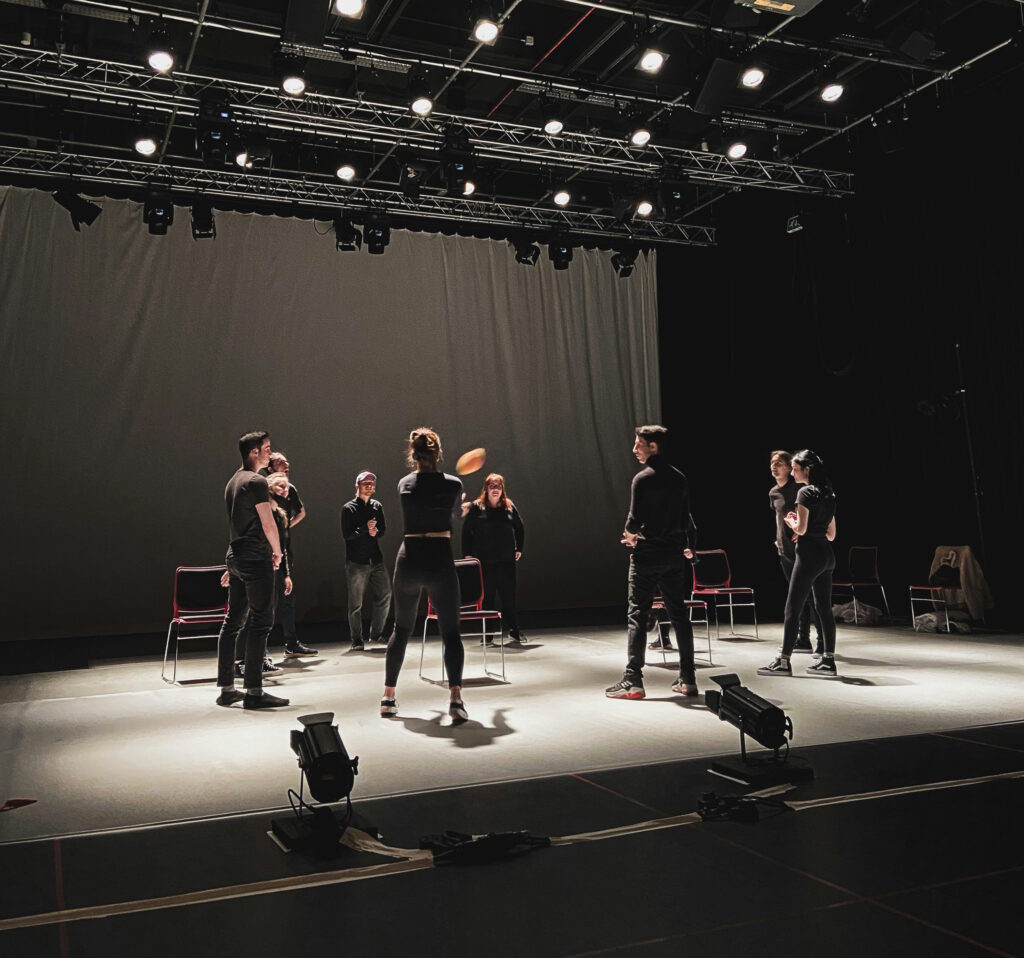
Performing Arts Colleges in California represent a vibrant and dynamic sector within the state’s rich educational landscape. From prestigious conservatories to renowned universities and specialized arts schools, California offers diverse institutions dedicated to nurturing talent and fostering creativity in the performing arts.
The significance of performing arts education cannot be overstated. Beyond honing artistic skills, it cultivates discipline, collaboration, and self-expression. Students in these programs develop confidence, resilience, and a deep appreciation for the cultural and artistic heritage they contribute to.
The purpose of this topic outline is to provide comprehensive guidance for individuals considering pursuing a performing arts education in California. By exploring factors such as Accreditation, faculty expertise, curriculum structure, and alums success, prospective students can make informed decisions about their educational journey. Additionally, highlighting the challenges and opportunities within performing arts education sheds light on the evolving nature of the field and the potential for growth and innovation.
Ultimately, this topic outline serves as a roadmap for aspiring artists, helping them navigate the vast landscape of performing arts colleges in California and fulfilling and successful careers in the arts.
Understanding Performing Arts Education
- Performing arts encompass various disciplines, including dance, music, theater, and film, characterized by live performances and artistic expression.
- Performing arts colleges play a crucial role in nurturing talent, providing structured training, and facilitating artistic growth through rigorous academic programs, practical experience, and mentorship.
- Performing arts education in California has evolved significantly over the years, influenced by cultural shifts, technological advancements, and changing industry demands. From traditional conservatories to innovative interdisciplinary programs, institutions have adapted to meet the needs of aspiring artists in the modern era.
Factors to Consider in Selecting Performing Arts Colleges
- Accreditation ensures that colleges meet specific standards of quality and rigor in their academic programs and facilities.
- Faculty expertise and industry connections are essential for students to receive mentorship from professionals and access opportunities for networking and career advancement.
- Adequate facilities and resources, such as studios, rehearsal spaces, performance venues, and state-of-the-art equipment, are necessary for practical training and artistic development.
- Performance opportunities and showcases provide students with valuable practical experience, exposure to audiences, and the chance to refine their skills in real-world settings. Performance Opportunities and Showcases
Top Performing Arts Colleges in California
- Universities with renowned performing arts programs, such as UCLA, USC, and UC Irvine, offer comprehensive training and academic degrees in various disciplines.
- Conservatories and specialized arts schools like CalArts, San Francisco Conservatory of Music, and American Academy of Dramatic Arts focus exclusively on performing arts education and training.
- Community colleges across California provide affordable pathways to earning performing arts degrees and certificates, often with transfer agreements to four-year institutions.
- Notable online programs in performing arts offer flexibility and accessibility for students who require remote learning options without compromising on quality training and instruction.
Admission Requirements and Process
- Audition and Portfolio Requirements: Prospective students typically need to audition or submit a portfolio showcasing their talents and skills in their chosen performing arts discipline. Depending on the program’s focus, this may include monologues, dance routines, musical performances, or visual artwork.
- Academic Prerequisites for Enrollment: In addition to artistic talent, applicants are often required to meet specific academic standards, such as a high school diploma or equivalent, specific coursework in relevant subjects, and minimum GPA requirements.
- Application Process and Deadlines: Applicants must submit their application materials, including transcripts, letters of recommendation, and personal statements, by specified deadlines set by the college or conservatory.
- Admission Criteria and Selection Process: Admissions committees evaluate applicants based on their audition or portfolio, academic record, letters, and other factors such as extracurricular activities and community involvement. The selection process aims to identify candidates with potential success in the program and a commitment to artistic excellence.
Curriculum and Course Structure
- Core Courses in Acting, Dance, Music, and Theater: The curriculum typically includes foundational courses in the major performing arts disciplines, covering acting techniques, dance styles, music theory, and theatrical production.
- Specialization Tracks and Elective Offerings: Students can specialize in areas of interest within their chosen discipline, such as musical theater, contemporary dance, classical music performance, or playwriting. Elective courses allow for further exploration and skill development in specific areas.
- Integration of Theory and Practical Training: The curriculum balances theoretical knowledge with hands-on practical training, allowing students to concepts learning in the classroom through rehearsals, performances, and creative projects.
- Collaborative Projects and Interdisciplinary Studies: Students often collaborate with peers from other disciplines, fostering teamwork, creativity, and cross-disciplinary exchange. Interdisciplinary studies may also be incorporated into the curriculum, allowing students to explore connections between art forms and disciplines.
Faculty and Staff
- Qualifications and Expertise of Faculty Members: The faculty at performing arts colleges typically consists of accomplished professionals with extensive experience and expertise in their respective fields. Many faculty members are active practitioners, artists, or scholars, bringing real-world insights and industry connections to their teaching.
- Student-to-Faculty Ratio and Mentorship Opportunities: Performing arts colleges often maintain a low student-to-faculty ratio to facilitate personalized instruction and mentorship. This allows students to receive individualized attention, guidance, and feedback from faculty members who serve as mentors and role models.
- Support Staff and Resources Available to Students: Besides faculty members, performing arts colleges provide a range of support staff and resources to assist students in their academic and artistic pursuits. This may include academic advisors, performance coaches, technical staff, and administrative personnel who help students navigate their college experience and access resources such as rehearsal spaces, equipment, and production facilities.
Student Resources and Support Services
- Performance Spaces and Rehearsal Studios: Performing arts colleges offer state-of-the-art performance venues, rehearsal studios, and practice rooms with specialized equipment and facilities to support student performances, rehearsals, and creative projects.
- Academic Advising and Career Counseling: Academic advisors and career counselors guide and support students in academic planning, career exploration, and professional development. They assist students in setting goals, navigating program requirements, and exploring career opportunities in the performing arts industry.
- Financial Aid and Scholarship Opportunities: Performing arts colleges offer financial aid packages, scholarships, grants, and other financial assistance to help students afford tuition, fees, and living expenses. Financial aid advisors help students explore options, complete applications, and secure funding to support their education.
- Student Organizations and Extracurricular Activities: Performing arts colleges host a variety of student organizations, clubs, and extracurricular activities related to the performing arts. These include performance ensembles, theater troupes, dance companies, and student-led productions, providing opportunities for students to collaborate, showcase their talents, and engage in artistic pursuits outside the classroom.
Alumni Success and Career Outcomes
- Graduates’ Achievements in the Performing Arts Industry: Alumni of performing arts colleges often succeed in various facets of the industry, including stage performance, film and television, music recording, choreography, directing, producing, and arts administration. Their accomplishments contribute to the vibrancy and diversity of the performing arts landscape.
- Career Paths Pursued by Alumni: Graduates pursue diverse career paths in the performing arts industry, including professional actors, dancers, musicians, directors, producers, choreographers, educators, arts administrators, and entrepreneurs. They work in theaters, dance companies, opera houses, film studios, television networks, music venues, educational institutions, and arts organizations worldwide.
- Impact of Performing Arts Education on Professional Growth: Arts education equips alums with essential skills, knowledge, and experiences to foster professional growth and success. It instills creativity, discipline, collaboration, communication, critical thinking, problem-solving, resilience, and adaptability, preparing graduates to thrive in dynamic and competitive environments.
Challenges and Opportunities in Performing Arts Education
- Addressing Diversity and Inclusion in Performing Arts Programs: Performing arts colleges face the challenge of promoting diversity, equity, and inclusion within their programs and addressing systemic barriers to access and representation. Embracing diversity enriches artistic expression, fosters innovation, and reflects the richness of human experiences.
- Navigating Technological Advancements in Performing Arts: Rapid technological advancements present opportunities and challenges for performing arts education, requiring colleges to adapt curricula, training methods, and production techniques to incorporate digital tools, multimedia platforms, virtual reality, and other emerging technologies.
- Seizing Opportunities for Collaboration and Innovation: Performing arts colleges can leverage interdisciplinary collaborations, partnerships with industry professionals, community engagement initiatives, and innovative pedagogical approaches to enhance student learning, artistic development, and career readiness. Embracing innovation fosters creativity, experimentation, and excellence in the performing arts
Future Trends and Outlook
- Anticipated Growth and Evolution of Performing Arts Education: The future of performing arts education is characterized by continued growth, innovation, and adaptation to changing societal needs, technological advancements, and artistic trends. Colleges will continue to evolve their programs, facilities, and teaching methods to meet the standards or demands of a dynamic and diverse industry.
- Emerging Trends in Performing Arts Pedagogy and Practice: Emerging trends in performing arts pedagogy include interdisciplinary collaboration, experiential learning, digital literacy, cultural competency, sustainability, and wellness initiatives. Colleges will incorporate these trends into their curricula to prepare students for successful careers in the performing arts.
- Continued Contributions of Performing Arts Colleges to Arts and Culture: Performing arts colleges play a vital role in nurturing talent, fostering creativity, promoting cultural exchange, and enriching communities through their contributions to arts and culture. They will continue cultivating the next generation of artists, leaders, and innovators who shape the future of the performing arts landscape.
Data on California Performing Arts College
Conclusion
California boasts a vibrant landscape of performing arts colleges, each contributing significantly to the state’s cultural richness and artistic excellence. From prestigious universities to specialized conservatories, these institutions offer comprehensive programs to nurture creativity, skill, and innovation in various performing arts disciplines.
Through rigorous training, hands-on experience, and exposure to diverse artistic perspectives, students are equipped to embark on successful careers in the performing arts industry.
As California continues to be a hub for arts and entertainment, the role of performing arts colleges remains pivotal in shaping the industry’s future. With an ongoing commitment to excellence, collaboration, and adaptation to emerging trends, these colleges are poised to continue making profound contributions to the world of arts and culture.
Law Enforcement Education: A Look at the Best Schools

Law enforcement education encompasses the academic and practical training provided to individuals aspiring to serve in law enforcement agencies. It equips them with the knowledge, skills, and ethical principles necessary to uphold justice, maintain public safety, and enforce laws within their communities.
The importance of law enforcement education cannot be overstated, as it serves as the foundation for effective policing and crime prevention in modern society.
By immersing students in subjects such as criminal justice, criminology, forensic science, and legal procedures, law enforcement education prepares them to navigate the complexities of the justice system.
Identifying the best schools for law enforcement is crucial for prospective students and aspiring law enforcement professionals. These institutions provide high-quality education, comprehensive training programs, and resources that can significantly impact students’ career prospects and success.
Selecting the right school ensures that individuals receive an education that aligns with industry standards, promotes ethical conduct, and fosters a commitment to serving and protecting communities.
Thus, identifying the best schools for law enforcement is to guide students in making informed decisions about their education and career path, ultimately enhancing law enforcement effectiveness and professionalism.
Criteria for Evaluating Law Enforcement Schools
Accreditation and Certification Programs
Accreditation is vital as it ensures that a law enforcement school meets rigorous standards of quality education set by accrediting bodies such as CALEA or regional agencies.
Accreditation indicates that the institution adheres to established criteria for curriculum, faculty qualifications, and student support services.
Additionally, certification programs offered by the school can provide students with specialized training and credentials that enhance their qualifications for specific roles within law enforcement. These programs may cover areas such as forensic investigation, counterterrorism, or leadership in policing.
Curriculum Quality and Relevance
The curriculum’s comprehensiveness and relevance are crucial in evaluating a law enforcement school. It should cover a broad spectrum of topics essential to the field, including criminal law, investigative techniques, forensic science, crisis management, ethics, and community policing.
Look for innovative teaching methods such as case studies, simulations, role-playing exercises, and experiential learning opportunities that simulate real-world scenarios. Practical training components, such as internships, field placements, or partnerships with law enforcement agencies, provide students with hands-on experience and networking opportunities.
Faculty Expertise and Experience
The qualifications and experience of faculty members play a role in shaping the quality of education at a law enforcement school. Faculty should possess diverse backgrounds encompassing law enforcement, academia, research, and practical experience in relevant fields.
Evaluate faculty members’ ongoing involvement in the law enforcement community, such as serving as consultants for agencies, conducting research on current policing issues, or participating in professional development activities like conferences, workshops, and training programs.
Facilities and Resources
State-of-the-art facilities are essential for providing students with immersive learning experiences in law enforcement education. These may include simulation labs equipped with mock crime scenes, forensic laboratories with advanced equipment; shooting ranges for firearms training, and facilities for conducting controlled experiments or scenario-based training exercises.
Access to specialized literature, data analysis software, crime statistics databases, and forensic analysis technology enhances students’ academic and practical endeavors, allowing them to be updated on the latest advancements in the field.
Career Placement and Alumni Success
The ability of a law enforcement school to assist graduates in securing employment and advancing their careers is a crucial indicator of its effectiveness. Evaluate the school’s track record in providing career placement services, including job placement assistance, resume writing support, interview preparation, and networking opportunities.
Alum testimonials and career placement statistics offer insights into the success of graduates in obtaining positions within law enforcement agencies, advancing to leadership roles, and making significant contributions to the field through their work and community involvement.
By thoroughly assessing these criteria, prospective students can decide which law enforcement school aligns best with their educational and career aspirations, ensuring a rewarding and impactful educational experience.
Top Schools for Law Enforcement Education
Stanford Law School
- Accreditation and Certification Offerings:
- Stanford Law School is accredited by the American Bar Association (ABA), which ensures high standards of legal education.
- The school offers certification programs in various specialized areas, including Corporate Governance & Practice, Environmental Law & Policy, International Economic Law, Business & Policy, and Law, Science & Technology.
- Highlights of Curriculum and Specializations:
- Stanford Law’s curriculum blends essential legal skills with opportunities for customization.
- Specialized courses cover areas such as cyberlaw, constitutional law, and racial profiling.
- The emphasis is on practical skills and community engagement.
- Notable Faculty Members and Their Expertise:
- Some notable faculty members at Stanford Law School include:
- Professor John J. Donohue III: Expertise in civil rights, antidiscrimination law, and crime and criminal justice.
- Professor Nora Freeman Engstrom: Focus on tort law and professional ethics.
- Professor Lawrence M. Friedman: Renowned legal historian.
- Professor Joseph A. Grundfest: Expertise in law and business.
- Some notable faculty members at Stanford Law School include:
- State-of-the-Art Facilities and Resources:
- Stanford Law School boasts modern facilities, including:
- The Robert Crown Law Library: A comprehensive legal research resource.
- Academic, conference, and event rooms: Equipped for immersive learning experiences.
- Mills Legal Clinic: Provides hands-on training addressing real legal challenges for real clients.
- Shared facilities: Access to world-class equipment and expertise.
- Stanford Law School boasts modern facilities, including:
- Alumni Testimonials and Career Placement Statistics:
- Stanford Law School alumni have secured positions in prestigious agencies, law firms, and public interest organizations.
- The school’s generous loan forgiveness program (LRAP) supports graduates in pursuing impactful career.
University of California, Irvine School of Law (UCI Law)
- Accreditation and Certification Offerings:
- UCI Law is accredited by the American Bar Association (ABA), ensuring high standards of legal education.
- The school offers certification programs in specialized areas such as Intellectual Property, Arts, & Technology.
- Highlights of Curriculum and Specializations:
- UCI Law’s innovative curriculum emphasizes experiential learning and clinical experience.
- Specialized courses cover areas like cyberlaw, constitutional law, and racial profiling.
- The school is committed to training talented and passionate lawyers through academic excellence and community engagement.
- Notable Faculty Members and Their Expertise:
- UCI Law’s faculty includes over 50 full-time members.
- Notable professors:
- Professor John J. Donohue III: Expertise in civil rights, antidiscrimination law, and crime and criminal justice.
- Professor Nora Freeman Engstrom: Focus on tort law and professional ethics.
- Professor Lawrence M. Friedman: Renowned legal historian.
- Professor Joseph A. Grundfest: Expertise in law and business.
- State-of-the-Art Facilities and Resources:
- UCI Law offers modern facilities, including:
- The Robert Crown Law Library: A comprehensive legal research resource.
- Academic, conference, and event rooms: Equipped for immersive learning experiences.
- Mills Legal Clinic: Provides hands-on training addressing real legal challenges.
- Shared facilities: Access to world-class equipment and expertise.
- UCI Law offers modern facilities, including:
- Alumni Testimonials and Career Placement Statistics:
- UCI Law alumni secure positions in prestigious agencies, law firms, and public interest organizations.
- The school’s commitment to public service contributes to their success in various legal fields.
Pepperdine University Rick J. Caruso School of Law (formerly known as Pepperdine University School of Law)
- Accreditation and Certification Offerings:
- The Pepperdine Caruso School of Law is accredited by the American Bar Association (ABA), ensuring high standards of legal education.
- The school offers certification programs in specialized areas such as Intellectual Property, Arts, & Technology.
- Highlights of Curriculum and Specializations:
- The innovative curriculum emphasizes experiential learning and clinical experience.
- Specialized courses cover areas like cyberlaw, constitutional law, and racial profiling.
- The school is committed to training talented lawyers through academic excellence and community engagement.
- Notable Faculty Members and Their Expertise:
- The distinguished faculty at Pepperdine Caruso School of Law includes accomplished legal scholars and experts.
- Professors are committed to providing students with the resources they need to succeed in their legal studies.
- State-of-the-Art Facilities and Resources:
- The Department of Facilities Services (DFS) maintains the buildings, grounds, and physical infrastructure of Pepperdine’s campus.
- Facilities include modern classrooms, libraries, and event spaces.
- The school owns state-of-the-art facilities in six different locations around the world, including Buenos Aires, Florence, Heidelberg, Hauteville, London, and Washington, DC.
- Student Accessibility and Accommodations:
- The Office of Student Accessibility (OSA) ensures equal access for students with documented disabilities.
- Accommodations are designed to level the playing field while maintaining academic standards.
- Students can receive assistance with mobility concerns, housing considerations, and other needs
Incorporation of Technology and Data Analytics
Advancements in technology, like artificial intelligence, machine learning, and data analytics, have become indispensable tools in the arsenal of law enforcement agencies worldwide.
Recognizing technology’s critical role in enhancing crime prevention, investigation, and analysis, law enforcement education programs are increasingly integrating courses that focus on leveraging these tools effectively.
Students are immersed in studying cutting-edge technologies, learning to harness predictive analytics to anticipate criminal activity patterns, utilizing facial recognition software to identify suspects from surveillance footage, and employing digital forensics techniques to extract evidence from electronic devices.
By mastering these technologies, future law enforcement professionals are better equipped to stay ahead of emerging threats and effectively combat crime in their communities.
Community Engagement and Cultural Competency Training
In today’s diverse and multicultural society, fostering positive relationships between law enforcement agencies and the communities they serve is paramount to effective policing. Recognizing this, law enforcement education programs are placing increased emphasis on community engagement and cultural competency training.
Students learn about the principles of community-oriented policing, which prioritizes collaboration, problem-solving, and proactive crime prevention strategies within local neighborhoods.
They are also trained in conflict resolution techniques and practical communication skills to navigate interactions with individuals from diverse backgrounds sensitively and respectfully.
Focus on Mental Health and Wellness Support
The demanding nature of law enforcement work can take a significant toll on officers’ mental health and well-being. Law enforcement education programs are integrating comprehensive mental health awareness and wellness support initiatives into their curriculum to address this issue.
Students receive education on stress management techniques, resilience-building strategies, and coping mechanisms to navigate the psychological challenges inherent in the profession.
Additionally, schools provide access to counseling services and resources to support students’ mental and emotional well-being throughout their training and beyond. Law enforcement education programs aim to cultivate a resilient and psychologically healthy workforce capable of effectively managing job pressures by prioritizing mental health.
Experiential Learning Opportunities and Internships
Hands-on experience is invaluable in preparing students for the practical realities of law enforcement work. Recognizing this, law enforcement education programs are expanding experiential learning opportunities to provide students with immersive, real-world training experiences.
These experiences may include ride-along with law enforcement agencies, where students accompany officers on patrol to observe their day-to-day activities firsthand.
Additionally, students participate in simulated training exercises designed to replicate realistic scenarios they may encounter to apply theoretical knowledge in a practical setting and develop critical decision-making and problem-solving skills.
Internships
Internships in various criminal justice settings, such as police departments, sheriff’s offices, and federal agencies, provide students with the opportunity to gain hands-on experience under the guidance of experienced professionals.
These internships allow students to put their skills to the test, build professional networks, and gain valuable insights into law enforcement’s diverse roles and responsibilities.
These emerging trends and innovations and law enforcement education programs prepare future officers to excel in their careers, uphold the principles of justice and integrity, and serve their communities with distinction.
Incorporating these emerging trends and innovations into law enforcement education programs ensures that future officers have the knowledge, skills, and competencies to excel in their roles and contribute positively to their communities.
Data on Best Schools for Law Enforcement
Conclusion
Examining law enforcement education has revealed vital trends and considerations for prospective students. Schools increasingly emphasize technology integration, community engagement, mental health support, and experiential learning.
Prospective students should prioritize accredited programs with diverse specializations and robust faculty expertise. Additionally, seeking institutions offering internship opportunities can provide invaluable hands-on experience.
Looking ahead, the future of law enforcement education appears promising, with continued advancements in technology, community-oriented approaches, and holistic support for officer well-being expected.
As law enforcement continues to evolve to meet societal needs, education, and training programs must adapt to equip future officers with the skills and competencies necessary for success in the field.
Nursing at La Mission College: A Comprehensive Guide

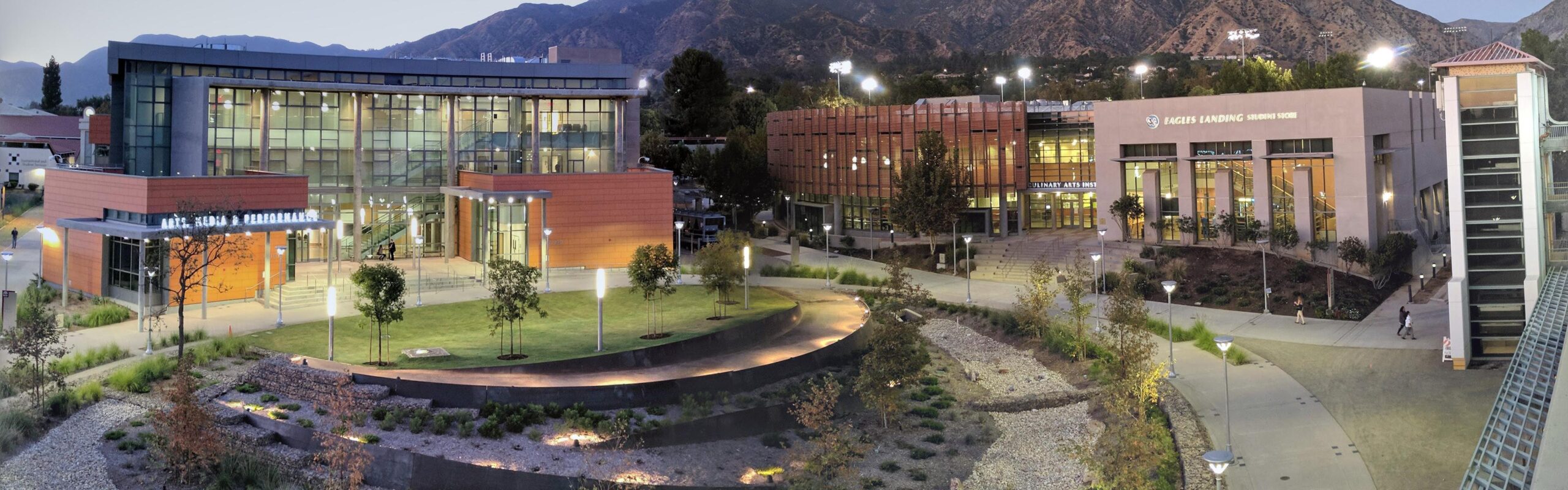 La Mission College is a beacon of academic excellence and opportunity nestled in the heart of California’s Santa Clarita Valley. Established with a commitment to providing accessible education to a diverse community, It has flourished into a renowned institution known for its innovative programs and dedicated faculty.
The esteemed Nursing program is at the forefront of its offerings, which embodies the college’s mission to prepare students for success in their chosen fields while fostering a culture of compassion and service.
La Mission College’s Nursing program is designed to equip aspiring healthcare professionals with the knowledge, skills, and clinical experience needed to excel in the dynamic and rewarding nursing field. With a comprehensive curriculum that blends theoretical coursework with hands-on training, students are prepared to meet the challenges of modern healthcare delivery with confidence and competence.
Whether aspiring to become registered nurses, nurse practitioners, or leaders in healthcare administration, the Nursing program at La Mission College provides a solid foundation for students to pursue their career goals while making a meaningful difference in the lives of others.
As La Mission College continues to uphold its legacy of excellence and innovation, the Nursing program stands as a shining example of the college’s dedication to shaping the future of healthcare through education, compassion, and service to the community.
History and Accreditation
Background of La Mission College
La Mission College, located in Santa Clara, California, was established in 1975 as a community college to serve the educational needs of the local population. Over the years, the college has grown in size and reputation, becoming a cornerstone of higher education in the region.
La Mission College is committed to providing accessible and quality education to students from diverse backgrounds. It offers a wide range of academic programs and support services to facilitate student success.
Accreditation status of the Nursing program
The Nursing program at La Mission College holds accreditation from reputable accrediting bodies such as the Accreditation Commission for Education in Nursing (ACEN) or the Commission on Collegiate Nursing Education (CCNE). Accreditation ensures that the program meets rigorous standards of quality and excellence in nursing education, including curriculum content, faculty qualifications, clinical training, and student outcomes.
This accreditation status validates the Nursing program’s commitment to delivering a high-quality education that prepares graduates to excel in their careers and contribute effectively to the healthcare industry.
Program Structure
Overview of the Nursing curriculum
The Nursing curriculum at La Mission College is designed to provide students with a comprehensive understanding of nursing theory, practice, and clinical skills. The curriculum typically includes courses in anatomy and physiology, pharmacology, nursing fundamentals, medical-surgical nursing, pediatric nursing, psychiatric nursing, and community health nursing.
In addition to classroom instruction, students engage in hands-on learning experiences, simulation labs, and clinical rotations in various healthcare settings to apply theoretical knowledge to real-world patient care scenarios.
Clinical rotations and practical experience
Clinical rotations are an integral component of the Nursing program at La Mission College, providing students with valuable practical experience in diverse healthcare settings. Under the supervision of experienced nursing faculty and preceptors, students can work directly with patients, apply nursing skills, and participate in multidisciplinary healthcare teams.
Clinical experiences may include rotations in hospitals, clinics, long-term care facilities, community health centers, and specialty units, allowing students to develop clinical competence, critical thinking skills, and professional communication abilities.
Admission Requirements
Academic prerequisites for the Nursing program
Admission to the Nursing program at La Mission College typically requires completing prerequisite courses in science, mathematics, and English, along with a solid high school or college academic record. Prerequisite courses may include biology, chemistry, anatomy and physiology, microbiology, and statistics.
Applicants must also meet minimum GPA requirements and demonstrate proficiency in prerequisite coursework to ensure readiness for the rigors of the Nursing program.
Application process and deadlines
Prospective students interested in the Nursing program at La Mission College must complete the college’s general application for admission and submit additional materials specific to the Nursing program, such as transcripts, letters of recommendation, and a personal statement.
Application deadlines vary depending on the program start date, with typically competitive programs having earlier deadlines. Applicants must carefully review and adhere to all application requirements and deadlines to ensure consideration for admission to the Nursing program.
Specializations and Pathways
Available specializations within the Nursing program
La Mission College offers various specializations within its Nursing program to cater to students’ diverse interests and career goals. These may include specialties such as:
- Pediatric Nursing
- Geriatric Nursing
- Psychiatric-Mental Health Nursing
- Critical Care Nursing
- Community Health Nursing
- Nurse Practitioner specialties (e.g., Family Nurse Practitioner, Adult-Gerontology Nurse Practitioner)
Specializations allow students to focus their studies on specific areas of nursing practice and develop expertise in their chosen field.
Pathways for career advancement and further education
The Nursing program at La Mission College provides students with pathways for career advancement and further education in nursing. Graduates of the program are eligible to pursue licensure as Registered Nurses (RNs) through the NCLEX-RN examination.
Additionally, the program prepares students for advanced practice roles, such as Nurse Practitioners, Nurse Educators, Nurse Administrators, and Nurse Researchers, through graduate-level education and certification programs.
The program also offers continuing education and professional development opportunities to support lifelong learning and career growth in the nursing profession.
Faculty and Resources
Faculty expertise and qualifications
The Nursing faculty at La Mission College are highly qualified and experienced professionals with expertise in various areas of nursing practice and education.
Faculty members hold advanced degrees in nursing (e.g., MSN, DNP, PhD) and extensive clinical experience in diverse healthcare settings. They are dedicated to providing high-quality instruction, mentorship, and support to students throughout their academic journey.
Support services and resources available to Nursing students
La Mission College offers a range of support services and resources to assist Nursing students in achieving their academic and professional goals.
These may include academic advising, tutoring services, counseling and wellness programs, career services, financial aid assistance, and access to library resources, study spaces, and simulation labs. The college is committed to providing a supportive and nurturing environment where students can thrive academically and personally.
Clinical Partnerships and Opportunities
Collaborations with healthcare institutions for clinical placements
La Mission College has established collaborative partnerships with healthcare institutions and clinical agencies in the community to provide students with valuable clinical placements and hands-on learning experiences.
These partnerships enable students to gain exposure to various healthcare settings, work alongside experienced healthcare professionals, and apply their theoretical knowledge to real-world patient care situations.
Internship and job opportunities for Nursing students
The nursing program at La Mission College facilitates internships and job opportunities for students through partnerships with healthcare organizations, hospitals, clinics, long-term care facilities, and community health agencies.
These opportunities allow students to gain practical experience, build professional networks, and explore career options within the nursing profession. Additionally, the college provides support and resources to assist students in securing internships, job placements, and career advancement opportunities upon graduation.
Student Success and Alumni Achievements
Success rates of Nursing program graduates
The Nursing program at La Mission College boasts impressive success rates among its graduates. Graduates consistently achieve high pass rates on licensure exams such as the NCLEX-RN, demonstrating their readiness to enter the nursing profession as competent and skilled Registered Nurses (RNs).
The program’s emphasis on rigorous academic preparation, clinical competency, and professional development equips students with the knowledge, skills, and confidence needed to succeed in their nursing careers.
Notable achievements of alums in the Nursing field
Alumni of La Mission College’s Nursing program have achieved notable success and made significant contributions to the nursing profession.
Many alums have pursued advanced degrees and certifications in nursing specialties, such as Nurse Practitioner, Nurse Educator, Nurse Administrator, and Nurse Researcher.
Alums have also excelled in clinical practice, leadership roles, research endeavors, and community service initiatives, earning recognition for their dedication, innovation, and excellence in nursing.
Campus Life and Student Support
Overview of campus facilities and resources for Nursing students
La Mission College provides a supportive and conducive learning environment for Nursing students, offering access to state-of-the-art facilities and resources to enhance their educational experience.
Nursing students can access modern classrooms, simulation labs equipped with advanced medical technology, skills practice labs, computer labs, and library resources.
Additionally, the college provides support services such as academic advising, counseling, tutoring, and career services to assist Nursing students in achieving their academic and professional goals.
Student organizations and extracurricular activities related to Nursing
Nursing students at La Mission College can participate in various student organizations and extracurricular nursing-related activities. These may include student chapters of professional nursing organizations such as the National Student Nurses Association (NSNA) or specialty nursing associations. Student organizations offer opportunities for networking, leadership development, community service, and professional growth. Additionally, Nursing students may participate in extracurricular activities such as health fairs, volunteer initiatives, research projects, and interdisciplinary collaborations to enrich their educational experience and contribute to the broader healthcare community.
Accessibility / Disability Services
Los Angeles Mission College (LAMC) is dedicated to supporting students with disabilities through their Disabled Students Programs & Services (DSPS). Here are the facilities and accommodations available for students with accessibility needs:
- Academic Accommodations:
- LAMC DSPS provides reasonable academic accommodations tailored to individual needs. These may include extended test-taking time, note-taking assistance, and alternative formats for course materials.
- Housing & Dining Accommodations:
- The college collaborates with students to create accessible housing and dining arrangements, considering mobility, dietary, and other specific requirements.
- Testing Accommodation Center (TAC):
- The TAC ensures a supportive environment during exams, offering necessary accommodations such as extra time or a quiet space.
- Live Chat and E-Counseling:
- Students can access DSPS services through live chat during specified hours. Additionally, e-counseling sessions are available for personalized assistance.
- Workshops:
- LAMC offers workshops related to DSPS, including topics like adaptive technology and educational planning.
For more details, you can visit the LAMC DSPS webpage or connect with their team via email at dspsinfo@lamission.edu.
Remember to reach out to the DSPS office directly for personalized guidance and to discuss your specific needs.
Campus Map
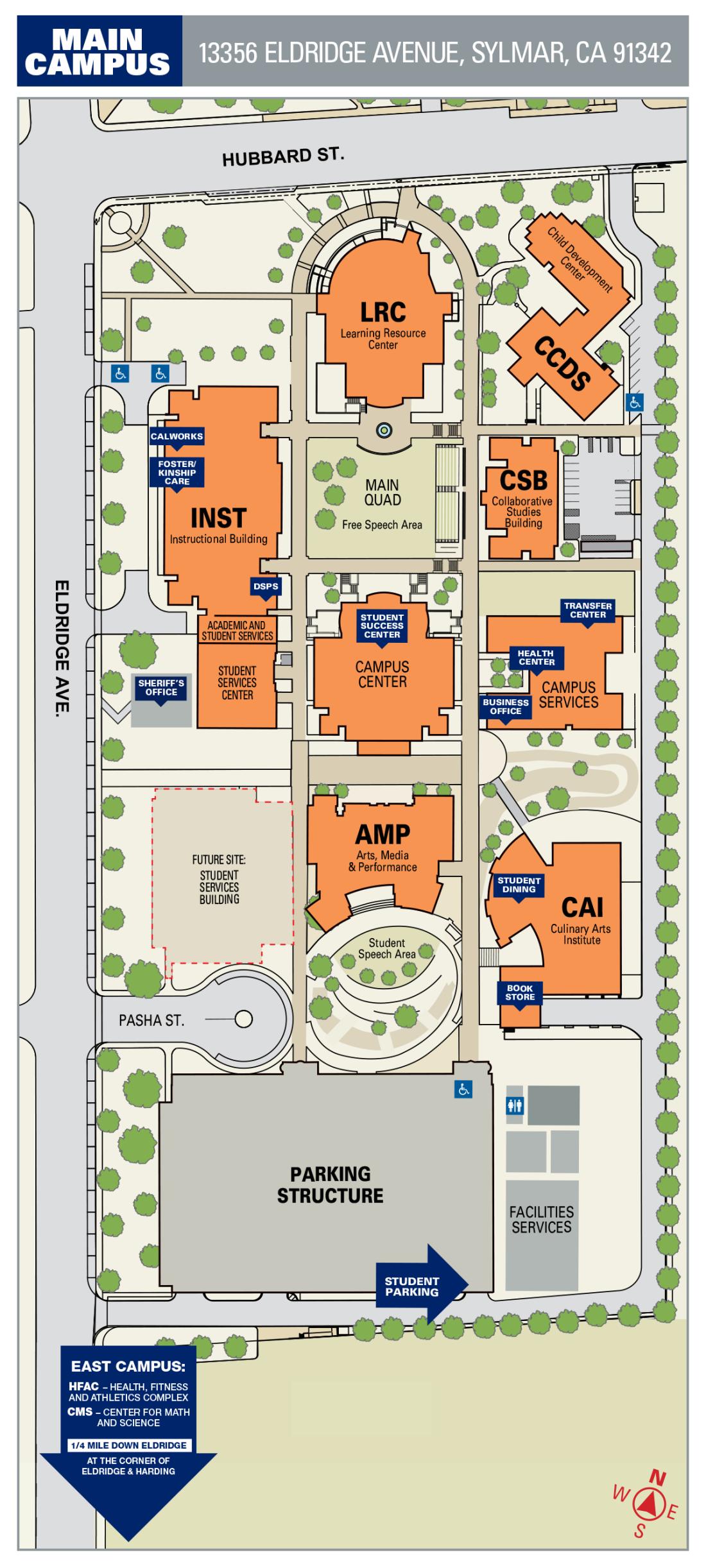
Data on La Mission College Nursing
| Category | Data |
|---|---|
| Location | Santa Clarita |
| Website | www.lamission.edu |
| Program Name | Bachelor of Science in Nursing |
| Specializations Offered | Pediatric, Geriatric, Psychiatric-Mental Health, Critical Care, Community Health Nursing, Nurse Practitioner specialties (e.g., Family Nurse Practitioner, Adult-Gerontology Nurse Practitioner) |
| Accreditation Status | Accredited by the Accreditation Commission for Education in Nursing (ACEN) |
| Program Structure | Comprehensive curriculum with courses in anatomy, pharmacology, nursing fundamentals, medical-surgical nursing, etc. Includes clinical rotations and practical experience in various healthcare settings. |
| Admission Requirements | Requires high school diploma or equivalent, completion of prerequisite science and math courses, minimum GPA. The application process includes transcripts, letters of recommendation, personal statements, and prerequisite courses. |
| Clinical Partnerships and Opportunities | Collaborations with healthcare institutions for clinical placements and internship opportunities in hospitals, clinics, long-term care facilities, and community health agencies. |
Conclusion
Pursuing Nursing at La Mission College offers a pathway to a rewarding and fulfilling career in healthcare. With accredited programs, diverse specializations, and a comprehensive curriculum, students receive a top-notch education and hands-on training.
Graduates benefit from high success rates in licensure exams and go on to make significant contributions to the nursing profession. Prospective students are encouraged to explore the opportunities available in Nursing Education at La Mission College, where they can receive personalized support and access to state-of-the-art facilities.
Nursing education equips individuals with clinical skills and instills values of compassion, empathy, and dedication essential for healthcare careers. As the demand for healthcare professionals continues to grow, the significance of Nursing education in shaping the future of healthcare cannot be overstated.
The Hypnosis Motivation Institute: Unveiling the Power of the Mind

Hypnosis Motivation Institute (HMI) is one of the leading institutions dedicated to hypnotherapy training, blending traditional principles with modern techniques. Founded in 1968 by Dr. John Kappas, HMI has remained at the forefront of hypnotherapy education, shaping the field with its innovative approaches and commitment to excellence.
Initially established to provide professional training in hypnotherapy, HMI quickly gained recognition for its comprehensive curriculum and rigorous standards. Over the years, it has evolved into a premier institution offering a range of programs, including diploma courses, workshops, and continuing education opportunities.
HMI’s mission is to empower individuals to unlock their potential and achieve personal transformation through hypnotherapy. By combining theoretical knowledge with practical skills, HMI equips students with the tools and techniques to facilitate positive change in themselves and others. Its holistic approach emphasizes the integration of mind, body, and spirit, fostering a deeper understanding of human behavior and motivation.
HMI’s dedication to excellence and innovation has solidified its reputation as a trusted leader in hypnotherapy education. Its graduates continue to make significant contributions to the field, embodying the institute’s compassion, integrity, and professionalism ethos.
Foundational Principles of Hypnotherapy
Understanding Hypnosis and Its Applications
Hypnosis is a state of focused attention and heightened suggestibility, often induced through relaxation techniques and verbal guidance.
In hypnotherapy, this trance-like state is utilized to facilitate therapeutic change by accessing the subconscious mind. Hypnotherapy has diverse applications, including alleviating stress and anxiety, overcoming phobias, managing pain, and promoting behavior modification.
Exploring the Power of the Subconscious Mind
The subconscious mind plays a crucial role in hypnotherapy, as it houses deeply ingrained beliefs, memories, and emotions that influence behavior and thought patterns.
Individuals can uncover underlying issues by accessing the subconscious through hypnosis, reframing negative beliefs, and promoting positive change. Hypnotherapy seeks to harness the power of the subconscious mind to promote healing, growth, and personal transformation.
Techniques and Methods Used in Hypnotherapy
Hypnotherapy employs various techniques to induce and deepen hypnotic states, such as progressive relaxation, guided imagery, and suggestion therapy. These techniques are tailored to the individual’s needs and goals, allowing the therapist to address specific issues and facilitate therapeutic change.
Additionally, hypnotherapy may incorporate techniques from other therapeutic modalities, such as cognitive-behavioral therapy (CBT) and neuro-linguistic programming (NLP), to enhance effectiveness and address complex issues.
Curriculum and Training Programs
Overview of HMI’s Hypnotherapy Training Programs
HMI offers comprehensive hypnotherapy training programs to prepare students for successful careers as certified hypnotherapists.
These programs typically include classroom instruction, hands-on practice, and supervised clinical experience. HMI’s curriculum covers many topics, including hypnosis theory, therapeutic techniques, ethics and professionalism, and business management.
Curriculum Structure and Course Content
HMI’s curriculum is structured to provide students with a solid foundation in hypnotherapy while allowing for specialization and advanced study. Course content may include introductory courses in hypnosis fundamentals, advanced courses in specialized techniques, and elective courses in related fields such as psychology, counseling, and holistic health.
The curriculum is continually updated to reflect the latest research, trends, and best practices in hypnotherapy.
Certification and Accreditation
HMI’s hypnotherapy training programs are accredited by recognized accrediting bodies and meet industry standards for quality and professionalism.
Upon completing the program requirements, students receive certification as hypnotherapists. They may pursue additional certifications or credentials through professional organizations such as the American Council of Hypnotist Examiners (ACHE) or the International Medical and Dental Hypnotherapy Association (IMDHA).
HMI’s certification programs provide graduates with the credentials and skills to practice hypnotherapy ethically and effectively.
Faculty and Staff
Qualifications and Expertise of Instructors
Faculty members at institutions offering hypnotherapy training should possess extensive qualifications and expertise.
They typically hold advanced degrees in psychology, counseling, or related fields, along with specialized training and certification in hypnotherapy. Their expertise extends to clinical practice, research, and teaching, ensuring students receive comprehensive instruction grounded in evidence-based practices.
Mentorship and Support Services for Students
Hypnotherapy training programs often provide mentorship and support services to students to foster their professional development and success.
This may include access to experienced practitioners who serve as mentors, offering guidance, feedback, and supervision throughout the training process. Additionally, support services such as academic advising, counseling, and career guidance are available to assist students in navigating their educational journey and achieving their goals.
Alumni Network and Continuing Education Opportunities
Institutions offering hypnotherapy training typically maintain robust alum networks and provide ongoing continuing education opportunities. Alum networks offer graduates a valuable networking, collaboration, and professional development resource.
Additionally, continuing education programs enable practitioners to stay updated on the latest advancements in hypnotherapy techniques, research findings, and ethical standards, ensuring they remain competent and effective in their practice.
Practical Applications of Hypnotherapy
Addressing Mental Health and Wellness Challenges
Hypnotherapy has practical applications in addressing a wide range of mental health and wellness challenges. It can be used to alleviate symptoms of anxiety, depression, PTSD, and other psychological disorders, as well as promote emotional well-being and resilience.
Through relaxation, visualization, and cognitive restructuring, hypnotherapy helps individuals develop coping skills, manage stress, and improve overall mental health.
Enhancing Performance and Personal Development
Hypnotherapy techniques can enhance performance and personal development in various areas of life. They can help individuals overcome obstacles, build self-confidence, and achieve personal and professional goals.
Techniques such as goal-setting, visualization, and positive affirmations can improve performance in sports, academics, career development, and other areas and unlock individuals’ full potential.
Career Opportunities in Hypnotherapy
Graduates of hypnotherapy training programs have diverse career opportunities. They may pursue careers as private practitioners, offering hypnotherapy services to clients seeking personal growth, behavior change, or symptom relief.
Additionally, opportunities exist in healthcare settings, wellness centers, corporate training programs, and educational institutions. With specialized training and certification, hypnotherapy practitioners can contribute meaningfully to individuals’ mental health and well-being.
Research and Innovation in Hypnotherapy
Current Research Trends and Studies
Hypnotherapy is an evolving field with ongoing research exploring its effectiveness, mechanisms of action, and applications.
Current research trends focus on examining the efficacy of hypnotherapy for various clinical conditions, exploring its neural correlates, and identifying factors that influence treatment outcomes. Studies also investigate the integration of hypnotherapy with other therapeutic modalities and its role in enhancing overall mental health and well-being.
Advancements in Hypnotherapy Techniques
Advancements in hypnotherapy continue to expand the repertoire of interventions available to practitioners. Innovative approaches such as neuro-linguistic programming (NLP), mindfulness-based hypnotherapy, and cognitive-behavioral hypnotherapy integrate principles from other therapeutic modalities to enhance treatment effectiveness.
Technological advancements, such as virtual reality and biofeedback, offer new possibilities for delivering hypnotherapy interventions and monitoring treatment progress.
Contributions to the Field of Mental Health
Hypnotherapy makes significant contributions to the field of mental health by offering practical, evidence-based interventions for addressing psychological issues and promoting well-being. Its integrative approach, which combines elements of psychotherapy, relaxation techniques, and cognitive restructuring, offers a holistic framework for understanding and treating mental health disorders.
Through research, innovation, and clinical practice, hypnotherapy practitioners contribute to advancing the mental health field and improving outcomes for individuals seeking treatment.
Community Engagement and Outreach
Collaboration with Healthcare Professionals and Organizations
Hypnotherapy institutions collaborate with healthcare professionals and organizations to promote interdisciplinary wellness and mental health approaches.
This collaboration may involve joint workshops, seminars, or research projects integrating hypnotherapy with conventional medical treatments.
By fostering partnerships with healthcare providers, hypnotherapy institutions enhance access to holistic care and promote the integration of hypnotherapy into mainstream healthcare settings.
Outreach Programs and Public Education Initiatives
Hypnotherapy institutions develop outreach programs and public education initiatives to raise awareness about the benefits of hypnotherapy and dispel misconceptions.
These initiatives may include community workshops, informational seminars, and online resources that provide accurate information about hypnotherapy and its applications.
By educating the public about the efficacy and safety of hypnotherapy, institutions empower individuals to make informed decisions about their mental health and well-being.
Advocacy for the Recognition of Hypnotherapy
Hypnotherapy institutions advocate for the recognition of hypnotherapy as a legitimate and effective form of therapy. This advocacy may involve lobbying policymakers, professional organizations, and regulatory bodies to include hypnotherapy in healthcare guidelines, licensure requirements, and insurance coverage.
By advocating for the recognition of hypnotherapy, institutions seek to ensure that individuals have access to quality hypnotherapy services and that hypnotherapy practitioners are recognized for their contributions to mental health care.
Challenges and Future Directions
Addressing Misconceptions and Stigma Surrounding Hypnotherapy
Hypnotherapy institutions face the challenge of addressing misconceptions and stigma surrounding hypnosis and hypnotherapy.
Common misconceptions, such as hypnosis being a form of mind control or entertainment, can hinder individuals from seeking hypnotherapy services. Institutions must actively work to educate the public, healthcare professionals, and policymakers about the evidence-based nature of hypnotherapy and its role in promoting mental health and well-being.
Adapting to Technological Advances and Changing Demands
Hypnotherapy institutions must adapt to technological advances and changing demands in the field. This may involve integrating digital platforms and telehealth technologies into hypnotherapy training and practice and staying updated on emerging research findings and treatment modalities.
By embracing technological advancements, institutions can enhance the accessibility, effectiveness, and efficiency of hypnotherapy services, meeting the evolving needs of clients and practitioners.
Ensuring Ethical Practices and Standards in Hypnotherapy
Hypnotherapy institutions must uphold ethical practices and standards to protect clients’ welfare and maintain the profession’s integrity.
This includes ensuring that practitioners adhere to ethical guidelines, maintain confidentiality, and obtain informed consent from clients. Institutions are crucial in providing training, supervision, and ongoing support to practitioners, promoting ethical conduct and accountability within the field.
Additionally, institutions collaborate with professional organizations and regulatory bodies to establish and enforce standards of practice, licensure requirements, and ethical codes for hypnotherapy practitioners.
Data on Hypnosis Motivation Institute
| Aspect | Information |
| Name | Hypnosis Motivation Institute (HMI) |
| Location | Tarzana, California, United States |
| Year Founded | 1968 |
| Founder | Dr. John Kappas |
| Accreditation | Accredited by the Accrediting Council for Continuing Education & Training (ACCET) |
| Programs Offered | – Hypnotherapy Certification Program – Advanced Training Courses – Continuing Education Workshops |
| Curriculum Structure | Comprehensive curriculum covering hypnosis theory, techniques, applications, and ethics |
| Certification and Accreditation | Graduates receive certification as hypnotherapists |
| Faculty and Staff | Experienced faculty with advanced degrees and certifications in hypnotherapy |
| Mentorship and Support Services | Mentorship programs and support services available for students |
| Alumni Network | Robust alum network providing opportunities for networking and professional development |
| Continuing Education Opportunities | Ongoing continuing education workshops and advanced training programs |
Conclusion
Hypnosis Motivation Institute (HMI) has made significant contributions to the field of hypnotherapy education, shaping the landscape of mental health and personal development.
Through its comprehensive programs, accredited curriculum, and experienced faculty, HMI has equipped countless individuals with the knowledge and skills to facilitate positive change in themselves and others. The institute’s commitment to excellence, ethical standards, and ongoing support for students and alums have solidified its reputation as a leader in hypnotherapy education.
Looking ahead, the future of hypnotherapy holds immense promise for advancing mental health and well-being. As awareness and acceptance of hypnotherapy continue to grow, opportunities for its integration into mainstream healthcare settings are on the rise.
Prospective students and practitioners in hypnotherapy should consider the reputable training programs offered by HMI, recognizing the institute’s legacy of excellence and dedication to promoting ethical, evidence-based practice.
With continued education, collaboration, and innovation, the field of hypnotherapy is poised to make even more significant strides in improving mental health outcomes and overall quality of life.
Set Sail for Success at Los Angeles Harbor College
Los Angeles Harbor College
Los Angeles Harbor College (LAHC) is a public community college located in Wilmington, California, and serves students from various communities in the South Bay region of Los Angeles. The college is known for providing opportunities for transfer education, occupational training, and lifelong learning.
LAHC has a diverse student body, with a minority enrollment of 89%, reflecting the ethnic composition of the communities it serves. The college has a completion rate of 26% for students who graduate in less than four years. After graduation, LAHC alumni earn an average salary of $35,600 ten years into their career.
The in-state tuition for LAHC is quite affordable at approximately $1,220, which is below the state average. For out-of-state students, the tuition is $6,834. To help with the cost, 73% of students receive some form of financial aid. The median debt for graduates stands at around $6,000, which is lower than the state average, suggesting that the college is an affordable option for many students seeking higher education.
Established with a mission to empower a diverse student body through comprehensive educational programs, LAHC provides pathways to academic and career success in an array of disciplines. This community college is renowned for its commitment to fostering an inclusive learning environment, academic excellence, and student achievement.
Faculty and Staff
LAHC boasts a dedicated team of faculty and staff committed to providing a high-quality education that meets the needs of its diverse student population. Faculty members bring a wealth of experience and expertise from various industries and academic fields, enriching the learning experience with real-world perspectives and cutting-edge knowledge. With a student-centered approach, faculty members are accessible and invested in students’ academic and personal growth.
The college maintains an optimal student-to-faculty ratio, ensuring that classes are small enough for individualized attention, yet diverse enough to promote dynamic discussions and collaborative learning. Support staff, including academic advisors, career counselors, and financial aid officers, play a pivotal role in guiding students through their educational journey, from enrollment to graduation and beyond.
Student Resources and Support Services
To enhance the student experience and support academic success, LAHC offers a wide array of resources and services:
- Academic Advising: Professional advisors assist students in navigating academic programs, selecting courses, and planning for transfer to four-year institutions or entry into the workforce.
- Career Services: Career counseling, job placement assistance, and resources for resume writing and interview preparation are available to help students and alumni achieve their professional goals.
- Financial Aid and Scholarships: LAHC provides comprehensive financial aid services, offering information on grants, scholarships, loans, and work-study opportunities to make education accessible to all students.
- Learning Support Services: The college offers tutoring, writing centers, study groups, and workshops to bolster academic skills, alongside access to libraries and computer labs for research and coursework.
- Student Life and Engagement: LAHC encourages active student participation in campus life through clubs, organizations, student government, and special events, fostering a sense of community and belonging.
Facilities and Infrastructure
LAHC’s campus features modern facilities and state-of-the-art infrastructure designed to support a dynamic learning environment:
- Advanced Classrooms and Labs: Equipped with the latest technology, classrooms and laboratories facilitate engaging instruction in science, technology, engineering, arts, and mathematics.
- Athletic and Recreational Facilities: The college offers excellent athletic facilities, including a fitness center, swimming pool, and sports fields, promoting physical wellness and team sports.
- Performing and Visual Arts Spaces: Dedicated spaces for the arts, including theaters, art galleries, and music studios, support LAHC’s strong arts programs and showcase student talent.
- Sustainability Initiatives: Emphasizing environmental responsibility, the campus incorporates green technologies and sustainable practices, serving as a living laboratory for environmental education.
Los Angeles Harbor College offers a variety of programs across different fields of study. Here are some of the programs they offer:
Accounting
Administration of Justice
Administrative Assistant
Advanced Cook Skills
Anthropology
Applied Journalism
Architectural Technology
Art
BIOENGINEERING Major Preparation for Transfer
Biology
Biotechnology
Business Administration
Certified Nursing Assistant
Chemistry
Child Development
Cloud Computing
Communication Studies
Computer Information Systems
Computer Science
Culinary Arts
Early Childhood Education
Economics
Education
Engineering
English
Environmental Science
Fire Technology
French
Geography
Geology
Graphic Design
Health Information Technology
History
Hospitality Management
Human Services
Italian
Journalism
Kinesiology
Law Enforcement
Mathematics
Music
Nursing
Philosophy
Physics
Political Science
Psychology
Sociology
Spanish
Theatre Arts
Theatre Technology
Welding Technology
Women’s Studies
Zoology
Conclusion
Los Angeles Harbor College is a vital institution within the Los Angeles educational landscape, providing accessible, high-quality education that empowers students to achieve their academic and career aspirations. Through its comprehensive programs, supportive services, and modern facilities, LAHC nurtures a learning community where students from all backgrounds can thrive and succeed. As it continues to evolve and respond to the needs of its community, LAHC remains committed to excellence, innovation, and inclusivity in all its endeavors.
The Pioneering Spirit of San Bernardino Valley College

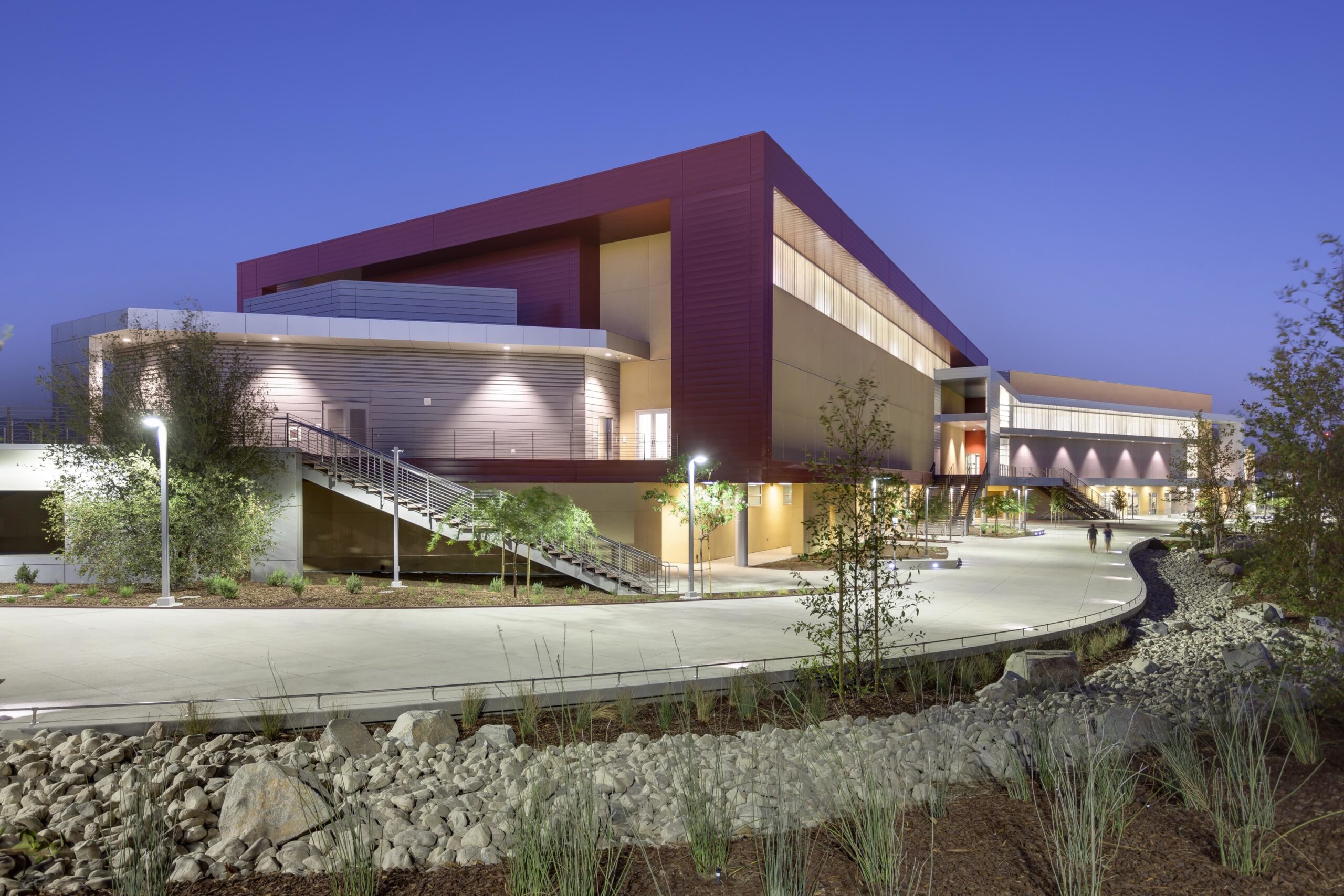
San Bernardino Valley College (SBVC)
San Bernardino Valley College (SBVC) is a public community college located in San Bernardino, California, part of the Inland Empire region. Renowned for its comprehensive academic programs, SBVC offers students a wide array of educational opportunities, serving approximately 12,000 to 15,000 students each semester. The college is dedicated to providing higher education and continuous learning to a diverse community, emphasizing the importance of inclusivity and accessibility in education.
- SBVC hosts a vibrant student community, with an undergraduate enrollment of around 5,000 to 7,000 students, maintaining a student to faculty ratio of approximately 20 to 1. This ratio supports a personalized learning environment, fostering close interactions between students and faculty.
- The college celebrates a rich diversity within its student body, comprising various ethnic backgrounds including Hispanic, African American, Caucasian, Asian, Native American, and other groups, reflecting the diverse population of the Inland Empire.
- San Bernardino Valley College reports a completion or graduation rate that mirrors the dedication to student success, with alumni entering the workforce or transferring to four-year institutions equipped with solid foundational skills. While specific statistics may vary, SBVC alumni are known to secure competitive starting positions in their chosen fields.
- SBVC provides a range of housing advice and resources, although it does not offer on-campus housing directly. Students can access information on local housing options to find suitable accommodations near the campus.
Academically, SBVC is renowned for its wide range of programs including Liberal Arts, Sciences, Business, Nursing, and Technical Education among others. The college is committed to serving the community by offering programs that cater to both transfer-bound students and those seeking career-specific training.
- San Bernardino Valley College does not require an application fee, making higher education accessible to a broader audience.
- The financial aspect of attending SBVC is manageable for many students, with a significant portion receiving some form of financial aid. The net price of attendance is competitive, and financial aid options are available to help students manage their education expenses effectively.
- As a participant in the California Community College Athletic Association (CCCAA), SBVC offers a variety of athletic programs and competes in numerous sports, contributing to a dynamic and engaging campus life.
- SBVC upholds an open admission policy, welcoming all students who meet basic eligibility criteria, with a focus on inclusivity and educational opportunity for all.
The admission process at San Bernardino Valley College is straightforward, ensuring that students can embark on their educational journey with ease:
- Eligibility: Eligible applicants include high school graduates, individuals who possess a GED, or those who are at least 18 years old. High school students seeking dual enrollment opportunities are also welcome to apply.
- Application Process: Prospective students can apply online through the college’s application portal. Returning students who have missed significant time may need to reapply to resume their studies.
- Specialized Programs: For students interested in specialized programs or pursuing a Bachelor’s degree through transfer agreements, SBVC offers guidance and resources to help navigate the application process and prepare for transfer to four-year institutions.
Faculty and Staff
The driving force behind SBVC’s success is its exceptional faculty and staff. Comprised of seasoned educators, scholars, and professionals, the faculty bring a blend of academic rigor and real-world expertise to the classroom. Their commitment to innovative teaching methods and personalized learning ensures that students not only achieve academic success but also develop critical thinking and lifelong learning skills.
The college maintains an optimal student-to-faculty ratio, fostering an environment where students receive the support and attention they need to excel. Beyond the classroom, SBVC’s dedicated staff provide a wide array of services, from academic advising and career counseling to mental health support, ensuring that every student has the resources to navigate their educational journey.
Student Resources and Support Services
Recognizing the unique challenges and aspirations of its student body, San Bernardino Valley College offers an extensive array of resources and support services designed to foster student success:
- Academic Advising and Transfer Services: Tailored advising sessions guide students through their academic choices, with specialized support for transfer planning to four-year universities.
- Career Development Center: Resources and workshops on career exploration, resume building, interview preparation, and job placement help students transition from education to employment.
- Financial Aid and Scholarships: A comprehensive financial aid program assists students in securing grants, scholarships, loans, and work-study opportunities, making education more accessible.
- Learning Centers and Tutoring Services: Dedicated centers provide tutoring in various subjects, facilitating academic excellence and encouraging peer-to-peer learning.
- Engagement and Leadership Opportunities: A vibrant campus life, with clubs, organizations, student government, and leadership programs, enriches the college experience and cultivates a sense of community and belonging.
Facilities and Infrastructure
San Bernardino Valley College’s campus features modern facilities and learning environments that reflect its commitment to innovation and sustainability:
- Advanced Classrooms and Labs: Equipped with cutting-edge technology, these spaces support dynamic learning experiences across disciplines, from STEM fields to the arts.
- Performing Arts Complex: A hub for cultural and artistic expression, hosting performances, exhibitions, and events that showcase student and community talent.
- Athletic and Recreational Facilities: State-of-the-art sports facilities support the college’s athletic teams and recreational activities, promoting wellness and team spirit.
- Sustainable Campus Initiatives: Green building practices, energy conservation measures, and sustainability-focused programs underscore SBVC’s dedication to environmental stewardship.
SBVC provides a comprehensive range of academic and vocational programs that cater to various interests and career goals. Here are some of the programs they offer:
- Accounting
- Administration of Justice
- Anthropology
- Art
- Astronomy
- Automotive Technology
- Biology
- Business Administration
- Chemistry
- Child Development
- Communication Studies
- Computer Information Systems
- Computer Science
- Construction Technology
- Culinary Arts
- Dental Assisting
- Digital Media
- Economics
- Education
- Engineering
- English
- Environmental Science
- Fire Technology
- Geography
- Geology
- Graphic Design
- Health and Human Services
- History
- Kinesiology
- Mathematics
- Music
- Nursing
- Nutrition and Dietetics
- Philosophy
- Physics
- Political Science
- Psychology
- Radiologic Technology
- Sociology
- Spanish
- Theatre Arts
- Water Supply Technology
- Welding Technology
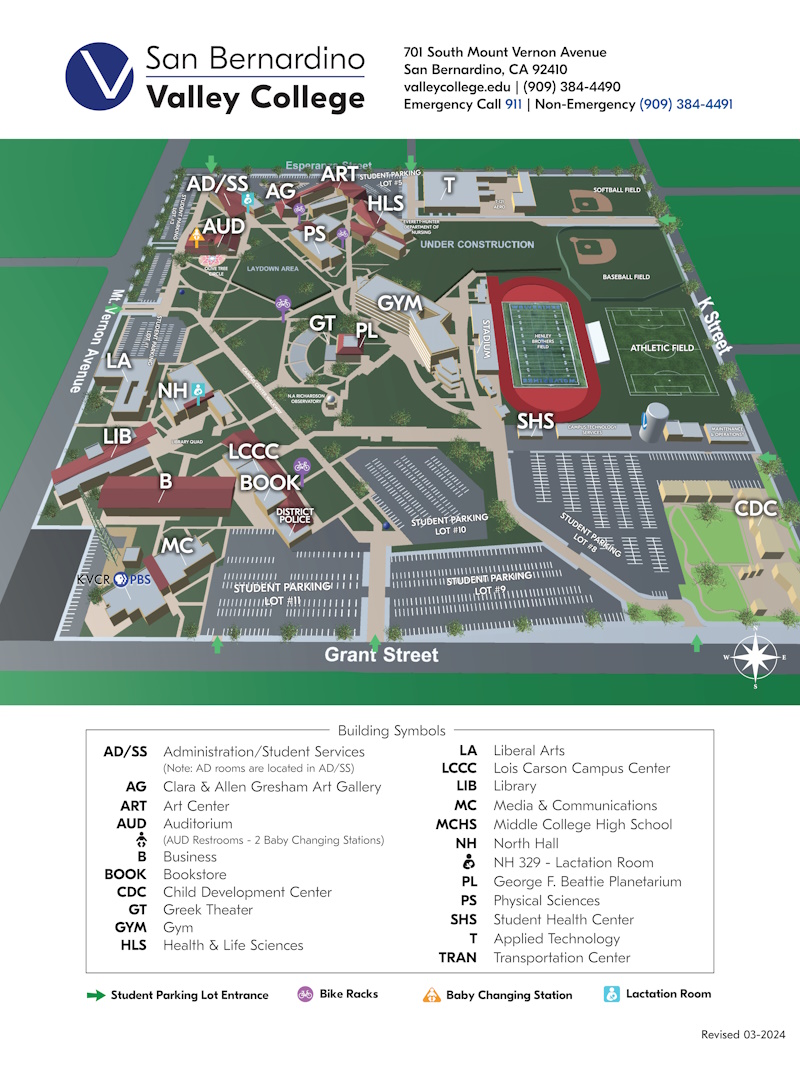
Conclusion
San Bernardino Valley College embodies a pioneering spirit, continually evolving to meet the needs of its students and the demands of the 21st-century workforce. By offering robust academic programs, comprehensive support services, and modern facilities, SBVC empowers students to unlock their potential and shape their futures. As a beacon of opportunity and excellence in the Inland Empire, SBVC remains steadfast in its mission to educate, inspire, and transform lives through the power of learning.
From Classroom to Clinic – Hacienda La Puente’s Journey to Nursing Excellence

Hacienda La Puente Adult Education
Hacienda La Puente Adult Education (HLPAE) is a distinguished institution located in the San Gabriel Valley region of Los Angeles County, California, renowned for its commitment to providing comprehensive adult education and career training programs. As part of the Hacienda La Puente Unified School District, HLPAE serves a diverse community of learners, offering a wide array of programs designed to meet the needs of adults seeking to enhance their skills, advance their careers, or pursue new paths of learning.
With an emphasis on flexibility and accessibility, HLPAE caters to approximately 10,000 students annually, providing educational opportunities in areas such as English as a Second Language (ESL), high school diploma and equivalency (GED/HiSET), career technical education (CTE), and community education classes. The institution prides itself on its ability to deliver programs that are tailored to the evolving demands of the job market, ensuring that students gain relevant skills and certifications that propel them toward success.
HLPAE’s student body reflects the diverse demographics of the surrounding community, with a wide range of ages, backgrounds, and educational goals. The institution does not have a traditional student to faculty ratio due to its varied program offerings and class sizes, which are designed to provide personalized attention and support to each learner.
Among the most popular programs at HLPAE are Career Technical Education (CTE) courses in fields such as healthcare, business, and technology. These programs are particularly valued for their focus on hands-on training and industry certifications, equipping students with the practical skills required in today’s workforce. HLPAE also offers enrichment classes and lifelong learning opportunities, emphasizing its role in fostering personal growth and community engagement.
HLPAE operates with an open enrollment policy, welcoming all adults with the desire to learn and improve their skills, regardless of their educational background. There is no application fee, making education accessible to everyone in the community.
The cost of attending HLPAE varies by program, with many courses offered at low or no cost to students, thanks to state funding and other financial aid options. This makes HLPAE an affordable choice for adult education and vocational training.
Admission Process for Hacienda La Puente Adult Education:
- Eligibility: Open to all adults, regardless of their previous educational achievements. Specific programs may have additional requirements.
- Application: Interested individuals can apply by visiting the HLPAE website or campus to enroll in classes. Enrollment is ongoing, allowing students to join at various times throughout the year.
- Program Selection: Applicants can choose from a wide range of programs, from academic upgrading to career technical education, based on their interests and goals. Guidance is available to help students select the right path.
- Accounting
- Automotive Technology
- Barbering
- Business Management
- Child Development
- Computer Applications
- Construction Technology
- Cosmetology
- Culinary Arts
- Dental Assistant
- Electrical Technology
- English as a Second Language (ESL)
- Fashion Design and Merchandising
- General Educational Development (GED) Preparation
- Health Careers
- Heating, Ventilation, Air Conditioning, and Refrigeration (HVAC/R)
- High School Diploma Program
- Information Technology
- Medical Assistant
- Nursing Assistant (CNA)
- Pharmacy Technician
- Phlebotomy Technician
- Welding Technology
Allan Hancock College’s Journey to Excellence
Allan Hancock College is a public institution located in Santa Maria, California, offering a wide range of educational opportunities. The college serves a diverse student body, with a large percentage of Hispanic students, and is known for being a Hispanic-Serving Institution. It provides an array of programs aimed at equipping students with skills for the workforce, further education, and personal development. Allan Hancock College offers pathways to certificates, associate degrees, and also facilitates transfer to four-year universities.
The college has a student-to-faculty ratio of 17:1, which is lower than the California community college average, allowing for a more personalized education experience. They have a University Transfer Center to support students looking to continue their education at four-year institutions, providing resources like university catalogs, academic counseling, and information on admission requirements.
Allan Hancock College’s in-state tuition is noted to be affordable at approximately $1,346, which is less than the state average for community colleges, and the out-state tuition is $6,750. A significant percentage of students receive financial aid to help with the costs.
The college has a strong athletics program with various men’s and women’s varsity teams competing under the name Bulldogs. They are part of the California Community College Athletic Association (CCCAA) and participate in the Western State Conference for most sports.
Faculty and Staff
- Accounting
- Agriculture
- Art
- Astronomy
- Automotive Technology
- Biology
- Business Administration
- Chemistry
- Child Development
- Computer Science
- Culinary Arts
- Dance
- Dental Assisting
- Drama
- Economics
- Engineering
- English
- Environmental Science
- Fire Technology
- Geography
- Geology
- Graphic Design
- History
- Hospitality Management
- Kinesiology
- Law Enforcement Training
- Mathematics
- Music
- Nursing
- Philosophy
- Physics
- Political Science
- Psychology
- Sociology
- Spanish
- Theatre Arts
- Welding Technology
Conclusion
Allan Hancock College continues to blaze trails in higher education, driven by a mission to empower students through comprehensive academic programs, innovative learning environments, and unwavering support. As a pivotal force for change and opportunity in the Central Coast region, the college stands as a testament to the transformative power of education. Allan Hancock College not only educates students but inspires them to become leaders, innovators, and valuable contributors to their communities and beyond.
Mount San Antonio College’s Legacy of Success
Mount San Antonio College
Mount San Antonio College, commonly known as Mt. SAC, is a well-regarded community college located in Walnut, California. The college offers a diverse range of nearly 400 degree and certificate programs across various fields of study. Notable among its offerings are the aviation and aircraft maintenance programs, which include Associate of Science degrees in Aviation Science and Commercial Flight. Mt. SAC also has an on-campus partnership with Southern Illinois University to offer a Bachelor of Science degree in Aviation Management.
The student demographic at Mt. SAC is diverse, with a significant Hispanic population. The college is a Hispanic Serving Institution, and it also serves a substantial number of Asian American students. With a student to faculty ratio of 22:1, the college provides an environment that allows for individualized attention and support.
Mt. SAC is known for its athletic programs as well, competing in the California Community College Athletic Association (CCCAA) with a variety of sports offerings. The college boasts numerous state championships, particularly in track and field and cross country, reflecting a strong athletic tradition.
The college has a completion rate of 36% for students graduating in less than four years and reports that 75% of its students receive some form of financial aid. With in-state tuition fees being significantly lower than the state average, it provides an affordable option for higher education. Graduates of Mt. SAC go on to earn an average salary of $39,000 ten years after graduation, which is above the average for community college graduates in California.
For those interested in student activities, Mt. SAC has a vibrant student government and sponsors a variety of events, including cultural celebrations and campus holiday celebrations.
Overall, Mt. SAC is committed to academic excellence and offers a supportive learning environment for students to achieve success in their future careers or educational endeavors.
Faculty and Staff
At the core of Mt. SAC’s academic success are its faculty and staff, whose dedication to student success is unparalleled. With a diverse team of educators and professionals, Mt. SAC boasts a faculty rich in experience and expertise across a wide range of disciplines. These committed educators bring their passion for teaching to the forefront, creating an environment that encourages curiosity, critical thinking, and lifelong learning.
Mt. SAC maintains a low student-to-faculty ratio, ensuring personalized attention and fostering a supportive and inclusive learning environment. This approach allows for meaningful interactions between students and faculty, enabling personalized guidance and mentorship that are crucial for academic and personal development.
Student Resources and Support Services
Recognizing the diverse needs of its student body, Mt. SAC provides an extensive array of resources and support services designed to ensure every student has the tools and opportunities to succeed:
- Academic Advising: Expert advisors assist students in navigating their academic pathways, from course selection to career planning, ensuring a clear and achievable roadmap to success.
- Financial Aid and Scholarships: A comprehensive financial aid program offers students access to scholarships, grants, work-study options, and loans, making higher education accessible and affordable.
- Tutoring and Academic Support: Dedicated tutoring centers across various subjects offer personalized academic assistance, helping students overcome challenges and excel in their studies.
- Student Engagement and Leadership: A vibrant campus life, enriched by numerous student organizations, leadership programs, and extracurricular activities, encourages students to engage with their community, develop leadership skills, and enhance their college experience.
- Health and Wellness Services: Mt. SAC prioritizes the well-being of its students by providing health services, mental health counseling, and wellness programs, supporting students’ holistic health and academic success.
Facilities and Infrastructure
Mount San Antonio College’s commitment to providing a premier educational experience is evident in its state-of-the-art facilities and innovative infrastructure:
- Advanced Learning Environments: Cutting-edge classrooms, labs, and workshops equipped with the latest technology support a dynamic and interactive learning experience across all fields of study.
- Cultural and Performing Arts Venues: The campus is home to exceptional performing arts and cultural facilities, serving as a hub for artistic expression and cultural exchange within the college and the broader community.
- Athletic and Recreational Facilities: Outstanding sports complexes and recreational areas support the college’s athletic teams and recreational programs, promoting physical activity, team spirit, and student wellness.
- Sustainability Initiatives: Mt. SAC is committed to sustainability, with eco-friendly campus designs and green initiatives that reflect the college’s dedication to environmental stewardship and sustainable practices.
Mount San Antonio College (Mt. SAC) offers a diverse array of programs designed to cater to a wide range of academic interests and career aspirations. Here are some of the programs they offer:
- Accounting
- Aeronautics
- Agriculture Sciences
- Animal Science
- Anthropology
- Architecture
- Art
- Astronomy
- Automotive Technology
- Biology
- Business Administration
- Chemistry
- Child Development
- Communication Studies
- Computer Information Systems
- Computer Science
- Construction Technology
- Criminal Justice
- Culinary Arts
- Dance
- Dental Assisting
- Diagnostic Medical Sonography
- Economics
- Engineering
- English
- Environmental Studies
- Fashion Design
- Fire Technology
- Geography
- Geology
- Graphic Design
- Health Sciences
- History
- Horticulture
- Hospitality and Restaurant Management
- Interior Design
- Journalism
- Kinesiology
- Legal Studies
- Mathematics
- Music
- Nursing
- Nutrition and Foods
- Paralegal Studies
- Philosophy
- Photography
- Physical Sciences
- Physics
- Political Science
- Psychology
- Public Health Science
- Radiologic Technology
- Respiratory Therapy
- Sociology
- Theatre Arts
- Veterinary Technology
- Welding Technology
Conclusion
Mount San Antonio College stands as a testament to the transformative power of education, with its unwavering commitment to student success, academic excellence, and community engagement. Through its innovative programs, supportive environment, and state-of-the-art facilities, Mt. SAC empowers students to reach their full potential and embark on pathways to success. As a beacon of opportunity in Southern California, Mount San Antonio College continues to inspire and shape the leaders, thinkers, and innovators of tomorrow.
The Academic Journey at World Mission University
World Mission University is a beacon of higher education with a distinctive focus on global mission and service. Established with a vision to equip students for impactful leadership in diverse cultural contexts, World Mission University offers a unique blend of academic excellence and spiritual formation.
At its core, World Mission University is committed to cultivating servant leaders equipped with both knowledge and compassion to address the complex challenges of our world. The institution strongly emphasizes integrating faith and learning, fostering a holistic approach to education that nurtures intellectual curiosity, spiritual growth, and a heart for service.
With a diverse student body representing various backgrounds and cultures, World Mission University provides a prosperous and inclusive learning environment where students are encouraged to engage in meaningful dialogue, collaborate on interdisciplinary projects, and cultivate a global perspective.
The university’s mission is further underscored by its dedication to fostering a community of learners committed to making a positive difference in their communities and beyond.
Driven by its mission and values, World Mission University strives towards excellence in education, innovation in research, and service to humanity, shaping leaders who will impact the world.
Historical Background
Founding of World Mission University
World Mission University (WMU) was established in by Reverend Dong Sun Lim to provide quality higher education rooted in Christian principles.
The university’s foundation stemmed from a vision to equip individuals with academic knowledge and spiritual guidance to serve communities locally and globally.
They envisioned WMU as a place where students could integrate faith with learning, preparing them for leadership roles in various fields while emphasizing the importance of serving others.
Evolution of Programs and Offerings
Since its founding, WMU has undergone significant growth and development in its programs and offerings. Initially starting with a limited number of undergraduate courses, the university gradually expanded its curriculum to meet the evolving needs of students and industries.
Through strategic planning and continuous assessment, WMU diversified its programs to encompass various disciplines, including liberal arts, business, theology, and sciences.
The university also introduced innovative teaching methodologies and incorporated modern technologies to enhance the learning experience for students.
As the educational landscape evolved, WMU adapted its programs to align with emerging trends and demands in the job market.
This evolution led to the introduction of specialized tracks, online courses, and interdisciplinary programs, catering to its student body’s diverse interests and career aspirations.
Moreover, WMU established partnerships with industry leaders and organizations to offer internships, experiential learning opportunities, and professional development programs, ensuring that graduates are well-equipped for success in their respective fields.
WMU remained committed to fostering academic excellence, spiritual growth, and global citizenship throughout its journey.
The university’s continuous innovation and dedication to serving its community have solidified its position as a leading institution in Christian higher education.
Accreditation and Affiliations
Accreditation Status
World Mission University is accredited by several organizations. It is accredited by the Association for Biblical Higher Education (ABHE) to grant degrees at the Associate, Baccalaureate, Master’s, and Doctoral levels. The RN to BSN program at the university is accredited by the Commission on Collegiate Nursing Education (CCNE). Additionally, the School of Theology is accredited by the Association of Theological Schools (ATS)
https://wmu.edu/accreditation-statements
https://wmu.edu/accreditation
Accreditation affirms the university’s commitment to providing students with a high-quality education recognized and respected by employers and other academic institutions.
This accreditation also enables students to transfer credits seamlessly and pursue further education or licensure in their chosen field.
Affiliations with Educational Associations or Religious Bodies
World Mission University maintains affiliations with various educational associations and religious bodies that share its commitment to academic excellence and Christian values.
These affiliations provide opportunities for collaboration, networking, and resource sharing, enriching the university’s educational offerings and promoting its mission on a broader scale.
Through these partnerships, WMU remains connected to the broader academic and religious communities, staying informed about best practices and emerging trends in higher education and Christian ministry.
Here are some of World Mission University’s affiliations:
- Association of Biblical Higher Education (ABHE):
- The Association for Biblical Higher Education (ABHE) is a North American agency that accredits Bible colleges and universities.
- ABHE
- Association of Theological Schools (ATS):
- The Association of Theological Schools (ATS) is an organization that accredits seminaries and theological schools in the United States and Canada.
- ATS
Academic Programs
World Mission University offers a comprehensive range of undergraduate programs to provide students with a strong foundation in their chosen field of study while integrating Christian principles into their academic pursuits.
Specific Degree Offerings
- Bachelor of Arts (BA)
- Bachelor of Science in (BS)
- Bachelor of Business Administration (BBA)
- Bachelor of Theology (B.Th.)
- Bachelor of Arts in Education (B.Ed.)
Graduate Programs
Overview
WMU’s graduate programs are tailored to meet the needs of working professionals seeking to advance their careers or pursue further education in specialized areas.
These programs combine advanced coursework with practical experience and spiritual formation, preparing graduates for academia, industry, and ministry leadership roles.
Specific Degree Offerings
- Master of Arts (MA)
- Master of Business Administration (MBA)
- Master of Divinity (M.Div.)
- Master of Science (MS)
- Doctor of Ministry (D.Min.)
Specialized Areas of Study and Concentrations
World Mission University offers specialized areas of study and concentrations within its academic programs, allowing students to focus their studies on specific areas of interest or career goals. These may include:
- Biblical Studies
- Intercultural Studies
- Counseling Psychology
- Educational Leadership
- Information Technology
- Healthcare Management
Faculty and Staff
Qualifications and Expertise of Faculty Members
The faculty members at World Mission University are highly qualified and bring expertise and experience to their respective fields.
They hold advanced degrees from prestigious institutions and actively participate in research, scholarship, and professional practice.
Many faculty members have also earned recognition for their contributions to academia and their respective industries, further enhancing the quality of education at WMU. Moreover, the faculty’s commitment to integrating Christian principles into their teaching and mentorship fosters a supportive and enriching learning environment for students.
Staff Support and Resources
A dedicated staff supports WMU and is committed to providing students with the resources and support they need to succeed academically, personally, and spiritually.
From admissions and financial aid assistance to academic advising and career counseling, the university’s staff members can guide students through every step of their educational journey. Additionally, WMU offers support services, including tutoring, mentoring, and counseling, to ensure students can access the resources they need to thrive in their studies and personal development.
Campus and Facilities
Location and Campus Setting
World Mission University is located in Los Angeles, California, in a vibrant and diverse community with a rich cultural and academic environment. Situated
is located in Los Angeles, California. Specifically, the institution is situated in the Koreatown neighborhood, which is known for its dense, diverse population and rich cultural offerings, including a variety of Korean restaurants, shops, and businesses. Koreatown is a vibrant area in central Los Angeles, making the university centrally located within the city.
Koreatown is near many of Los Angeles’s key attractions and areas of interest. It’s close to downtown Los Angeles, which is the city’s business center and home to many cultural and entertainment venues, including the Staples Center, Los Angeles Convention Center, and a variety of museums, theaters, and parks.
Being in Koreatown also puts World Mission University near several major transportation routes and public transit options, including the Metro Purple Line and several bus lines, facilitating easy access to and from the university. The neighborhood’s central location in Los Angeles makes it relatively convenient for students to explore the city, including Hollywood, the Los Angeles County Museum of Art (LACMA), and Griffith Park, among other landmarks.
The campus provides students with easy access to local amenities, entertainment venues, and opportunities for community engagement.
Facilities Available to Students
Academic Facilities
WMU boasts state-of-the-art academic facilities with modern technology and resources to support student learning and research. These facilities include well-equipped classrooms, laboratories, libraries, and computer labs, providing students access to the latest tools and technologies in their respective fields of study.
Recreational and Social Facilities
WMU offers a variety of recreational and social facilities to enhance the overall student experience. These may include a student center, cafeteria, fitness center, sports fields, and recreational areas where students can relax, socialize, and participate in extracurricular activities.
Student Life and Support Services
Demographics of the Student Body
World Mission University attracts diverse students from various cultural, ethnic, and religious backgrounds. This diversity enriches the learning environment and promotes cross-cultural understanding and student collaboration.
Student Organizations and Extracurricular Activities
WMU offers a wide range of student organizations and extracurricular activities to cater to its student body’s diverse interests and talents.
These may include academic clubs, cultural organizations, performing arts groups, volunteer initiatives, and religious fellowships, providing students with opportunities for personal growth, leadership development, and community involvement.
Support Services Available to Students
World Mission University is committed to supporting its students’ holistic development and well-being.
In addition to academic advising and counseling services, the university offers various support services, including career services, disability accommodations, health and wellness programs, and spiritual guidance, ensuring that students have access to the resources they need to thrive personally, academically, and spiritually.
Community Engagement
Partnerships with Local Organizations or Businesses
World Mission University actively fosters partnerships with local organizations and businesses to enrich the educational experience of its students and contribute to the community.
These partnerships may involve collaboration on research projects, internships, job placement opportunities, and community service initiatives.
By engaging with local stakeholders, WMU seeks to promote experiential learning, facilitate career readiness, and address community needs through meaningful partnerships and collaborations.
Outreach Programs and Initiatives
WMU is dedicated to serving its community through various outreach programs and initiatives. These may include volunteer activities, service-learning projects, and educational workshops addressing social, economic, and environmental challenges.
By engaging in outreach initiatives, WMU empowers students to become active community participants and promotes compassion, empathy, and social responsibility.
Alumni Network
Overview of the Alumni Association
World Mission University’s alum association serves as a valuable resource for graduates, providing opportunities for networking, professional development, and continued engagement with the university community.
The association offers a range of benefits and services to its members, including networking events, career resources, alum directories, and mentoring programs. The alum association fosters lifelong connections among graduates through these initiatives and supports their personal and professional growth.
Notable Alumni Achievements
WMU alums have achieved notable success in their respective fields and significantly contributed to society.
From business leaders and educators to healthcare professionals and religious leaders, WMU alums are making a positive impact in their communities and beyond.
Their achievements serve as a testament to the quality of education and the values instilled by WMU, inspiring current students and fellow alums to pursue excellence in their endeavors.
Networking Opportunities for Current Students
World Mission University allows current students to connect with alums through networking events, alumni panels, and mentorship programs.
These networking opportunities allow students to gain insights into various career paths, seek advice from experienced professionals, and expand their professional networks. WMU strengthens its community and prepares students for success beyond graduation by facilitating interactions between students and alums.
Future Directions and Initiatives
Vision for Future Growth and Development
World Mission University aims to grow and innovate in Christian higher education by focusing on:
- Academic Excellence: Offering quality programs aligned with industry needs.
- Spiritual Formation: Nurturing students’ spiritual growth and ethical leadership.
- Global Engagement: Promoting cross-cultural understanding through international initiatives.
- Community Impact: Addressing societal challenges through partnerships and service.
- Innovation and Technology: Embracing tech advancements for better learning experiences.
Ongoing Initiatives and Strategic Goals
WMU’s ongoing efforts include:
- Enhancing Student Success: Providing comprehensive support for student achievement.
- Diversity, Equity, and Inclusion: Cultivating an inclusive campus environment.
- Sustainability: Prioritizing environmental responsibility in operations and curriculum.
- Financial Sustainability: Ensuring long-term financial health through strategic planning.
- Strategic Partnerships: Collaborating with diverse stakeholders for mutual benefit.
Data on World Mission University
| Aspect | Details |
| Location | Los Angeles, California, USA |
| Founded | 1987 |
| Accreditation | Accredited by the Transnational Association of Christian Colleges and Schools (TRACS) |
| Affiliations | Affiliated with Christian Colleges and Universities (CSU) |
| Programs Offered | Undergraduate degrees in Business Administration, Theology, Education, and more. Graduate degrees in Divinity, Counseling, and Information Technology. Specialized areas of study include Biblical Studies and Intercultural Studies. |
| Student Body Size | Approximately 500 students |
| Faculty | They are comprised of experienced professors with advanced degrees and expertise in their fields. Many faculty members are actively engaged in research and professional practice. |
| Facilities | The campus features modern classrooms, laboratories, a library, computer labs, a student center, a cafeteria, sports fields, and recreational areas. |
| Alumni Association | The alum association provides networking opportunities, career resources, and events for graduates to stay connected with the university and fellow alums. |
| Vision | World Mission University aims to continue growing as a leading institution in Christian higher education, fostering academic excellence, spiritual growth, and global citizenship among its students. |
| Description | Link |
|---|---|
| World Mission University Official Website: | https://wmu.edu/ |
| Admission Information for Prospective Students: | https://wmu.edu/admission-info/ |
| Undergraduate Majors and Programs: | https://wmu.edu/undergraduate/ |
| Contact Information and Campus Location: | https://wmu.edu/contact-map/ |
Conclusion
World Mission University stands poised for continued growth and impact in Christian higher education. With a commitment to academic excellence, spiritual formation, and global engagement, WMU aims to empower students to become ethical leaders equipped to address the challenges of today’s world.
Through ongoing initiatives focused on student success, diversity, sustainability, and strategic partnerships, the university is positioned to fulfill its mission of preparing graduates who positively impact their communities. As WMU embraces innovation and technology, it remains dedicated to its core values while embracing future opportunities.
Related Posts:
The Impact of Studying at a Catholic University in California
Vanguard University Acceptance Rate: Boost Your Chances of Admission
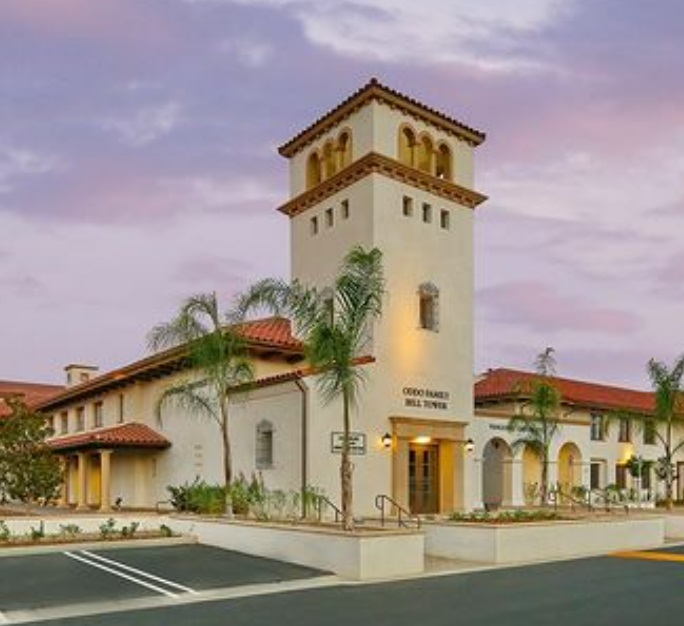
Vanguard University, located in Costa Mesa, California, is a private Christian university committed to providing a transformative educational experience grounded in faith, scholarship, and service. Established in 1920, Vanguard has a rich history rooted in the Pentecostal tradition and a dedication to academic excellence and spiritual growth. With an acceptance rate of approximately 69%, Vanguard University offers a moderately selective admissions process, making it accessible to a diverse range of students. This acceptance rate reflects the university’s commitment to fostering a welcoming community while maintaining academic standards.
The university traces its origins to the Southern California Bible School, founded by Harold K. Needham in 1920. The institution evolved and expanded its offerings, eventually becoming the Vanguard University of Southern California in 1999.
Throughout its history, Vanguard has remained steadfast in its mission to prepare students with the knowledge, skills, and values necessary to lead purposeful lives and positively impact the world.
Vanguard University’s mission is to pursue knowledge, cultivate character, deepen faith, and equip students for a life of leadership and service. Guided by Christian principles, the university seeks to foster an inclusive community where students from diverse backgrounds can engage in rigorous intellectual inquiry, spiritual formation, and personal development.
Commitment to excellence, integrity, and compassion, Vanguard University prepares graduates to serve their communities with integrity, compassion, and a commitment to social justice.
Academic Programs
Undergraduate Programs
Bachelor’s Degrees in Various Fields: The undergraduate program offers bachelor’s degrees across various disciplines, including but not limited to arts, humanities, sciences, social sciences, business, engineering, and health sciences.
These programs provide students comprehensive knowledge and skills, preparing them for careers or further education. Courses are designed to be relevant, incorporating both theoretical foundations and practical applications.
General Education Requirements: Besides major-specific coursework, undergraduate programs include general education requirements to provide students with a well-rounded education.
These requirements typically cover writing and communication, quantitative reasoning, natural sciences, social sciences, humanities, and interdisciplinary studies. General education courses help students develop critical thinking, communication, and problem-solving skills necessary for success in any profession.
Graduate Programs
Master’s Degrees and Professional Programs: Graduate programs offer advanced study and specialized training in various fields, leading to master’s degrees or professional certifications.
These programs cater to students seeking to deepen their knowledge, develop expertise, or advance their careers in specific areas.
Examples include Master of Arts, Master of Science, Master of Business Administration, and Master of Public Health (MPH), and specialized professional certifications in education, healthcare, finance, and information technology.
Specialized Certifications: Besides traditional master’s degrees, graduate programs may offer technical certifications or professional development programs to enhance specific skills or credentials.
These certifications are often tailored to industry standards and may be completed with or independently of a degree program. Examples include project management certifications, industry-specific credentials, teaching certifications, and licensure programs for healthcare professionals.
Online Learning Options and Continuing Education Opportunities
Online Learning Options and Continuing Education Opportunities cater to individuals seeking flexible learning options or professional development outside traditional degree programs. These offerings may include:
Online Courses and Degree Programs: Institutions offer online courses and programs that allow students to complete coursework remotely, providing flexibility for working professionals, adult learners, or individuals with other commitments.
Online programs often mirror on-campus offerings’ curriculum and academic standards, providing access to lectures, assignments, and interactive learning materials through virtual platforms.
Continuing Education and Professional Development: Continuing education programs offer non-degree courses, workshops, seminars, and certificate programs designed to enhance professional skills, update knowledge, or explore new career paths.
These programs cater to specific industries, professions, or skill areas, providing opportunities for lifelong learning and career advancement. Continuing education options accommodate individuals at various stages of their careers and may include licensure renewal, skill-specific training, or personal enrichment courses.
Vanguard Acceptance Rate and Admissions
Vanguard University is a private Christian university known for its liberal arts education and strong community values. Understanding its acceptance rate and admissions process is crucial for prospective students aiming to join this vibrant academic community.
Acceptance Rate
The acceptance rate at Vanguard University varies slightly according to different sources:
- 75% according to US News and EduRank.
- 83% as reported by The Princeton Review.
- 69% according to BestColleges.
This range indicates that Vanguard University has a moderately selective admissions process, making it accessible to a wide range of students while maintaining certain academic standards.
Admissions Criteria
Vanguard University places a strong emphasis on several key factors in its admissions process:
- High School GPA: A crucial factor in the admissions decision.
- Standardized Tests: SAT/ACT scores are considered but not required.
- High School Transcript: Required for all applicants.
- Christian Experience Statement: Applicants must submit a statement detailing their relationship with Christ and involvement in church and ministry activities.
- Application Deadlines:
- Early Action: December 1
- Priority: January 15
- Regular Decision: March 2
Academic Profile of Admitted Students
The academic profile of students admitted to Vanguard University typically includes:
- SAT Scores: Between 980 and 1200.
- ACT Scores: Between 19 and 25.
Tips for Prospective Students
To improve your chances of being accepted into Vanguard University, consider the following strategies:
- Maintain a Strong GPA: Since GPA is a significant factor, focus on achieving high grades throughout high school.
- Craft a Compelling Christian Experience Statement: Reflect deeply on your spiritual journey and how it aligns with Vanguard’s community values.
- Engage in Extracurricular Activities: Participation in church and community service can strengthen your application.
- Prepare for Standardized Tests: Although not required, submitting strong SAT or ACT scores can enhance your application.
- Meet Application Deadlines: Ensure all materials are submitted by the relevant deadlines to avoid any last-minute issues.
With a moderately selective acceptance rate, prospective students should focus on academic excellence and personal growth to enhance their admissions prospects. By understanding the admissions criteria and preparing accordingly, applicants can increase their chances of joining this supportive and dynamic university community.
Campus Facilities and Resources

Academic Facilities
Classrooms, Laboratories, and Lecture Halls: The campus features modern and well-equipped classrooms, laboratories, and lecture halls to facilitate effective teaching and learning.
Classrooms have multimedia technology, audio-visual equipment, and interactive whiteboards to support dynamic instruction and student engagement. Laboratories provide hands-on learning experiences in science, engineering, healthcare, and other disciplines, while lecture halls accommodate larger classes and guest lectures.
Libraries and Research Centers: The campus boasts extensive library resources, including print and electronic collections, research databases, and scholarly journals, to support academic inquiry and research.
Libraries offer quiet study spaces, collaborative work areas, computer labs, and access to specialized research assistance from librarians. Research centers provide opportunities for faculty and students to conduct interdisciplinary research, collaborate on projects, and contribute to knowledge advancement in various fields.
Student Support Services
Counseling and Advising Services: Professional counselors and academic advisors offer personalized support to students in academic, personal, and career-related matters.
Counseling services provide confidential assistance with mental health concerns, stress management, and personal development, while academic advisors assist students with degree planning and academic progress monitoring. These services promote student well-being, success, and retention.
Career Development and Internship Programs: Career services offices provide resources, workshops, and individualized assistance to help students explore career options, develop job search skills, and secure internships or employment opportunities.
Career counselors offer guidance on resume writing, interview preparation, networking strategies, and professional development. Internship programs facilitate experiential learning and industry connections, allowing students to gain practical work experience and apply classroom knowledge in real-world settings.
Extracurricular Facilities and Activities
Campus Clubs, Organizations, and Student Government: The campus offers a diverse array of clubs, organizations, and student government associations representing various interests, identities, and cultural backgrounds.
These groups provide opportunities for students to pursue shared interests, develop leadership skills, and engage in campus and community service initiatives. Student government plays a vital role in advocating for student interests, organizing events, and fostering a sense of community and belonging.
Athletic Facilities and Intramural Sports Programs: The campus boasts state-of-the-art athletic facilities, including gymnasiums, fitness centers, playing fields, and courts, to support recreational and competitive sports activities.
Intramural sports programs offer students of all skill levels opportunities to participate in organized sports leagues, tournaments, and fitness classes. These programs promote physical health, teamwork, camaraderie, and school spirit among students.
Faculty and Staff
Credentials and Areas of Expertise: Faculty members possess diverse educational backgrounds, including advanced degrees, professional certifications, and industry experience relevant to their respective fields.
Their areas of expertise encompass various disciplines, from arts and humanities to STEM fields and beyond. Faculty may hold doctoral degrees, master’s degrees, or professional credentials in their areas of specialization, bringing depth and breadth of knowledge to the classroom.
Teaching Philosophies and Methodologies: Faculty members adhere to various teaching philosophies and methodologies that reflect their pedagogical beliefs and approaches to instruction.
Some emphasize experiential learning, active participation, and inquiry-based methods to engage them in critical thinking and problem-solving.
Others may employ lecture-based formats supplemented with hands-on activities, group projects, or technology-enhanced learning strategies.
Faculty prioritize student-centered learning experiences that foster intellectual curiosity, creativity, and lifelong learning skills.
Administrative Staff Roles
Academic Administration and Departmental Leadership: Administrative staff oversee academic departments, programs, and curricular initiatives, providing strategic direction, administrative support, and leadership to faculty and students.
They collaborate to develop and implement academic policies, curriculum revisions, and program assessments. Department chairs, deans, and educational administrators are critical in faculty recruitment, retention, professional development, and performance evaluation.
Student Affairs and Support Services: Administrative staff members in student affairs departments coordinate various support services and extracurricular activities to enhance the student experience and promote student success.
They oversee student orientation, residential life, campus activities, student organizations, and student conduct. Student affairs professionals provide resources, advocacy, and programming to support students’ personal, academic, and social development, fostering a vibrant and inclusive campus community.
Community Engagement and Partnerships
Community Service Projects and Outreach Initiatives: The institution collaborates with local nonprofit organizations, schools, and community agencies to develop community service projects, volunteer opportunities, and outreach initiatives.
Students, faculty, and staff engage in service-learning activities, civic engagement projects, and philanthropic efforts that address community needs and promote social responsibility.
Internship Opportunities and Partnerships with Businesses: The institution cultivates partnerships with local businesses, corporations, and industry leaders to provide internship opportunities, co-op experiences, and professional development opportunities for students.
These partnerships offer students hands-on learning experiences, mentorship opportunities, and pathways to employment in their chosen field.
Global Engagement and Mission Trips
International Partnerships and Study Abroad Programs: The institution fosters global engagement through partnerships with international universities, study abroad programs, and cultural exchange initiatives. Students can learn, conduct research, or participate in service-learning projects abroad, gaining cross-cultural perspectives, language proficiency, and intercultural competencies.
Service-Learning Opportunities and Cross-Cultural Experiences: The institution promotes service-learning opportunities that combine academic coursework with community service projects, both domestically and internationally. These experiences allow students to apply classroom knowledge to real-world issues while fostering empathy, cultural understanding, and social responsibility. Mission trips and alternative break programs provide immersive experiences that promote personal growth, global citizenship, and social justice advocacy.
Student Demographics and Diversity
Enrollment Statistics
Total Student Population: The institution serves a diverse population encompassing undergraduate, graduate, and non-traditional learners across various academic disciplines and program levels.
Demographic Breakdown (Age, Ethnicity, etc.): Enrollment data reflect the demographic diversity of the student body, including factors such as age, ethnicity, race, gender identity, socioeconomic status, and international representation. The institution values diversity and creates an inclusive campus environment that celebrates and respects individuals’ unique backgrounds, identities, and perspectives.
Initiatives for Diversity, Equity, and Inclusion
Diversity Programs and Multicultural Events: The institution sponsors diversity programs, cultural celebrations, and multicultural events throughout the academic year to promote awareness, dialogue, and understanding of diverse perspectives and experiences. These initiatives highlight the contributions of underrepresented groups, address social justice issues, and foster a sense of belonging and inclusion for all campus community members.
Support Services for Underrepresented Groups: The institution provides support services, resources, and affinity groups tailored to the needs of student populations, including first-generation college students, students of color, LGBTQ+ students, students with disabilities, and international students. These services may include mentorship programs, academic support, counseling services, leadership development opportunities, and advocacy initiatives to promote equity, inclusion, and student success.
Accreditation and Institutional Quality
Accreditation Status and Agencies
The institution maintains accreditation from recognized accrediting bodies, ensuring adherence to rigorous standards of quality and accountability in higher education. Accreditation may vary depending on the specific programs and services offered. Standard accrediting agencies include:
- Regional Accreditation: The institution holds accreditation from one of the regional agencies recognized by the U.S. Department of Education, such as the Higher Learning Commission, Middle States Commission on Higher Education, New England Commission of Higher Education, Northwest Commission on Colleges and Universities, Southern Association of Colleges and Schools Commission on Colleges, or the Western Association of Schools and Colleges Accrediting Commission.
- Programmatic Accreditation: Certain academic programs or professional schools may hold specialized accreditation from discipline-specific accrediting bodies. Examples include the Accreditation Board for Engineering and Technology, the Commission on Collegiate Nursing Education, the Association to Advance Collegiate Schools of Business, and the National Council for Accreditation of Teacher Education.
Institutional Effectiveness and Assessment
Academic Program Reviews and Accreditation Standards: The institution regularly reviews educational programs to assess compliance with accreditation standards, evaluate program effectiveness, and identify areas for improvement. These reviews involve comprehensive self-studies, external evaluations, and peer assessments conducted by accreditation agencies or professional organizations. Programs undergo rigorous scrutiny to ensure alignment with industry best practices, educational benchmarks, and institutional mission and goals.
Student Learning Outcomes Assessment and Continuous Improvement Initiatives: The institution systematically assesses student learning outcomes and educational effectiveness across all programs and disciplines. Faculty and administrators collaborate to define measurable learning objectives, design assessment methods, collect data, analyze results, and implement evidence-based improvements. Assessment findings inform curriculum revisions, pedagogical enhancements, and institutional decision-making to enhance student learning, retention, and success. The institution fosters a culture of continuous improvement, innovation, and accountability to uphold academic excellence and meet the evolving needs of students and stakeholders.
Accessibility / Disability Services
Vanguard is committed to providing comprehensive support for students with disabilities. Their Disability Services office ensures that all students have equal access to programs, services, and activities. Here are some of the facilities and accommodations available:
- Academic Accommodations:
- Vanguard offers reasonable academic accommodations tailored to individual needs. These may include extended test-taking time, note-taking assistance, and alternative formats for course materials.
- Housing & Dining Accommodations:
- The university collaborates with students to create accessible housing and dining arrangements. They consider mobility, dietary, and other specific requirements.
- Testing Accommodation Center (TAC):
- The TAC provides a supportive environment for students during exams. It ensures that students receive the necessary accommodations, such as extra time or a quiet space.
For more detailed information, you can visit the Disability Services webpage or refer to the Student Disability Services Handbook provided by Vanguard University
Data on Vanguard University
| Category | Data |
| Location | Costa Mesa, California |
| Type | Private, Christian university |
| Denomination | Assemblies of God |
| Founded | 1920 |
| Accreditation | WASC Senior College and University Commission |
| Total Enrollment | Approximately 2,000 |
| Undergraduate Programs | Over 30 majors and concentrations |
| Graduate Programs | Master’s degrees in 6 fields |
| Mascot | Lions |
| Colors | Blue and Gold |
| Motto | “Truth, Virtue, and Service” |
| Student-Faculty Ratio | 15:1 |
| Acceptance Rate | Approximately 69% |
| Retention Rate | 81% |
| Graduation Rate | 59% |
| Student Demographics | A diverse student representing various ethnicities and backgrounds |
| Campus Size | Approximately 38 acres |
| Notable Alumni | Various leaders in ministry, education, business, and the arts |
| Campus Facilities | Modern academic buildings, state-of-the-art laboratories, library, student center, residence halls, athletic facilities |
| Athletics | Member of the NAIA Golden State Athletic Conference, offering various sports programs |
| Religious Life | Chapel services, spiritual formation programs, and community outreach activities |
| Website | www.vanguard.edu |
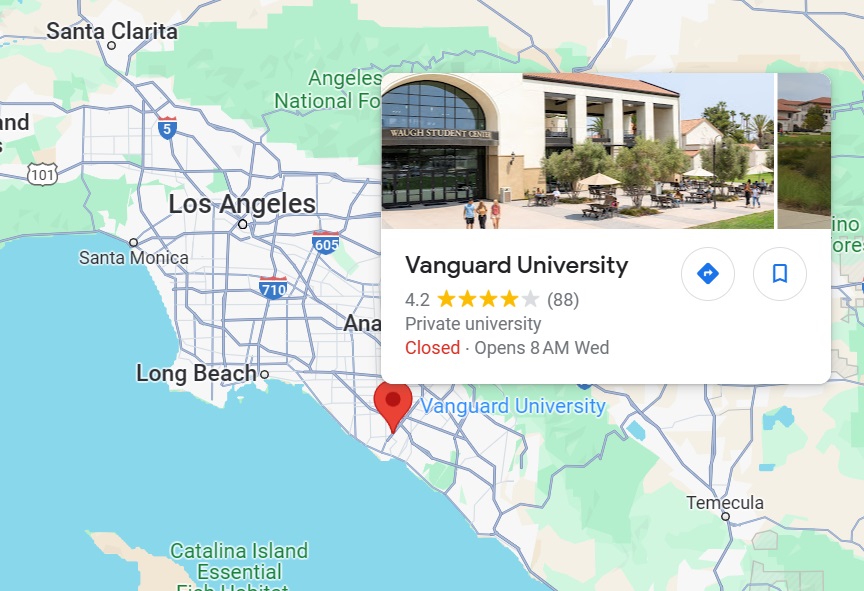
Vanguard University Campus Map
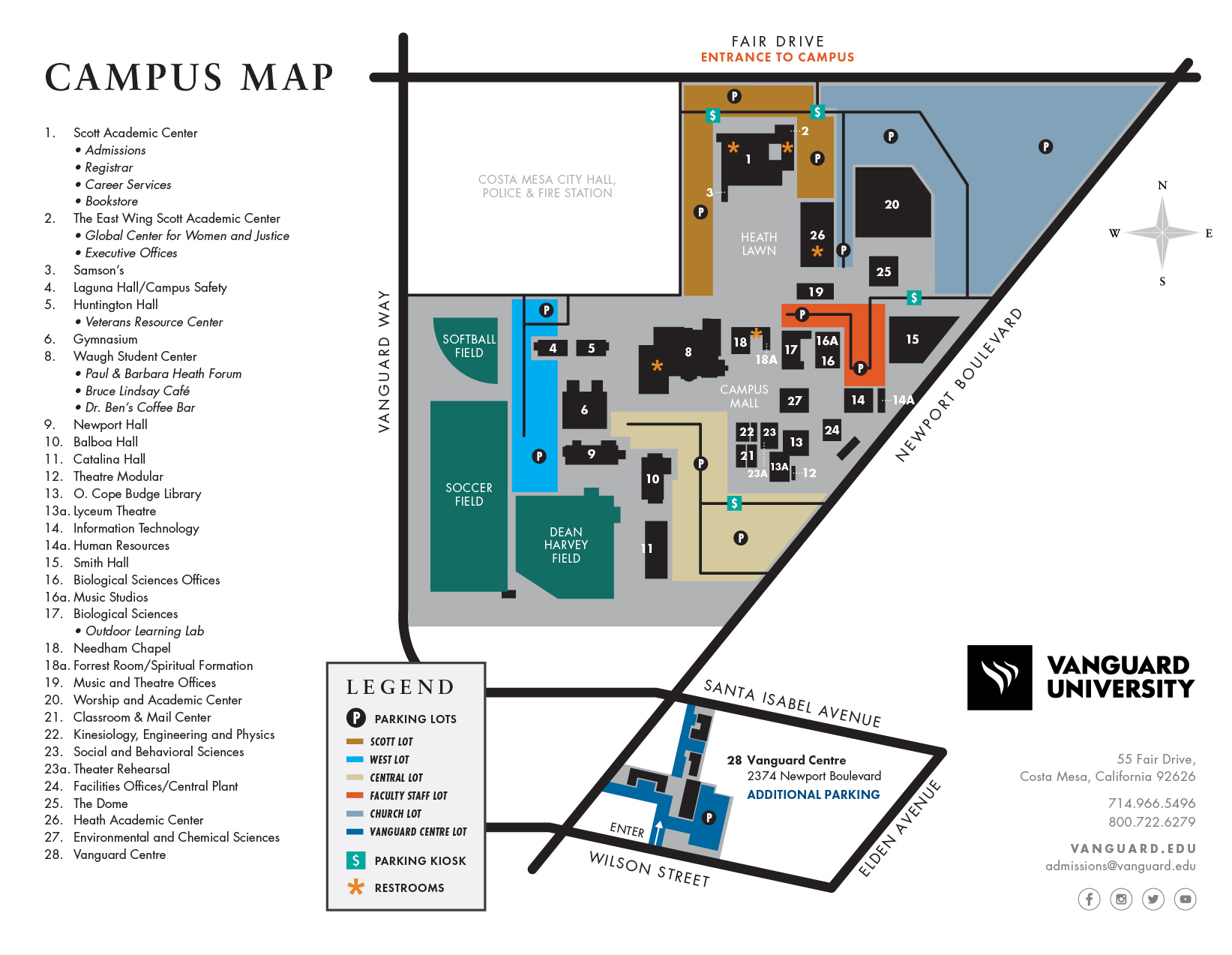
Vanguard University stands as a beacon of excellence in higher education, rooted in its Christian values and commitment to academic rigor. Its diverse programs, student-centered approach, and emphasis on service have significantly shaped future leaders.
Looking ahead, Vanguard faces challenges adapting to evolving educational landscapes while staying true to its mission. As we reflect on its impact, let’s continue to engage with Vanguard’s community and support its endeavors, ensuring a bright future of continued growth and innovation in education.
Additional Resources:
- Vanguard University – Official Website
https://www.vanguard.edu/
Explore Vanguard’s main website for information on programs, campus resources, and the university’s mission. - Vanguard University Admissions
https://www.vanguard.edu/admissions
Find out more about admissions requirements, application deadlines, and steps to apply to Vanguard University. - Academic Programs at Vanguard University
https://www.vanguard.edu/academics
Discover the range of undergraduate and graduate programs offered, including majors in arts, sciences, and professional studies. - Financial Aid and Scholarships
https://www.vanguard.edu/financial-aid
Access details on financial aid options, scholarships, and grants available to help make education at Vanguard more affordable. - Campus Life and Student Activities
https://www.vanguard.edu/student-life
Learn about student clubs, organizations, and campus events that help foster a vibrant community at Vanguard. - Vanguard University Spiritual Formation
https://www.vanguard.edu/spiritual-formation
Explore Vanguard’s commitment to faith-based growth, including chapel services, ministry opportunities, and mission trips. - Career Services and Professional Development
https://www.vanguard.edu/career-services
Discover career support, internship opportunities, and job placement services designed to help Vanguard students succeed professionally. - Campus Tours and Virtual Visits
https://www.vanguard.edu/visit
Schedule an in-person campus tour or take a virtual visit to experience Vanguard University firsthand. - Alumni Success Stories
https://www.vanguard.edu/alumni
Learn about Vanguard’s network of successful alumni, their career paths, and how the university has impacted their lives. - California State University Transfer Guide
https://www.vanguard.edu/admissions/transfer-students
Information for transfer students, including how courses from California community colleges can transfer to Vanguard University.
Related Posts:
The Top Vanguard Graduate Programs – What You Need to Know
A Guide to Christian Colleges in Southern California
The Top Vanguard Graduate Programs – What You Need to Know
 Vanguard Graduate Programs represent a pinnacle of academic excellence and professional advancement within higher education. Within the esteemed Vanguard University, these graduate programs epitomize a commitment to academic rigor, personal growth, and leadership development. Vanguard Graduate Programs encompass a diverse array of advanced degrees designed to meet the evolving needs of today’s professionals. From master’s degrees in fields like education, psychology, theology, and organizational psychology to doctoral programs offering specialized research and scholarship opportunities, Vanguard’s offerings span a spectrum of interests and career aspirations. These programs are distinguished by their rigorous curriculum, experienced faculty, and emphasis on practical application in real-world contexts.
Vanguard Graduate Programs play a pivotal role in higher education by preparing graduates to excel in their fields and make meaningful contributions to society.
With a focus on holistic development, ethical leadership, and service-oriented learning, these programs impart specialized knowledge and instill values of integrity, compassion, and social responsibility.
As catalysts for personal and professional growth, Vanguard Graduate Programs empower individuals to become transformative leaders who positively impact their communities and beyond.
History and Background
Founding Principles and Mission of Vanguard University
Vanguard University was founded in 1920 on academic excellence, spiritual growth, and service to others. The university is rooted in the Pentecostal tradition and is committed to providing a rigorous educational experience integrated with Christian values.
Its mission is to equip students for a life of leadership and service through transformative education that fosters intellectual, spiritual, and personal development.
Evolution and Growth of Vanguard Graduate Programs
Since its inception, Vanguard University has evolved and expanded its graduate offerings to meet the changing needs of students and society.
Vanguard Graduate Programs have grown to include master’s and doctoral degrees across various disciplines, reflecting the university’s commitment to academic innovation and excellence. Over the years, the programs have attracted top faculty, researchers, and students, establishing Vanguard as a leader in graduate education.
Accreditation and Affiliations
Vanguard University and its graduate programs are accredited by regional accrediting bodies, such as the Western Association of Schools and Colleges (WASC).
Additionally, specific programs may hold accreditation from professional organizations relevant to their field. Vanguard maintains affiliations with various educational associations and institutions, fostering collaboration and exchange of ideas within the academic community.
Academic Offerings
Overview of Graduate Degree Programs Offered
Vanguard Graduate Programs offer master’s and doctoral degrees to meet graduate students’ diverse needs and interests.
Programs span disciplines such as education, psychology, organizational psychology, theology, nursing, and business administration. Each program is characterized by its academic rigor, faculty expertise, and commitment to preparing students for leadership roles in their respective fields.
Specializations and Concentrations Available
Within each graduate degree program, Vanguard offers specializations and concentrations that allow students to tailor their academic experience to their interests and career goals.
These specializations may focus on counseling psychology, educational leadership, marriage and family therapy, organizational development, biblical studies, and healthcare administration. By offering specialized tracks, Vanguard ensures that students receive targeted training and expertise in their chosen field of study.
Unique Features of Vanguard Graduate Programs’ Curriculum
Vanguard Graduate Programs distinguish themselves through their innovative curriculum, which integrates academic theory with practical application and real-world experience.
The curriculum is designed to provide students with an understanding of their discipline while developing critical thinking, problem-solving, and leadership skills.
Unique features may include experiential learning opportunities, internships, practicum experiences, research projects, and capstone courses that allow students to apply their knowledge in work settings and make meaningful contributions to their field.
Faculty and Resources
Profiles of Esteemed Faculty Members
Vanguard Graduate Programs boast a distinguished faculty of experienced scholars, practitioners, and leaders in their respective fields. Faculty members bring expertise and real-world experience, enriching the academic experience for students.
Many faculty members hold advanced degrees, certifications, and licensures relevant to their discipline and actively engage in research, scholarship, and professional development activities.
Research Initiatives and Scholarly Contributions
Faculty within Vanguard Graduate Programs actively participate in research initiatives and scholarly contributions that advance knowledge in their fields.
They publish articles in peer-reviewed journals, present at academic conferences, and contribute to professional publications and books. Their research addresses pressing issues and challenges within their discipline, providing valuable insights and informing practice and policy.
Library and Research Facilities Available to Graduate Students
Vanguard Graduate Programs offer access to comprehensive library and research facilities to support students’ academic pursuits. The university library provides access to various electronic resources, including books, journals, databases, and research tools.
Additionally, students can access specialized research facilities, laboratories, and equipment relevant to their field. Professional librarians and research staff are available to assist and support graduate students in their research endeavors.
Student Support Services
Academic Advising and Counseling
Vanguard Graduate Programs provide comprehensive academic advising and counseling services to support students throughout their academic journey. Academic advisors assist students in selecting courses, creating educational plans, and navigating program requirements.
Additionally, counselors offer personalized support to address academic challenges, develop study skills, and manage stress. Through regular meetings and proactive support, students receive guidance to help them achieve their goals and succeed in their graduate studies.
Career Services and Professional Development
Vanguard offers robust career services and professional development resources to help graduate students prepare for their future careers. Career advisors guide resume writing, interview preparation, networking strategies, and job search techniques.
Workshops, seminars, and career fairs offer opportunities for students to connect with employers, explore career paths, and gain insights into the job market. Additionally, professional development programs enhance students’ leadership skills, communication abilities, and ethical decision-making, preparing them for success in their chosen professions.
Financial Aid and Scholarships
Vanguard Graduate Programs offer various financial aid options and scholarships to assist students in financing their education. Financial aid advisors help students explore federal aid programs, grants, and loans and provide assistance with completing financial aid applications.
Additionally, the university offers merit-based scholarships, need-based grants, and tuition discounts for eligible students. By providing financial assistance and resources, Vanguard ensures that graduate education remains accessible and affordable for all qualified students.
Campus Life and Community
Student Organizations and Extracurricular Activities
Vanguard Graduate Programs foster a vibrant campus life with many student organizations and extracurricular activities. These organizations cater to diverse interests and provide opportunities for students to connect, engage interests, and develop leadership skills.
Participating in academic clubs, cultural organizations, or service-oriented groups can enhance students’ college experience, build relationships, and contribute to the campus community.
Events and Networking Opportunities
The university hosts numerous events and networking opportunities to enrich students’ academic and social experiences. These events may include guest lectures, panel discussions, workshops, and social gatherings, allowing students to engage with faculty, alums, and professionals in their field.
Networking opportunities provide valuable connections, career insights, and mentorship opportunities, helping students expand their professional networks and explore future career paths.
Supportive Community and Campus Environment
Vanguard Graduate Programs cultivate a supportive and inclusive campus environment where students feel valued, respected, and empowered to succeed. Faculty, staff, and administrators prioritize student well-being and academic success, offering personalized support, mentorship, and encouragement.
Through small class sizes, collaborative learning environments, and a strong sense of community, Vanguard fosters meaningful connections, lifelong friendships, and personal growth and development.
Alumni Success and Impact
Notable Alumni Achievements
Vanguard boasts a network of accomplished alums who have significantly contributed to their respective fields. Alum achievements may include professional accomplishments, awards and recognitions, leadership roles, and entrepreneurial ventures.
Their success is a testament to the quality of education and the impact of Vanguard Graduate Programs in preparing graduates for successful and fulfilling careers.
Contributions to Their Respective Fields
Vanguard alums make meaningful contributions to their professions, industries, and communities. Through their expertise, innovation, and leadership, they address pressing challenges, advance knowledge, and affect positive societal change.
Alums may engage in research, advocacy, policymaking, and community outreach efforts that promote social justice, equity, and well-being for individuals and communities.
Career Trajectories and Success Stories
The career trajectories of Vanguard alums are diverse and inspiring, reflecting the breadth of opportunities available to graduates of Vanguard Graduate Programs. Alums pursue careers in various sectors, including education, healthcare, business, nonprofit organizations, and government.
Their success stories highlight the transformative impact of their education and the lifelong connections forged through Vanguard’s supportive community. Alums serve as role models and mentors for current students, inspiring them to pursue their passions, achieve their goals, and make a difference in the world.
Future Outlook and Growth
Plans for Program Expansion and Development
Vanguard Graduate Programs are committed to continual growth to meet the changing needs of students and industries. Plans for program expansion include introducing new degree programs, concentrations, and certificate offerings in emerging fields or areas of high demand.
Additionally, Vanguard may explore opportunities for partnerships with industry leaders, academic institutions, and community organizations to enhance program offerings and provide students with cutting-edge education and training.
Initiatives to Enhance Program Offerings
Vanguard is dedicated to enhancing the quality and relevance of its graduate programs through innovative initiatives and curriculum enhancements. Initiatives may integrate new technologies, pedagogical approaches, and experiential learning opportunities into the curriculum.
Vanguard may also invest in faculty development, research infrastructure, and student services to ensure that graduate programs remain at the forefront of academic excellence and prepare students for success in their chosen fields.
Vision for the Future of Vanguard Graduate Programs
The vision for the future of Vanguard Graduate Programs is one of continued growth, innovation, and impact. Vanguard aims to be a graduate-education leader recognized for its academic excellence, commitment to student success, and contributions to society.
The university aspires to cultivate a diverse and inclusive learning community where students are encouraged and empowered to realize their full potential, pursue their passions, and contribute to their professions and communities.
Through collaboration, creativity, and a steadfast dedication to its mission and values, Vanguard Graduate Programs will continue to inspire and transform lives for future generations.
Data on Vanguard Graduate Programs
| Program | Degree Offered | Specializations Available | Accreditation |
| Master of Arts in Education | MA | Curriculum and Instruction | WASC Accreditation |
| Special Education | |||
| Educational Leadership and Administration | |||
| Teaching English to Speakers of Other Languages | |||
| Master of Science in | MS | Clinical Psychology | WASC Accreditation |
| Clinical Psychology | Marriage and Family Therapy | ||
| Professional Clinical Counseling | |||
| Master of Science in | MS | Organizational Psychology | WASC Accreditation |
| Organizational Psychology | Leadership and Organizational Development | ||
| Executive Coaching and Consultation | |||
| Master of Arts in Theology | MA | Biblical Studies | WASC Accreditation |
| Christian Leadership | |||
| Intercultural Studies |
Conclusion
Vanguard Graduate Programs are committed to academic excellence, personal growth, and professional development. With diverse degree offerings, specialized concentrations, and a strong emphasis on practical application, Vanguard equips students with the knowledge, skills, and values needed to succeed in their chosen fields.
As the university continues to expand, innovate, and foster a supportive learning community, the future of Vanguard Graduate Programs shines bright, promising to empower generations of students to make a meaningful impact in their professions and communities.
Trinity Law School in Santa Ana: A Beacon of Legal Education
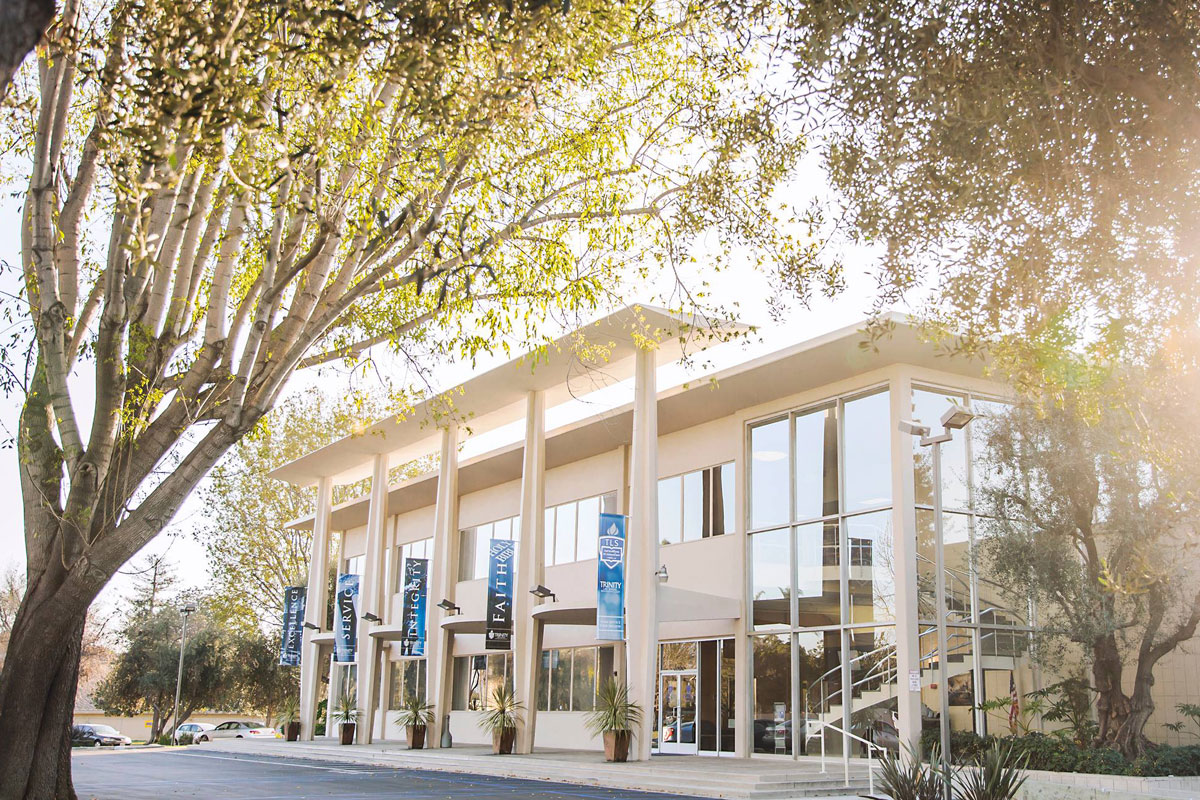
Trinity Law School Santa Ana is a beacon of legal education excellence in Southern California. Situated in the heart of Santa Ana, it offers a legal education that prepares students for the complexities of the legal profession. Trinity Law School is an institution of learning and a hub of legal thought and practice.
Trinity Law School plays a crucial role in legal education by providing a rigorous academic curriculum and practical experience, preparing students to navigate the intricacies of the legal field. With a commitment to excellence, ethics, and justice, Trinity Law School fosters the development of future legal professionals equipped to address contemporary legal challenges.
Its emphasis on experiential learning, ethical practice, and community engagement ensures that graduates are competent legal practitioners and compassionate advocates for justice and positive change in society. Thus, Trinity Law School’s contribution to legal education is invaluable, shaping the legal profession’s future and promoting the rule of law in the community.
History and Background
Founding Principles and Mission:
Trinity Law School Santa Ana was founded to provide a quality legal education rooted in Christian values and ethical principles.
Its mission is to help equip students with the knowledge, skills, and ethics to excel in the legal profession while serving the community and promoting justice. Grounded in a commitment to academic excellence, professional integrity, and social responsibility, Trinity Law School upholds its founding principles in all aspects of its operations.
Evolution and Growth of Trinity Law School:
Since its inception, Trinity Law School has undergone significant evolution and growth, expanding its programs, faculty, and facilities to meet legal education needs.
From its humble beginnings, Trinity Law School has emerged as a prominent institution in the legal community, known for its commitment to excellence, diversity, and innovation.
Over the years, Trinity Law School has adapted its curriculum, adopted modern teaching methodologies, and diversified its student body to reflect the evolving landscape of the legal profession.
Accreditation and Affiliations:
Trinity Law School is accredited by the Committee of Bar Examiners of the State Bar, ensuring that its Juris Doctor (JD) program meets the highest standards of legal education.
Additionally, Trinity Law School is affiliated with Trinity International University, a Christian institution of higher education with a legacy of academic excellence and spiritual formation.
Through its accreditation and affiliations, Trinity Law School maintains its commitment to quality education, professional integrity, and adherence to ethical standards in legal practice.
Academic Programs
Overview of Juris Doctor (JD) Program:
Trinity Law School’s Juris Doctor (JD) program provides students with a comprehensive legal education to prepare them for law practice. The program covers many foundational legal subjects, including contracts, torts, constitutional law, property law, and civil procedure.
Students learn legal theory, critical thinking, and analytical skills through classroom instruction, case studies, simulations, and experiential learning opportunities.
The JD program also emphasizes professional ethics, legal writing, and advocacy skills, ensuring that graduates are well-equipped to meet the ethical and professional responsibilities of the legal profession.
Specializations and Concentrations Offered:
Trinity Law School offers students the opportunity to specialize in their legal education through concentrations or elective courses in specific areas of law.
These specializations may include, but are not limited to, criminal law, family law, business law, immigration law, intellectual property law, environmental law, and international law.
By choosing a specialization, students can tailor their coursework and clinical experiences to align with their career goals and interests, gaining specialized knowledge and skills in their chosen field of law.
Unique Features of Trinity Law School’s Curriculum:
Trinity Law School’s curriculum stands out for its emphasis on practical skills development, experiential learning, and ethical training. The curriculum incorporates innovative teaching methodologies such as case-based learning, legal clinics, mock trials, and externships to provide students with hands-on experience and real-world exposure to legal practice. Additionally, Trinity Law School may offer unique courses or seminars on legal ethics, social justice, alternative dispute resolution, and professional responsibility, enriching students’ understanding of the law and its impact on society.
Through its holistic approach to legal education, Trinity Law School equips students with the knowledge, skills, and values necessary to become competent, ethical, and compassionate legal professionals.
Faculty and Resources
Profiles of Esteemed Faculty Members:
Trinity Law School boasts a distinguished faculty comprised of experienced legal scholars, practitioners, and experts in various fields of law. Faculty members bring expertise and real-world experience to the classroom, enriching students’ learning experiences and providing mentorship and guidance throughout their academic journey.
Many faculty members hold advanced degrees, licensures, and certifications in their respective areas of specialization and are actively engaged in legal scholarship, research, and professional development activities.
Research Initiatives and Scholarly Contributions:
Trinity Law School’s faculty actively participate in research initiatives and scholarly contributions that advance legal knowledge and practice. Faculty members may research various legal topics, publish articles in peer-reviewed journals, present at academic conferences, and contribute to legal scholarship through books, chapters, and other publications.
Additionally, faculty may engage in collaborative research projects with students, colleagues, and practitioners, fostering a culture of intellectual curiosity, innovation, and inquiry within the law school community.
Library and Research Facilities Available to Students:
Trinity Law School provides students access to a comprehensive law library and research facilities to support their academic and professional endeavors. The law library houses a vast collection of legal resources, including case law, statutes, regulations, treatises, law reviews, and legal periodicals in print and electronic formats.
Students can access online databases, research tools, and reference materials to aid in their legal research and writing projects. Additionally, the law library offers study spaces, computer labs, and research assistance from professional librarians to support students’ academic success and scholarly pursuits.
Campus Life and Community
Student Organizations and Extracurricular Activities:
Trinity Law School fosters a vibrant campus through various student organizations and extracurricular activities. These organizations cater to diverse interests and provide opportunities for students to engage, develop leadership skills, and explore their passions outside the classroom.
Examples of student organizations may include moot court teams, law review journals, student bar associations, diversity and affinity groups, and pro bono legal clinics. Participating in these organizations allows students to build connections, gain practical skills, and contribute to the school and local community.
Events and Networking Opportunities:
Trinity Law School hosts many events and networking opportunities to connect students with legal professionals, alums, and practitioners throughout the academic year.
These events may include guest lectures, panel discussions, symposia, workshops, career fairs, and alums receptions. By attending these events, students can learn about different practice areas, network with potential employers, and gain insights into the legal profession from experienced practitioners.
Networking opportunities provide students valuable connections and resources to support their academic and career goals.
Support Services and Resources for Students:
Trinity Law School offers comprehensive support services and resources to help students succeed academically, professionally, and personally. These services may include academic advising, career counseling, bar exam preparation assistance, wellness programs, and disability support services.
The school also provides writing centers, tutoring programs, and workshops on study skills and time management to support students’ academic development and success. Additionally, Trinity Law School offers opportunities for mentorship and guidance from faculty, alums, and legal professionals, helping students navigate their legal education and career paths with confidence and resilience.
Clinical Training and Experiential Learning
Overview of Clinical Training Opportunities:
Trinity Law School offers robust clinical training opportunities to students, providing them with hands-on experience and practical skills essential for their legal careers. These opportunities may include internships at law firms, government agencies, nonprofit organizations, or judicial chambers.
Under the supervision of experienced attorneys or judges, students engage in legal research, writing, client counseling, and courtroom advocacy, gaining valuable insights into the legal profession and the practical application of legal principles.
Legal Clinics and Externship Programs:
Trinity Law School operates legal clinics and externship programs that enable students to work directly with clients and gain practical experience in various areas of law. Legal clinics provide pro-legal services to underserved communities under the supervision of faculty and licensed attorneys.
Externship programs offer placements in legal offices, government agencies, and judicial chambers, allowing students to observe legal proceedings, assist with case preparation, and engage in client representation under the guidance of experienced professionals.
Hands-on Learning Experiences for Students:
In addition to clinical training opportunities, Trinity Law School offers a variety of hands-on learning experiences to students, such as moot court competitions, mock trials, negotiation exercises, and legal writing projects.
These experiences allow students to develop valuable and practical skills, enhance their advocacy abilities, and gain confidence in their legal abilities. By engaging in experiential learning activities, students deepen their understanding of legal concepts and prepare for the challenges of legal practice, contributing to their overall professional development and success.
Alumni Success and Impact
Notable Alumni Achievements:
Trinity Law School boasts a diverse and accomplished alum network, with graduates making significant contributions to the legal profession and their communities. Notable alum achievements may include successful legal careers, leadership roles in law firms or organizations, judicial appointments, and advocacy work for marginalized or underserved populations. Alums may also be recognized for their pro bono service, scholarly publications, or contributions to legal education and public policy.
Contributions to the Legal Profession and Community:
Trinity Law School alumni profoundly impact the legal profession and society, using their legal training and expertise to advocate for justice, promote the rule of law, and effect positive change in their communities.
As attorneys, judges, policymakers, educators, or advocates, alums may contribute to the legal profession. They use their legal skills to address pressing social, economic, and environmental issues and advance the public interest.
Career Trajectories and Success Stories:
Trinity Law School alumni follow diverse career trajectories, pursuing various professional paths within the legal profession and beyond.
Career success stories may include alums who have risen to prominence in their chosen fields, achieved professional milestones, or overcome adversity to achieve their goals. Alums may share their experiences and insights with current students, serving as mentors, role models, and sources of inspiration for the next generation of legal professionals.
Future Outlook and Growth
Plans for Expansion and Development:
Trinity Law School has ambitious plans for expansion and development to meet the evolving needs of legal education and the legal profession. These plans may include physical expansion of campus facilities, such as constructing new buildings or renovating existing facilities.
Additionally, Trinity Law School may explore opportunities to expand its program offerings, enhance its academic resources, and strengthen its partnerships with legal practitioners, organizations, and communities.
Initiatives to Enhance Program Offerings:
Trinity Law School is committed to enhancing its program offerings to provide students with a cutting-edge legal education that prepares them for success in today’s world.
Initiatives may include developing new academic programs, concentrations, or certificate programs in emerging areas of law. Trinity Law School may also invest in technology, faculty development, and student support services to enhance the quality and effectiveness of its educational programs.
Vision for the Future of Trinity Law School Santa Ana:
The vision for the future of Trinity Law School Santa Ana is one of continued growth, innovation, and excellence in legal education. Trinity Law School aspires to be a leader in preparing ethical, competent, and compassionate legal professionals committed to serving the public good and advancing justice in society.
The school’s vision includes a commitment to diversity, equity, and inclusion and a dedication to fostering a supportive learning environment that empowers students to achieve their full potential and positively contribute to their communities and the world.
Accessibility / Disability Services
Trinity Law School is part of Trinity International University. As a California Bar-Accredited law school, they provide an exceptional legal education rooted in the historic Judeo-Christian tradition. Here are some key points about Trinity Law School:
- Mission and Calling:
- Trinity Law School believes that a legal career is more than a profession; it is a calling to put education and faith into action for the sake of clients, society, and the world.
- Their mission is to “educate men and women to engage in God’s redemptive work in the world” .
- Programs:
- Juris Doctor (JD): Trinity offers the entire accredited JD degree either online, on-campus, or through a hybrid format.
- Master of Legal Studies: This program provides a general degree and offers eight optional tracks.
- Juris Doctor Online: Students can complete the JD program online, on campus, or in a hybrid format .
- Center for Human Rights:
- Trinity Law School hosts the Center for Human Rights, which focuses on research, education, and advocacy for the promotion and protection of international human rights.
- The center defends the Christian basis for human rights and aims to make justice the prevailing condition in the world through research, education, and opportunities for participation.
- Accommodations and Services:
- Students with disabilities can receive reasonable accommodations based on the nature and functional limitations of their documented disability.
- Accommodations are determined through a review process based on comprehensive documentation.
- Trinity Law School collaborates with students to provide appropriate housing and dining accommodations for eligible students living on campus.
- Contact Information:
Data on Trinity Law School Santa Ana
| Attribute | Details |
| Name | Trinity Law School Santa Ana |
| Location | Santa Ana, California |
| Founding Year | Founded in 1980 |
| Mission | Trinity Law School Santa Ana is committed to providing a quality legal education rooted in Christian values and ethical principles, preparing students for law practice with a commitment to justice. |
| Accreditation | Accredited by the Committee of Bar Examiners of the State Bar of California |
| Affiliation | Affiliated with Trinity International University, a Christian institution of higher education |
| Programs Offered | The Juris Doctor (JD) program provides a comprehensive legal education |
| Specializations | Concentrations may include but are not limited to criminal law, family law, business law, immigration law, and intellectual property law. |
| Clinical Training Opportunities | Clinical placements in law firms, government agencies, nonprofit organizations, and judicial chambers, offering practical legal experience |
| Experiential Learning | Legal clinics provide pro bono legal services and externship programs in various legal settings, allowing students to apply legal theory to real-world scenarios. |
| Campus Life | Vibrant campus community with student organizations, events, and support services, fostering a supportive and engaging learning environment |
| Faculty | Distinguished faculty members with diverse legal expertise and practical experience, dedicated to providing students with a high-quality legal education |
| Research Initiatives | Active engagement in legal research, publications, and scholarly contributions, contributing to the advancement of legal knowledge and practice |
| Alumni Network | Diverse alum network with notable achievements and contributions to the legal profession and community, providing valuable connections and resources |
| Facilities | Comprehensive law library, research facilities, and support services for students, offering access to extensive legal resources and academic support |
Conclusion
Trinity Law School Santa Ana holds significant importance in legal education, providing a quality program rooted in Christian values and ethical principles. Its commitment to justice and excellence prepares students for the challenges of the legal profession.
Encouraging further exploration of Trinity Law School’s offerings is paramount. By engaging with its diverse academic programs, experiential learning opportunities, and supportive community, students can develop the skills, knowledge, and values for success in their legal careers.
Trade Schools in Southern California: A Pathway to Success
Trade schools, also known as vocational or technical institutes, offer specialized training programs to prepare individuals for careers in specific trades or industries. These schools focus on providing hands-on, practical skills and knowledge directly applicable to the workforce.
The purpose of trade schools is to equip students with the expertise and certifications needed to pursue careers in fields such as construction, automotive technology, healthcare, cosmetology, and culinary arts.
Trade schools play a crucial role in meeting the workforce needs of various industries by providing skilled workers who are ready to contribute immediately upon graduation. As the demand for skilled labor continues to grow across Southern California’s diverse economy, trade schools serve as invaluable resources for individuals seeking rewarding career opportunities and employers needing qualified professionals.
In Southern California, the trade school landscape is diverse and vibrant, with a wide range of institutions offering programs tailored to meet the demands of local industries. From vocational schools specializing in construction trades to technical institutes focusing on healthcare professions, numerous options are available to students seeking hands-on training and practical education.
These trade schools contribute significantly to the region’s economic vitality by producing skilled workers who drive innovation, growth, and prosperity in various economic sectors.
Types of Trade Schools
Trade schools come in various forms, each with its focus and approach to vocational education.
Vocational Schools:
Vocational schools provide hands-on training and education in specific trades or occupations. These schools typically offer programs that lead to certifications or diplomas in fields such as welding, plumbing, carpentry, and automotive repair. Vocational schools emphasize practical skills and real-world experience, preparing students for immediate entry into the workforce upon completion of their programs.
Technical Institutes:
Technical institutes specialize in providing technical education and training in areas such as engineering, information technology, and electronics. These institutions offer comprehensive programs that combine theoretical knowledge with practical skills, often leading to associate degrees or professional certifications. Technical institutes focus on preparing students for careers in high-tech industries and emerging fields where specialized expertise is in demand.
Career Colleges:
Career colleges, proprietary or for-profit colleges, offer career-focused education and training in various fields, including healthcare, business, hospitality, and culinary arts.
These colleges provide programs that lead to certificates, diplomas, or degrees, catering to individuals seeking career advancement or career change. Career colleges often offer flexible scheduling options, including evening and weekend classes, to accommodate working adults and non-traditional students.
Accreditation and Certification
Accreditation and certification play vital roles in ensuring the quality and credibility of trade school programs.
Importance of Accreditation in Ensuring Quality Education:
Accreditation is a voluntary process by which trade schools undergo evaluation to ensure they meet established educational quality and effectiveness standards.
Accredited trade schools adhere to rigorous standards set by accrediting bodies, demonstrating their commitment to providing students with a high-quality education that meets industry requirements.
Certification Programs and Industry Standards:
Certification programs offered by trade schools provide students with specialized skills and credentials recognized by employers in their respective industries.
These programs often align with industry standards and requirements, preparing students to meet the demands of the workforce and qualify for specific job roles. Certification can enhance students’ employment prospects and career advancement opportunities.
Accrediting Bodies for Trade Schools in Southern California:
Trade schools in Southern California may seek accreditation from accrediting bodies such as the Accrediting Commission of Career Schools and Colleges (ACCSC), the Council on Occupational Education (COE), or regional accrediting agencies recognized by the U.S. Department of Education. Accreditation ensures that trade schools meet established standards of educational quality and integrity, assuring students that their education is reputable and respected by employers.
Programs Offered
Trade schools in Southern California offer diverse programs designed to meet the needs of various industries and career paths.
Overview of Common Programs in Southern California Trade Schools:
Standard programs offered by trade schools in Southern California include HVAC (Heating, Ventilation, and Air Conditioning), electrician training, automotive technology, cosmetology, culinary arts, and medical assisting. These programs provide students with hands-on training and practical skills necessary for success in their chosen fields.
Specialized Programs and Emerging Fields:
In addition to traditional trades, trade schools in Southern California may offer specialized programs in emerging fields such as renewable energy, cybersecurity, healthcare technology, and advanced manufacturing.
These programs reflect the evolving needs of the workforce and provide students with opportunities to gain expertise in cutting-edge industries.
Flexibility of Program Options:
Trade schools in Southern California recognize the diverse needs of students and offer flexible program options to accommodate various schedules and preferences. Students may choose from full-time, part-time, evening, weekend, or online programs, allowing them to balance their education with work, family, or other commitments.
The flexibility of program options ensures that students can pursue their career goals while meeting their individual needs and circumstances.
Facilities and Resources
Trade schools in Southern California provide students access to modern facilities and resources to support their education and hands-on training.
Campus Facilities for Hands-On Training:
Trade schools offer state-of-the-art facilities with specialized workshops, laboratories, and simulation centers tailored to each program’s requirements.
These facilities provide students with hands-on training opportunities, allowing them to develop practical skills and experience real-world scenarios relevant to their chosen trades.
Technology and Equipment Available for Students:
Students can access the latest technology and equipment in their respective industries, including tools, machinery, software, and instructional materials. Trade schools invest in modern equipment to ensure students receive relevant and up-to-date training that aligns with industry standards and practices.
Industry Partnerships and Internship Opportunities:
Trade schools collaborate with industry partners, employers, and professional organizations to enhance students’ learning experiences and facilitate internship opportunities.
Through these partnerships, students gain exposure to natural work environments, industry best practices, and networking opportunities, preparing them for successful transitions into the workforce upon graduation.
Student Support Services
Trade schools offer comprehensive student support services to assist students throughout their academic journey and career preparation.
Academic Advising and Counseling:
Dedicated academic advisors and counselors provide guidance and support to students in course selection, academic planning, and navigating the challenges of their programs. These professionals offer personalized assistance to help students achieve their educational goals and overcome any obstacles they may encounter.
Career Services and Job Placement Assistance:
Career services departments offer a range of resources and support to help students explore career options, develop job search strategies, and secure employment opportunities. Services may include resume writing assistance, interview preparation, job fairs, employer networking events, and internship placements.
Financial Aid and Scholarships for Trade School Students:
Trade schools provide information and assistance to students seeking financial aid, including grants, loans, scholarships, and work-study programs. Financial aid advisors help students navigate the application process, understand their options, and access available funding to support their education and training.
Success Metrics and Alumni Outcomes
Trade schools track various metrics to assess student success and measure the impact of their programs on alum outcomes.
Graduation Rates and Job Placement Rates:
Trade schools monitor graduation rates to gauge program completion rates and student retention. They also track job placement rates to assess the effectiveness of their programs in helping graduates secure employment in their chosen fields.
Alumni Success Stories and Testimonials:
Alum success stories and testimonials showcase the achievements of former students and highlight the positive impact of trade school education on their careers and lives. These stories inspire current students and demonstrate the value of the education and training received at the trade school.
Impact of Trade School Education on Career Advancement:
Trade schools evaluate the long-term impact of their programs on alum career advancement, including salary growth, job satisfaction, and professional achievements. Alum surveys and follow-up studies provide valuable insights into the outcomes and experiences of graduates, informing program improvements and strategic planning initiatives.
Industry Demand and Job Outlook
Trade schools in Southern California must align their programs with the demands of the local job market to ensure that graduates are well-equipped for employment opportunities.
High-Demand Trades in Southern California:
Identify trades in high demand in Southern California, such as healthcare, construction, information technology, renewable energy, and advanced manufacturing. These industries often face shortages of skilled workers, creating ample opportunities for trade school graduates.
Trends in Employment Opportunities and Salary Potential:
Explore employment trends and salary potential for various trades in Southern California. Analyze factors such as job growth projections, average salaries, and employment opportunities in different state regions. Understanding these trends helps trade schools tailor their programs to meet the workforce’s needs.
Projected Growth Areas and Emerging Industries:
Identify projected growth areas and emerging industries in Southern California, such as green technology, cybersecurity, healthcare informatics, and digital media. These industries offer promising career prospects for individuals with specialized skills and knowledge, presenting opportunities for trade school graduates to pursue rewarding and sustainable careers.
Challenges and Opportunities
Trade schools in Southern California face various challenges and opportunities as they strive to meet the evolving needs of the workforce and contribute to economic development.
Addressing Skills Gaps in the Workforce:
Identify skills gaps in the workforce and develop programs to address them. Trade schools are vital in bridging these gaps by providing training and education in high-demand fields, helping individuals acquire the skills needed to secure employment and contribute to economic growth.
Opportunities for Continued Education and Professional Development:
Offer opportunities for continued education and professional development to ensure graduates remain competitive in the job market.
Trade schools can provide advanced training, certification programs, and continuing education courses to help alums enhance their skills, advance their careers, and stay abreast of industry trends.
Role of Trade Schools in Economic Development:
Recognize the role of trade schools in driving economic development and prosperity in Southern California. By providing skilled workers, supporting local industries, and fostering innovation and entrepreneurship, trade schools contribute to the region’s economic vitality and competitiveness.
Collaborate with industry partners, government agencies, and community organizations to maximize the impact of trade school education on economic development initiatives.
Data on Trade Schools in Southern California
| Trade School | Location | Programs Offered | Accreditation | Industry Partnerships | Financial Aid Available |
| Southern California Institute of Technology | Anaheim | HVAC, Electrical Technician, Welding, CNC Machining | ACCSC, ABHES, BPPE | Partnerships with local construction companies | Yes |
| Los Angeles Trade Technical College | Los Angeles | Automotive Technology, Cosmetology, Culinary Arts, Welding | ACCJC | Collaborations with industry leaders in the automotive and culinary fields | Yes |
| North-West College | Pomona | Medical Assisting, Dental Assisting, Pharmacy Technician, Vocational Nursing | ACCSC | Affiliated with healthcare facilities for clinical training | Yes |
| UEI College | San Marcos | HVAC, Welding, Dental Assistant, Medical Billing and Coding | ACCSC | Partnerships with healthcare providers and construction firms | Yes |
| Summit College | Colton | Electrician, Welding, HVAC, Medical Assistant, Dental Assistant | ACCSC | Strong connections with local healthcare providers and construction companies | Yes |
| National Polytechnic College | Commerce | Automotive Technology, CNC Machining, Electrician, HVAC, Welding | ACCSC | Partnerships with automotive dealerships and manufacturing firms | Yes |
Conclusion
Trade schools play a crucial role in Southern California’s workforce development by providing specialized training and education tailored to various industries’ demands. Individuals must carefully choose the right trade school aligned with their career goals to ensure they receive quality education and support.
As trade education continues to evolve, future trends point towards increased demand for skilled workers in emerging fields and technological advancements. By staying informed and proactive in selecting the right trade school, individuals can position themselves for success in Southern California’s dynamic and diverse job market.
A Guide to The Chicago School of Professional Psychology
The Chicago School of Professional Psychology (TCSPP) is a prominent institution dedicated to educating and training professionals in the field of psychology. Founded on innovation, diversity, and social responsibility principles, TCSPP has emerged as a leader in graduate education, research, and community engagement.
Established in 1979, TCSPP was conceived with a vision to provide a distinct educational experience that integrates theory with practical application, preparing students to address the complex challenges of the modern world. With campuses located in Chicago, Los Angeles, Washington D.C., and online, TCSPP offers a diverse range of programs at the master’s and doctoral levels, encompassing clinical psychology, counseling, organizational leadership, forensic psychology, and more.
Rooted in the renowned Chicago School of Thought traditions, TCSPP emphasizes the importance of applied psychology and interdisciplinary collaboration in addressing societal issues and promoting individual well-being. The institution’s founding principles revolve around believing that psychology can effect positive change in individuals, communities, and organizations.
Through its commitment to academic excellence, innovation, and social justice, TCSPP continues to shape the future of psychology by producing skilled practitioners, scholars, and advocates who are equipped to make meaningful contributions to the field and society at large.
Establishment and Growth
Founding of TCSPP:
The Chicago School of Professional Psychology (TCSPP) emerged in response to a critical need within the mental health field. As societal awareness of mental health issues grew, so did the demand for skilled professionals capable of addressing these complex psychological needs.
Recognizing this pressing need, a visionary group of psychologists and educators came together in 1979 with a shared goal: to establish an institution dedicated solely to the education and training of mental health professionals.
Their vision was not merely to create another graduate school but to pioneer a new approach to psychology education that emphasized practical, hands-on training, a commitment to diversity and social justice, and a focus on serving the broader community.
The founders of TCSPP were driven by a deep understanding of the challenges facing individuals, families, and communities, and they sought to equip future psychologists with the knowledge, skills, and empathy needed to make a meaningful difference in the lives of others. Thus, TCSPP was born out of a passion for excellence, a dedication to service, and a belief in the transformative power of psychology.
Early Development and Expansion:
In its infancy, TCSPP quickly gained recognition for its innovative approach to psychology education.
With a curriculum designed, students were provided with a solid academic foundation and practical, real-world experience through clinical training opportunities.
This unique pedagogical approach attracted diverse students and faculty drawn to TCSPP’s commitment to excellence and social responsibility.
As demand for its programs surged, TCSPP embarked on a rapid growth and expansion period. New academic programs were introduced, catering to students’ diverse interests and career goals.
Faculty recruitment efforts brought in top-tier scholars and practitioners, further enhancing the quality of education and research at TCSPP. Additionally, the institution expanded its footprint, establishing campus locations in vital urban centers nationwide.
Strategic partnerships and collaborations were forged with local organizations, healthcare providers, and community agencies, providing students with unparalleled clinical placements, research collaborations, and community engagement opportunities.
These partnerships enriched the educational experience for students and reinforced TCSPP’s commitment to serving the needs of underserved populations and promoting social justice.
Through these early development initiatives, TCSPP solidified its reputation as a trailblazer in psychology education, setting the stage for continued growth, innovation, and impact in the years to come.
Academic Programs and Specializations
Overview of Degree Programs Offered:
The Chicago School of Professional Psychology (TCSPP) is an academic excellence center offering degree programs.
These programs equip students with the knowledge, practical skills, and clinical training to excel in various psychology domains and related fields.
TCSPP’s commitment to academic rigor, experiential learning, and professional development ensures that graduates are well-prepared to make meaningful contributions to the mental health profession and the needs of individuals, families, and communities.
TCSPP’s degree offerings encompass a broad spectrum of disciplines within psychology, including but not limited to:
- Clinical Psychology: Designed to train future practitioners in assessing, diagnosing, and treating mental health disorders across the lifespan.
- Counseling Psychology: Focuses on helping individuals navigate personal, social, and emotional challenges through counseling and psychotherapy.
- Industrial-Organizational Psychology: Explores the intersection of psychology and the workplace, addressing employee motivation, leadership, and organizational behavior.
- Forensic Psychology: Examines the interface between psychology and the legal system, focusing on criminal behavior, forensic assessment, and expert testimony.
- Applied Behavior Analysis: Concentrates on behavior modification principles and interventions to address behavioral challenges in individuals with developmental disabilities or behavioral disorders.
These degree programs are distinguished by their interdisciplinary approach, blending theoretical foundations with practical application and hands-on experience.
Whether pursuing a master’s or doctoral degree, students at TCSPP benefit from a dynamic learning environment characterized by small class sizes, personalized and clinical practicum, and research opportunities.
Specialized Areas of Study and Concentrations:
Within each degree program, TCSPP offers a diverse range of specialized studies and concentrations, allowing students to tailor their education to their unique interests, career aspirations, and areas of expertise.
These concentrations provide students with in-depth training and expertise in specific psychology domains, preparing them for specialized roles and careers within their chosen field.
Specialized areas of study and concentrations may include:
Focus on Specific Populations: Concentrations may focus on working with specific populations such as children and adolescents, veterans, LGBTQ+ individuals, or older adults. Students gain knowledge and skills in understanding and addressing these populations’ unique needs and challenges.
Therapeutic Modalities: Concentrations may center on specific therapeutic modalities such as cognitive-behavioral therapy, psychodynamic therapy, humanistic therapy, or family systems therapy.
Students receive specialized training in evidence-based interventions and therapeutic techniques tailored to different client populations and presenting concerns.
Professional Settings: Concentrations may focus on preparing students for practice in specific professional settings such as schools, hospitals, community mental health centers, private practice, or forensic settings.
Students gain practical experience and expertise in navigating these settings’ unique challenges and opportunities.
By offering a diverse array of specializations, TCSPP ensures that students receive specialized training that aligns with their career goals and prepares them for success in their chosen field within psychology’s broad and dynamic field.
Campus Locations and Facilities
Overview of Campus Locations:
TCSPP has multiple campuses across the United States, strategically located in urban centers to provide students with diverse clinical training opportunities, research collaborations, and professional networks.
Each campus location offers a unique academic and cultural environment, reflecting the diversity and vibrancy of its surrounding community.
Here are the locations:
- Chicago, Illinois: The main campus is located at 325 N Wells St Chicago, IL, 60654. You can reach them at (312) 329-6600. The campus offers a variety of degree programs
- Los Angeles Campus:
- Address: 707 Wilshire Boulevard, Los Angeles, CA 90017
- Phone: (213) 615-7200
- Hours of Operation: Monday to Friday, 8 a.m. to 5 p.m.; Saturday and Sunday, 9 a.m. to 5 p.m.
- Accreditation: The APA has awarded accreditation to the Psy.D. Clinical Psychology program at this campus
- Anaheim Campus (Orange County):
- Address: 2400 E. Katella Ave., Suite 1200, Anaheim, CA 92806
- Phone: (714) 922-9600
- Hours of Operation: Monday to Friday, 8 a.m. to 4 p.m.; Saturday and Sunday, 8 a.m. to 4 p.m.
- Programs Offered: Master’s, doctoral, and certificate programs in various fields, including Industrial and Organizational Psychology, Marriage and Family Therapy, and Forensic Psychology
- Washington, D.C.: The school also has a presence in the nation’s capital, offering educational opportunities in psychology and related behavioral sciences.
- Campus Address:
- 901 15th St., NW
- Washington, D.C. 20005
- Phone: 202.706.5000
- Fax: 202.330.5277
- Campus Address:
- Online Programs: In addition to physical campuses, The Chicago School provides online programs for students who prefer distance learning. These online programs are accessible from anywhere, including Anaheim, Dallas, San Diego, and other locations
Facilities and Resources Available to Students:
TCSPP campuses have state-of-the-art facilities and resources to support student learning, research, and clinical practice. These facilities may include classrooms, lecture halls, research laboratories, counseling centers, and community-based training sites.
Additionally, students can access various support services, including academic advising, career counseling, and student organizations, designed to enhance their educational experience and promote personal and professional development.
Faculty and Research
Faculty Expertise and Qualifications:
TCSPP boasts a distinguished faculty of accomplished scholars, researchers, and practitioners who possess diverse expertise and qualifications in various areas of psychology and related fields.
Faculty members hold advanced degrees (e.g., Ph.D., Psy.D., Ed.D.) from renowned institutions and bring extensive experience from clinical practice, research endeavors, and professional organizations. Their expertise enriches the academic experience for students, providing mentorship, guidance, and opportunities for collaboration.
Research Initiatives and Collaborations:
TCSPP is committed to advancing knowledge and innovation through robust research initiatives and collaborations that address pressing issues in psychology and related disciplines.
Faculty members lead interdisciplinary research projects that span mental health disparities, trauma-informed care, multicultural counseling, and behavioral interventions.
Collaborations with community organizations, healthcare agencies, and research institutions facilitate the translation of research findings into real-world applications, ultimately benefiting individuals, families, and communities.
Student Life and Support Services
Student Body Demographics:
The student body at TCSPP reflects a rich tapestry of diversity, encompassing individuals from various cultural, socioeconomic, and educational backgrounds. Students come from across the nation and around the globe, bringing unique perspectives and experiences to campus.
TCSPP values diversity and inclusion, fostering a welcoming and supportive environment where students feel empowered to learn, grow, and contribute to the field of psychology.
Student Organizations and Extracurricular Activities:
TCSPP offers diverse student organizations and extracurricular activities for diverse interests, passions, and identities.
These organizations provide opportunities for students to connect with those who share similar interests, engage in professional development activities, and participate in community service initiatives.
From psychology clubs and honor societies to cultural affinity groups and advocacy organizations, students have ample opportunities to get involved and make a difference both on and off campus.
Support Services Available to Students:
TCSPP is dedicated to supporting its students’ holistic well-being and success by providing a comprehensive range of support services.
These services may include academic advising, counseling and psychological services, career development assistance, disability accommodations, and financial aid resources.
TCSPP recognizes the importance of addressing the diverse needs of its student body and strives to create an inclusive and accessible campus environment where all students can thrive academically, personally, and professionally.
Impact and Recognition
Contributions to the Field of Psychology:
TCSPP has significantly contributed to psychology through innovative research, clinical practice, and community engagement initiatives.
Faculty and alums have published groundbreaking research, developed evidence-based interventions, and advocated for social justice and mental health equity. TCSPP’s graduates are leaders in various psychology domains, shaping policy, advancing knowledge, and improving outcomes for individuals and communities worldwide.
Recognition and Accreditation:
TCSPP has earned widespread recognition and accreditation for its commitment to academic excellence, professional training, and ethical practice.
The institution is accredited by regional accrediting bodies such as the Higher Learning Commission (HLC). It holds programmatic accreditations from organizations such as the American Psychological Association and the Council for Accreditation of Counseling and Related Educational Program.
These accreditations attest to the quality of education and training TCSPP provides and enhance its programs’ credibility and reputation.
Future Directions and Initiatives
Vision for Future Growth and Development:
TCSPP envisions a future characterized by continued growth, innovation, and impact in psychology and related disciplines.
The institution aims to expand its academic offerings, research endeavors, and community partnerships to address emerging challenges and opportunities in the evolving mental health and behavioral science landscape.
TCSPP seeks to leverage technology, interdisciplinary collaboration, and global perspectives to enhance learning outcomes, advance knowledge, and promote positive social change.
Ongoing Initiatives and Strategic Goals:
TCSPP is committed to pursuing strategic initiatives and goals aligning with its mission and values, ensuring relevance, sustainability, and excellence in all operations.
These initiatives include enhancing diversity, equity, and inclusion efforts, expanding access to education and mental health services, fostering innovation in teaching and learning, strengthening research infrastructure and funding, and promoting advocacy and social justice initiatives.
By remaining agile, responsive, and forward-thinking, TCSPP aims to position itself as a leader in higher education and contribute meaningfully to the well-being of individuals and communities worldwide.
Data on The Chicago School of Professional Psychology
| Category | Statistics |
| Total Enrollment | 3300 |
| Faculty | 210 |
| – Full-time | 105 |
| – Part-time | 50 |
| – Adjunct | 55 |
| Student Demographics | |
| – Gender: | |
| – Female | 2100 (63%) |
| – Male | 1200 (36%) |
| – Other/Non-binary | 100 (3%) |
| – Race/Ethnicity: | |
| – White | 1500 (45%) |
| – Black/African American | 800 (24%) |
| – Hispanic/Latino | 600 (18%) |
| – Asian | 300 (9%) |
| – Other | 200 (6%) |
The Chicago School of Professional Psychology (TCSPP) stands as a beacon of excellence in psychology education, known for its commitment to preparing compassionate and skilled mental health professionals. Its contributions to research, clinical practice, and community engagement have profoundly impacted the field of psychology and the lives of countless individuals.
As TCSPP looks to the future, it remains dedicated to innovation, diversity, and social responsibility, poised to continue shaping the landscape of mental health education and practice for generations to come.
Related Posts:
The Chicago School of Professional Psychology at Irvine: Contributions to the Field
Psychology Majors: Choosing the Right College in California
Taft College – Programs and Success Stories
Taft College is a beacon of accessible education in the heart of Taft, California. Established in 1922, Taft College has served as a cornerstone of academic excellence, offering various educational opportunities to students from diverse backgrounds. With its commitment to providing quality education, Taft College has become a pivotal institution in the Central Valley region.
Community colleges like Taft College play a crucial role in higher education by providing accessible academic and career success pathways. They serve as vital resources for individuals seeking to enhance their skills, pursue higher education, or transition into new careers. Community colleges offer affordable tuition, flexible scheduling options, and a supportive learning environment, making education accessible to a broader population.
Additionally, community colleges often collaborate with local industries to develop workforce-ready programs, addressing the community’s needs and contributing to regional economic growth. As such, community colleges serve as catalysts for social mobility and economic prosperity, empowering individuals to achieve their educational and professional goals.
History and Founding of Taft College
Establishment and Founding Principles
Taft College was established in 1922 with a visionary mission to democratize higher education for its residents and surrounding areas. At its core, the college was founded on accessibility, inclusivity, and community engagement.
Recognizing the transformative power of education, Taft College aimed to break the barriers to learning and provide individuals from all walks of life with the opportunity to pursue academic growth, excellence, and personal growth.
This founding ethos laid the groundwork for a learning institution fostering lifelong learning, intellectual curiosity, and social responsibility.
Evolution and Growth Over Time
Since its inception, Taft College has undergone a remarkable journey of evolution and growth, continuously adapting to meet the needs of its student body and the dynamic landscape of higher education.
From its modest beginnings as a junior college offering limited programs, Taft College has expanded its academic offerings, developed state-of-the-art facilities, and embraced innovative teaching methods to provide students with the best educational experience. This evolution reflects the college’s commitment to academic excellence, innovation, and student success.
Contributions to the Local Community
Taft College has been a cornerstone of the local community, making significant contributions to the region’s economic, social, and cultural fabric. By providing accessible educational opportunities, Taft College has empowered individuals to pursue their academic and career aspirations, thereby strengthening the local workforce and economy.
Additionally, through collaborative partnerships with local businesses, industries, and community organizations, Taft College has played a vital role in addressing workforce needs, promoting economic development, and enhancing the overall quality of life in the region.
These contributions underscore the college’s enduring commitment to catalyzing positive change and progress in its community.III. Academic Programs and Offerings
Overview of Degree Programs
Taft College offers various associate degree programs in multiple fields, including liberal arts, sciences, business, healthcare, and vocational education. These programs are designed to prepare students to transfer to four-year institutions.
Certificate Programs and Vocational Training
In addition to degree programs, Taft College provides certificate programs and vocational training opportunities that equip students with the skills and knowledge needed for specific careers. These programs offer practical, hands-on training that prepares students for immediate employment in high-demand industries.
Continuing Education and Adult Learning Opportunities
Taft College offers continuing education and adult learning programs to support learning and professional development. These programs cater to individuals who want to enhance their skills, pursue personal interests, or re-enter the workforce. Taft College’s flexible course offerings and supportive learning environment make education accessible to learners of all ages and backgrounds.
Faculty and Student Support Services
Profiles of Faculty Members and Instructors
Taft College boasts a team of dedicated faculty members and instructors who are experts in their respective fields. These educators are committed to providing high-quality instruction, mentorship, and support to help students achieve their career goals.
Academic Advising and Counseling Services
Taft College offers comprehensive academic advising and counseling services to assist students in their education. Professional advisors and counselors guide course selection, educational planning, transfer pathways, career exploration, and personal development, ensuring students receive the support they need to succeed.
Tutoring Centers and Learning Resources
Taft College’s tutoring centers and learning resources provide students additional support outside the classroom. These centers offer tutoring services, study groups, workshops, and academic resources to help students strengthen their academic skills, improve their understanding of course material, and achieve academic success.
Campus Life and Community Engagement
Student Organizations and Clubs
Taft College offers a vibrant campus life with various student organizations and clubs catering to diverse interests. These organizations allow students to connect with similar interests, pursue extracurricular activities, and develop leadership skills. Whether students are interested in academic, cultural, recreational, or service-oriented activities, numerous clubs are available to suit their preferences.
Campus Events and Activities
Throughout the academic year, Taft College hosts many campus events and activities to enrich the student experience and foster community.
These events may include guest lectures, cultural performances, art exhibitions, sporting events, and social gatherings. Campus activities allow students to engage with their peers, faculty, and staff outside the classroom and contribute to a vibrant campus atmosphere.
Community Outreach Programs and Partnerships
Taft College is deeply committed to serving its local community through various outreach programs and partnerships. These initiatives may involve collaboration with local schools, nonprofit organizations, government agencies, and businesses to address community needs and promote social responsibility. By actively engaging with the community, Taft College strengthens its ties with local stakeholders and demonstrates its dedication to making a positive impact beyond the campus borders.
Facilities and Resources
Campus Infrastructure and Buildings
Taft College boasts modern and well-maintained campus infrastructure and buildings that provide students with a comfortable and conducive learning environment. Facilities may include classrooms equipped with state-of-the-art technology, student centers, recreational areas, and outdoor spaces for relaxation and socialization.
Library and Research Facilities
The college’s library and research facilities offer students various academic resources, including books, journals, databases, and multimedia materials. Knowledgeable librarians provide research assistance and support to help students navigate the information landscape and develop critical thinking and information literacy skills.
Technology and Learning Resources
Taft College has cutting-edge technology and learning resources to support student success in the digital age. This may include computer labs, online learning platforms, multimedia production studios, and interactive learning tools that facilitate active and engaging learning experiences. Additionally, the college provides technical support services to ensure students can access the necessary technology and assistance to navigate digital platforms and tools effectively.
Financial Aid and Scholarships
Overview of Financial Aid Programs
Taft College offers a variety of financial aid to assist students in financing their education. These programs may include federal and state grants, loans, work-study opportunities, and financial assistance based on students’ eligibility and financial need.
Scholarships and Grants Available
The college also administers scholarships and grants to recognize academic achievement, leadership potential, and extracurricular involvement. Scholarships may be awarded based on merit, specific academic disciplines, or other criteria established by donors, organizations, or the college.
Assistance with FAFSA and Financial Planning
Taft College supports and guides students in navigating the financial aid process, including completing the Application for Federal Student Aid and understanding financial aid eligibility requirements. Additionally, the college offers financial planning workshops, counseling services, and resources to help students make decisions about managing their finances and minimizing educational costs.
Alumni Success and Impact
Notable Alumni Achievements
Taft College takes pride in the accomplishments of its alums, who have made significant contributions to their respective fields. These achievements may include successful careers, awards and recognitions, innovative projects, and leadership roles in various industries.
Contributions to the Community and Beyond
Taft College alums play active roles in their communities, volunteering, advocating for social causes, and supporting local initiatives. Many alums contribute their time, expertise, and resources to organizations and projects that make a positive impact on society, demonstrating their commitment to service and civic engagement.
Career Trajectories and Success Stories
The career trajectories of Taft College alums showcase the diverse paths to success that students can pursue after graduation. From entrepreneurship and business leadership to healthcare, education, and public service, alums exemplify the transformative power of education in shaping professional journeys and achieving personal fulfillment.
Future Plans and Development
Expansion Projects and Initiatives
Taft College is committed to continuous improvement and growth, with plans for expansion projects and initiatives to enhance its programs, facilities, and services. These may include campus renovations, the development of new academic programs, and partnerships with industry stakeholders to address emerging workforce needs.
Vision for the Future of Taft College
The college envisions a future where it continues to serve as a beacon of educational excellence, innovation, and opportunity for students in the region.
This vision encompasses a commitment to academic rigor, student success, community engagement, and a dedication to fostering a culture of inclusivity, diversity, and lifelong learning.
Goals for Academic Excellence and Student Success
Taft College aims to achieve academic excellence by providing high-quality instruction, rigorous academic programs, and comprehensive support services that empower students to achieve their educational and career goals.
The college is dedicated to fostering a supportive learning environment that promotes student success, personal growth, and academic achievement, preparing students to thrive in an ever-changing world.
Data on Taft College Edu
| Category | Details |
| Name | Taft College |
| Location | Taft, California |
| Founded | 1922 |
| Accreditation | Western Association of Schools and Colleges (WASC) |
| President | Dr. Debra Daniels |
| Academic Calendar | Semester |
| Student Enrollment (approx) | 5,000 |
| Student-Faculty Ratio | 18:1 |
| Programs Offered | Associate degrees in Arts, Sciences, and Applied Sciences; Certificates in various fields; Vocational training in trades such as welding, nursing, and automotive technology |
| Campus Facilities | Modern classrooms, science labs, computer labs, library, student center, athletic facilities (including gymnasium and sports fields) |
| Financial Aid | Federal grants (Pell Grants, Federal Supplemental Educational Opportunity Grants), state grants (Cal Grants), scholarships (institutional, private, and external), work-study programs |
| Notable Features | Transfer agreements with universities for seamless transfer to four-year institutions; Career services offering job placement assistance, resume writing workshops, and career counseling; Strong partnerships with local industries providing internship and job opportunities for students |
| Website | Taft College Website |

Conclusion
Taft College stands as a beacon of opportunity and excellence in higher education, serving the community of Taft and beyond since its founding in 1922. With its steadfast commitment to accessibility, inclusivity, and academic rigor, Taft College has evolved into a comprehensive institution offering a diverse array of programs and services to its approximately 5,000 students.
Western Association of Schools and Colleges continues to its founding principles while embracing innovation and adaptation to meet the needs of its student body and the dynamic landscape of higher education.
Through its strong partnerships with local industries, robust financial aid programs, and dedicated faculty and staff, Taft College empowers individuals to pursue their educational and career aspirations, thereby contributing to the economic vitality and social well-being of the community it serves.
Empowering Health Professionals: Southern California University of Health Sciences

The Southern California University of Health Sciences is an excellence in health sciences education, offering comprehensive programs and training to aspiring healthcare professionals. Established with a commitment to innovation, collaboration, and holistic healthcare, SCUHS has a rich history and founding principles guiding its mission.
Founded in 1911, SCUHS has evolved to encompass a broader spectrum of health sciences disciplines. Today, it offers programs in chiropractic, acupuncture and oriental medicine, massage therapy, physician assistant studies, and more. With its main campus in Whittier, California, SCUHS provides students with state-of-the-art facilities, cutting-edge technology, and hands-on clinical experiences.
At its core, SCUHS is guided by a commitment to patient-centered care, evidence-based practice, and interdisciplinary collaboration.
The university emphasizes the importance of addressing physical, emotional, and social aspects of health to promote overall well-being. With a focus on fostering a supportive learning environment and empowering students to become compassionate and competent healthcare providers, SCUHS continues to uphold its legacy of excellence in health sciences education.
Institutional Overview
Mission and Values:
Southern California University of Health Sciences is dedicated to providing an exceptional education in health sciences grounded in evidence-based practice, interprofessional collaboration, and community engagement.
The university’s mission is to prepare students for the future and careers in healthcare by fostering critical thinking, ethical leadership, and a commitment to lifelong learning. SCUHS values inclusivity, integrity, compassion, and innovation, guiding its efforts to educate future healthcare professionals who will impact the health and well-being of individuals and communities.
Accreditation and Affiliations:
SCUHS holds accreditation from regional accrediting bodies such as the Western Association of Schools, ensuring the quality and integrity of its academic programs.
Additionally, many of its programs are accredited or approved by specialized accrediting agencies relevant to their respective fields, such as the Commission on Accreditation in Physical Therapy Education (CAPTE) and the Council on Chiropractic Education (CCE). SCUHS maintains affiliations with professional organizations, healthcare institutions, and industry partners to enhance student learning, research opportunities, and clinical training experiences.
Campus Locations and Facilities:
SCUHS is located in Southern California, with its main campus in a vibrant urban setting conducive to learning and collaboration.
The campus features state-of-the-art facilities, including classrooms, laboratories, simulation centers, and clinical training sites, with the latest technology and resources to support student education and research.
Additionally, SCUHS offers online and hybrid learning options to accommodate its student body’s diverse needs and preferences, providing flexibility and accessibility in education delivery.
Academic Programs
Overview of undergraduate programs:
At Southern California University of Health, undergraduate students are offered comprehensive programs to lay a solid foundation in health sciences.
These programs cater to diverse interests and career aspirations, providing students with the necessary skills and knowledge for further education or entry into the healthcare workforce. Undergraduate offerings at SCUHS may include bachelor’s degrees in pre-chiropractic studies, biology, health sciences, and related disciplines.
Students in these programs benefit from a rigorous curriculum integrating theoretical knowledge with practical application.
Through hands-on learning experiences and clinical exposure, students gain valuable insights into healthcare, preparing them for future success.
Additionally, SCUHS emphasizes the importance of research, providing opportunities for undergraduate students to engage in scholarly activities and contribute to advancing healthcare knowledge.
Overview of graduate programs:
SCUHS offers a wide range of graduate programs tailored to meet the demands of healthcare professionals. These comprehensive programs encompass master’s degrees, doctoral degrees, and professional certifications in various specialized areas such as chiropractic, acupuncture and oriental medicine, massage therapy, and physician assistant studies.
Graduate students at SCUHS engage in advanced coursework that delves into specialized areas of study, providing them with in-depth knowledge and skills relevant to their chosen fields.
Furthermore, SCUHS strongly emphasizes clinical training, ensuring that graduate students receive hands-on experience under the guidance of experienced practitioners.
Through research projects, internships, and professional development activities, graduate students are equipped to assume leadership roles and excel in clinical practice, contributing to advancing healthcare delivery and patient care.
Within its academic programs, SCUHS offers specialized areas of study and concentrations to allow students to focus their education and training in specific areas of interest or professional specialization.
These may include specialized tracks in sports medicine, pediatrics, geriatrics, pain management, rehabilitation, integrative medicine, and other technical fields within healthcare. These concentrations provide students with in-depth knowledge, skills, and experiences relevant to their chosen career paths.
Faculty and Research
Faculty expertise and qualifications:
SCUHS boasts a faculty of distinguished professionals who are experts in their respective fields of study. Faculty members bring a wealth of academic credentials, clinical experience, and research expertise to their teaching roles, ensuring that students receive high-quality instruction and mentorship.
Many faculty members hold advanced degrees, professional certifications, and memberships in professional organizations, contributing to the university’s academic excellence and innovation reputation.
Research centers and initiatives:
SCUHS is committed to advancing knowledge and innovation in healthcare through research initiatives and collaborations. The university houses research centers and institutes focused on integrative medicine, chiropractic care, acupuncture, pain management, and health outcomes.
These centers conduct interdisciplinary research projects, collaborate with external partners, and disseminate findings through publications, presentations, and community outreach activities.
Students have opportunities to participate in research projects, gain research experience, and contribute to advancing healthcare knowledge and practice.
Student Life and Support Services
Demographics of the student body:
The Southern California University of Health Sciences student body is diverse, representing various ages, backgrounds, and experiences.
Students come from various regions locally, nationally, and internationally, contributing to a vibrant campus community. The student body includes individuals pursuing undergraduate, graduate, and professional degrees in various health sciences disciplines.
Student organizations and extracurricular activities:
SCUHS offers a variety of student organization activities to enhance the student experience and foster personal and professional growth.
These organizations cater to diverse interests and include professional clubs related to chiropractic, acupuncture, massage therapy, and other health sciences disciplines.
Also, clubs focus on wellness, cultural diversity, community service, and recreational activities. Participation in these organizations and activities provides students with opportunities for networking, leadership development, and building lifelong friendships.
Support services available to students:
SCUHS provides comprehensive support services to ensure student success and well-being. These services include academic advising, tutoring, counseling, career services, and disability support.
The university also offers health and wellness resources, including access to healthcare services, mental health counseling, and wellness programs.
Additionally, SCUHS assists with housing, transportation, financial aid, and childcare to support students in navigating various aspects of their academic and personal lives.
Clinical Training and Internships
Overview of clinical training opportunities:
SCUHS offers extensive clinical training opportunities to students across its health sciences programs. These opportunities allow students to gain experience and apply their knowledge and skills in real-world healthcare settings.
Clinical training may include rotations in hospitals, outpatient clinics, community health centers, and healthcare facilities relevant to each program’s discipline. Students receive hands-on experience under the supervision of experienced healthcare professionals, preparing them for careers in their respective fields.
Internship placements and partnerships:
SCUHS has partnered with various healthcare institutions and organizations to facilitate student internship placements.
These partnerships provide students with valuable opportunities to gain experience, expand their professional networks, and explore different career paths within their chosen fields.
Internship placements may vary depending on the program and individual student interests. Still, they are designed to provide meaningful learning experiences that complement classroom instruction and prepare students for successful careers in healthcare.
Community Engagement and Outreach
Partnerships with healthcare organizations:
Southern California University of Health Sciences (SCUHS) actively collaborates with various healthcare organizations to enhance community engagement and facilitate student experiential learning opportunities.
These partnerships may include affiliations with hospitals, clinics, rehabilitation centers, community health organizations, and other healthcare providers.
Through these partnerships, SCUHS students can access clinical rotations, internships, research opportunities, and professional networking events, allowing them valuable hands-on experience and contributing to the broader healthcare community.
Outreach programs and initiatives:
SCUHS is committed to serving the community through various outreach programs and initiatives to promote health and wellness, increase healthcare access, and address community needs.
These initiatives may include health fairs, wellness workshops, educational seminars, community clinics, and volunteer opportunities.
SCUHS faculty, staff, and students actively participate in these outreach efforts, providing healthcare services, health education, and preventive care to underserved populations and marginalized communities.
Impact and Recognition
Contributions to the healthcare field:
SCUHS has made significant contributions to the healthcare field through its innovative research, excellence in education, and commitment to patient-centered care.
Graduates of SCUHS programs become skilled healthcare professionals, positively impacting patient outcomes, advancing clinical practice, and contributing to the overall health and well-being of communities.
Recognition and accolades:
SCUHS has been recognized for its excellence in health sciences education and its contributions to the healthcare profession. The university may receive accolades from accrediting bodies, professional organizations, and industry partners to recognize its high-quality programs, student outcomes, faculty expertise, and community engagement efforts.
Future Directions and Initiatives
VisionVision for future growth and development:
SCUHS is dedicated to continuous improvement and innovation in healthcare education, research, and practice.
The university may have a vision for future growth and development, which could include expanding program offerings, enhancing research capabilities, strengthening community partnerships, and incorporating emerging trends and technologies into its curriculum and practice.
Ongoing initiatives and strategic goals:
SCUHS may have ongoing initiatives and strategic goals to advance its mission and VisionVision for the future.
These initiatives could encompass efforts to enhance student success, promote diversity and inclusion, foster interdisciplinary collaboration, expand community engagement and outreach, and address emerging healthcare challenges.
By pursuing these strategic goals, SCUHS aims to remain at the forefront of health sciences education and continue to impact the healthcare landscape positively.
Data on Southern California University of Health Sciences
| Category | Data |
| Total Enrollment | 1,500 |
| Undergraduate Students | 300 |
| Graduate/Professional Students | 1,200 |
| Full-time Students | 1,000 |
| Part-time Students | 500 |
| Chiropractic Program | Doctor of Chiropractic |
| Acupuncture and Oriental Medicine Program | Master of Acupuncture and Oriental Medicine |
| Massage Therapy Program | Certificate, Associate’s, Bachelor’s, Master’s |
| Physician Assistant Program | Master of Physician Assistant Studies |
| Male Students | 45% |
| Female Students | 55% |
| International Students | 10% |
| Ethnic Diversity | 30% Caucasian, 25% Hispanic, 20% Asian, 15% African American, 10% Other |
| Average Age | 28 |
| Total Faculty | 150 |
| Full-time Faculty | 100 |
| Part-time Faculty | 50 |
| Staff | 75 |
| Student-Faculty Ratio | 10:1 |
Conclusion
Southern California University of Health Sciences (SCUHS) is essential in healthcare education and practice. Through its diverse programs, rigorous curriculum, and commitment to excellence, SCUHS has consistently produced skilled healthcare professionals who substantially contribute to the field.
The university’s emphasis on clinical training, research, and community engagement has further solidified its impact on improving patient outcomes and advancing healthcare delivery.
Looking ahead, SCUHS is poised to continue its trajectory of success by embracing innovation, fostering collaboration, and adapting to the evolving needs of the healthcare industry.
With a vision for future growth and development, the university is dedicated to expanding its programs, enhancing research initiatives, and strengthening partnerships with healthcare organizations.
By remaining at the forefront of health sciences education and practice, SCUHS will continue to shape the future of healthcare and empower the next generation of healthcare leaders to make a meaningful difference in the world.
The Future of Eye Care: Inside Southern California College of Optometry
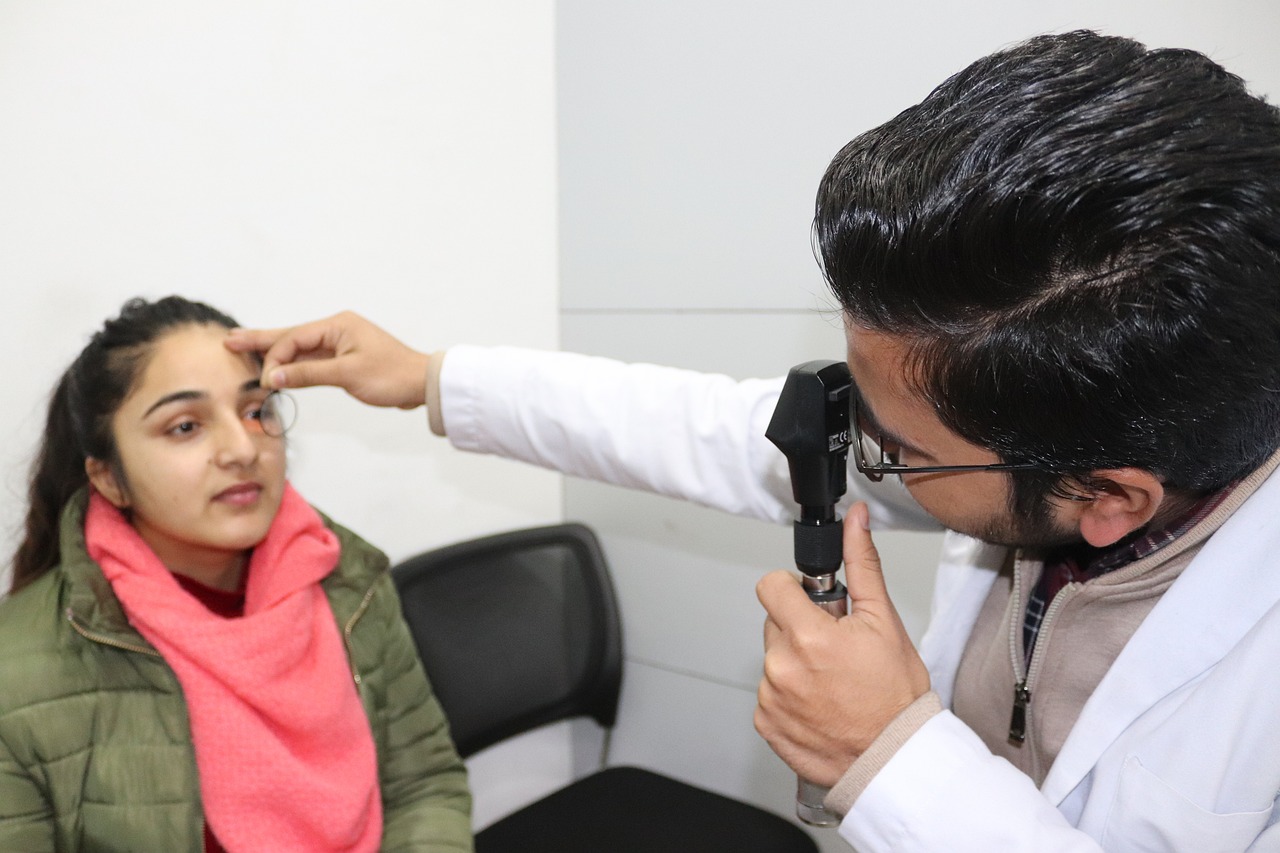
A premier institution that provides comprehensive optometric education, research, and patient care. Established in 1904, SCCO has a rich history of excellence in optometry education and has consistently upheld its commitment to producing highly skilled and compassionate optometrists.
Located in Fullerton, California, SCCO is affiliated with Marshall B. Ketchum University (MBKU), offering a range of academic programs and clinical experiences tailored to the optometric profession’s evolving needs. Optometry education plays a pivotal role in healthcare by addressing the visual health needs of individuals and communities.
Optometrists serve as eye care providers, offering important services such as comprehensive eye examinations, vision correction, diagnosis and management of ocular diseases, and referrals to other healthcare specialists when necessary.
With the prevalence of vision-related conditions and the increasing demand for quality eye care services, optometry education is crucial in ensuring access to competent and compassionate eye care professionals.
This topic aims to provide an overview of SCCO, highlighting its programs, faculty expertise, student resources, and impact on the optometric profession. By examining various aspects of SCCO, this outline offers valuable insights into the importance of optometry education and its role in advancing healthcare.
Historical Background
The Southern California College of Optometry (SCCO) was founded in 1904 to provide exceptional optometric education. Initially established as the Los Angeles School of Optometry, SCCO has evolved over the years, expanding its programs, enhancing its facilities, and advancing its educational offerings.
SCCO has been at the forefront of numerous vital milestones and developments in optometry education. From pioneering new teaching methods to conducting groundbreaking research, SCCO has played a significant role in shaping the standards and practices of optometric training.
Milestones such as accreditation by the Accreditation Council on Optometric Education (ACOE) and advancements in clinical education have solidified SCCO’s reputation as a leader in optometric education.
SCCO holds profound significance in the field of optometry. As one of the oldest optometry colleges in the United States, SCCO has produced generations of highly skilled optometrists who have substantially contributed to the profession. The college’s commitment to excellence in education, research, and clinical care has earned it national recognition and positioned it as a respected institution within the optometric community.
Programs Offered
The Doctor of Optometry (OD) program at SCCO stands as a beacon of excellence in optometric education. Spanning four years, this program offers a comprehensive curriculum that blends theoretical knowledge with hands-on clinical practice.
Students delve into fundamental subjects like ocular anatomy, physiology, and pathology, progressing to advanced studies in diagnostic techniques, therapeutic interventions, and patient management strategies.
Through immersive clinical rotations and externships, students gain invaluable experience in diverse clinical settings, honing their skills under the guidance of seasoned professionals. The OD program at SCCO not only prepares graduates for licensure but also instills in them the confidence and proficiency required to thrive in the dynamic field of optometry.
Complementing the OD program, SCCO provides opportunities for postgraduate specialization through residency programs and fellowships.
These programs offer a unique chance for optometry graduates to delve deeper into specific areas of interest, such as cornea and contact lenses, pediatric optometry, and low vision rehabilitation.
Under the mentorship of expert faculty, residents refine their clinical skills, engage in advanced research projects, and contribute to the acknowledgment of their chosen specialty.
The residency experience at SCCO enhances professional competence and opens doors to diverse career opportunities and leadership roles within the optometric community.
SCCO remains committed to supporting the ongoing professional development of optometrists through its continuing education programs. These courses cater to the evolving needs of practitioners, covering a range of topics, from cutting-edge diagnostic technologies to practice management strategies.
Whether staying abreast of the latest clinical protocols or navigating changes in healthcare policy, optometrists benefit from SCCO’s commitment to providing relevant and high-quality continuing education opportunities.
By investing in lifelong learning, optometrists can uphold the highest standards of patient care, adapt to industry trends, and contribute to the advancement of the optometric profession.
Admission Requirements
Prospective students seeking admission to SCCO’s Doctor of Optometry program must meet specific academic prerequisites. These prerequisites typically include completion of undergraduate coursework in biology, chemistry, physics, and mathematics, providing a solid foundation for the rigorous optometric curriculum.
Clinical experience is highly valued in SCCO’s admissions process. Applicants are encouraged to gain shadowing or work experience in optometric settings to demonstrate their commitment to the field and readiness for optometry school’s demands.
The application process for SCCO’s OD program involves submitting transcripts, letters of recommendation, and test scores, such as the Optometry Admission Test (OAT). Deadlines for application submission typically fall in the fall or winter preceding the desired enrollment year, allowing prospective students ample time to prepare their applications.
SCCO evaluates applicants holistically, considering factors such as academic achievement, clinical experience, letters of recommendation, personal statements, and interview performance. The selection aims to identify individuals who demonstrate strong academic potential, a genuine passion for optometry, and a commitment to high-quality patient care.
Curriculum and Course Structure
The Southern California College of Optometry (SCCO) curriculum encompasses a comprehensive range of core optometry designed to provide students with a solid foundation in vision science, ocular anatomy and physiology, pharmacology, optometric procedures, and patient care management.
Clinical rotations and practical experiences are integral to SCCO’s curriculum, allowing students to apply theoretical knowledge in real-world clinical settings. Through hands-on experiences in optometry clinics and externship programs, students gain invaluable practical skills and develop clinical competence under the supervision of experienced optometrists.
SCCO offers elective courses and specialization options to allow students to tailor their educational experience to align with their career interests and goals. Elective courses may cover contact lens fitting, low vision rehabilitation, pediatric optometry, and specialty contact lenses.
Integrating theory and clinical practice is a crucial focus of SCCO’s curriculum. Through didactic coursework, laboratory exercises, and clinical experiences, students learn to apply theoretical concepts to patient care scenarios, honing their diagnostic and treatment skills while developing a holistic understanding of optometry practice.
Faculty and Staff
SCCO boasts a faculty comprised of highly qualified and experienced optometrists, educators, and researchers with advanced degrees and specialized expertise in various areas of optometry. Faculty members actively engage in teaching, research, and clinical practice, ensuring students receive the highest quality education.
With a low student-to-faculty ratio, SCCO fosters supportive learning where students have ample opportunities for personalized instruction, mentorship, and guidance from faculty members. This close interaction promotes collaboration, facilitates learning, and enhances the educational experience.
C.SCCO provides students access to a dedicated support staff and resources to promote student success. These resources may include academic advisors, career services, tutoring programs, and student wellness initiatives, all designed to support students throughout their educational journey and beyond.
Student Resources and Support Services
SCCO provides comprehensive academic advising and counseling services to support students throughout their optometric education journey. Academic advisors help students develop educational plans, select courses, and navigate program requirements. Counseling services offer personal support, assisting students to manage stress and maintain a healthy work-life balance.
SCCO’s state-of-the-art clinical training facilities and laboratories provide students with cutting-edge equipment and technology for hands-on learning experiences. These facilities simulate real-world optometric practice environments, allowing students to develop clinical skills, perform diagnostic procedures, and provide patient care under the supervision of experienced faculty.
The career services office at SCCO offers a range of resources and support to help students transition from academia to professional practice. This includes assistance with resume writing, interviews, and networking opportunities. SCCO also facilitates internship placements, connecting students with externship sites and potential employers to gain valuable clinical experience and kickstart their careers in optometry.
Alumni Success and Career Outcomes
Graduates of SCCO reflect positively on their optometry education experience, citing the rigorous curriculum, hands-on clinical training, and supportive learning environment as crucial factors in their success. Many alums attribute their professional achievements to the quality education they received at SCCO.
SCCO graduates pursue diverse career paths in optometry, including private practice, academic research, corporate optometry, and specialty areas such as pediatric optometry, low vision rehabilitation, and ocular disease management. Alums leverage their education and training from SCCO to excel in various professional settings and make meaningful contributions to optometry.
The impact of optometry education from SCCO on professional success is evident in the accomplishments of its alums. Graduates attribute their clinical proficiency, critical thinking skills, and ethical practice standards to their education at SCCO, which has prepared them to deliver exceptional patient care, advance the field of optometry, and achieve recognition and success in their careers.
Data on Southern California College of Optometry
| Attribute | Details |
| Name | Southern California College of Optometry (SCCO) |
| Location | Fullerton, California |
| Founding Year | 1904 |
| Accreditation | Western Association of Schools and Colleges Accreditation Council on Optometric Education (ACOE) |
| Programs Offered | Doctor of Optometry (OD) Residency Programs Fellowships Continuing Education Courses |
| Clinical Training Facilities | On-campus clinics, community health centers |
| Faculty | Highly qualified faculty with expertise in various optometric specialties |
| Student Enrollment | Approximately 400 students |
| Student-to-Faculty Ratio | 9:1 |
| Campus Facilities | State-of-the-art classrooms, laboratories, and clinics |
| Alumni Network | Extensive network of optometry professionals worldwide |
| Notable Achievements | Leading institution in optometric education Research contributions in vision science and eye care |
| Career Services | Internship placement assistance, career counseling services |
| Website | www.scco.edu |
Conclusion
The Southern California College of Optometry is a premier institution dedicated to excellence in optometric education, clinical training, and professional development. With a rich history dating back to 1904, SCCO has evolved into a renowned center of learning, shaping the future of optometry through its innovative programs and commitment to advancing the field. By offering comprehensive programs, world-class faculty, state-of-the-art facilities, and extensive support services, SCCO equips students with the skills and experiences necessary to excel in the dynamic field of optometry. As graduates make significant contributions to the profession and community, SCCO continues to uphold its legacy of excellence and leadership in optometric education and healthcare.
Acupuncture at South Baylo University – California’s Leader in Oriental Medicine!
South Baylo University Anaheim (SBUA) is a beacon of excellence in acupuncture and Oriental medicine education. Established with a profound commitment to preserving and promoting ancient healing traditions, SBUA offers comprehensive programs that blend Eastern philosophy with modern healthcare practices.
Through its rigorous curriculum, state-of-the-art facilities, and esteemed faculty, SBUA equips students with the knowledge, skills, and expertise needed to excel in alternative medicine.
The significance of SBUA extends beyond its academic offerings; it serves as a hub for cultivating a deep understanding of acupuncture, herbal medicine, and other traditional healing modalities. By connecting the gap between Eastern and Western approaches to healthcare, SBUA plays a pivotal role in advancing holistic medicine and promoting overall well-being.
This topic aims to delve into the multifaceted aspects of SBUA, exploring its history, academic programs, faculty expertise, and impact on the field of acupuncture and Oriental medicine education. Through this exploration, we aim to provide insights into the invaluable contributions of SBUA and ongoing commitment to excellence in alternative healthcare education.
Historical Background
South Baylo University Anaheim (SBUA) was established in 2026 and founded upon the vision of [founder’s name] to provide quality education in acupuncture and Oriental medicine. From its inception, SBUA has been dedicated to preserving and advancing the rich traditions of Oriental healing practices.
The evolution of acupuncture and Oriental medicine education traces back centuries, originating in ancient China and gradually spreading to other parts of Asia and the world. Over time, these traditional healing modalities have gained recognition and acceptance in Western societies, leading to the establishment of formal education programs like those offered at SBUA.
SBUA holds significant importance in alternative medicine by pioneering acupuncture and Oriental medicine education. As one of the leading institutions in this field, SBUA has played a crucial role in shaping the standards, practices, and perceptions surrounding traditional Eastern healing arts.
The university’s commitment to excellence in acupuncture and Oriental medicine education is reflected in its rigorous academic programs, distinguished faculty, and innovative research initiatives. SBUA continues to uphold its reputation as a premier institution for students seeking comprehensive training in alternative medicine.
As the demand for holistic and integrative healthcare grows, SBUA remains at the forefront of providing education that blends ancient wisdom with modern science. Its programs are designed for students with the knowledge, skills, and ethical framework necessary to meet the needs of patients and communities.
SBUA’s contributions extend beyond the classroom, as it actively engages with local and global communities through outreach programs, partnerships, and collaborative projects. By fostering connections with practitioners, researchers, and healthcare organizations, SBUA promotes the integration of acupuncture and Oriental medicine into mainstream healthcare systems.
Academic Programs
The faculty at SBUA comprises highly qualified and experienced practitioners, educators, and researchers with expertise in acupuncture, herbal medicine, Eastern philosophy, and integrative healthcare. Many faculty members hold advanced degrees and certifications in their respective fields, bringing knowledge and practical experience to the classroom.
With a commitment to personalized instruction and mentorship, SBUA maintains a favorable student-to-faculty ratio, allowing individualized attention and guidance. This ensures that students receive the support they need to excel academically and professionally.
Besides faculty members, SBUA provides a dedicated team of support staff who assist students with academic advising, administrative tasks, and resource access. From admissions counselors to library staff, SBUA’s support team is committed to enhancing the student experience and facilitating success throughout their educational journey.
SBUA’s faculty members actively engage in ongoing professional development and scholarly activities, ensuring they remain at the forefront of advancements in acupuncture and Oriental medicine. This commitment to continuous learning enriches the educational experience for students as they benefit from the latest research findings, clinical insights, and innovative teaching methods.
The university’s emphasis on faculty expertise and student support contributes to a vibrant learning environment characterized by collaboration, critical inquiry, and intellectual curiosity. Through interactive lectures, hands-on demonstrations, and meaningful discussions, students comprehensively understand acupuncture and Oriental medicine while honing their clinical skills and analytical abilities.
Beyond the classroom, SBUA’s faculty and staff are dedicated to fostering a sense of community and belonging among students. Through mentorship programs, extracurricular activities, and cultural events, students can connect with peers, faculty, and alums who share their passion for healing and wellness. This supportive network enhances the overall student experience and prepares graduates to make meaningful contributions to alternative medicine.
Admission Requirements
SBUA offers comprehensive academic advising and counseling services to assist students with course selection, career planning, and personal development. Academic advisors provide guidance and support tailored to individual student needs, helping them navigate their academic and professional goals effectively.
The university’s library and research facilities provide students access to many resources, including books, journals, databases, and online publications related to acupuncture, Oriental medicine, and integrative healthcare. These resources support student learning, research endeavors, and academic inquiry.
SBUA’s career services department offers internship placement assistance, networking opportunities, and professional development workshops to help students prepare for successful careers in acupuncture and Oriental medicine. Whether seeking internships, job placements, or entrepreneurial ventures, students receive guidance and support to launch their careers with confidence.
SBUA’s counseling services also aim to support students’ mental health and well-being throughout their academic journey. Trained counselors provide confidential support, counseling, and referrals to resources on and off campus, ensuring students have access to the necessary support systems to thrive academically and personally.
The university’s library has state-of-the-art facilities and technology, including computer workstations, study rooms, and online databases, to facilitate research and academic pursuits. Librarians are available to assist students in navigating resources, conducting literature reviews, and accessing relevant materials for their coursework and research projects.
Career services at SBUA extend beyond traditional job placement support to include guidance on building professional networks, developing effective resumes and cover letters, and preparing for interviews and networking events.
Through career workshops, seminars, and alumni networking opportunities, students gain valuable insights and connections to enhance their career prospects in acupuncture and Oriental medicine.
Curriculum and Course Structure
The curriculum at SBUA encompasses a wide range of core courses covering acupuncture techniques, herbal medicine formulas, diagnostic methods, and traditional Eastern philosophies related to health and wellness.
Clinical training is an integral component of SBUA’s programs, providing students with hands-on experience in treating patients under the supervision of practitioners. Internship opportunities allow students to apply their knowledge in real-world healthcare settings.
SBUA’s curriculum emphasizes integrating traditional Oriental medicine principles with modern healthcare practices, preparing graduates to provide holistic and patient-centered care that addresses health and well-being’s physical, emotional, and spiritual aspects.
Faculty and Staff
The faculty members at South Baylo University Anaheim (SBUA) are highly qualified and experienced professionals in acupuncture and Oriental medicine. Many hold advanced degrees and certifications in acupuncture, herbal medicine, and related disciplines, bringing knowledge and expertise to the classroom.
SBUA maintains a low student-to-faculty ratio, ensuring students receive personalized attention and instructor guidance. This allows for more interactive learning experiences and fosters a supportive academic environment where students can engage with faculty members one-on-one.
C.Faculty members, SBUA provides support staff and resources to assist students in their academic journey. These resources may include administrative staff, academic advisors, and specialized departments dedicated to student services such as admissions, financial aid, and registrar assistance.
Student Resources and Support Services
SBUA offers comprehensive academic advising and counseling services to support students in their academic and personal development. Academic advisors guide course selection, academic planning, and career pathways, helping students navigate their educational journey successfully.
The university’s library and research facilities provide students access to many resources, including books, journals, databases, and online materials related to acupuncture, herbal medicine, and Eastern philosophy. These resources support students’ research endeavors, coursework, and professional development.
SBUA’s career services department assists students in securing internships, externships, and employment opportunities in acupuncture and Oriental medicine. Career advisors offer guidance on resume writing, job search strategies, and interview preparation, helping students transition seamlessly from academia to professional practice.
Alumni Success and Impact
Graduates of SBUA’s programs have pursued successful careers as licensed acupuncturists, herbal medicine practitioners, educators, and healthcare professionals. Their experiences at SBUA have prepared them to excel in various roles in alternative medicine.
Alumni of SBUA have pursued diverse career paths, including private practice, integrative healthcare settings, research institutions, and academic institutions. Their contributions to the field of acupuncture and Oriental medicine have significantly impacted the health and well-being of individuals and communities.
The education and training received at SBUA have profoundly affected the personal and professional growth of alums, empowering them to make positive contributions to society through their work in alternative medicine. Their stories inspire current and future students, demonstrating the value of an SBUA education.
Challenges and Opportunities
Addressing regulatory challenges in alternative medicine poses a significant hurdle for South Baylo University Anaheim (SBUA) and other institutions offering acupuncture and Oriental medicine programs.
Navigating varying state regulations, licensing requirements, and insurance coverage for alternative therapies requires ongoing advocacy efforts and collaboration with regulatory bodies to ensure these practices’ legitimacy and acceptance.
Adapting to advancements in healthcare technology and practices presents challenges and opportunities for SBUA.
While embracing technological innovations can enhance teaching methodologies, clinical practices, and research capabilities, it also requires continuous training and updating of curriculum to keep pace with evolving healthcare standards and patient expectations.
Seizing opportunities for research and collaboration in integrative medicine enables SBUA to enhance its academic offerings, contribute to evidence-based practices, and foster partnerships with other healthcare providers and institutions.
By engaging in interdisciplinary research projects and collaborative initiatives, SBUA can advance the integration of acupuncture and Oriental medicine into mainstream healthcare systems.
Future Outlook
Anticipated growth and expansion of South Baylo University Anaheim are driven by increasing demand for alternative medicine therapies, growing acceptance of acupuncture and Oriental medicine in mainstream healthcare, and the institution’s commitment to academic excellence and innovation.
Emerging trends in acupuncture and Oriental medicine education include integrating traditional healing practices with modern healthcare approaches, exploring personalized and holistic treatment modalities, and incorporating cultural competency and diversity into curriculum development.
Continued contributions to healthcare and wellness through alternative medicine practices position SBUA as a leader in the field, empowering graduates to make meaningful impacts in improving patient outcomes, promoting holistic well-being, and shaping the future of healthcare delivery.
Data on South Baylo University Anaheim
| Attribute | Details |
| Name | South Baylo University Anaheim |
| Location | Anaheim, California |
| Founded | 1977 |
| Founder | Dr. David J. Park |
| Accreditation | Accredited by the Accrediting Council for Independent Colleges and Schools |
| Programs Offered | Doctor of Acupuncture and Oriental Medicine program, Master of Science in Acupuncture and Oriental Medicine program, Certificate programs in specialized areas of Oriental medicine |
| Faculty | Highly qualified and experienced practitioners and educators in acupuncture, herbal medicine, Eastern philosophy, and integrative healthcare |
| Student-to-Faculty Ratio | Favorable student-to-faculty ratio ensuring personalized attention and guidance |
| Support Staff | A dedicated team providing academic advising, counseling, library services, career services, and other resources. |
| Library | State-of-the-art facilities with extensive resources, including books, journals, databases, and online publications |
| Career Services | Internship placement assistance, professional development workshops, and alums networking opportunities. |
| Counseling Services | Confidential counseling and referrals to support students’ mental health and well-being |
| Accreditation | Accredited by the Accreditation Commission for Acupuncture and Oriental Medicine |
| Alumni | Graduates pursuing successful careers in acupuncture and Oriental medicine |
| Notable Programs | Recognized for comprehensive and rigorous academic programs in Oriental medicine |
| Notable Achievements | Contributions to the advancement of acupuncture and Oriental medicine education |
| Website | South Baylo University Anaheim |
| Attribute | Details |
| Name | South Baylo University Anaheim |
Additional Resources:
holistic health programs:
- South Baylo University – Official Website
https://www.southbaylo.edu/
Visit the university’s main website for information on programs, admissions, campus resources, and the mission of South Baylo University. - Acupuncture and Oriental Medicine Programs
https://www.southbaylo.edu/academics
Explore detailed descriptions of South Baylo’s graduate programs, including Master’s and Doctoral degrees in Acupuncture and Oriental Medicine. - Admissions and Enrollment Information
https://www.southbaylo.edu/admissions
Learn about the admissions process, requirements, and deadlines for prospective students interested in joining South Baylo. - Financial Aid and Scholarships
https://www.southbaylo.edu/financial-aid
Find information on financial aid options, scholarships, and payment plans available to students pursuing their studies at South Baylo University. - South Baylo University Clinics
https://www.southbaylo.edu/clinic
Discover South Baylo’s teaching clinics, where students gain hands-on experience in acupuncture and oriental medicine under professional supervision. - Continuing Education Courses
https://www.southbaylo.edu/continuing-education
South Baylo offers continuing education programs for licensed practitioners and students interested in enhancing their skills in oriental medicine. - South Baylo University Research Center
https://www.southbaylo.edu/research
Learn about ongoing research in acupuncture, oriental medicine, and integrative health approaches conducted by South Baylo faculty and students. - Student Life and Support Services
https://www.southbaylo.edu/student-services
Explore resources for students, including academic advising, counseling, and support services that create a strong community environment at South Baylo. - National Certification Commission for Acupuncture and Oriental Medicine (NCCAOM)
https://www.nccaom.org/
A valuable resource for understanding certification requirements for practitioners of acupuncture and oriental medicine in the U.S. - California Acupuncture Board
https://www.acupuncture.ca.gov/
Provides information on licensing requirements, practice standards, and regulations for acupuncture professionals in California.
Conclusion
South Baylo University Anaheim is a cornerstone in acupuncture and Oriental medicine education, offering rigorous academic programs, experienced faculty, and robust support services. As it continues to evolve and adapt to emerging trends and challenges, SBUA remains steadfast in its mission to educate the next generation of practitioners in acupuncture and Oriental medicine.
A Guide to Seminaries in Southern California

A seminary is an educational institution specifically designed for the training and formation of individuals pursuing careers in religious ministry, typically within Christian traditions.
These institutions offer a range of academic programs, from undergraduate to doctoral degrees, focusing on theology, biblical studies, pastoral care, and related fields. Seminaries are vital in preparing future clergy, educators, and leaders for service within their faith communities.
Southern California, known for its diverse landscape and vibrant cultural scene, is a unique backdrop for seminary education. With its sprawling cities, picturesque beaches, and dynamic multicultural population, Southern California offers seminary students a rich tapestry of experiences and opportunities.
Moreover, the region’s proximity to major urban centers provides access to various religious communities, enabling students to engage in practical ministry experiences and cross-cultural learning.
Southern California’s favorable climate and innovative spirit foster an environment conducive to academic and personal growth. Whether nestled in the foothills overlooking Los Angeles or situated along the coast in San Diego, seminaries in Southern California benefit from a setting that encourages exploration, creativity, and collaboration.
Thus, Southern California stands as an ideal location for seminary education, blending academic rigor with cultural diversity and spiritual vitality
History of Seminaries in Southern California
Early Development and Establishment
Seminaries in Southern California have a rich history dating back to the late 19th and early 20th centuries. One of the earliest institutions, the Pacific School of Religion, was founded in Berkeley in 1866, which laid the groundwork for theological education in the region.
The growth of religious communities and the need for trained clergy in Southern California led to the establishment of seminaries such as Fuller Theological Seminary in Pasadena in 1947 and Talbot School of Theology in La Mirada in 1952.
These institutions aimed to provide rigorous theological training in a rapidly expanding region marked by cultural and religious diversity.
Significant Milestones and Influential Figures
Throughout their history, Southern California seminaries have witnessed significant milestones and been shaped by influential figures. Fuller Theological Seminary, under the leadership of figures like Harold Ockenga and David Allan Hubbard, emerged as a leading evangelical institution committed to theological orthodoxy and cultural engagement.
Talbot School of Theology, affiliated with Biola University, has influenced conservative evangelical thought and trained ministers for various denominations.
The 20th and 21st centuries saw the proliferation of seminaries catering to diverse theological perspectives, such as the Claremont School of Theology, which became a hub for progressive and interfaith dialogue.
Evolution of Seminary Education in the Region
Over the years, seminary education in Southern California has evolved to meet the church’s and society’s changing needs. Institutions have expanded their curricula to include interdisciplinary studies, pastoral care, counseling, and missions, reflecting a broader understanding of ministry.
The advent of online education and hybrid programs has made theological training more accessible to a diverse student body, including working professionals and non-traditional learners.
Seminaries have also grappled with issues of diversity, equity, and inclusion, striving to create inclusive environments that reflect the multicultural landscape of Southern California.
Denominational Diversity in Southern California Seminaries
Major Christian Denominations Represented
Southern California seminaries boast a diverse student body representing many Christian denominations. Institutions like Fuller Theological Seminary and Talbot School of Theology attract students from evangelical traditions, including Baptists, Pentecostals, and non-denominational churches.
Claremont School of Theology, emphasizing progressive theology and interfaith dialogue, draws students from mainline Protestant denominations such as the United Methodist Church, the Episcopal Church, and the United Church of Christ.
Additionally, Catholic seminaries like St. John’s Seminary in Camarillo are vital in training priests for the Roman Catholic Church in the region.
Unique Doctrinal Emphases and Traditions
Each seminary in Southern California brings its unique doctrinal emphases and theological traditions to the table. Fuller Theological Seminary, for instance, emphasizes a robust evangelical theology while embracing diversity within its student body and faculty.
Talbot School of Theology emphasizes a conservative evangelical perspective, focusing on biblical inerrancy and theological orthodoxy.
Claremont School of Theology stands out for its progressive theology and commitment to social justice, gender equality, and interfaith dialogue, reflecting the ethos of many mainline Protestant denominations.
Impact of Denominational Diversity on Seminary Culture
The denominational diversity in Southern California seminaries enriches the educational experience and fosters dialogue among students from different theological backgrounds. Students can engage with diverse perspectives, wrestle with theological differences, and cultivate a deeper understanding of their faith traditions.
This diversity also challenges seminaries to create inclusive spaces where students feel respected and valued regardless of denominational affiliation. Moreover, it prepares future ministers to navigate the complexities of a pluralistic society and collaborate with diverse communities in their ministry endeavors.
Overall, denominational diversity contributes to Southern California’s vibrant and dynamic seminary culture, fostering theological growth and mutual respect among students and faculty alike.
Academic Programs Offered
Seminaries in Southern California offer a diverse range of degrees to cater to students’ varied career aspirations and academic interests.
Joint degrees include the Master of Divinity (M.Div.), which provides comprehensive training for pastoral ministry; the Master of Arts in Theology (M.A.), which offers a deeper exploration of theological concepts; and the Doctor of Ministry (D.Min.), which focuses on advanced professional development for experienced ministers.
Besides core degree programs, seminaries often provide specialized tracks or concentrations that allow students to tailor their education to specific areas of interest or ministry focus.
These may include pastoral counseling, church planting, missions, youth ministry, and more, providing students with specialized training and skills relevant to their intended vocation.
Seminaries in Southern California uphold rigorous academic standards and often hold accreditation from regional accrediting bodies and specialized theological accrediting agencies.
Accreditation ensures that institutions meet established criteria for academic quality, faculty qualifications, student support services, and ethical practices, thereby assuring the value and credibility of the education offered.
Campus Life and Community Engagement
Seminaries in Southern California attract a diverse student population, reflecting the multicultural fabric of the region. Students come from various backgrounds, denominations, and cultures, enriching the learning environment through their unique perspectives and experiences.
Spiritual life and worship opportunities are integral aspects of campus life at seminaries in Southern California. Students can access chapels, prayer spaces, and spiritual formation programs that nurture their spiritual growth and development. Worship services, prayer groups, and retreats further contribute to the vibrant spiritual community on campus.
Engagement with local churches and community organizations is a critical component of seminary life in Southern California. Students have opportunities for practical ministry experience through internships, field education placements, and service-learning projects, forging connections with congregations and community partners to apply their learning in real-world contexts and contribute to the flourishing of local communities.
Faculty and Research
Faculty Expertise and Backgrounds
Southern California seminaries boast a diverse and highly qualified faculty with expertise in various theological disciplines. Faculty members often hold advanced degrees from prestigious institutions and bring extensive experience from pastoral ministry, academic research, and missionary work.
Many professors are recognized scholars in their respective fields, contributing to seminary education’s intellectual rigor and theological depth.
Faculty diversity also enriches the learning environment, exposing students to different theological perspectives and cultural contexts.
Research Centers and Initiatives
Seminary campuses in Southern California are often home to research centers and initiatives dedicated to advancing theological scholarship and addressing contemporary issues. These centers may focus on biblical studies, church history, ethics, missiology, or interdisciplinary topics.
Research initiatives often involve collaboration with other academic institutions, churches, and community organizations, fostering interdisciplinary dialogue and practical engagement with real-world challenges.
Such centers serve as hubs for academic conferences, lectures, and publications, contributing to the broader theological discourse both locally and internationally.
Contributions to Theological Scholarship and Discourse
Southern California seminaries have significantly contributed to theological scholarship and discourse through faculty publications, academic conferences, and participation in professional associations.
Faculty members regularly publish books, articles, and research papers that advance knowledge in their respective fields.
They also serve as reviewers for academic journals, editors of scholarly publications, and contributors to theological dictionaries and encyclopedias.
Faculty members shape theological conversations through their research and writing, engage with contemporary issues, and offer insights that enrich the wider church and academic community.
Extracurricular Activities and Resources
Student Organizations and Clubs
Southern California seminaries offer a variety of student organizations and clubs that cater to diverse interests and theological perspectives.
These organizations may focus on spiritual formation, missions, outreach, social justice advocacy, worship, music, or specific theological traditions. Student-led clubs provide opportunities for fellowship, mutual support, and collaborative ministry projects on campus and in the local community. They also serve as platforms for leadership development and the cultivation of specialized skills relevant to ministry and academic pursuits.
Library and Archival Collections
Seminaries in Southern California boast extensive library and archival collections that support theological education, research, and scholarship.
These collections house rare manuscripts, theological texts, periodicals, and digital resources spanning various traditions and languages. Students and faculty have access to specialized databases, interlibrary loan services, and research assistance from trained librarians.
Library facilities often include study spaces, computer labs, and archives dedicated to preserving the historical legacy of the seminary and its affiliated institutions.
Continuing Education and Lifelong Learning Opportunities
Southern California seminaries offer continuing education and lifelong learning opportunities for clergy, lay leaders, and lifelong learners seeking to deepen their theological knowledge and ministry skills.
These programs may include seminars, workshops, certificate programs, and online courses tailored to the needs of different audiences. Continuing education initiatives often address emerging theological, pastoral care, counseling, and leadership development trends, equipping participants for effective ministry in a rapidly changing world.
Additionally, seminaries may collaborate with local churches, denominational bodies, and parachurch organizations to offer specialized training programs and resources for ongoing professional development.
Challenges and Opportunities
Seminaries in Southern California face various challenges, including financial sustainability amidst rising operating costs and fluctuating enrollment rates.
Additionally, there may be challenges in adapting to rapidly changing theological trends and technological advancements in education delivery. Moreover, attracting and retaining qualified faculty members, particularly in specialized fields, poses a challenge for maintaining academic excellence.
Despite challenges, seminaries in Southern California have ample opportunities for growth and innovation. Embracing online education modalities can expand access to theological training and reach a broader student demographic.
Collaboration with local churches, community organizations, and other educational institutions can foster innovative approaches to ministry training and promote interdisciplinary dialogue.
Moreover, leveraging technological advancements, such as virtual reality simulations and interactive learning platforms, can enhance the effectiveness of theological education.
Seminaries play a crucial role in addressing societal issues by equipping future clergy and leaders with the knowledge, skills, and ethical framework necessary for engaging with pressing social concerns.
By integrating social justice initiatives, community engagement projects, and interdisciplinary coursework, seminaries can empower students to become advocates for positive change in their communities.
Impact on the Local and Global Church
Seminaries in Southern California significantly influence church leadership and ministry practices by training clergy and leaders who serve in diverse congregations and denominational contexts.
Through theological education, seminaries shape future church leaders’ spiritual formation, ethical discernment, and pastoral care skills, thereby impacting the health and vitality of local churches.
Collaborative partnerships between seminaries and churches/ministries strengthen the broader church community by facilitating knowledge exchange, resource sharing, and mutual support.
These partnerships enable seminaries to remain responsive to the evolving needs of the church while providing churches access to trained leaders and theological expertise.
Alumni of seminaries in Southern California make significant contributions to church communities locally and globally.
Through their leadership roles in congregations, denominational agencies, nonprofits, and academic institutions, seminary alums engage in pastoral ministry, theological scholarship, social activism, and mission work, enriching church communities’ spiritual and social fabric worldwide.
Data on Seminary in Southern California
| Seminary Name | Location | Degrees Offered | Specialized Tracks/Concentrations | Accreditation & Academic Standards |
| Fuller Theological Seminary | Pasadena, CA | Master of Divinity (M.Div.) Master of Arts in Theology (M.A.)Doctor of Ministry (D.Min.) | Pastoral Counseling Intercultural Studies Missions Chaplaincy | Accredited by the Association of Theological Schools (A.T.S.) and the Western Association of Schools and Colleges (WASC). Maintains high academic standards and rigorous theological education. |
| Talbot School of Theology | La Mirada, CA | Master of Divinity (M.Div.) Master of Arts in Theology (M.A.) Master of Theology (Th.M.) Doctor of Ministry (D.Min.) | Pastoral Ministry Biblical Studies Theological Studies | Accredited by the Association of Theological Schools (A.T.S.). Committed to academic excellence and theological integrity. |
| Claremont School of Theology | Claremont, CA | Master of Divinity (M.Div.) Master of Arts in Theological Studies (MATS) Master of Arts in Religion (M.A.R.) Doctor of Ministry (D.Min.) Doctor of Philosophy (Ph.D.) | Ethics, Theology, and Culture Spirituality and Social Change Interreligious Education | It is accredited by the Western Association of Schools and Colleges (WASC) and the Association of Theological Schools (A.T.S.). Maintains high academic standards and promotes social justice education. |
Additional Resources:
- Southern California Seminary – Official Website
https://www.socalsem.edu/
Explore the seminary’s main site for information on programs, admissions, campus resources, and more. - Academic Programs at Southern California Seminary
https://www.socalsem.edu/programs/
Discover details on degree programs in theology, biblical studies, Christian counseling, and ministry. - Admissions and Application Process
https://www.socalsem.edu/admissions/
Find admissions requirements, application deadlines, and steps for enrolling at Southern California Seminary. - Financial Aid and Scholarships
https://www.socalsem.edu/financial-aid/
Access information on financial aid options, scholarships, and payment plans for students. - Online Learning at Southern California Seminary
https://www.socalsem.edu/online-learning/
Learn about online program offerings, making it possible to study remotely in theology and counseling. - Library and Research Resources
https://www.socalsem.edu/library/
Access a variety of digital and physical resources for research, study, and biblical scholarship. - Student Life and Spiritual Growth
https://www.socalsem.edu/student-life/
Explore student activities, spiritual growth opportunities, and resources that support a vibrant campus community. - Career Services for Graduates
https://www.socalsem.edu/career-services/
Find career counseling, ministry placement, and resources to help graduates succeed in their chosen fields. - Association of Theological Schools (ATS)
https://www.ats.edu/
Learn more about the accreditation standards for theological schools, including Southern California Seminary’s standing. - California State Licensing Board for Counselors
https://www.bbs.ca.gov/
A resource for students pursuing Christian counseling who need to understand licensing requirements in California.
Conclusion
Seminary education in Southern California is vital for shaping future religious leaders and fostering spiritual growth in a diverse and dynamic region. Looking ahead, seminaries must adapt to emerging trends in technology and theology while remaining committed to academic excellence and community engagement.
As integral hubs of theological learning and spiritual formation, seminaries in Southern California will continue to play a crucial role in nurturing faith, promoting social justice, and empowering leaders to serve their communities with compassion and integrity.
Related Posts:
Faith and Learning at Bethel Seminary San Diego
The Impact of Studying at a Catholic University in California
Search
Use coupon code THURSDAY for 6% off orders of $100+ at BiggerBooks.com
Get EXCLUSIVE DISCOUNTS on flights from StudentUniverse:
 Monica developed the SMART method of applying for scholarships to help her son. This resulted in his winning over $100,000 and graduating from college 100% debt-free.
>>Learn more about her method!<<